
Exclusive: The second rider for Ten Kate’s new QJ works team has been confirmed
For 2027 and beyond, the Chinese manufacturer QJ Motor has reoriented its strategy and found the best possible partner in Team Ten Kate. There are big plans for the Supersport World Championship.
This article is an automatically generated English version. The

Zonta van den Goorbergh wechselt in die Supersport-WM
Foto: gold & goose
Zonta van den Goorbergh wechselt in die Supersport-WM
© gold & goose


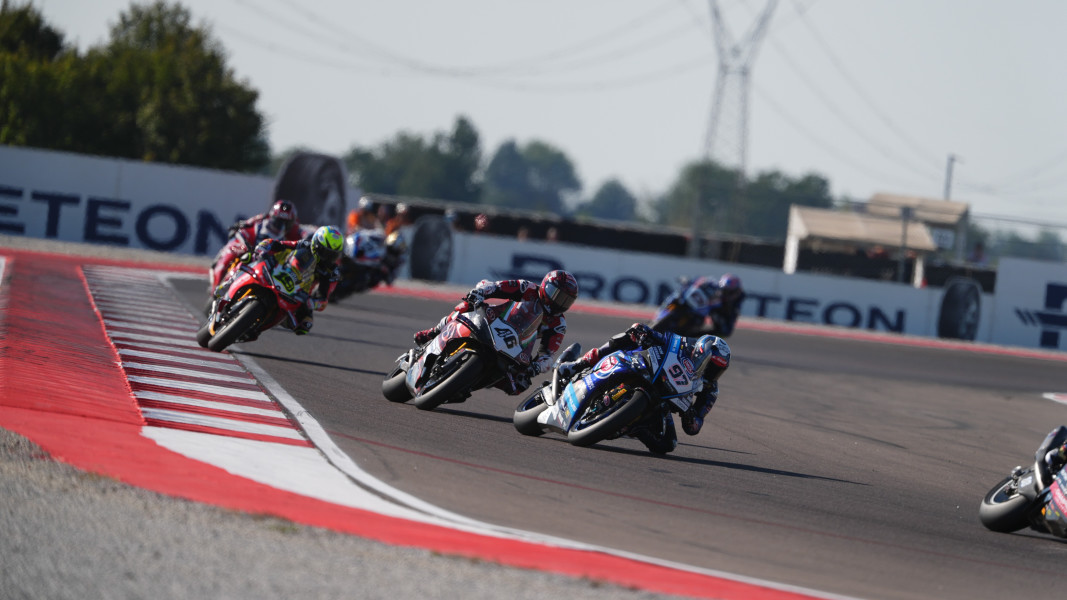
Ten Kate will continue in 2027 with the Turkish rider Can Öncü, who finished third in the 2022 Supersport World Championship on a Kawasaki and was runner-up on a Yamaha last year. Ahead of the final race in Jerez on 18 October, he lies third in the world championship standings. As announced by SPEEDWEEK.com, his team-mate will be the Dutch rider Zonta van den Goorbergh. He is the son of Jurgen, who contested a total of 166 Grands Prix between 1991 and 2005 in the 250cc and 500cc classes as well as MotoGP.
If he remains injury-free, Zonta will contest his 100th Grand Prix before the end of this season. The 20-year-old has been competing in the Moto2 World Championship since 2022, but has only managed three top-ten finishes so far. His best result came in 2024 at Motegi in Japan, where he finished fifth. Few doubt the Dutchman’s talent; some experts are convinced he simply needs the right environment.
At Ten Kate, he will find excellent conditions; the tuning experts from Nieuwleusen, north-east of Zwolle, have the expertise to turn even the QJ into a winning machine. To date, twelve riders’ titles have been won in the Supersport World Championship – nine with Honda and three with Yamaha.
QJ Motor: An update to the SRK 800 RS is already planned for 2027
QJ is planning a fundamentally new Supersport motorbike for 2028, which will incorporate a great deal of Ten Kate’s know-how. There has also been talk of a Superbike for some time now. No one should expect to see the same slow SRK 800 RS next year as in 2026, which managed a meagre five World Championship points. Ten Kate knows exactly what matters when it comes to a racing machine. And QJ has the necessary resources to make it happen. If you divide 1.2 million motorbikes by the number of working days in a year, you’ll quickly realise that the 500 units required for homologation can be produced between breakfast break and lunch.
Topic of the week
Topic of the week: MotoGP’s new schedule proved highly controversial
In 2027, MotoGP will also enter the 850cc era with a new schedule. It was not so much the changes themselves as the way the decisions were reached that caused a stir. A prime example of: ‘Talking helps’.
TV Program
Seen already?
Don't miss out on any highlights: The Speedweek newsletter, sent out twice a week, delivers the latest news, exclusive commentary and all the important dates from the world of motorsports - directly into your inbox
Highlight Videos
ServusTV Media Library17. Okt. | 1:05 Min
17. Okt. | 1:35 Min
17. Okt. | 16:52 Min
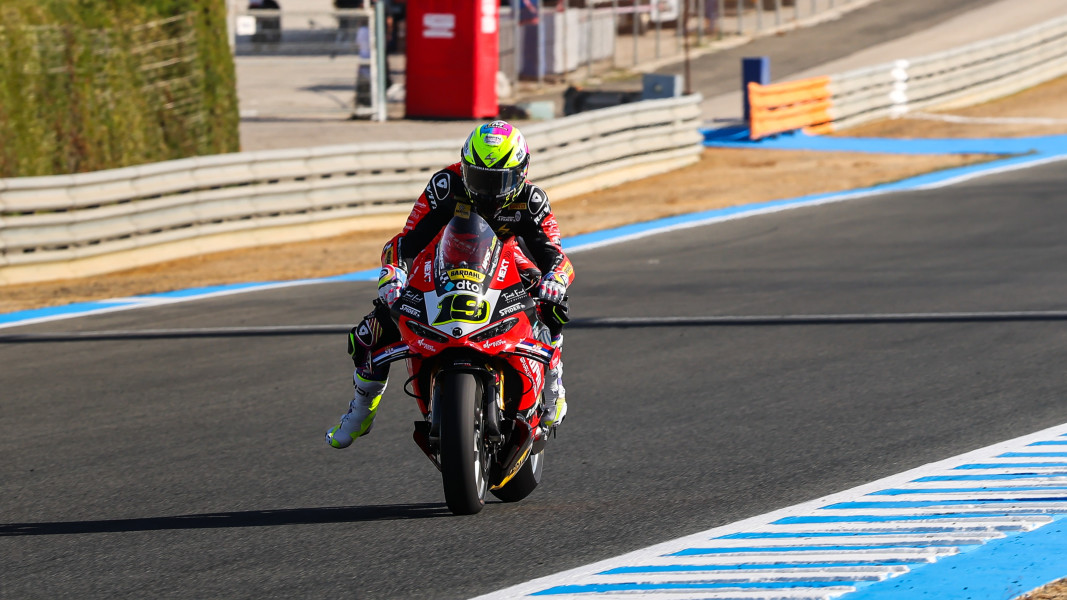
Wird die starke Bautista-Aufholjagd belohnt?
17. Okt. | 1:28 Min
17. Okt. | 63:41 Min
17. Okt. | 48:21 Min
17. Okt. | 54:57 Min
11. Okt. | 1:36 Min
WorldSBK News
All News


Newest Articles
All ArticlesNew New New New


