
Bahrain GP, Malaysia: Valtteri Bottas on tips and tricks for beating the heat
For years, the Malaysian GP organisers have referred to their F1 World Championship round as “the hottest race of the season”. GP veteran Valtteri Bottas explains how a driver copes with these particular challenges.
This article is an automatically generated English version. The

Cadillac-Fahrer Valtteri Bottas
Foto: XPB
Cadillac-Fahrer Valtteri Bottas
© XPB


Right, we’ve often experienced high to very high temperatures at the Bahrain Grand Prix too, but the Bahrain Grand Prix in Malaysia is a completely different matter.
Ambient temperatures at the Sepang International Circuit average over 30°C and humidity is 70 per cent or more – a sweltering atmosphere like in Singapore, but under blazing sunshine.
Cadillac driver Valtteri Bottas says: “Racing in Malaysia is like going into a sauna. We’re wearing all our gear, including our helmets, and the car is hot too – really hot.”
Recommendations
At Sepang, cockpit temperatures regularly reach levels of over 50°C. The drivers are confined to this hot, stuffy, cramped space, heavily clad in several layers of fire-resistant Nomex, and battling against the extreme g-forces acting on their bodies – an enormous test of their physical endurance.
For this reason, many drivers travel to Malaysia as early as possible to acclimatise to the heat and humidity. Many drivers flew on to Kuala Lumpur as early as Sunday after the Baku Grand Prix.
Topic of the week
Nicolo Bulega: Toprak’s successor will not fail in MotoGP
The Italian Nicolo Bulega is the first rider to have won the world title in both the Supersport and Superbike classes; from 2027, he will be racing in MotoGP. His performances this season are second to none.
TV Program
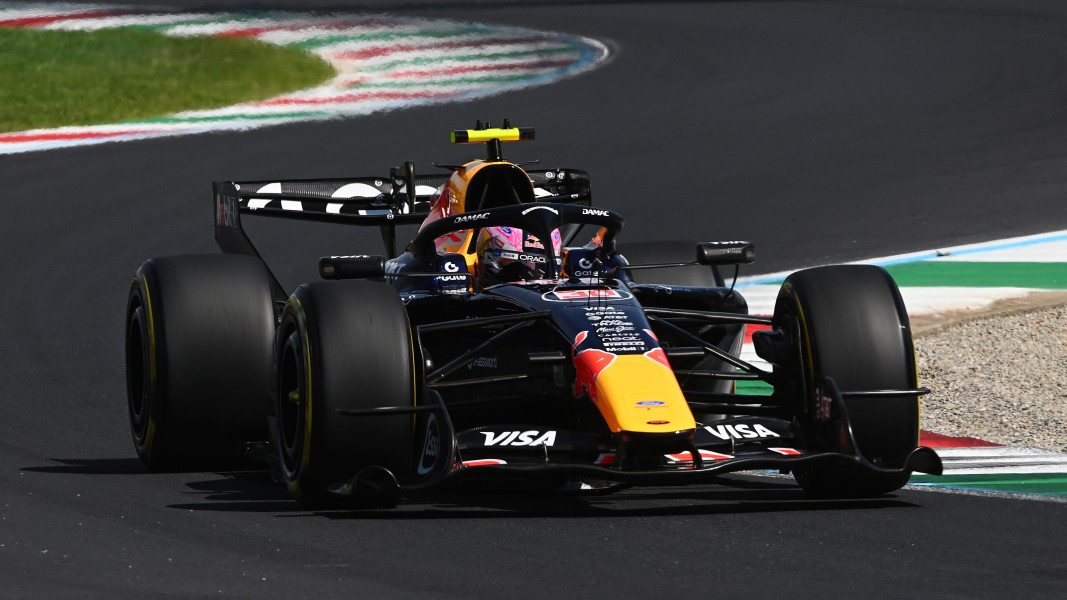
Bottas, who has competed in 261 Grand Prix races, explains: “It takes three to four days for your body to get used to the heat. You start with a bit of training outdoors so that your body really works up a sweat. We can’t withstand the heat like the locals do, but these days spent acclimatising make a significant difference.”
This is one of those races on the calendar where all the physical training the drivers undergo during the winter break – and maintain throughout the season – really pays off.
During a typical Malaysian Grand Prix, a rider’s heart rate easily reaches 170 beats per minute, peaking at 200. Losing three to four litres of body fluid is not unusual. Over the course of a 90-minute race, that amounts to roughly five per cent of total body weight. This makes regulating fluid balance all the more important in order to avert the imminent risk of exhaustion.
Ten-time Grand Prix winner Bottas continues: “One of the most important things is to maintain your fluid intake. If you slip up just once in this regard, it takes a very long time to get it back under control. We have to drink plenty of water as well as sports drinks containing electrolytes to keep levels within the right range. You absolutely must ensure that your fluid intake is working properly.”
Following the 2023 Qatar Grand Prix, when some drivers were pushed to the limits of their endurance, the International Automobile Federation (FIA) took action. It can now designate a Grand Prix as a ‘heat race’, which means that teams must fit appropriate equipment to cool the driver. Wearing the cooling vest is, however, optional.
Bottas says: “The vest isn’t actually cold; it’s at a very comfortable room temperature. It draws heat away rather than cooling your body. Your body temperature shoots up during the race, but the vest helps you keep it under control before the start. Even if a vest only reduces your body temperature by 0.4 degrees before the start, that’s 0.4 degrees you might be missing by the end of the race – and that can make all the difference.”
During the race, the riders rely on their water bottle in the cockpit. This is filled with sports drinks and electrolytes to replace the fluids lost through sweating. It’s a battle against exhaustion. And if there’s one race where you don’t want the drink bottle to fail, it’s Malaysia.
Bottas, runner-up in the World Championship in 2019 and 2020, confirms: “We sweat more than three litres during a race like the one in Malaysia. If we don’t replace that, it affects our concentration. Fatigue sets in. Then it becomes harder to drive consistently and, in the worst case, you can get cramps or even experience visual disturbances.”
Esteban Ocon had to vomit in Qatar, whilst Logan Sargeant had to be supported by his mechanics after retiring due to exhaustion to prevent him from collapsing.
After the race, the driver’s main focus is on cooling down and rehydrating. The tempting bottles of water in the recovery room don’t stay untouched for long after the race ends, before the drivers head up to the podium for the slightly sweeter taste of champagne.
Seen already?
Don't miss out on any highlights: The Speedweek newsletter, sent out twice a week, delivers the latest news, exclusive commentary and all the important dates from the world of motorsports - directly into your inbox
Highlight Videos
ServusTV Media Library
„Das habe ich noch nie gesehen!“
28. Sept. | 1:46 Min
Trotz Verstappen-Befehl: Hadjar macht Druck!
27. Sept. | 1:44 Min
26. Sept. | 51:43 Min

26. Sept. | 1:21 Min
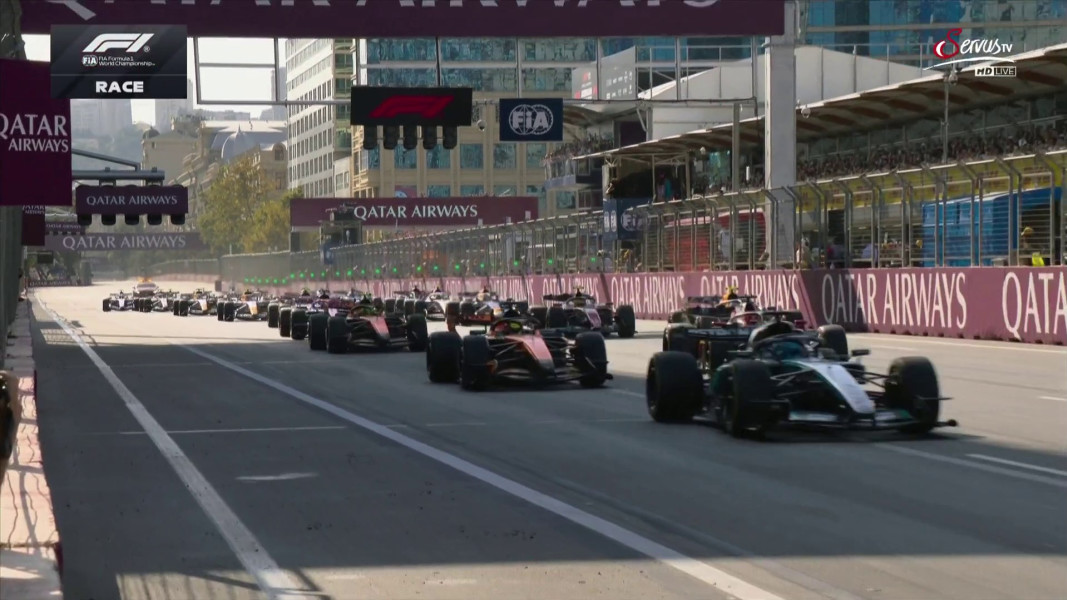
Bilderbuch-Start von Verstappen
26. Sept. | 1:29 Min
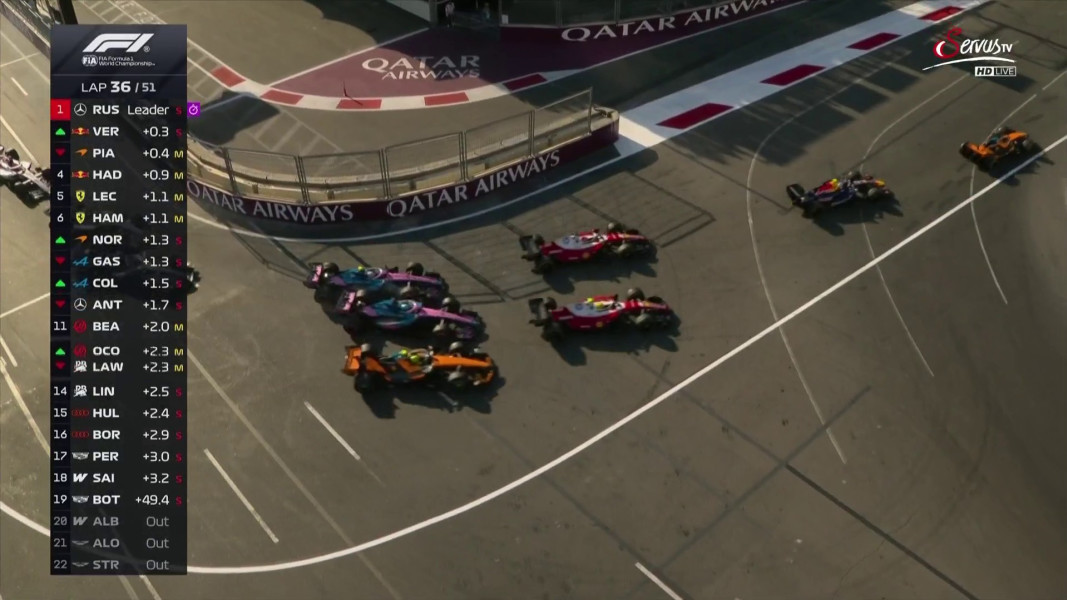
26. Sept. | 1:29 Min
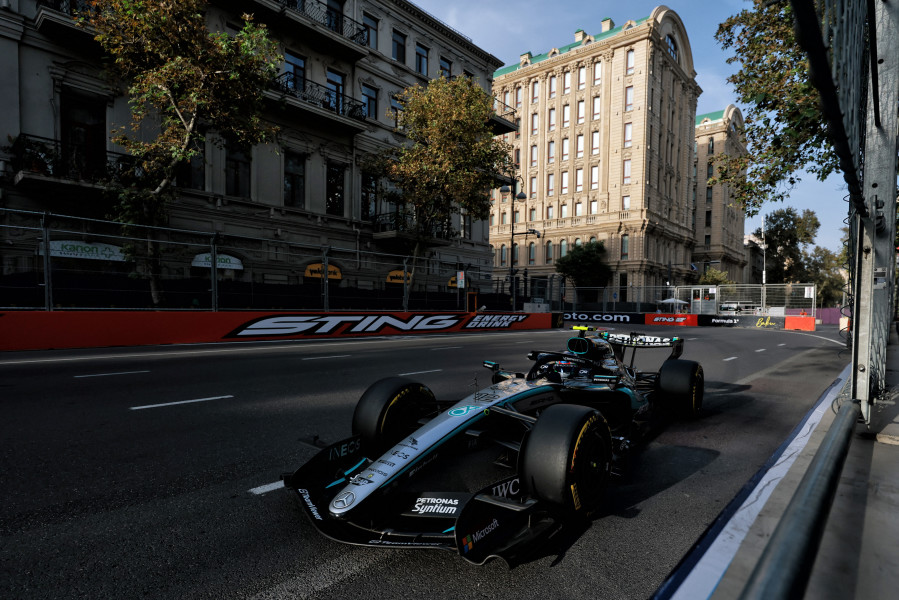
Nächste Aufholjagd von Antonelli?
26. Sept. | 2:53 Min
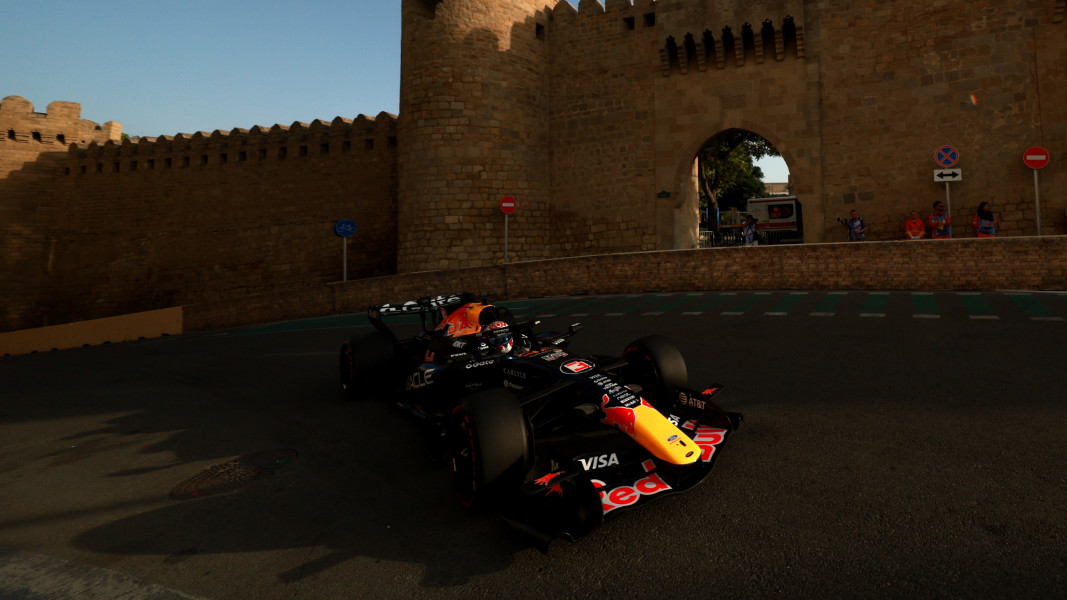
Baku: Wer schnappt sich die Pole?
26. Sept. | 2:22 Min
Formula Cars News
All News


Newest Articles
All ArticlesNew New New New New New New New New


