After losing the Spanish Grand Prix: former Formula 1 driver criticises McLaren
Defending champion Lando Norris did not lose the Spanish Grand Prix because of a mistake, but because he was unlucky. Nevertheless, criticism of the McLaren team’s strategy was voiced after the race.
This article is an automatically generated English version. The
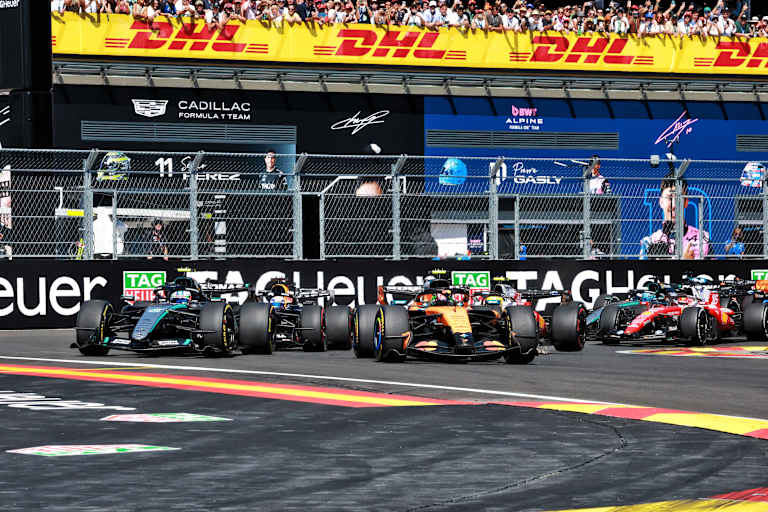
Da war die Welt noch in Ordnung: Norris lag nach dem Start in Führung
Foto: Charniaux / XPB Images
Da war die Welt noch in Ordnung: Norris lag nach dem Start in Führung
© Charniaux / XPB Images


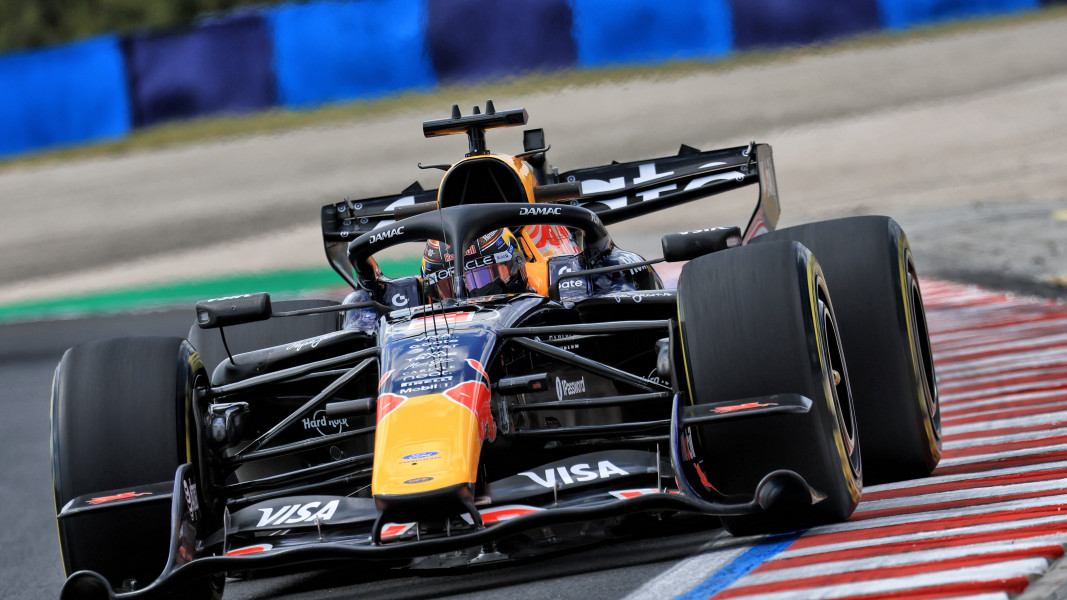
For Lando Norris, the race in Madrid ended in disappointment: the Formula 1 champion had secured pole position the day before with a strong lap and had done everything right during the race, yet he still had to settle for third place behind winner Kimi Antonelli and Red Bull Racing star Max Verstappen. The reason was obvious: Norris was unlucky with the timing of the virtual safety car period.
By the time the field was slowed down, he had built up a comfortable lead at the front. And just as race control signalled the start of the virtual safety car phase, he had just passed the pit lane entrance. Whilst the Briton’s direct rivals were able to capitalise on the opportunity to minimise the time lost during the obligatory tyre change, Norris had to complete a whole lap at a snail’s pace before turning into the pits. By then, however, the race had resumed, meaning the tyre change cost the defending champion a significant amount of time.
No hasty decision
The fact that McLaren decided to head for the pits despite the missed opportunity drew criticism after the race. Former F1 driver Jolyon Palmer, for example, writes in his analysis of the race on ‘Formula1.com’: ‘I really don’t understand what the logic behind it was. I couldn’t believe Norris pulled into the pits when the race had been waved green again.’
Recommendations
Mentioned in this article
“He gave up his position on the track and accepted the 25-second time penalty, which made absolutely no sense. There was a lot of radio traffic between Lando and his race engineer Will Joseph, and the team confirmed that they intended to make the stop even under green flag conditions. So this wasn’t a pit stop that happened due to a lack of communication because time was running out; rather, it was planned that way,” the 35-year-old Briton continued.
Race not properly assessed
“To me, it looked as though the race strategists had followed a cookie-cutter strategy rather than properly assessing the race as it unfolded before their eyes,” criticises Palmer, who knows: “A pit stop at the first opportunity, even under green flag conditions, may have been the best option on paper to achieve the optimum race time, but in doing so, a number of crucial aspects were completely overlooked.”
Topic of the week
Spanish Grand Prix at the new Madring: track – hit or miss?
The people of Madrid had set their sights high for their city’s first Formula 1 World Championship race since 1981. But have the high expectations for the new Madring mixed-circuit track really been met?
TV Program
It was clear, he says, that the Madring offers hardly any overtaking opportunities if there is no significant difference in pace between the car in front and the one chasing. And by doing so, they deprived themselves of any further chance to benefit from a possible further safety car period or a red flag. Norris could also have stayed on the track and tried to build up the necessary lead so that, after a later pit stop with the usual time loss, he would still be in the lead. Palmer admits it is not clear whether that would have worked. Nevertheless, he is convinced: “It would have been worth a try.”
Seen already?
Don't miss out on any highlights: The Speedweek newsletter, sent out twice a week, delivers the latest news, exclusive commentary and all the important dates from the world of motorsports - directly into your inbox
Results
Full StandingsPos
Driver
Driver
Team
Start No.
Rounds
Time
Fastest Lap
Points
01

Mercedes-AMG Petronas Formula One Team
12
57
1:34:23,754
1:36,030
25
02

Oracle Red Bull Racing
3
57
+4,351
1:36,760
18
03

McLaren Formula 1 Team
1
57
+5,089
1:36,680
15
04

Scuderia Ferrari HP
16
57
+29,116
1:36,063
12
05

Mercedes-AMG Petronas Formula One Team
63
57
+29,829
1:35,587
10
06

Oracle Red Bull Racing
30
57
+1:26,746
1:36,846
8
07

BWT Alpine Formula One Team
43
57
+1:34,281
1:37,321
6
08

McLaren Formula 1 Team
81
57
+1:35,839
1:37,226
4
09

Visa Cash App Racing Bulls Formula One Team
41
56
+1 round
1:38,211
2
10

Audi Revolut F1 Team
27
56
+1 round
1:38,114
1
Highlight Videos
ServusTV Media Library
50-Meter-Drama von WM-Maschine eiskalt ausgenutzt!
14. Sept. | 1:36 Min
13. Sept. | 3:13 Min
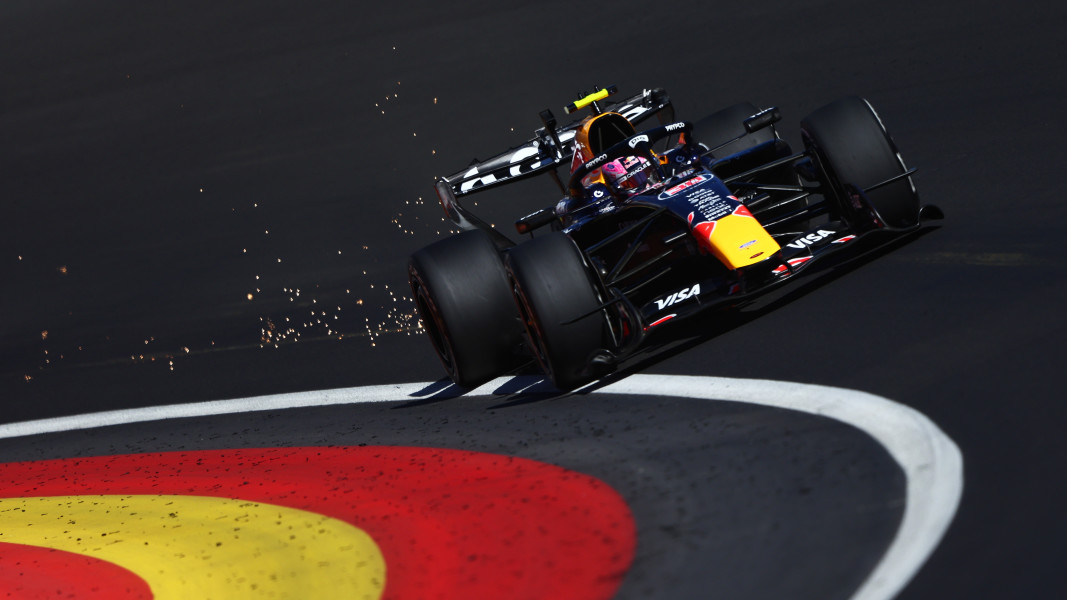
12. Sept. | 2:57 Min
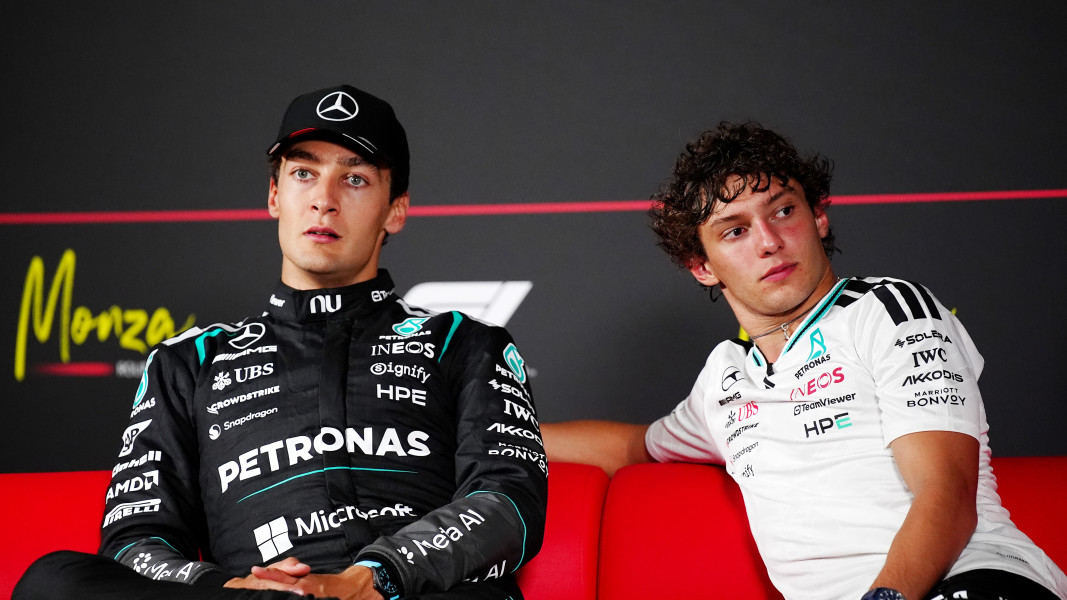
Mercedes in Monza: Funk verrät Stimmung
7. Sept. | 1:15 Min

4. Sept. | 4:58 Min
Hat Hamilton Mercedes-Heimweh?
24. Aug. | 1:54 Min
Liam Lawson: Markantes Style-Detail!
23. Aug. | 7:14 Min
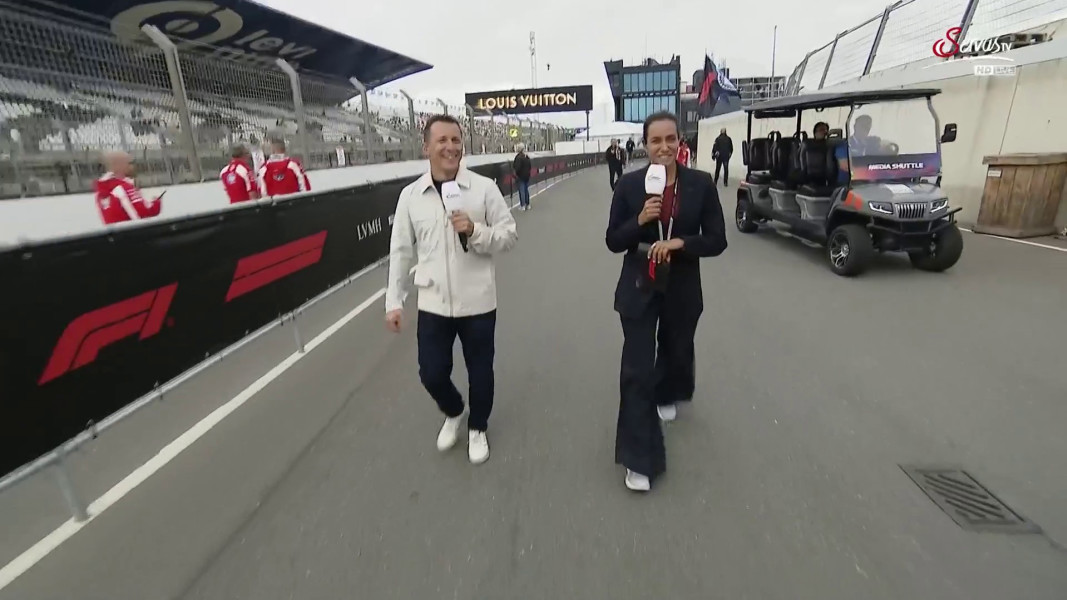
Paddock-Tour: Weite Wege in Zandvoort
22. Aug. | 7:08 Min
Events
All Formula 1 EventsPast Italian Grand Prix
 04.–06.09.2026
Past Spanish Grand Prix
 11.–13.09.2026
Next up Azerbaijan Grand Prix
 24.–26.09.2026
Bahrain Grand Prix
 02.–04.10.2026
Singapore Grand Prix
 09.–11.10.2026
Past Italian Grand Prix
Past Spanish Grand Prix
Next up Azerbaijan Grand Prix
Bahrain Grand Prix
Singapore Grand Prix
Formula Cars News
All News
Newest Articles
All ArticlesNew New New New New