
Formula 1 races will be 15 kilometres shorter in 2027
Next season, Formula 1 races will be two or three laps shorter (depending on track length)! This was decided by the F1 Commission. Here’s what else is set to change for next year.
This article is an automatically generated English version. The

Rennstart in Madrid
Foto: XPB
Rennstart in Madrid
© XPB


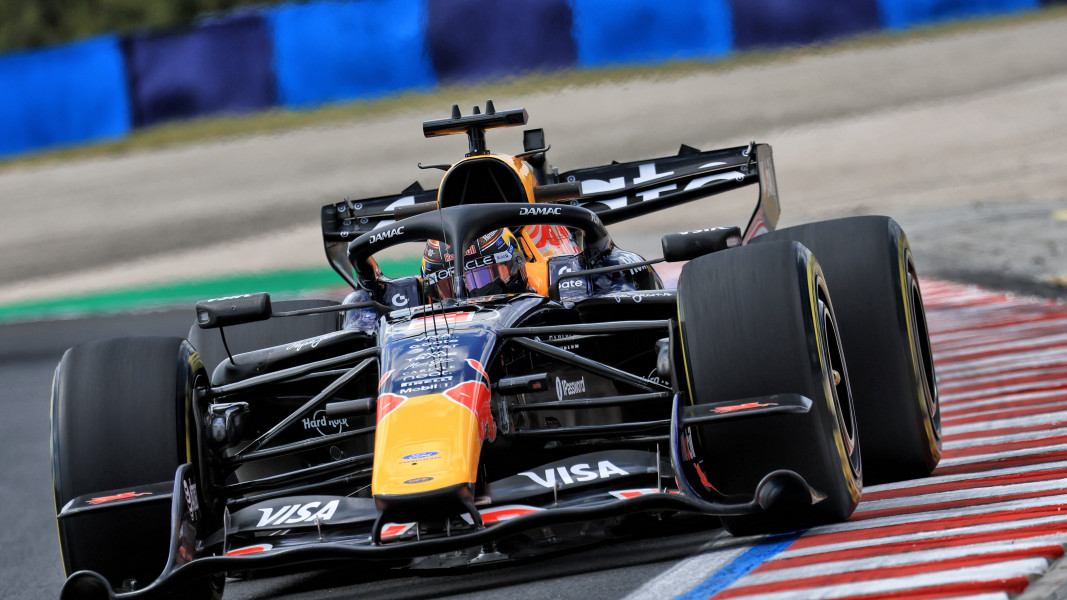
With six Formula 1 races set to take place within seven weeks, Formula 1 and the FIA have made a few more landmark decisions with a view to the coming season. At yesterday’s (Monday, 21 September) meeting of the Formula 1 Commission in London, several rule changes were agreed. Most of these will come into effect in 2027.
The changes in detail
Races will be shorter in 2027! From the current 305 kilometres (or, depending on the length of the circuit, the next value above that which passes the start/finish line), the race distance is to be 15 kilometres shorter from next season onwards. The benchmark will therefore be 290 kilometres instead of 305 (only Monaco is currently shorter anyway, as the circuit is comparatively slow). Depending on the circuit, this means a reduction in race distance of two or three laps. The reason for the shortening is changes already made to the engine regulations (the famous split between the combustion engine and the battery).
New time limit! The FIA and Formula 1 have also agreed on a few changes regarding, for example, races interrupted by rain. In such scenarios, where races had to be halted midway through, a complicated calculation process and a countdown clock were previously required. This is set to become simpler in future. Instead of the previous three-hour mark – including interruptions from the start – races will in future have a fixed end time. The race duration is to remain at a maximum of two hours – only the calculation method is to become simpler and more transparent should interruptions become protracted or numerous.
Free practice sessions are set to become more flexible! If practice sessions are interrupted – usually by red flags following accidents – there will be greater scope for planning in future. Usually, the clock continues to run even during longer interruptions, meaning teams and drivers lose practice time. Only in exceptional circumstances was practice time sometimes extended. This was the case, for example, in Madrid, when there were multiple red flag periods and the circuit was new to everyone. In future, such extensions are to be handled more flexibly
In addition, the homologation of gearboxes for 2027 has been scrapped to grant suppliers freedom to develop, it is reported. To this end, ‘minor’ changes – which were not explained in detail – have been made to the Technical Regulations for 2027, as well as minor adjustments to the Sporting and Financial Regulations for 2026, i.e. for the current season.
Topic of the week
Spanish Grand Prix at the new Madring: track – hit or miss?
The people of Madrid had set their sights high for their city’s first Formula 1 World Championship race since 1981. But have the high expectations for the new Madring mixed-circuit track really been met?
TV Program
As is customary in such proceedings, these decisions still need to be rubber-stamped at the next meeting of the World Motor Sport Council (in just over a month’s time) before they come into force. However, this is largely a formality.
Seen already?
Don't miss out on any highlights: The Speedweek newsletter, sent out twice a week, delivers the latest news, exclusive commentary and all the important dates from the world of motorsports - directly into your inbox
Highlight Videos
ServusTV Media Library
50-Meter-Drama von WM-Maschine eiskalt ausgenutzt!
14. Sept. | 1:36 Min

Mercedes in Monza: Funk verrät Stimmung
7. Sept. | 1:15 Min

4. Sept. | 4:58 Min
Hat Hamilton Mercedes-Heimweh?
24. Aug. | 1:54 Min
Liam Lawson: Markantes Style-Detail!
23. Aug. | 7:14 Min
Paddock-Tour: Weite Wege in Zandvoort
22. Aug. | 7:08 Min

Keine Bitterballen für Andrea & Christian
21. Aug. | 6:00 Min
21. Aug. | 4:44 Min

Formula Cars News
All News


Newest Articles
All ArticlesNew New


