

Formula 1 • New
The Dane Tom Kristensen (59) has won the world’s most legendary sports car race nine times – the 24 Hours of Le Mans. The Audi ambassador analyses the current state of affairs in Formula 1.
This article is an automatically generated English version. The
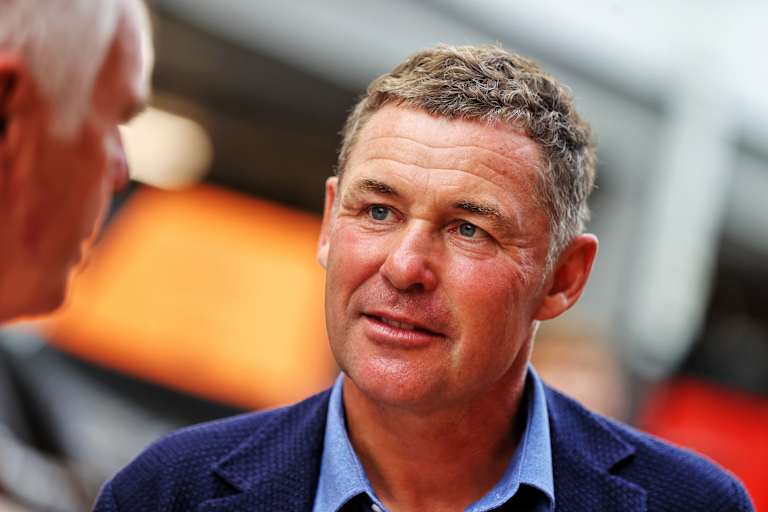
Denmark has produced a modest number of Formula 1 drivers – five, to be precise. Another driver did test F1 cars, but never lined up on the starting grid for a Grand Prix. Every now and then I find myself wondering: what might have happened if Tom Kristensen’s career had taken a different course?
For me, the nine-time winner of the 24 Hours of Le Mans is a talent who has never been given his due in Formula 1. Before the summer break, Tom travelled to the Hungaroring as an Audi brand ambassador and took the time to talk to SPEEDWEEK.com about numerous aspects of the premier class.
Tom, how do you view Formula 1 in the 2026 era – what do you like, and what do you like less? The cars have become more compact and lighter, and you can really see that; I’m very pleased about that. I think these racing cars look really cool. The cars are more agile, and that’s the right direction for Formula 1.
Formula 1 • New


As for the bigger picture, it’s essential that motorsport remains relevant. This new generation of racing cars was set in motion four or five years ago. But things change quickly in Formula 1, with so many very bright minds working behind the scenes.
What I mean by that is: a set of regulations can be drawn up with good intentions, but developments among the engine manufacturers and the teams are progressing so rapidly that the original intentions become outdated. We’ve seen this happen a few times over the years.
Topic of the week
The people of Madrid had set their sights high for their city’s first Formula 1 World Championship race since 1981. But have the high expectations for the new Madring mixed-circuit track really been met?
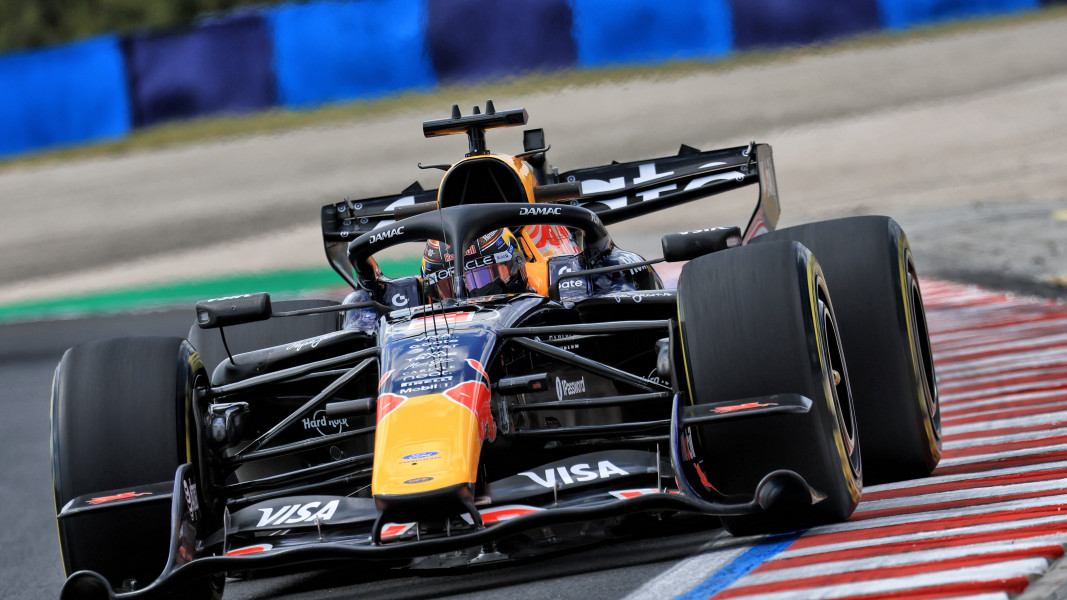
Nevertheless, we’ve seen that the engine manufacturers are struggling to get to grips with these power units – take energy management, for example – as not all the hurdles were overcome right from the start. And I’m saying this from the perspective of the drivers and as a former racing driver. This is more evident on some circuits than on others.
At the Hungaroring, this was much less of an issue than previously at Spa or Silverstone, and we had a good race. The drivers enjoyed the driving more than they did in Belgium or England.
Basically, I find these regulations interesting, but it soon became clear that some fine-tuning was needed in the details, and Formula 1 has already done that together with the FIA.
Stars like Verstappen or Alonso say: overtaking manoeuvres have become arbitrary with all this energy management. What do you think? Well , the task hasn’t changed – you have to manage to cross the finish line first, and to do that you also have to be able to overtake; and as a modern racing driver, you have to be able to adapt to the circumstances.
We did this years ago in endurance racing when hybrid racing cars were introduced in our series. You need the ability to get the best out of everything – not just the car, but your own talent as well.
I think it’s wrong to argue that, in a perfect world, it’s just the accelerator, the brakes and the steering wheel. That’s not how it works these days. Things are simply a bit more complex than they used to be, and now it’s absolutely vital that a driver can adapt to that. If you can’t do that, then you’re finished.
Then there’s this aspect: if you win, everything’s plain sailing; if you don’t win, it’s all a bit frustrating. But the critical drivers do have a point – particularly in the first part of the season and on certain circuits, it all feels a bit artificial.
The sport isn’t better or worse than it used to be; it’s simply different. And amongst the best, there are still those drivers who are adaptable. It’s just as difficult as ever to stay ahead of the pack.
How do you view the progress of World Championship leader Kimi Antonelli? He’s developed brilliantly. I remember the struggles he had during some of the European races in his debut season in 2025. (From the Red Bull Ring to Zandvoort, Kimi scored just one point over five race weekends. M.B.)
I find it fascinating to see how rapidly he’s developed. I can see a few rays of hope in the 2026 Formula 1 World Championship, but for me, Kimi Antonelli is the brightest of them all.
How can the Italian, at just 19 years of age, outshine his experienced Mercedes team-mate George Russell so completely? Age is a tricky thing, because even though the Italian is still a teenager, people mustn’t forget how long he’s been racing and how quickly today’s racing drivers mature.
It’s a funny story that my long-standing Audi team-mate Dindo Capello told me back in 2025. I must have met Kimi during test drives with Audi; we were working on the sports cars at Mugello or Misano, and this little lad turned up on a kick scooter. He gushed in Italian about how brilliant he thought our Le Mans race cars were.
And he told Dindo and me that one day he wanted to race at Le Mans. He was out and about with his father Marco; Kimi was a five-year-old kart driver at the time, and I didn’t know who he was. But I could sense that this was a boy with clear goals and brimming with passion.
Then I bumped into him on the starting grid; he wasn’t a GP rider yet, but it was already clear where his path was leading – that was about four years ago. He came up to me, introduced himself and said hello. He knew exactly who I was. Clearly a young man with an interest in the sport that goes beyond the obvious. I found that interesting.
Ahead of the 2025 season, I must admit, I was a bit nervous when he was promoted to Formula 1 so quickly. Toto Wolff gave him every opportunity at Mercedes, but despite all his talent, it was also a bit of a risk.
That became apparent that summer, when his performances weren’t up to scratch and the results weren’t there. That was a critical point in his career. But he fought his way out of it.
He’s clearly more at home with the 2026 cars than with the previous generation of race cars. Today, he’s brimming with confidence. Just look at the footage from the final laps of a race like the one in Monaco, the way he throws the car round the corners – you can only do that if you’re in tune with the car and have all the confidence in the world.
We’ve spoken before about the criticism of these cars. I’m convinced that if you’re in the right frame of mind, you automatically drive better – including when it comes to energy management. With these cars, you need the steady throttle control of a driver who believes firmly in himself. And with great self-confidence, you can cope better with pressure and drive better. We see that with drivers in other teams too.
Don't miss out on any highlights: The Speedweek newsletter, sent out twice a week, delivers the latest news, exclusive commentary and all the important dates from the world of motorsports - directly into your inbox
2026
2025
2024
2023
1
292
2
211
3
191
4
186
5
167
6
145
7
120
8
71
9
59
10
41
„Der GRÖSSTE Bock von Hamilton"!
22. Sept. | 1:53 Min
50-Meter-Drama von WM-Maschine eiskalt ausgenutzt!
14. Sept. | 1:36 Min
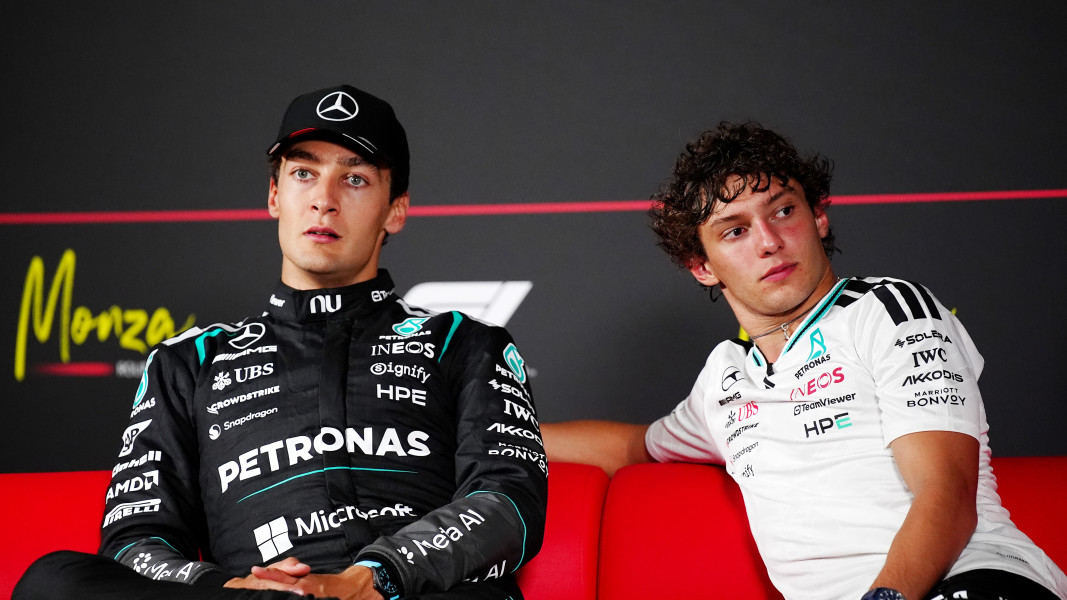
Mercedes in Monza: Funk verrät Stimmung
7. Sept. | 1:15 Min

4. Sept. | 4:58 Min
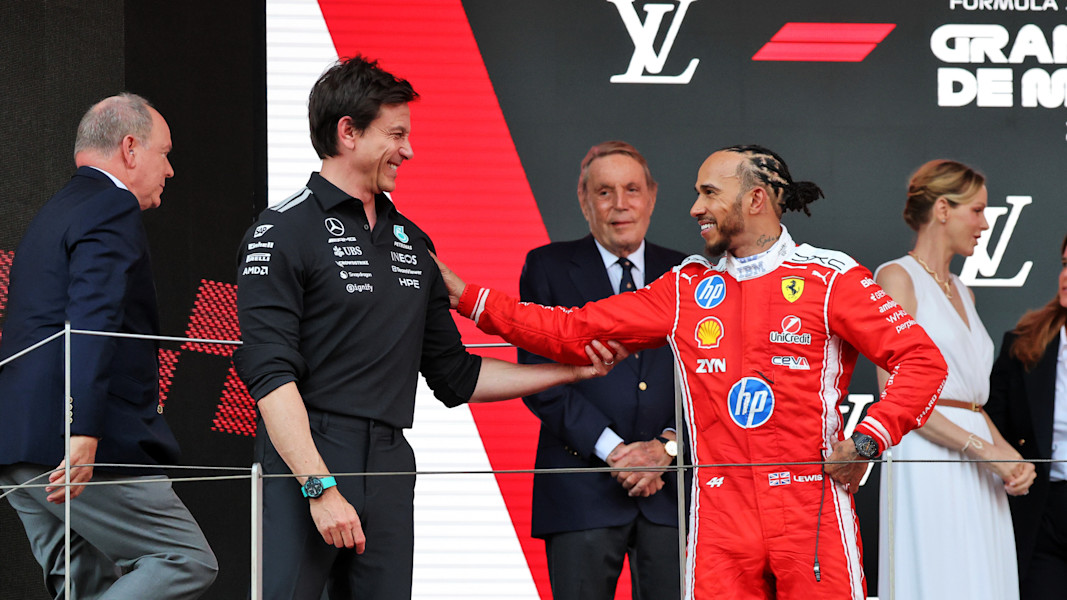
Hat Hamilton Mercedes-Heimweh?
24. Aug. | 1:54 Min
Liam Lawson: Markantes Style-Detail!
23. Aug. | 7:14 Min
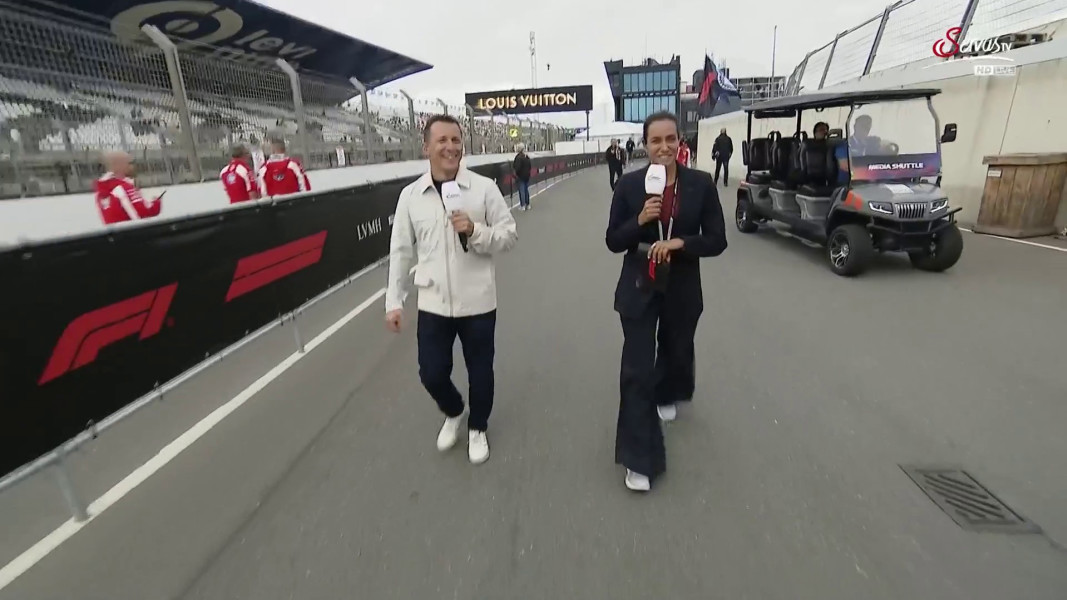
Paddock-Tour: Weite Wege in Zandvoort
22. Aug. | 7:08 Min
Keine Bitterballen für Andrea & Christian
21. Aug. | 6:00 Min






The latest news around the clock, analyzed and commented on by experts, with exclusive behind-the-scenes insights. Here, fans write for fans.


