The myth of the summer break: no work at the Formula 1 teams? Not a chance!
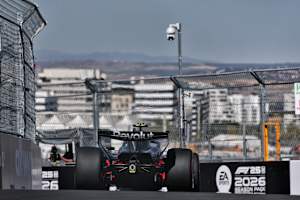
It’s one of the myths of Formula 1: the summer break, when work comes to a standstill between races from late July to late August. There’s just one problem with this – work certainly doesn’t come to a standstill.
This article is an automatically generated English version. The
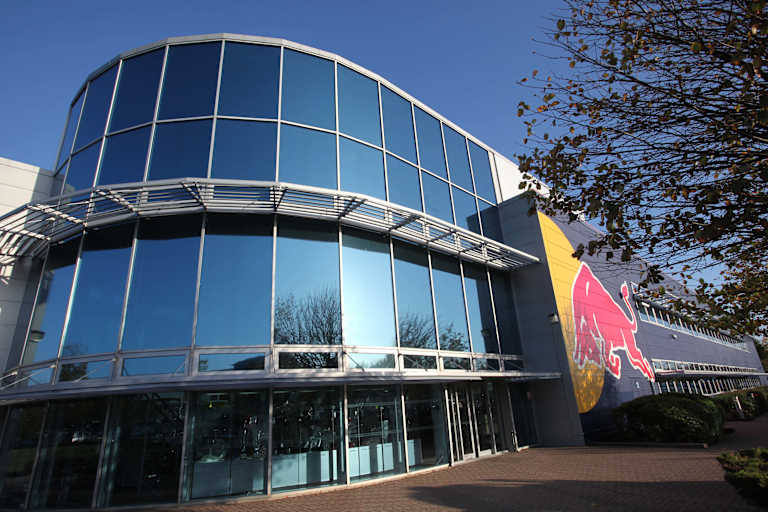
Das Rennwagenwerk von Red Bull Racing in Milton Keynes
Foto: XPB
Das Rennwagenwerk von Red Bull Racing in Milton Keynes
© XPB


The Hungarian Grand Prix took place on 26 July, and on Friday 21 August, the premier class will be back in action with the sprint weekend at Zandvoort in the Netherlands.
We are currently in the summer break, which most fans believe means that the teams’ staff take two weeks’ holiday and work at the race car factory comes to a standstill. But that isn’t entirely accurate. The Formula 1 summer break is a myth.
Long-serving Haas team principal Günther Steiner explained it as follows: “Basically, it’s quite simple. All work on the car is prohibited during the break. There’s no development. There’s no manufacturing. But the administrative side doesn’t stop, of course. After all, you still have to pay the bills and sort out the staff’s salaries.”
Also unaffected are, for example, tyre tests such as those carried out by Pirelli following the Grand Prix at the Hungaroring (with Audi, Alpine and Aston Martin).
Also excluded are test drives with young drivers for training purposes, known as TPC (testing with previous cars), which are carried out using race cars from previous years.
Topic of the week
Spanish Grand Prix at the new Madring: track – hit or miss?
The people of Madrid had set their sights high for their city’s first Formula 1 World Championship race since 1981. But have the high expectations for the new Madring mixed-circuit track really been met?
TV Program
The summer break was introduced to give the hard-working staff a breather and allow them time with their loved ones. Years ago, the then FOTA (Formula One Team Association) introduced a self-imposed restriction; the teams virtually shut down operations, and since 2014 the summer break has been enshrined in the Formula 1 sporting regulations.
To elaborate on Günther Steiner’s comments: anything to do with the deployment of a racing car or its performance is prohibited. No parts are manufactured, not even by third-party firms. No cars may be assembled. There is no wind tunnel work for this year’s or future race cars; the computers used for flow calculations fall silent. Management is not permitted to carry out any work relating to the team’s operations at the race venue, such as flight or hotel bookings.
And what is permitted? External commissions from clients in the team’s own wind tunnel are allowed. Work may also be carried out on the infrastructure – on buildings or in the IT department, including the wind tunnel. This includes all administrative work not directly related to racing operations, as explained by Steiner from South Tyrol.
According to the regulations, it is therefore clear what is and isn’t permitted. Some SPEEDWEEK.com readers take this a step further and ask the obvious question: but who actually monitors this?
So a few years ago, I followed this up with the FIA. A senior official told me at the time: “Nobody. There are no spot checks, and there’s no access to the factory. We trust that the team principals, as those in charge, will adhere to the regulations.”
A team manager, who prefers to remain anonymous, elaborated: “Of course I have my doubts that everyone is fully complying with the summer break. Even if there were spot checks at the factory – who’s going to check what staff are doing at home?”
“But trying to cheat here carries major risks. For me, the biggest danger of getting caught is the so-called whistleblowers. There are constant staff changes between the teams, and it’s easy for an employee to leave the company in a huff and potentially snitch on their former team.”
“Or there could be a leak from third-party firms – companies that work for various racing teams. Being caught would be extremely embarrassing for the whole of Formula 1 and, in particular, for the team concerned. Potential whistleblowers are the FIA’s best guarantee that the teams are complying with the regulations.”
Seen already?
Don't miss out on any highlights: The Speedweek newsletter, sent out twice a week, delivers the latest news, exclusive commentary and all the important dates from the world of motorsports - directly into your inbox
Championship Standings
Full Standingsorg-location for [2026] 2026
2026
2025
2024
2023
Pos
Driver
Team
Points
1


292
2

211
3


191
4


186
5

167
6


145
7

120
8

71
9


59
10


41
Highlight Videos
ServusTV Media Library„Der GRÖSSTE Bock von Hamilton"!
22. Sept. | 1:53 Min
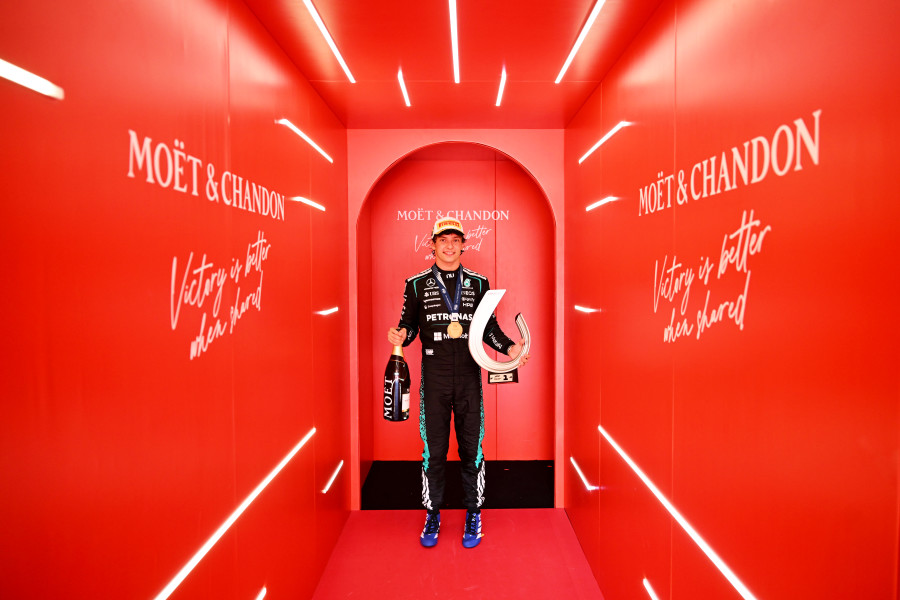
50-Meter-Drama von WM-Maschine eiskalt ausgenutzt!
14. Sept. | 1:36 Min
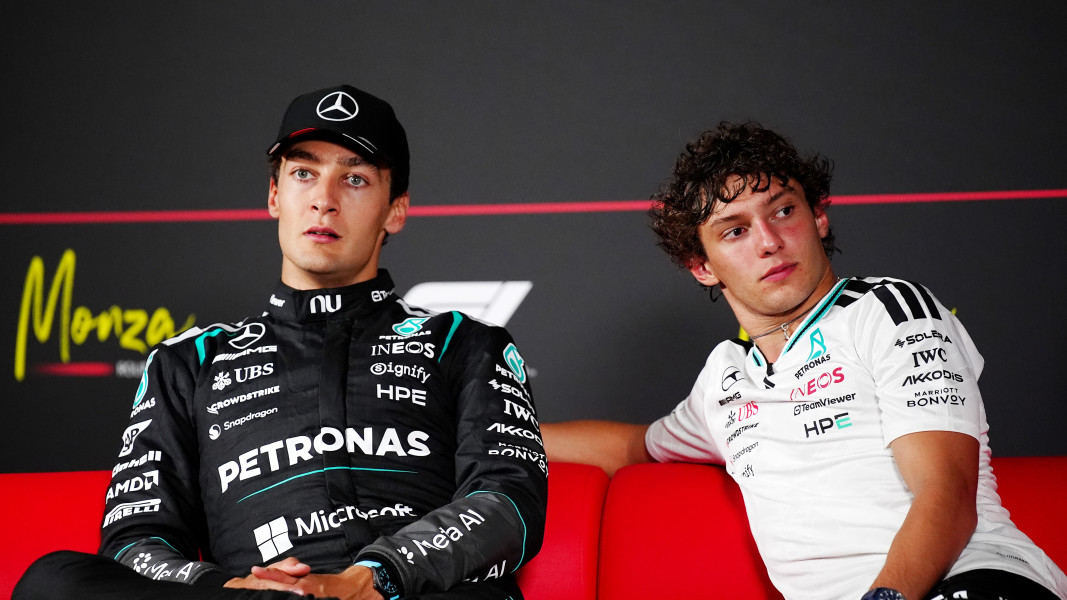
Mercedes in Monza: Funk verrät Stimmung
7. Sept. | 1:15 Min

4. Sept. | 4:58 Min
Hat Hamilton Mercedes-Heimweh?
24. Aug. | 1:54 Min
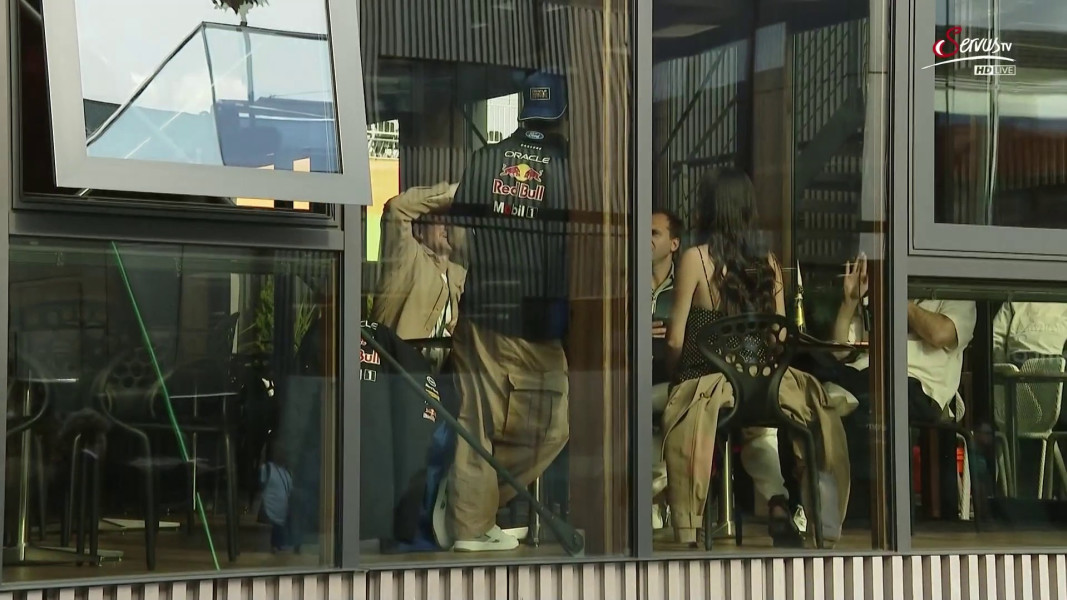
Liam Lawson: Markantes Style-Detail!
23. Aug. | 7:14 Min
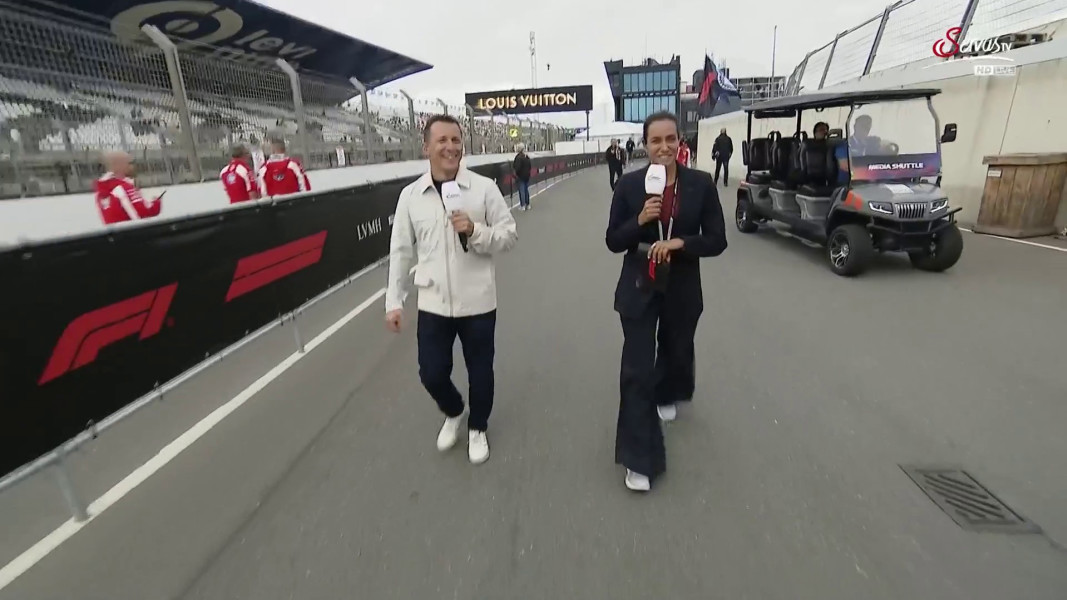
Paddock-Tour: Weite Wege in Zandvoort
22. Aug. | 7:08 Min
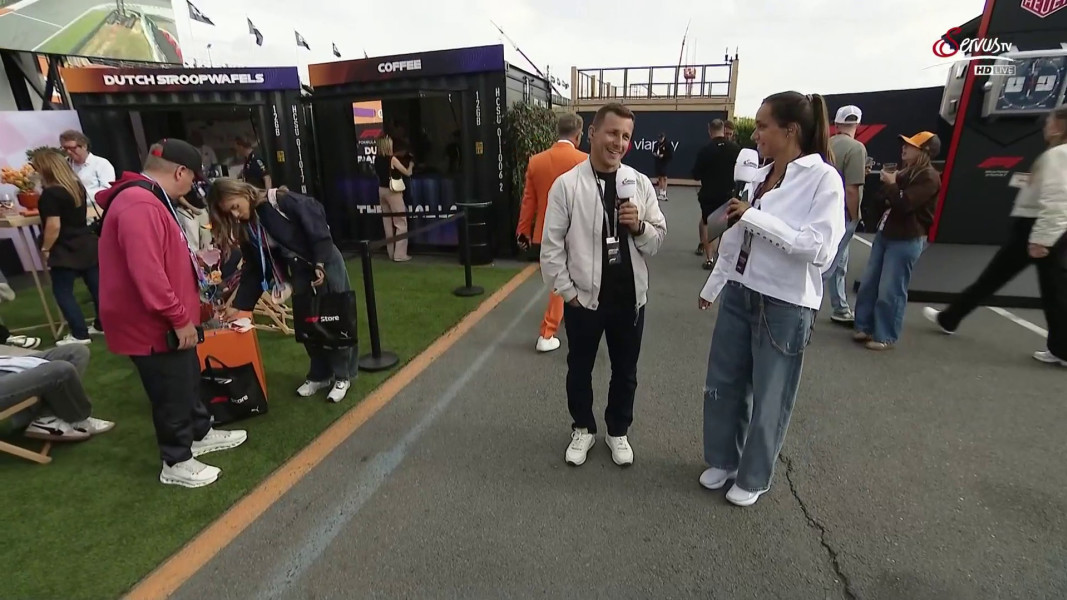
Keine Bitterballen für Andrea & Christian
21. Aug. | 6:00 Min
Events
All Formula 1 EventsPast Italian Grand Prix
 04.–06.09.2026
Past Spanish Grand Prix
 11.–13.09.2026
Next up Azerbaijan Grand Prix
 24.–26.09.2026
Next up Bahrain Grand Prix
 02.–04.10.2026
Singapore Grand Prix
 09.–11.10.2026
Past Italian Grand Prix
Past Spanish Grand Prix
Next up Azerbaijan Grand Prix
Next up Bahrain Grand Prix
Singapore Grand Prix
Formula Cars News
All News
Newest Articles
All ArticlesNew New New New