
Piastri (McLaren) criticises F1 engine regulations: “That’s really annoying”
The new Formula 1 engine regulations, due to come into force in 2026, are the subject of ongoing controversy. McLaren driver Oscar Piastri had some clear words to say after the race at Spa. What might promise an improvement...
This article is an automatically generated English version. The

Oscar Piastri fährt seine vierte Formel-1-Saison
Foto: XPB
Oscar Piastri fährt seine vierte Formel-1-Saison
© XPB


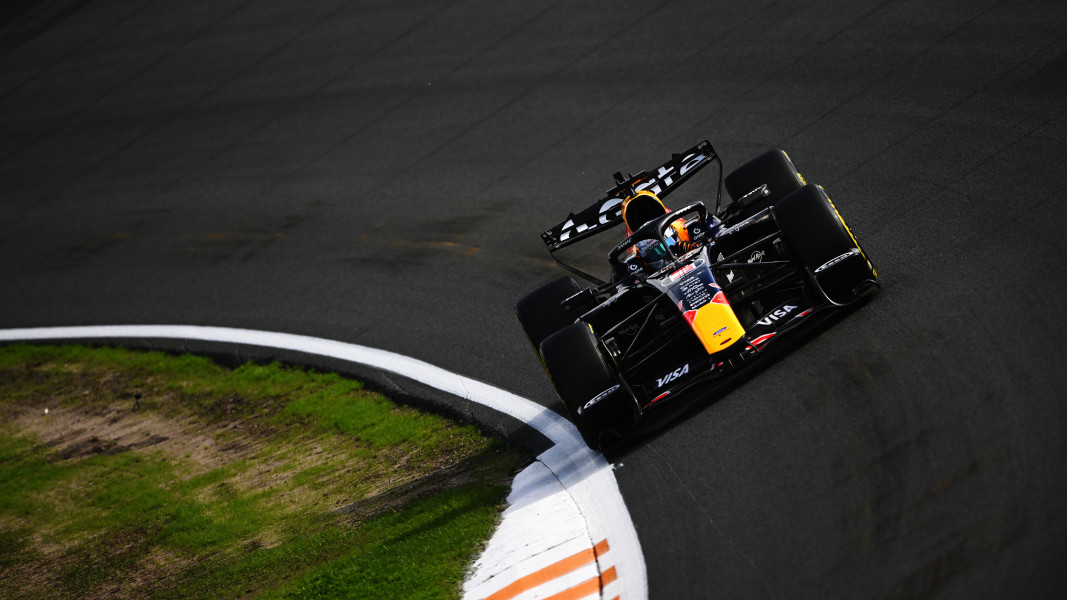
Formula 1’s new engine regulations are ensuring exciting and varied racing on the track. There are a comparatively large number of overtaking manoeuvres, and the lack of reliability under the new regulations adds an extra element of excitement for spectators. And teams, engine manufacturers and drivers are still in the process of getting to grips with the new regulations. This makes for exciting viewing – but is often frustrating for the teams and drivers themselves. At Spa, charging the batteries was particularly tricky due to the long straights and fast corners.
Even after the tenth race weekend of the new season (under the new regulations for chassis and engines), the power units continue to pose a mystery. Even shortly before the summer break, engine manufacturers and teams still have many questions about the intricacies and quirks of the new energy management system. Performance fluctuates – exactly how and when the batteries charge is consistently difficult to predict (see Russell’s battery problems at the start in Spa).
“It’s really annoying”
How does it feel for a racing driver not to fully understand how the cars’ energy management system works? McLaren driver Oscar Piastri puts it bluntly: “It’s really annoying. I really can’t put it any other way.”
Recommendations
How big a role does the computer play?
The Australian illustrates the problem: “If the race grid is determined by a computer that behaves well one moment and badly the next, that’s a pretty lousy way to race.” After all, it’s still not always clear how modern power units behave under different conditions.
Piastri: “Of course, it’s being greatly exaggerated and made to seem even worse than it is. But when you look at all the corners after a qualifying session and realise: I’m on a par with my team-mate – and in the end I’m two tenths behind, that’s not a particularly nice feeling.”
The 2027 MotoGP grid will feature five new regular riders, with at least three of those dropped set to move to the World Superbike Championship. The ones to suffer as a result are Alvaro Bautista and Danilo Petrucci.
TV program
Hopes for improvement
The problem behind these misjudgements and the confusion lies in the new regulations, which are extremely complex and involve a lot of energy recovery. Piastri: “That’s deeply ingrained in these engines. Of course, things will improve once all the manufacturers understand the engines better. And it’s not just a problem for us or Mercedes, but a problem with all the engines, as I’ve spoken to some of the other drivers. But the fact that it’s a problem at all is quite frustrating, and not just for me.” McLaren is supplied with engines by Mercedes.
Speaking somewhat resignedly after the Belgian Grand Prix, Piastri said: “The engines are so complicated. They’re sensitive to everything, and even things you do on a cool-down lap can determine how the rest of the race goes – so it’s a very tricky way to race.” Varied and entertaining for the fans – but often frustrating for the drivers.
Seen already?
Don't miss out on any highlights: The Speedweek newsletter, sent out twice a week, delivers the latest news, exclusive commentary and all the important dates from the world of motorsports - directly into your inbox
Highlight videos
ServusTV media library
Mercedes in Monza: Funk verrät Stimmung
7. Sept. | 1:15 Min
6. Sept. | 34:42 Min
6. Sept. | 1:13 Min
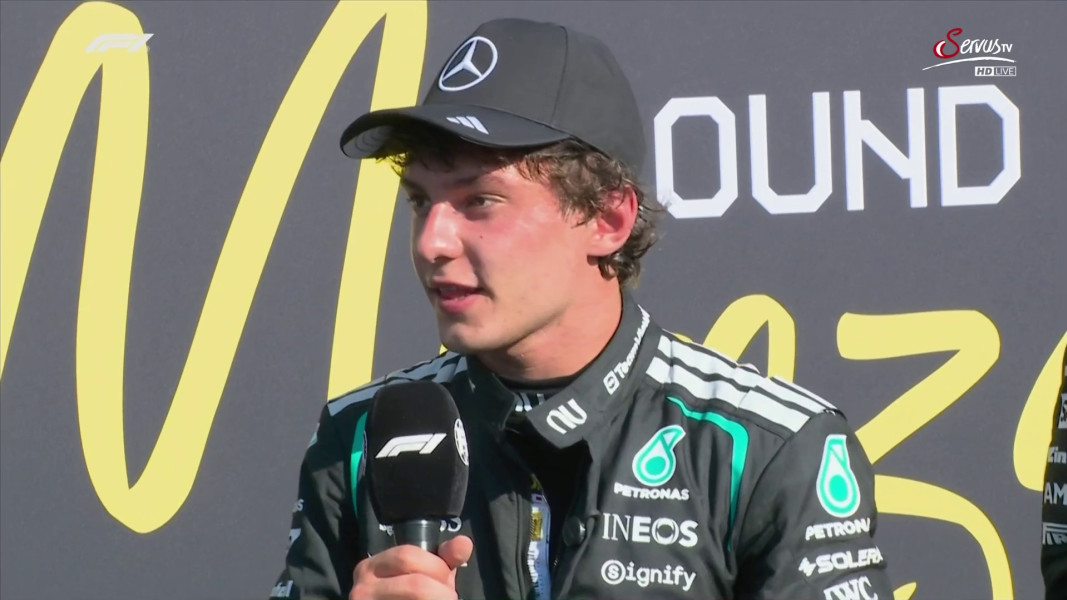
Antonelli: „Ein Traum ist für mich wahr geworden“
6. Sept. | 5:15 Min
6. Sept. | 2:51 Min
Zweikampf endet mit Kiesbett-Ausflug
6. Sept. | 1:47 Min
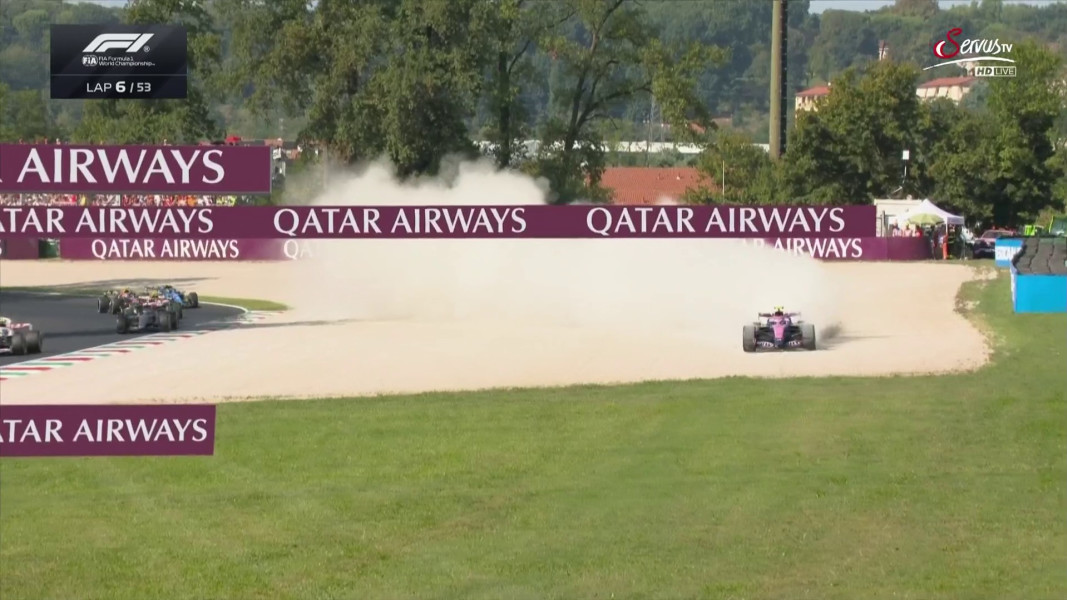
Colapinto versenkt Topplatzierung im Kiesbett
6. Sept. | 1:10 Min
6. Sept. | 3:43 Min
Formula Cars News
All News


Newest Articles
All ArticlesNew New New New New


