
Controversy following penalty chaos in Monaco: warning from GP veteran Martin Brundle
The stewards have caused discontent and a stir by overturning Pierre Gasly’s penalties in Monaco. Martin Brundle warns: “It’s a mess for which there is no easy solution.”
This article is an automatically generated English version. The

Martin Brundle: Der Monaco-GP wird uns noch eine Weile beschäftigen
Foto: Moy / XPB Images
Martin Brundle: Der Monaco-GP wird uns noch eine Weile beschäftigen
© Moy / XPB Images


Throughout the Monaco weekend, an unusually high number of penalties were handed out for exceeding the speed limit in the pit lane, which is particularly narrow in the tiny principality, meaning that the Grand Prix stars are only allowed to drive through it at a maximum of 60 km/h. On race day alone, six offences were reported, each resulting in a 5-second penalty.
Several drivers were affected, but foremost among them was Pierre Gasly, who was handed a 5-second time penalty on two separate occasions. The Frenchman did not serve these penalties, which is why the penalty seconds were added to his race time after the chequered flag had fallen – initially dropping him from third to seventh place.
Alpine’s decision angers rivals
Alpine appealed against the penalties – and, against expectations, was successful. The FIA stewards admitted to a measurement error and rescinded the penalties. This, in turn, caused discontent amongst his rivals, and McLaren, Red Bull Racing and, initially, Mercedes called for a review of the new race result. Mercedes withdrew its appeal, as the FIA announced yesterday, Friday evening.
In the view of F1 veteran Martin Brundle, the FIA has made life difficult for itself with its decision on the Gasly penalties. He writes in his analysis on ‘Skysports.com’: ‘This is a very complicated and awkward decision. Other drivers have served their penalties and adjusted their strategies accordingly; George Russell’s race was even ruined as a result, but because these were not penalties imposed after the race, nothing has changed for them.”
A precedent for future penalties
The former F1 driver also warns: “This also sets a precedent whereby minor penalties are not served during the race in order to preserve the right to challenge them after the chequered flag has been waved. The whole thing is quite a mess, for which there is no easy solution.”
Topic of the week
Spanish Grand Prix at the new Madring: track – hit or miss?
The people of Madrid had set their sights high for their city’s first Formula 1 World Championship race since 1981. But have the high expectations for the new Madring mixed-circuit track really been met?
TV Program
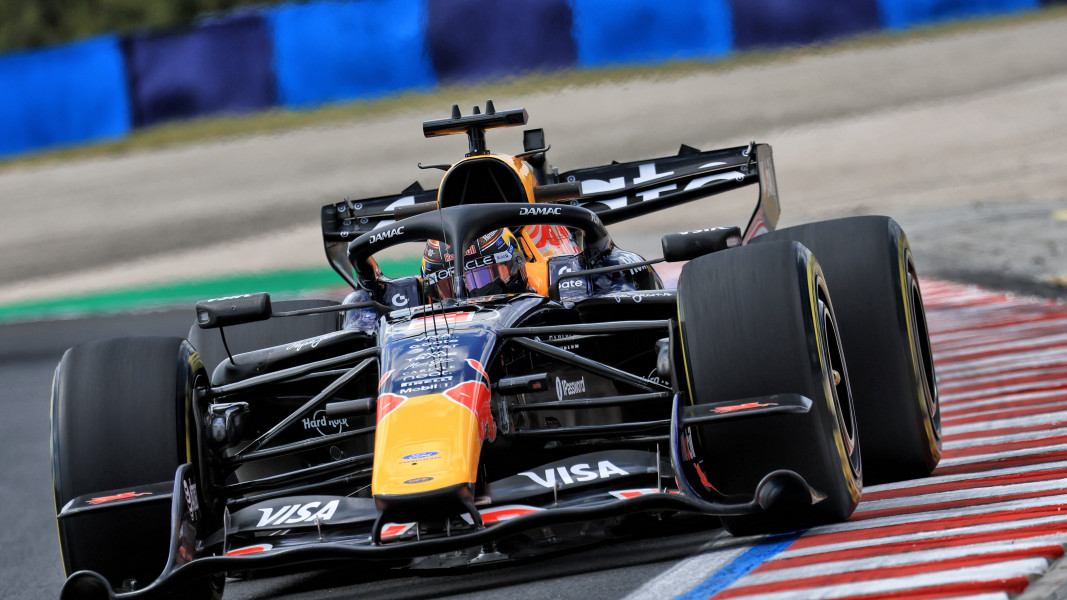
And Brundle emphasises: “As it turned out, one of the timing loops in the Monaco pit lane was 77 cm shorter than calibrated, which is why numerous speeds of 60.1 km/h were recorded, even though the limit was 60 km/h. Lessons will undoubtedly be learnt from this, and the story will probably remain a talking point for some time to come.”
Seen already?
Don't miss out on any highlights: The Speedweek newsletter, sent out twice a week, delivers the latest news, exclusive commentary and all the important dates from the world of motorsports - directly into your inbox
Highlight Videos
ServusTV Media Library„Der GRÖSSTE Bock von Hamilton"!
22. Sept. | 1:53 Min
50-Meter-Drama von WM-Maschine eiskalt ausgenutzt!
14. Sept. | 1:36 Min
Mercedes in Monza: Funk verrät Stimmung
7. Sept. | 1:15 Min

4. Sept. | 4:58 Min
Hat Hamilton Mercedes-Heimweh?
24. Aug. | 1:54 Min
Liam Lawson: Markantes Style-Detail!
23. Aug. | 7:14 Min
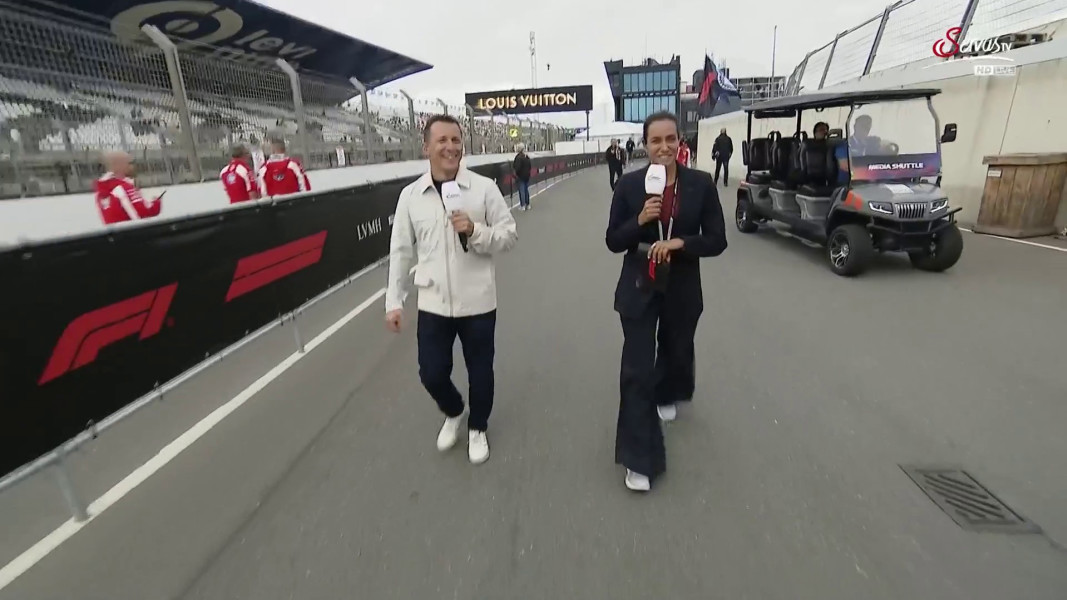
Paddock-Tour: Weite Wege in Zandvoort
22. Aug. | 7:08 Min
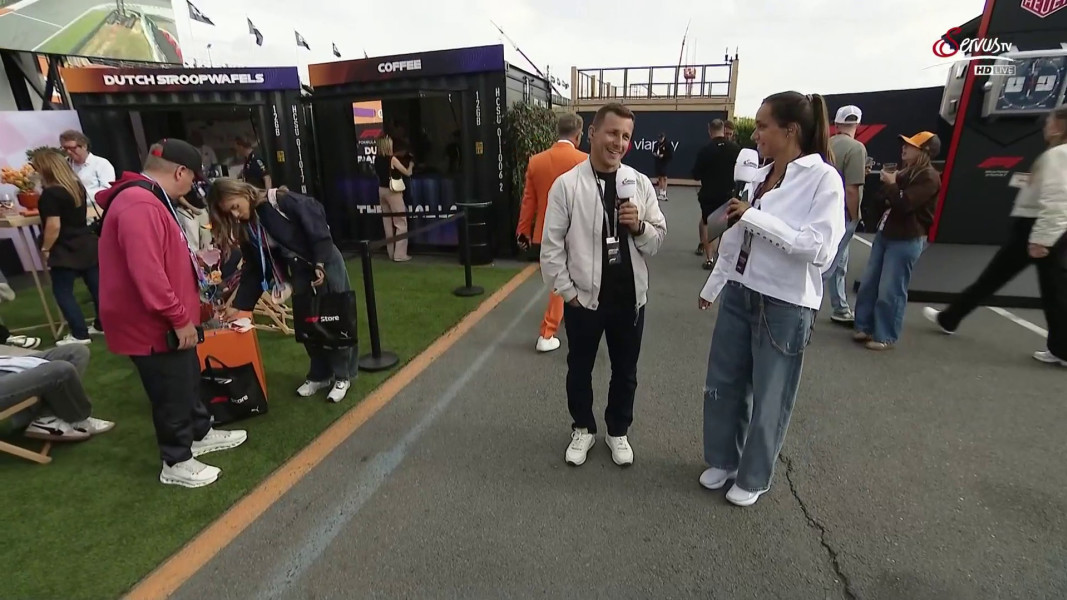
Keine Bitterballen für Andrea & Christian
21. Aug. | 6:00 Min
Formula Cars News
All News


