
Zandvoort 1975: How James Hunt (Hesketh) defeated Niki Lauda in the Ferrari
Fifty-one years ago, something happened that would be almost unthinkable today: a party crew, led by the hard-drinking James Hunt, beat the mighty, proud Ferrari driven by the Austrian Niki Lauda at Zandvoort.
This article is an automatically generated English version. The

James Hunt 1975 in Zandvoort auf dem Weg zu seinem ersten GP-Sieg
Foto: Grand Prix Photo
James Hunt 1975 in Zandvoort auf dem Weg zu seinem ersten GP-Sieg
© Grand Prix Photo


When Alexander Fermor-Hesketh, the third Lord Hesketh, entered Formula 1, the British Grand Prix elite turned up their noses, as if to say: ‘What are these clowns doing here?’ The answer came as a shock.
Hesketh Racing, a troupe of mavericks who thoroughly ruffled the GP elite’s pomaded hair from day one, a team of people who seemed to be throwing money about, led by a very young lord, behind the wheel a seasoned veteran with a reputation for cold-forming countless racing cars and lowering even more ladies’ cars, the company headquarters a stately home, team members who clearly enjoyed their work and laughed unashamedly – good heavens, where on earth would it all end?
Hesketh got on the established racing teams’ nerves so thoroughly with his fresh approaches, much like Benetton or Red Bull Racing would later do.
Recommendations
Here were men (and women) at work who seemed to potter about the day away with complete carefree ease, but behind the façade of helicopters, yachts and guest areas where fine Champagne flowed, lay experts with a diamond-hard determination to succeed. It took the establishment a while to realise this.
Hesketh has long since achieved cult status; even today, fans can still be seen walking around at modern-day Formula 1 races wearing Hesketh T-shirts. No wonder, for the meteoric rise of the ‘world’s greatest little racing team’ – as Hesketh self-deprecatingly called his squad – remains unique to this day.
Topic of the week
Topic of the week: MotoGP’s new schedule proved highly controversial
In 2027, MotoGP will also enter the 850cc era with a new schedule. It was not so much the changes themselves as the way the decisions were reached that caused a stir. A prime example of: ‘Talking helps’.
TV Program
Formula 1 had reached a crossroads in the early 1970s. Bernie Ecclestone was trying to turn the motley crew into a unified circus; the sport was becoming more professional, but fortunately there was still plenty of scope for individuality.
The racing cars became the world’s fastest advertising hoardings, whilst team owners tried to offset the rapidly rising costs with money from sponsors.
A patriotic aristocrat, aged 22, wanted to restore a certain balance. Virtually no sponsors. Instead, a white car, privately funded.
At the wheel was James Hunt from England, whom the media had dubbed the unflattering nickname ‘Hunt, the Shunt’ (Hunt, the Crash) following a few off-track excursions.
Hesketh and Hunt hit it off early on, took an immediate liking to one another, pottered about together in Formula 3, followed by a brief detour into Formula 2, but at that point the realisation dawned: if they were going to spend money anyway, why not do so on the very big stage?
And so, after a meteoric rise, Hesketh did indeed make his Formula 1 debut in a March car, scored points in the second round of the World Championship (France 1973) and, at the end of the year, came within a hair’s breadth of winning the United States Grand Prix (finishing second behind Ronnie Peterson in a Lotus).
Alexander Hesketh managed to mould a group of outstanding mavericks into a team: starting with his friend Bubbles Horsley, through to designer Harvey Postlethwaite, engineer Nigel Stroud, chief mechanic Dave “Beaky” Sims, and at the wheel, the ladies’ man James Hunt, who was as nervous as a racehorse before the race – so much so that the Brit would sometimes retreat to a quiet corner to relieve himself.
The established racing teams couldn’t for the life of them understand how Hesketh had managed to break into their elite circle in such a short space of time, why these blokes put on a more glamorous show than they did, why this lot were always in such a bloody good mood, and why these pesky blokes were also top-class racers.
But caviar and oysters with champagne, a Rolls-Royce in the paddock and VIPs flying in by helicopter right into the heart of the paddock – all this masked just how serious this team was about Formula 1, initially with Hunt in a second-hand March, which was soon significantly modified (the March, not Hunt).
For the 1974 season, the team built its own car and – shockingly! – not in a proper racing car factory, but in the converted stables on Lord Hesketh’s estate in Easton Neston.
The shock ran even deeper when Hunt won the International Trophy (a Formula 1 race not counting towards the World Championship); on several occasions in 1974, Hunt narrowly missed out on a Grand Prix victory.
The up-and-comers’ finest hour came in the Netherlands in 1975, when James Hunt defeated Ferrari star Niki Lauda – narrowly, but decisively.
Lauda was the one who was most pleased for Hunt; their rivalry was a media invention; in reality, the two liked and respected each other.
Only in fairy tales does everything continue so wonderfully, with them living happily ever after, and so on and so forth.
Reality caught up with Hesketh brutally: finances dwindled; at first, the Lord snobbishly refused to take on any sponsors, then he couldn’t find any when he needed the money to keep the car competitive.
A long decline began; Hunt had long since moved on to McLaren, where he became World Champion in 1976, in a head-to-head battle with Niki Lauda in the Ferrari, whilst the team crumbled.
Thanks to its unique concept (including its iconic teddy bear logo), Hesketh Racing has captured the imagination of enthusiasts all over the world and remains to this day one of the most memorable and charismatic names in the history of Formula 1.
Seen already?
Don't miss out on any highlights: The Speedweek newsletter, sent out twice a week, delivers the latest news, exclusive commentary and all the important dates from the world of motorsports - directly into your inbox
Highlight Videos
ServusTV Media Library
Der Schweige-Code von Singapur!
12. Okt. | 3:27 Min
Sprint, Pole und Sieg für Verstappen?
11. Okt. | 3:09 Min
10. Okt. | 3:06 Min
10. Okt. | 4:06 Min
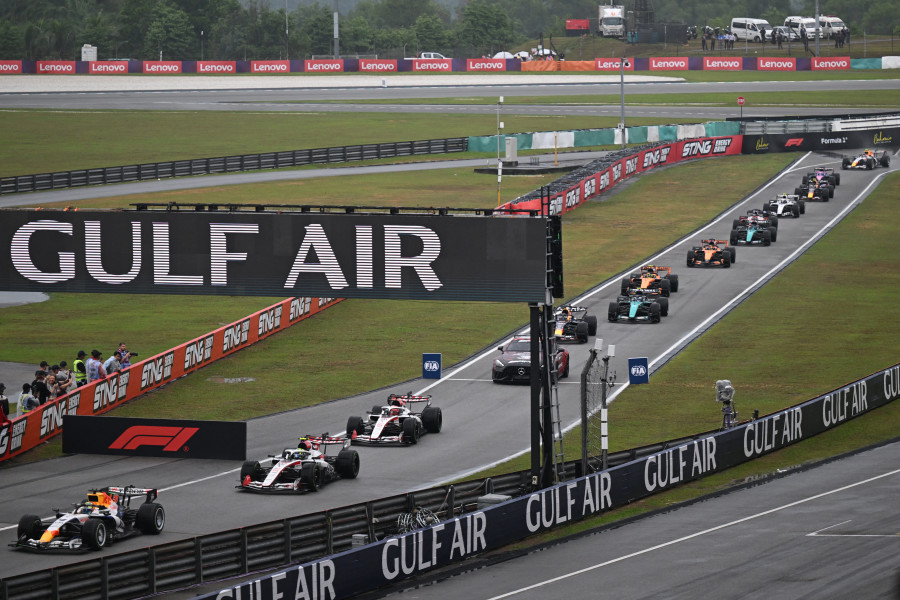
Peinlicher Software-Fehler & Schleich-Modus!
5. Okt. | 3:05 Min
„Alonso hat noch eine Rechnung offen!“
2. Okt. | 16:27 Min
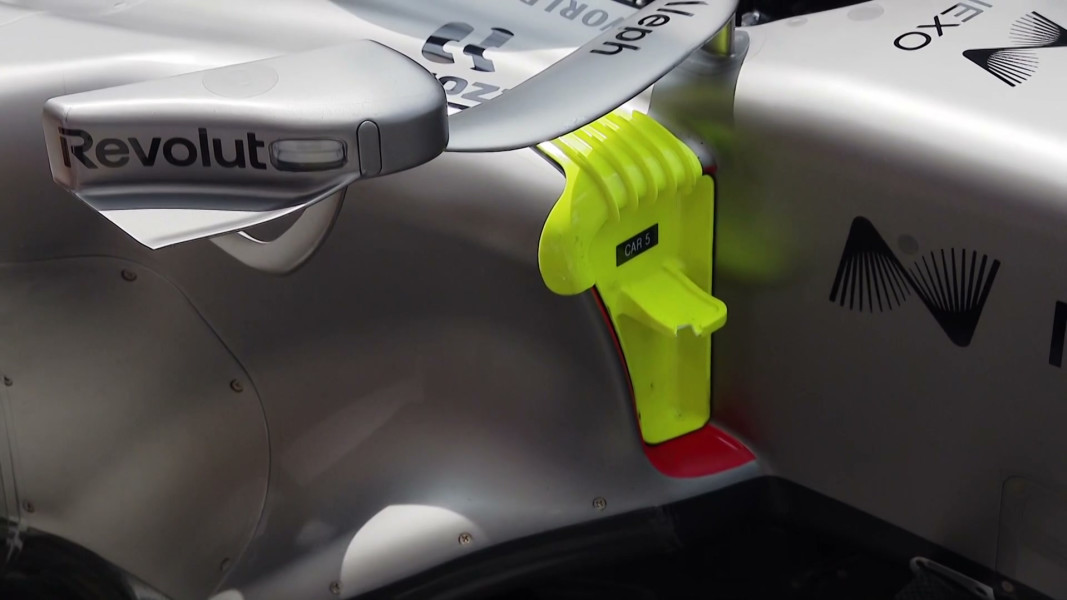
Neu: Neongelbe Audi-Abdeckungen! | Klien erklärt
2. Okt. | 4:30 Min
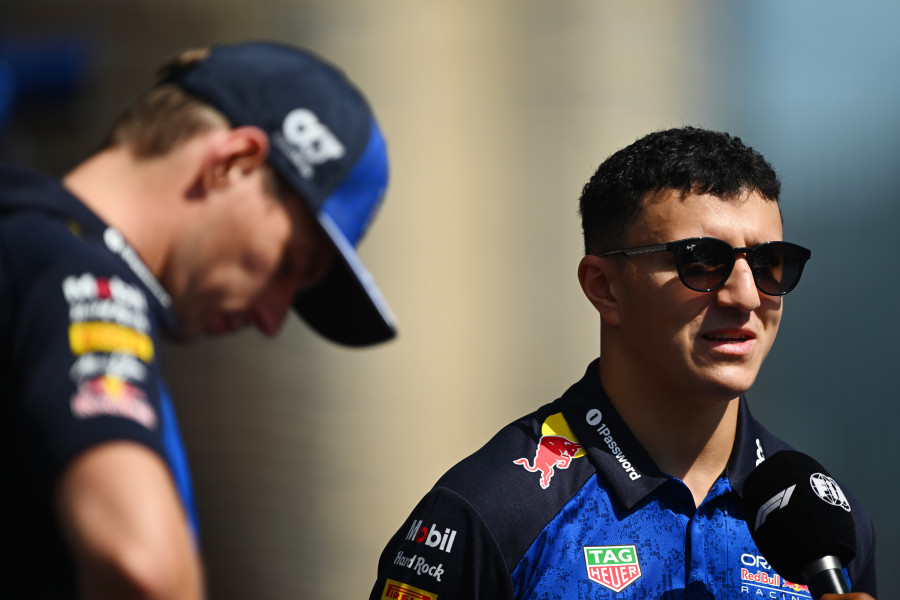
Trotz Verstappen-Befehl: Hadjar macht Druck!
27. Sept. | 1:44 Min
Formula Cars News
All News


Newest Articles
All ArticlesNew New New New New New New New


