
Our new quiz: Racing Rarities – A crazy idea comes to a spectacular end
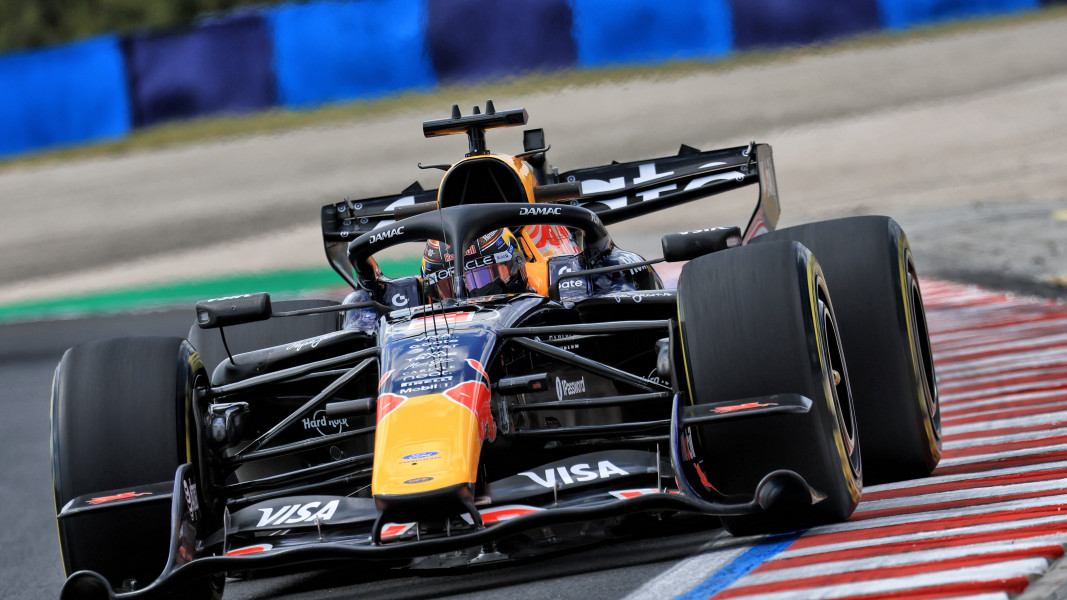
The new puzzle shows a Formula 1 racing car with a rather unusual radiator layout. Who can be seen here in the pits? Where and when was the photo taken? Why not have a go yourself!
This article is an automatically generated English version. The



Wer ist hier zu sehen? Wann und wo wurde das Bild geschossen?
Foto: Grand Prix Photo
Wer ist hier zu sehen? Wann und wo wurde das Bild geschossen?
© Grand Prix Photo
Mostly drawn from the archives of our photo partners XPB and Grand Prix Photo, every week from Tuesday we present a little piece of motorsport history. Tell us who is pictured (Example: Jo Siffert, Monza, 1970) and join in the guessing game for the honour of it – there’s nothing to be won. Send your answer to: mathias.brunner@speedweek.com. The closing date for entries is midnight on Sunday of the current week.
Entry is free of charge. The competition is open to anyone aged 18 or over. Employees of the participating companies are excluded. The decision is final.
Any data provided as part of the quiz will be used solely for the purposes of running the competition and will not be passed on to third parties. Further information can be found in our privacy policy.
Here’s a hint for the new puzzle: it’s a daft idea, as this arrangement of radiators never caught on in Formula 1.
Our clue for the final task was: ‘An example of poor timing.’ Pictured is Lance Reventlow’s Scarab during practice for the 1960 Dutch Grand Prix at Zandvoort. The clue referred to the fact that the Americans built a front-engined racing car at a time when it had long been clear that the trend was moving towards mid- and rear-engined cars.
Topic of the week
Spanish Grand Prix at the new Madring: track – hit or miss?
The people of Madrid had set their sights high for their city’s first Formula 1 World Championship race since 1981. But have the high expectations for the new Madring mixed-circuit track really been met?
TV Program

Lance Reventlow mit seinem Scarab in Zandvoort 1960
Foto: Grand Prix Photo
Lance Reventlow mit seinem Scarab in Zandvoort 1960
© Grand Prix Photo
Lawrence ‘Lance’ Graf von Haugwitz-Hardenberg Reventlow was the great-grandson of Winfield Woolworth, the founder of the famous US department store chain, and the only child of Barbara Hutton, the sole heiress to the Woolworth fortune, and Kurt von Haugwitz-Hardenberg. Lance held two passports (Danish and US), but always raced under a US licence.
As money played a rather minor role in this family, Reventlow first bought a Mercedes in the 1950s, then a Maserati 200S (which he wrecked at Snetterton in England), followed by a Cooper, which he drove in Formula 2. Success: limited.
Then Lance decided the time had come to set up his own racing team: Scarab, named after the mythical scarab beetle, based in Venice, California. The Scarab sports cars enjoyed considerable success, thanks in part to the talented Chuck Daigh, who even became SCCA champion in 1958.
For his Formula 1 venture, Reventlow set up a branch in England – a wise move – but had a front-engined roadster built, which was a mistake. Having realised his mistake, a rear-engined racer was designed, but even before test drives with the new car had been completed, he had lost interest in motor racing. He closed his racing factories; the Venice plant went to Carroll Shelby.
A total of eight Scarabs were produced: three front-engined sports cars (with Chevrolet engines), three front-engined F1 racers, one rear-engined GP car and one rear-engined sports car.
The power units for the front-engined F1 cars: two were fitted with engines designed by the famous engine designer Leo Goossen, and one with an Offenhauser engine modified by Goossen. The rear-engined GP cars, which never made it to an F1 weekend, were fitted with modified Buick engines.
Once Reventlow’s passion for racing had faded, he devoted himself to a life as a playboy and jet-setter. In 1972, he was killed in a plane crash near Aspen, Colorado.
Scarab racing cars took part in six Formula 1 World Championship Grand Prix weekends, from Buenos Aires to Reims: six times with Daigh at the wheel, three times with Reventlow, and once with Richie Ginther.
The cars only made it onto the starting grid for a World Championship race on two occasions: In Belgium with Reventlow and Daigh (starting positions 15 and 17), but both retired due to engine failure; and in the USA with Daigh, where they secured 18th on the grid and achieved their only finish, with Daigh coming tenth.
The present-day company Scarab Motorsports, based in Kansas, builds road-legal replicas, known as the ’58 Heritage Edition.
Some of the original racing cars are owned by private collectors and can regularly be admired at classic car events.
Seen already?
Don't miss out on any highlights: The Speedweek newsletter, sent out twice a week, delivers the latest news, exclusive commentary and all the important dates from the world of motorsports - directly into your inbox
Highlight Videos
ServusTV Media Library
50-Meter-Drama von WM-Maschine eiskalt ausgenutzt!
14. Sept. | 1:36 Min
Mercedes in Monza: Funk verrät Stimmung
7. Sept. | 1:15 Min

4. Sept. | 4:58 Min
Hat Hamilton Mercedes-Heimweh?
24. Aug. | 1:54 Min
Liam Lawson: Markantes Style-Detail!
23. Aug. | 7:14 Min
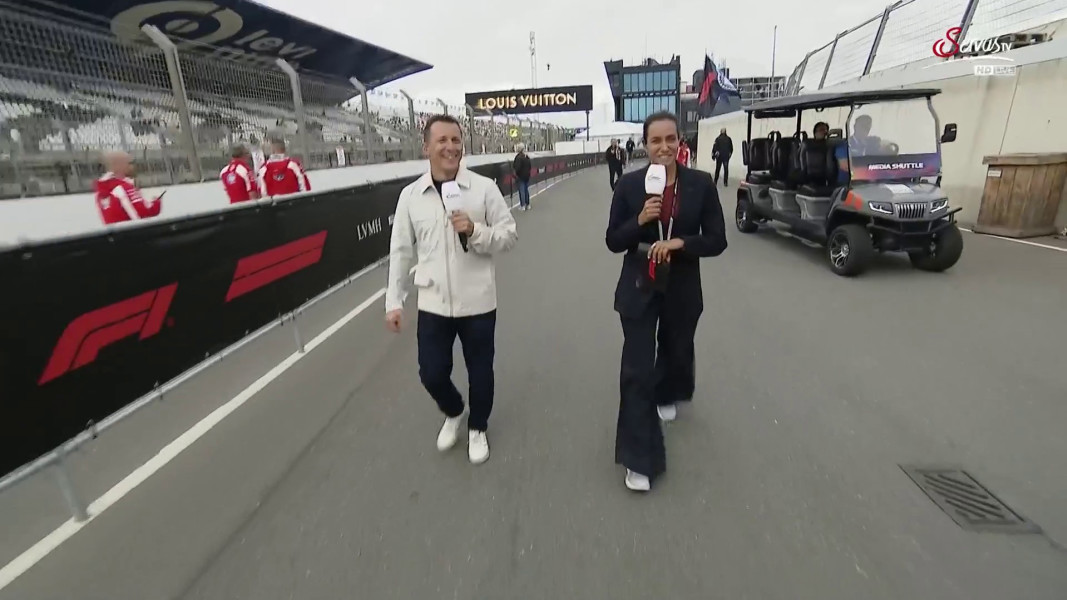
Paddock-Tour: Weite Wege in Zandvoort
22. Aug. | 7:08 Min
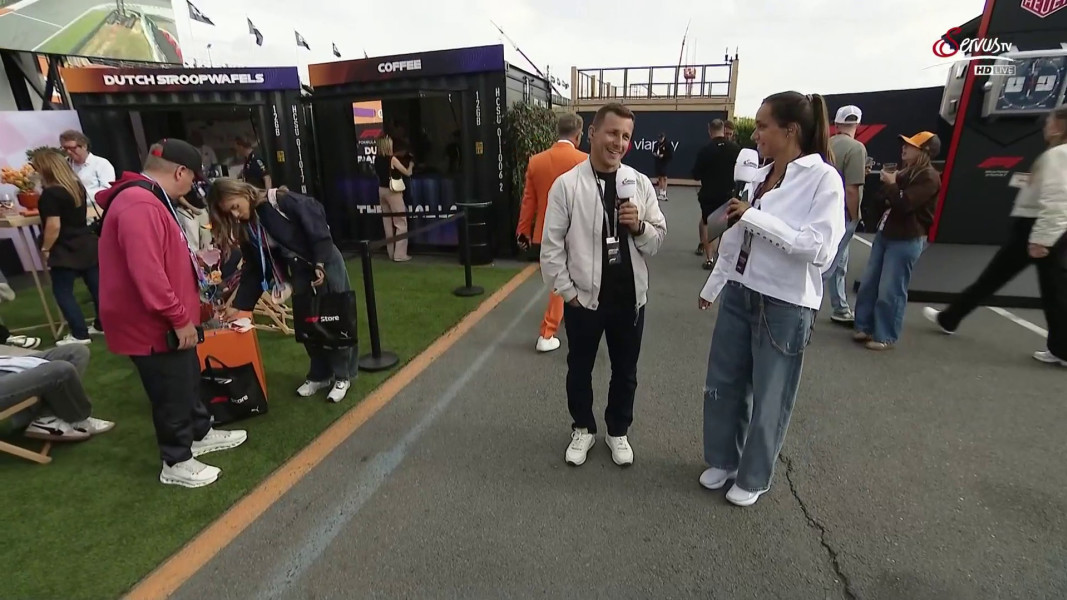
Keine Bitterballen für Andrea & Christian
21. Aug. | 6:00 Min
21. Aug. | 4:44 Min
Formula Cars News
All News


