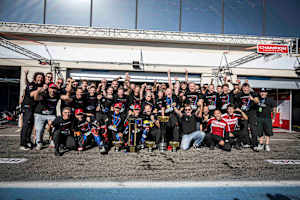
EWC column: BMW brought down the Japanese manufacturers’ last great stronghold
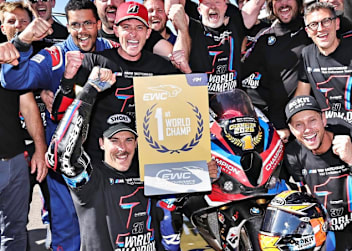
BMW’s EWC title brought an end to the Japanese manufacturers’ decades-long dominance. The Bol d’Or demonstrated why modern superbikes now make the difference in endurance racing too.
This article is an automatically generated English version. The
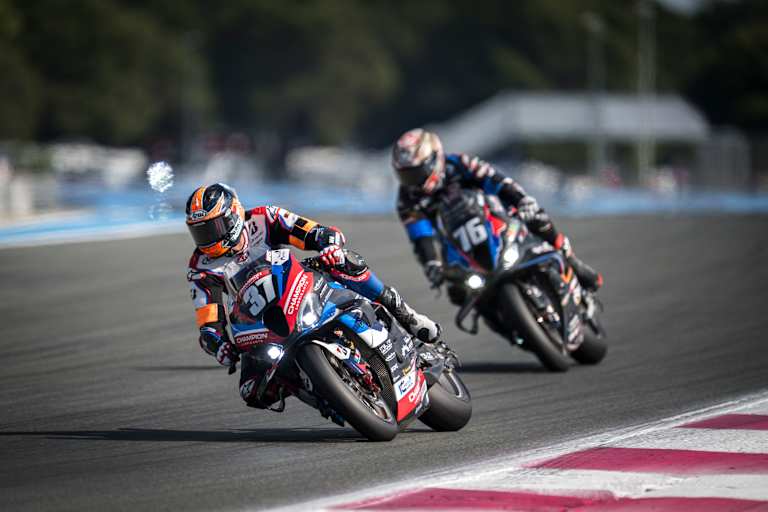
Vom puren Speed waren BMW Endurance und AutoRace Ube überlegen
Foto: BMW
Vom puren Speed waren BMW Endurance und AutoRace Ube überlegen
© BMW


What is particularly remarkable is just how long Japanese dominance in endurance racing has lasted. There are reasons for this. In hardly any other discipline do classic Japanese virtues count for as much as they do here: reliability, durability and sophisticated technology. If you want to win a 24-hour race, you don’t necessarily need the most modern or fastest motorbike. Above all, it has to work – lap after lap, hour after hour.
This is precisely why Japanese manufacturers have been able to continue using their now ageing models successfully in the EWC for longer than in other world championships. Whilst European manufacturers have raised the bar with enormous investment in development, modern electronics and ever more sophisticated technical concepts, endurance racing has remained a discipline in which tried-and-tested technology continues to offer enormous advantages.
Recommendations
Mentioned in this article
However, the 2026 Bol d’Or has ruthlessly demonstrated that even this principle is reaching its limits.
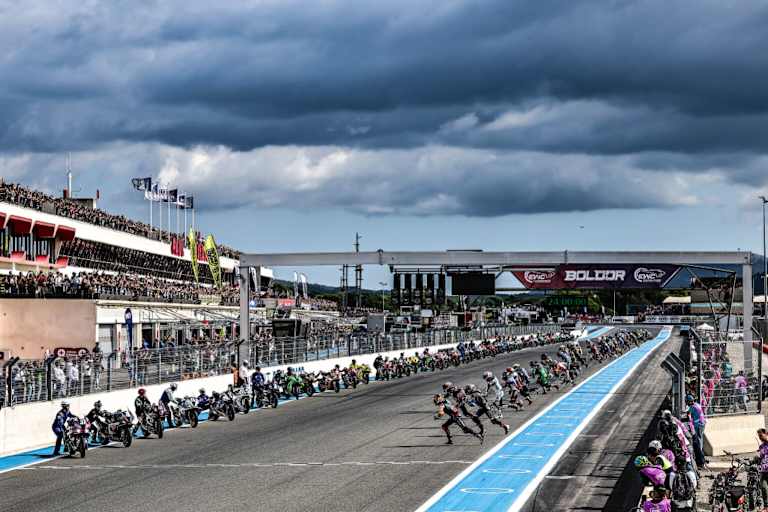
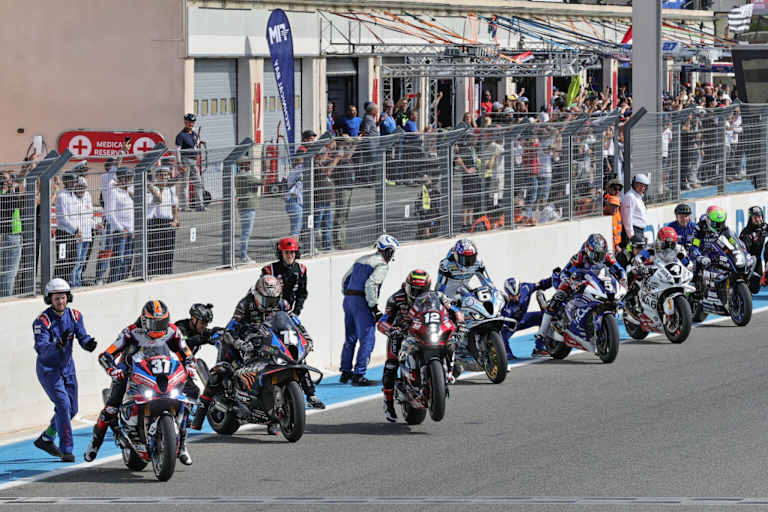
Entscheidung beim Bol d'Or: Samstag 15 Uhr begann das 24-Stunden-Rennen
Foto: FIM EWC
Entscheidung beim Bol d'Or: Samstag 15 Uhr begann das 24-Stunden-Rennen
© FIM EWC
Topic of the week
Spanish Grand Prix at the new Madring: track – hit or miss?
The people of Madrid had set their sights high for their city’s first Formula 1 World Championship race since 1981. But have the high expectations for the new Madring mixed-circuit track really been met?
BMW didn’t even have to give it their all
The BMW M1000RR wasn’t just fast at Le Castellet. It combined performance with a quality that is at least as valuable in endurance racing: efficiency. The BMW works team was able to complete longer stints than its closest rivals, thereby saving a full pit stop over the course of the race.
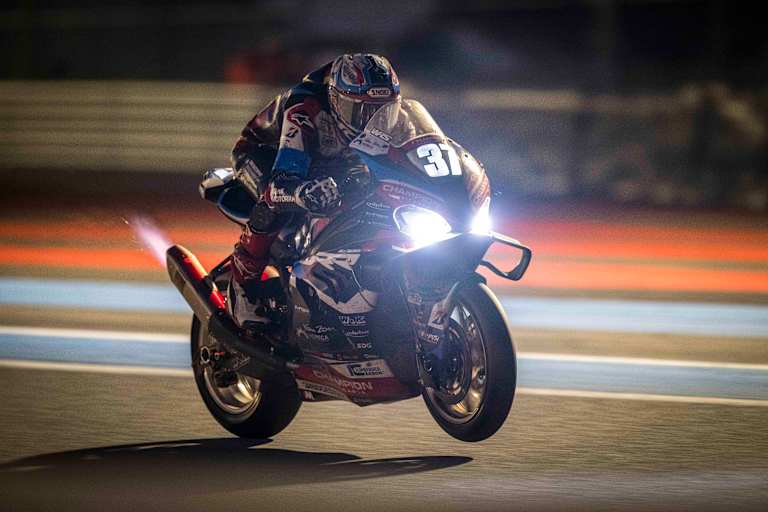
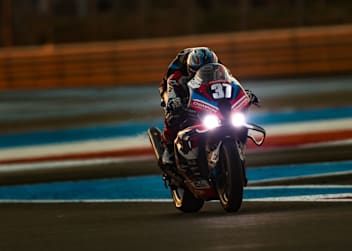
Effizient und schnell: BMW war den Japanern überlegen
Foto: BMW
Effizient und schnell: BMW war den Japanern überlegen
© BMW
Added to this was its strong performance on the long Mistral straight. This gave BMW several opportunities to control the race. The riders did not have to ride constantly at the absolute limit, but were able to manage the lead they had built up over long stretches.
In the end, the lead amounted to just one lap. Yet, in my view, this gap does not tell the whole story. My impression after the 24 hours: had BMW needed a significantly larger lead, it would have been possible. Reiterberger, van der Mark and Odendaal no longer had to take any unnecessary risks in the closing stages. They simply had to bring home what they had previously built up.
YART did hardly anything wrong – and that is precisely the problem
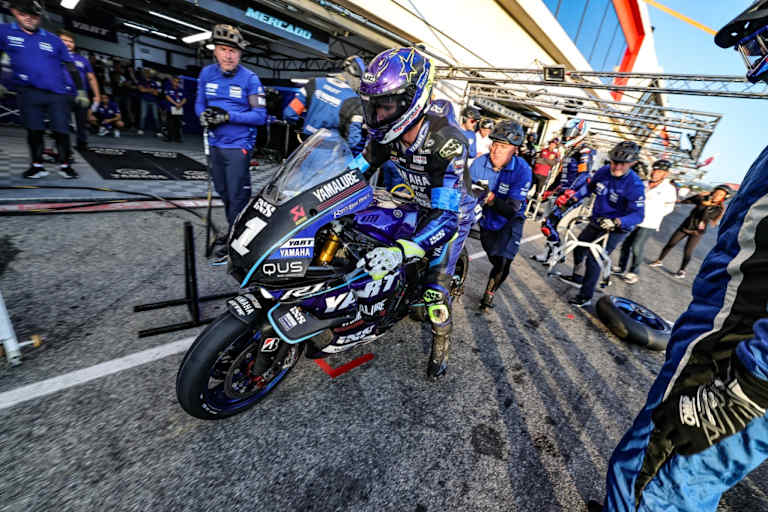
The situation was particularly clear in the case of YART. Despite a
And yet it still wasn’t enough.
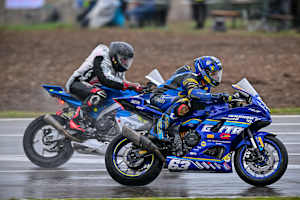
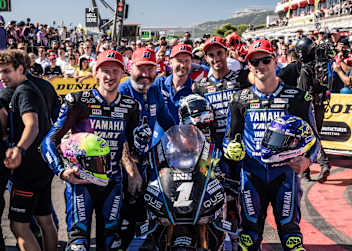
For me, that is precisely the real message of this Bol d’Or. YART did not fail because of a poor strategy or a series of avoidable mistakes. Rather, the team reached the limits of what was possible with the technical package at their disposal.
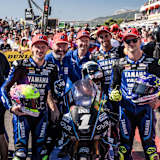
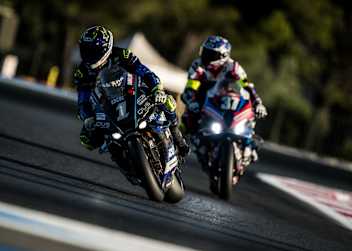
YART kämpfte hart, war unterm Strich aber chancenlos
Foto: FIM EWC
YART kämpfte hart, war unterm Strich aber chancenlos
© FIM EWC
The Yamaha R1 is by no means a bad racing motorbike. However, its technical basis dates back to a different generation. Against a modern BMW M1000RR, the resulting disadvantages on a circuit like the Circuit Paul Ricard can no longer be compensated for by experience, riding skill and near-perfect teamwork alone.
The Japanese must respond
And Yamaha is not alone in this. Japanese manufacturers have built up a reputation over decades for producing reliable and well-engineered motorbikes. It is precisely these qualities that remain of enormous importance in endurance racing. Yet reliability alone is no longer enough when the competition is now building motorbikes that are fast, efficient and stable all at once.
BMW demonstrated at the Bol d’Or that modern performance and endurance suitability no longer have to be mutually exclusive.
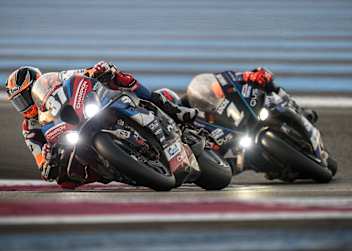
BMW hatte nach dem Quali drei Teams in den Top-5
Foto: FIM EWC
BMW hatte nach dem Quali drei Teams in den Top-5
© FIM EWC
This should set alarm bells ringing in Japan. In MotoGP, European manufacturers have long since fundamentally shifted the balance of power. In the Superbike World Championship, Ducati has always been a force to be reckoned with and, for long periods, even the dominant brand. What is new, however, is just how far behind the Japanese manufacturers have now fallen. Never before has the technical gap between Honda, Yamaha and Kawasaki and the European manufacturers been as apparent as it has been this season.
Now this trend has finally reached the World Endurance Championship as well.
Will the Suzuka stronghold be the next to fall?
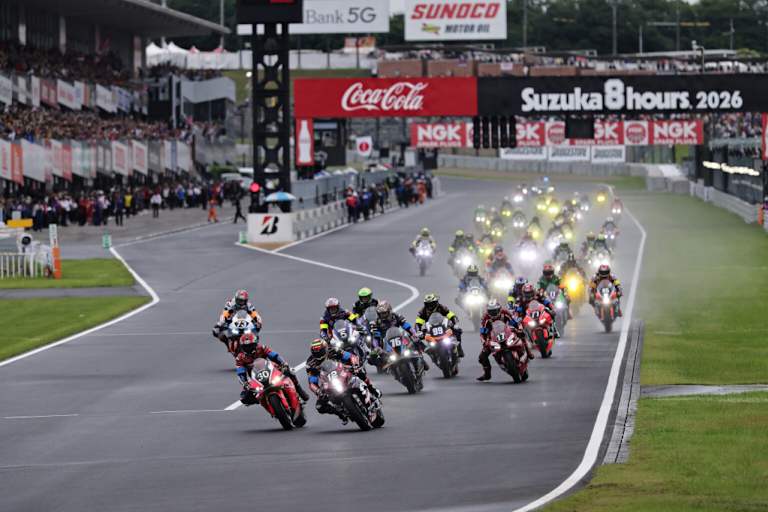
We already had a taste of this at the Suzuka 8 Hours. On this historic Japanese circuit, the factory teams from Honda and Yamaha were often in a league of their own in the past. Under normal circumstances, the European EWC teams stood virtually no chance against the squads fielded specifically for this race.
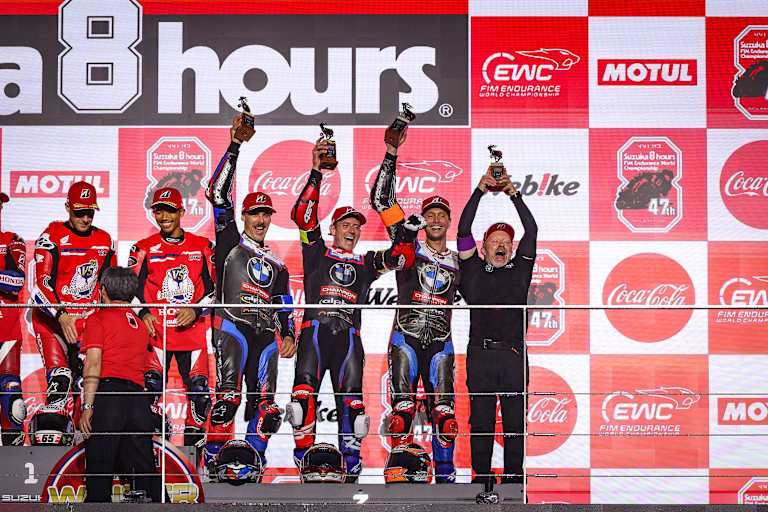
In 2026, things looked very different. In dry conditions, the BMW works team was on a par with the top Japanese teams. Whilst the rain on race day blurred the true balance of power somewhat, the performance in practice and qualifying alone showed just how far BMW has come.
Meilenstein: BMW feierte erstmals auf dem Suzuka-Podium
Foto: BMW
Meilenstein: BMW feierte erstmals auf dem Suzuka-Podium
© BMW
This raises an intriguing question: what will happen in Japan if a European manufacturer takes the next step and actually wins the Suzuka 8 Hours?
Hardly any other success would hit Honda and Yamaha harder. Suzuka is not just any round of the World Endurance Championship. For the Japanese manufacturers, this race holds significance that goes far beyond the championship itself. A European victory against the Japanese works teams on their home circuit would therefore perhaps be the clearest sign of just how much the balance of power has shifted.
And based on what we’ve seen this season, I no longer consider such a scenario unrealistic in the slightest. As far as I’m concerned, BMW is among the potential contenders for victory at the 2027 Suzuka 8 Hours. The M1000RR has the necessary performance, the team has proven its endurance credentials, and with Reiterberger, van der Mark and Odendaal, BMW has a trio of riders who now know how to win a world championship.
Perhaps this is exactly the wake-up call the Japanese manufacturers need to respond.
8h Suzuka: Wann endet die Siegesserie der Japaner?
Foto: FIM EWC
8h Suzuka: Wann endet die Siegesserie der Japaner?
© FIM EWC
An era is coming to an end
BMW’s first EWC world title is therefore more than just a footnote in history. Looking back, it may well have been the moment when it finally became clear that a great era was drawing to a close.
The Japanese manufacturers have shaped endurance racing for decades. If they wish to continue playing this role in the future, they must consistently develop and modernise their motorbikes.
For the 2026 Bol d’Or made one thing clear: tradition and reliability remain valuable. But they are no longer enough.
Seen already?
Don't miss out on any highlights: The Speedweek newsletter, sent out twice a week, delivers the latest news, exclusive commentary and all the important dates from the world of motorsports - directly into your inbox
Newest Articles
All ArticlesNew New New New New New