

Werbung
With the 1,000cc supercharged four-cylinder, Kawasaki is once again building a road-legal sports motorbike. And the utterly unreasonable H2R, with more than 300 PS, is also back in production.
This article is an automatically generated English version. The
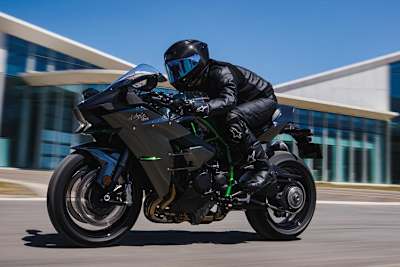
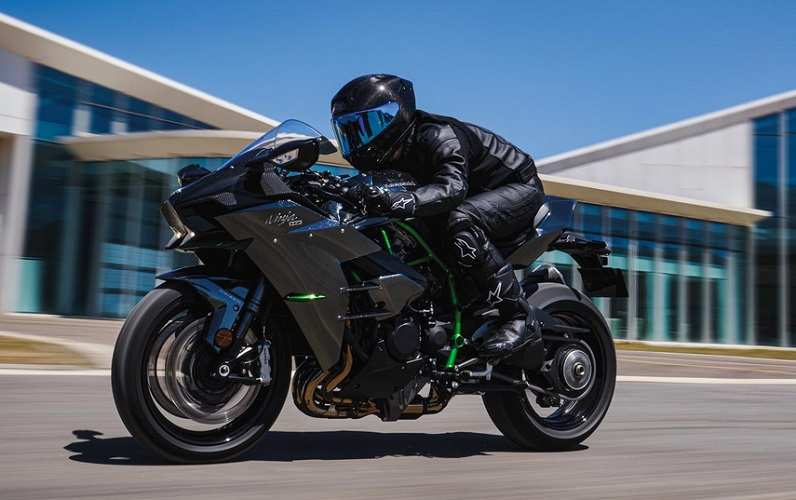
Around ten years ago, Kawasaki made a technical splash with the road-legal Kawasaki Ninja H2 and the Ninja H2R, designed exclusively for the racetrack. Both models became instant icons and impressively demonstrated the combined engineering expertise of the Kawasaki Group.
It was not just motorbike engineers who were involved in their development. Specialists from the fields of aerospace and gas turbine technology also contributed their expertise. The result was a pair of extraordinary supercharged motorbikes.
Kawasaki stopped offering the Ninja H2 sports motorbike in 2021 because stricter emissions standards came into force that year, which this model did not meet. Kawasaki currently offers two road-legal models featuring the supercharged 1,000cc four-cylinder engine: the fairing-free Roadster Z H2 and the sports tourer Ninja H2 SX. Their engine is identical and delivers 200 PS at 11,000 rpm in both models. The Ninja H2 previously delivered 231 PS at 11,500 rpm.
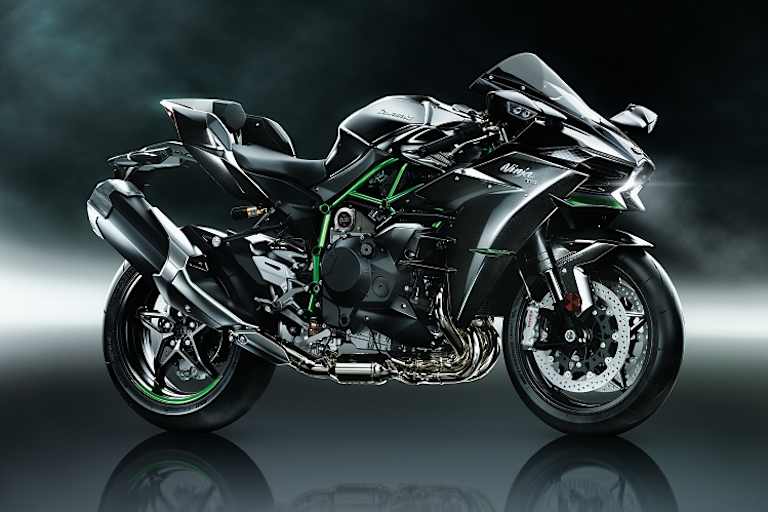
For the 2027 model year, the Kawasaki Ninja H2 returns in a comprehensively upgraded version. Kawasaki’s supercharged flagship has been specifically adapted to today’s requirements and optimised in numerous areas. Increased torque in the mid-range combines with the unmistakable power surge at high revs – a combination that gives the Kawasaki Ninja H2 its unique character.
Topic of the week
The people of Madrid had set their sights high for their city’s first Formula 1 World Championship race since 1981. But have the high expectations for the new Madring mixed-circuit track really been met?
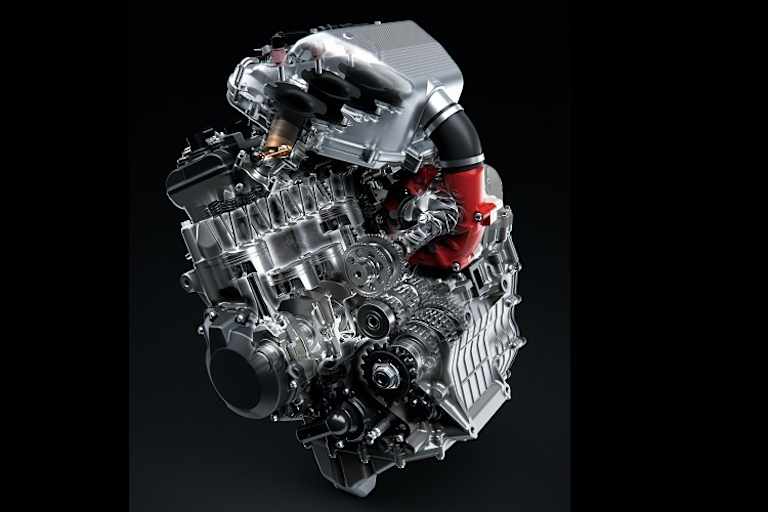
The focus remains on the exceptional engine. Although the engine’s exterior is reminiscent of the previous model, virtually every key technical area has been revised. The supercharger’s impeller and the intake system have been completely redesigned. Also new are the pistons, cylinder head, cylinders, crankshaft and camshafts. Added to these are new throttle bodies, a new exhaust system and revised gear ratios. The exhaust system has also been redesigned. Optimised pipe diameters, a revised front silencer design and a compact rear silencer reduce the weight. At the same time, the new system contributes to higher torque in the low and mid-range.
Kawasaki answers the crucial question of power and torque with figures of 200 PS at 11,000 rpm and 135 Nm at 8,500 rpm. This means the power figures match those of the Z H2 roadster and the Ninja H2 SX sports tourer; as for torque, Kawasaki actually quotes 2 Nm less for the Ninja H2. For power enthusiasts, this is a terrible shock, which is only marginally mitigated by the promise of 209 PS at full ram-air pressure.
At least the Ninja H2 is the first Kawasaki model to be fitted with Brembo Hypure brake calipers. These combine low weight with precise, linear response. As with the previous model, the chassis is a trellis frame. Kawasaki has opted for high-quality components for the suspension. At the front is a KYB AOS-II fork, whilst at the rear is an Öhlins TTX36 shock absorber, assisted by an electronic steering damper, also from Öhlins.
The Ninja H2 has also been further developed in the cockpit and offers two selectable display modes. Display Type 1 is designed to echo the silhouette of the air intakes. Display Type 2 places greater emphasis on the supercharger and supplements the display with aviation-inspired indicators for lean angle and vehicle position.
In addition, there is a comprehensive package of electronic assistance systems. These include, amongst others, the revised KTRC traction control and KLCM launch control. The Kawasaki Rideology app also allows the smartphone to be connected to the motorbike.
Alongside the Ninja H2, the limited-edition Ninja H2 Carbon is also being offered once again. It features an upper fairing made from high-strength and exceptionally lightweight CFRP (carbon fibre-reinforced plastic). The Carbon Edition will be the first to go into production and will be available from October for €32,500, whilst the standard Ninja H2 model will be available from April 2027 for €32,500.
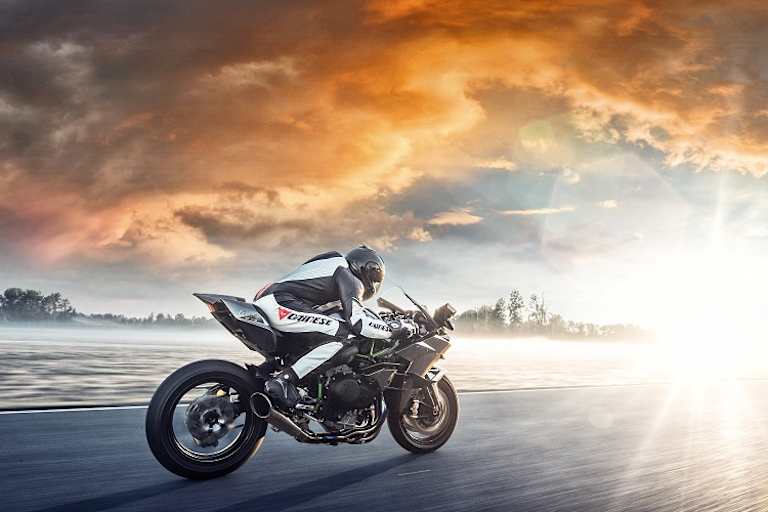
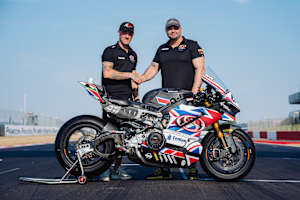
We’ve saved the best news for all performance enthusiasts until last: there’s once again a Kawasaki Ninja H2R developed exclusively for track use, delivering 310 PS at 14,000 rpm! The even better news: with Ram-Air, it’s as high as 326 PS, and the torque of 165 Nm at 12,500 rpm is enough to make you dream of brutal acceleration down the home straights of the world, which no other motorbike can match. A price of €58,000 is entirely reasonable. Delivery is scheduled in time for the track day season in spring 2027.
Don't miss out on any highlights: The Speedweek newsletter, sent out twice a week, delivers the latest news, exclusive commentary and all the important dates from the world of motorsports - directly into your inbox





The latest news around the clock, analyzed and commented on by experts, with exclusive behind-the-scenes insights. Here, fans write for fans.


