
Dainese: An insight into the operations of the Italian MotoGP equipment supplier
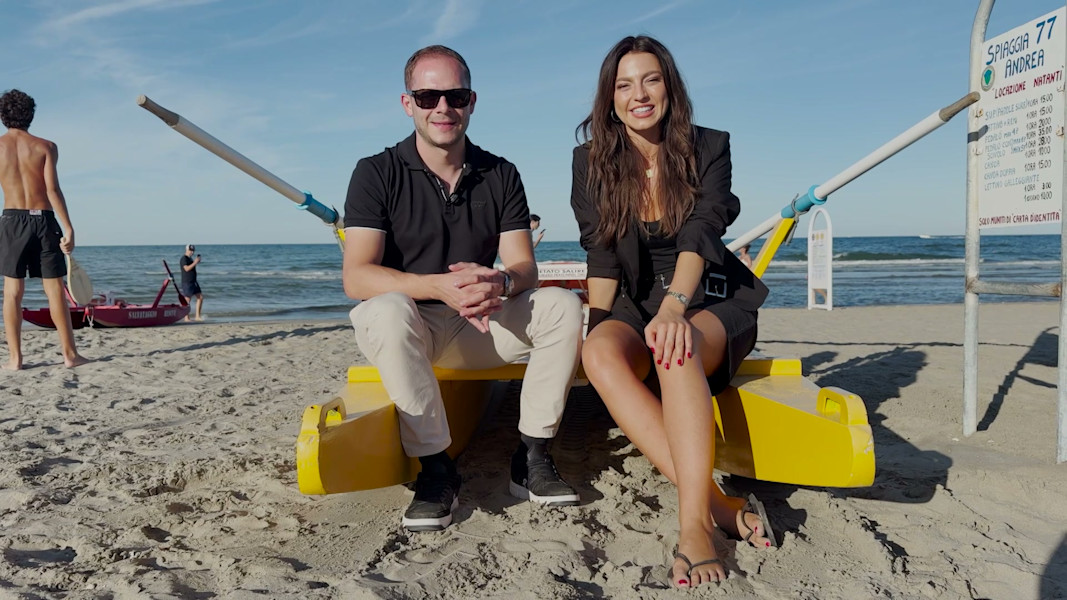
Former Moto3 rider Andrea Migno visited Dainese’s headquarters. The equipment supplier showcased the development of protective gear over the years and provided an insight into ‘Area 51’.
This article is an automatically generated English version. The

Maximale Sicherheit für Marco Bezzecchi & Co in der MotoGP
Foto: Gold & Goose
Maximale Sicherheit für Marco Bezzecchi & Co in der MotoGP
© Gold & Goose


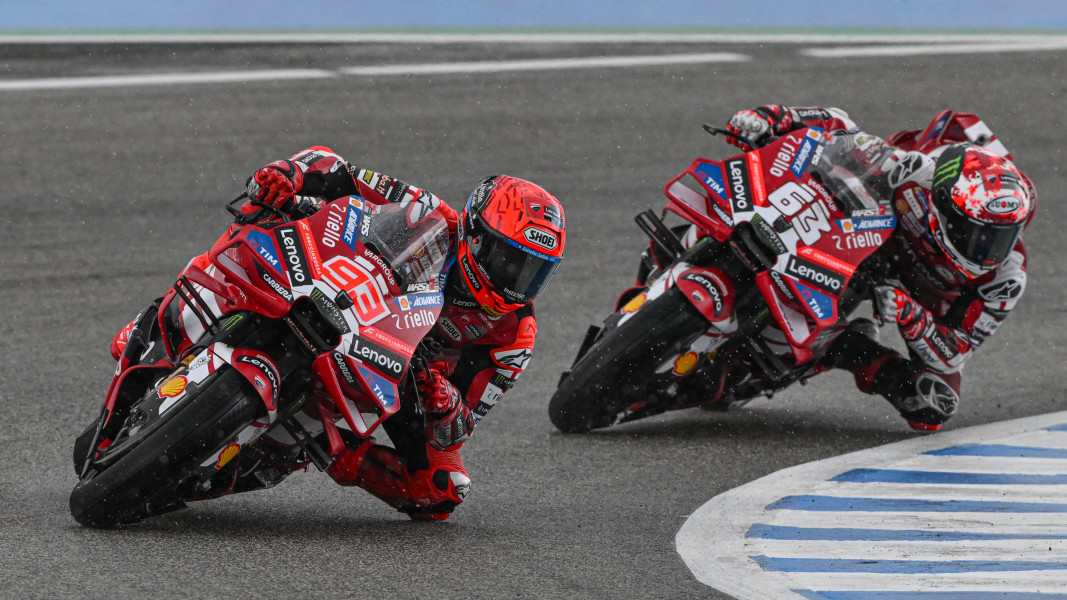
The story of Dainese began on two wheels. In 1968, the young Lino Dainese rode a Vespa with friends from the province of Vicenza all the way to London. It was from this journey that the idea arose to combine a passion for motorbikes, an instinct for safety and an understanding of design into a single brand. This had been the strategy from the very beginning, explained one of the Dainese guides whilst showing us round the company’s own exhibition.
Knee sliders, back humps and a flash of inspiration in the Maldives
Some fans will probably be aware that the knee slider was developed in collaboration with Kenny Roberts senior and that the aerodynamic back hump was also designed by Dainese. Less well known is the story behind the airbag: in 1994, whilst on holiday in the Maldives, Lino Dainese is said to have realised, whilst putting on his diving gear, that the principle of the buoyancy compensator – buoyancy created by air – could also be used for body protection. According to reports, he sketched the first designs on a notepad whilst still wet from the water. Twelve years later, in 2006, the system was unveiled for the first time with a stuntman, and in 2007 it was used for the first time in a race session. The system has been mandatory in the Motorcycle World Championship since 2018.
In the research and development department, affectionately known as ‘Area 51’, VR46 Academy member Andrea Migno was shown how GPS, a gyroscope and an accelerometer record in real time the forces a rider is subjected to during a crash. Thanks to over twenty years of crash data, it is now possible to simulate any situation. There is one difference between the racing and road versions of the airbag system: they are different sizes. The Dainese staff explained that this is due to different protection zones: racing airbags focus on the collarbone and shoulder, whilst the road model covers the larger area of the chest and back.
Dainese continues to rely on craftsmanship rather than assembly-line production
It was the production process that made the biggest impression: cowhide and kangaroo leather are cut, punched, printed and sewn by hand – including titanium metal shoulder pads, which are designed to facilitate sliding during a crash and prevent the rider from rolling over. In the repair department, Migno also learnt that damaged suits are no longer repaired once they have reached a certain level of wear and tear, as the seams would otherwise fail.
“What we saw was brilliant – the history, the technology and the people at Dainese,” Migno summed up at the end of his visit. “If we can push hard on the track without fear, it’s thanks to them too.”
Topic of the week
Spanish Grand Prix at the new Madring: track – hit or miss?
The people of Madrid had set their sights high for their city’s first Formula 1 World Championship race since 1981. But have the high expectations for the new Madring mixed-circuit track really been met?
TV Program
Seen already?
Don't miss out on any highlights: The Speedweek newsletter, sent out twice a week, delivers the latest news, exclusive commentary and all the important dates from the world of motorsports - directly into your inbox
Highlight Videos
ServusTV Media LibraryMisano: Die Tops & Flops des Wochenendes
13. Sept. | 6:15 Min
13. Sept. | 4:26 Min
13. Sept. | 31:59 Min
13. Sept. | 3:43 Min
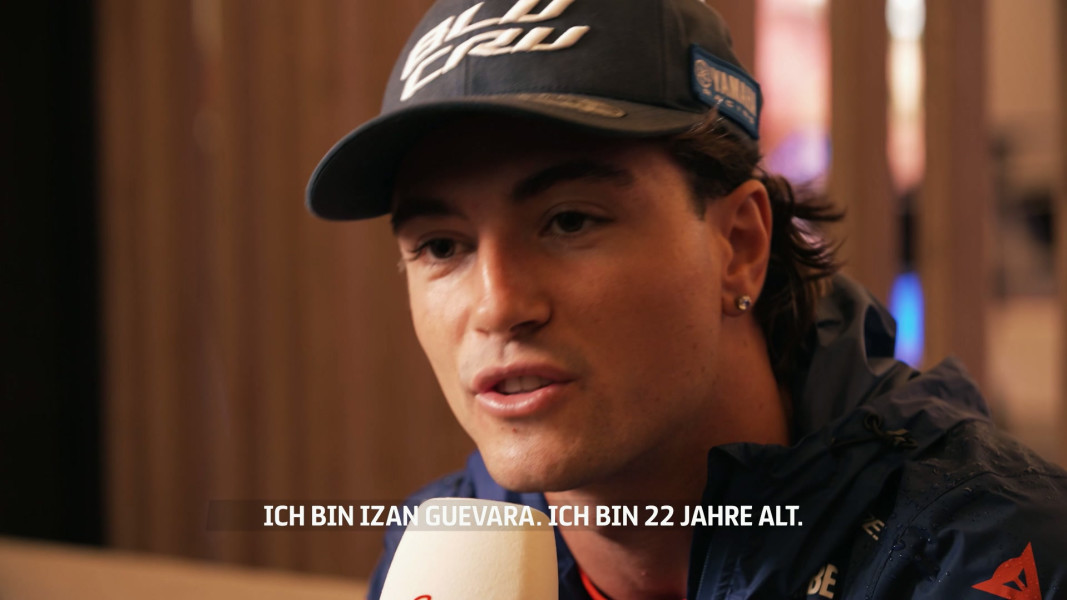
Short Profile: So tickt Izan Guevara
13. Sept. | 3:07 Min
MotoGP-Titelkampf spitzt sich zu
13. Sept. | 4:22 Min
13. Sept. | 1:15 Min
Bezzecchi verliert die Nerven!
13. Sept. | 1:15 Min
MotoGP News
All News


