A revolution in MotoGP? Pirelli’s racing director spills the beans
Pirelli’s racing director Giorgio Barbier talks about the Italian manufacturer’s entry into MotoGP for the 2027 season in an exclusive interview with SPEEDWEEK.com editor-in-chief Ivo Schützbach.
This article is an automatically generated English version. The
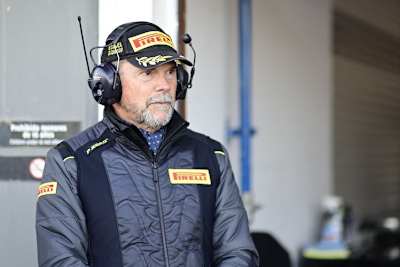
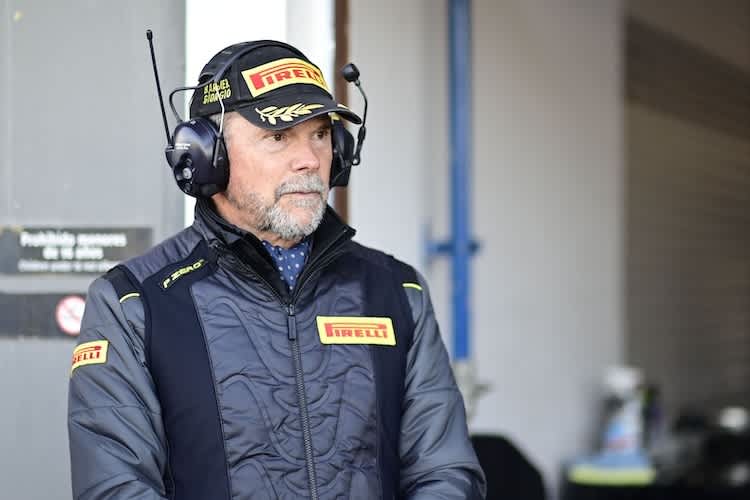
Pirelli-Rennchef Giorgio Barbier
Foto: Gold & Goose
Pirelli-Rennchef Giorgio Barbier
© Gold & Goose


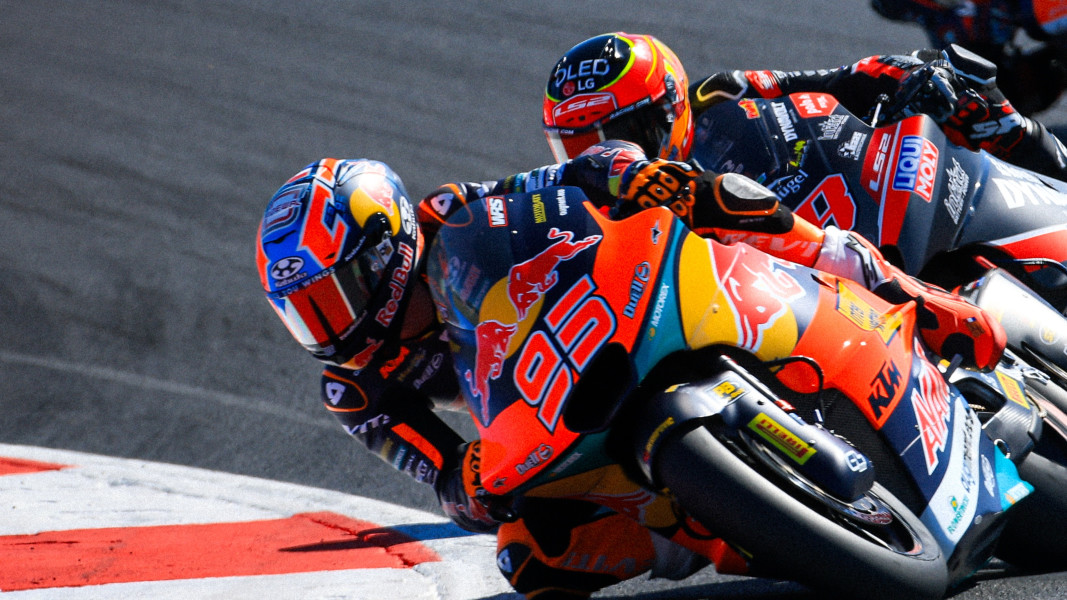
On 6 March 2025, it was announced that Pirelli would become the exclusive tyre supplier for MotoGP from 2027, replacing Michelin. The French manufacturer, in turn, will move into the Superbike series in the same year – meaning the two tyre giants will swap roles.
SPEEDWEEK.com met Pirelli’s racing director Giorgio Barbier at the Superbike weekend in Misano and asked how the Italian manufacturer is preparing for its entry into MotoGP and what philosophy will be applied in the manufacture of tyres for the prototype bikes.
Giorgio, why has Pirelli decided to focus on MotoGP rather than continuing with the World Superbike Championship? After all, your philosophy has always been to demonstrate the performance of road tyres for everyone in the production-based world championship.
We followed that philosophy for a long time. But MotoGP has changed significantly in recent years. This has also changed the promoter’s approach when it comes to tyre performance and the manufacturers. That was the reason why we reached this agreement with Dorna.
When we started with Moto2 and Moto3, we told them that we didn’t want to make prototypes just for these championships. We wanted Superbike tyres for Moto2, not Supersport tyres, as the former use 3.75-inch front rims; that’s why we decided to use the Superbike tyres – also to have a more suitable compound for the rear wheel. For Moto3, we supply standard slicks, which we’ve had in our range for several years, but which didn’t sell particularly well, as the championship was dominated by our competitors and not many wanted to use anything else.
Topic of the week
Spanish Grand Prix at the new Madring: track – hit or miss?
The people of Madrid had set their sights high for their city’s first Formula 1 World Championship race since 1981. But have the high expectations for the new Madring mixed-circuit track really been met?
TV Program
That was accepted, and after two years’ experience, the promoter got a good idea of what we do. Perhaps they simply hadn’t paid much attention to what we’ve been doing in the Superbike World Championship for a long time. Back then, the attitude in the GP paddock was also: “Right, you’ve arrived here now, but you’ve still got a lot of work ahead of you, because Moto2 is so different.” When you consider that most people in the MotoGP paddock came from the other paddock, that attitude was rather odd. But when you switch paddocks, it’s like stepping into a different world. We saw that attitude at Dorna too. However, in every class – MiniGP, Moto3 and Moto2 – we’ve proved that we’re capable of pulling it off. It’s a funny story, and we’ve thus also shown in the GP paddock that we can put on good, faster races using standard products – in terms of both lap times and race pace. That attracted a lot of attention.
What was the deciding factor in the end in convincing Dorna?
We’re able to manufacture large quantities – for both the market and motor racing. What’s interesting these days is that if your product is ‘greener’ and you can produce it using conventional methods – without having to make super-complicated prototypes that require strange and exotic materials and machinery, which are very expensive – then you have an advantage.
We then began the discussions, and we at Pirelli made it clear that we had no plans to revolutionise tyre production. The MotoGP tyres are manufactured in the same factory in Germany where we produce the Superbike tyres and all the other slick and supersport tyres. The same machinery and processes will be used. There won’t be any dramatic changes. Of course, they’ll be different tyres to those used in the Superbike World Championship, but the materials, processes and machinery will be the same.
From a technical point of view – how close will a future MotoGP tyre be to a current World Superbike Championship tyre?
That’s hard to say, as we haven’t had any MotoGP tests yet. We’ll be starting those this summer. But the starting point will be very close to the Superbike tyres. They will, of course, be in the rim widths used in MotoGP – that is, 4 and 6.25 inches. These sizes are exclusive to MotoGP, which is why we’ll never offer the tyres for sale on the market. MotoGP also controls the manufacturers’ testing procedures, so we provided them with a certain number of tyres – which meant we had to pre-produce some.
However, we’re convinced that the technology we’re currently using is the right one. We’ll then carry out all the tests, and next year, when we have the 850cc bikes available, we’ll see what we actually need. We expect this 850cc bike to have 30 to 40 PS less power; it will be lighter and the aerodynamic effects will no longer be as significant. Consequently, its performance at the start of development could be very close to that of a Superbike. But I don’t think we’ll have the same superbikes in 2027 as we do today – the balance will change there too. Yet even with all the balance rules we’ve introduced so far this year, the superbikes have become faster than last year.
To be continued…
Seen already?
Don't miss out on any highlights: The Speedweek newsletter, sent out twice a week, delivers the latest news, exclusive commentary and all the important dates from the world of motorsports - directly into your inbox
Championship Standings
Full Standingsorg-location for [2026] 2026
2026
2025
2024
2023
Pos
Driver
Team
Points
1


306
2


294
3

264
4


234
5


230
6


222
7

203
8


158
9

156
10

115
Highlight Videos
ServusTV Media Library
22. Sept. | 3:57 Min
„Haben gezittert bis zur letzten Kurve"
20. Sept. | 4:01 Min
20. Sept. | 41:28 Min
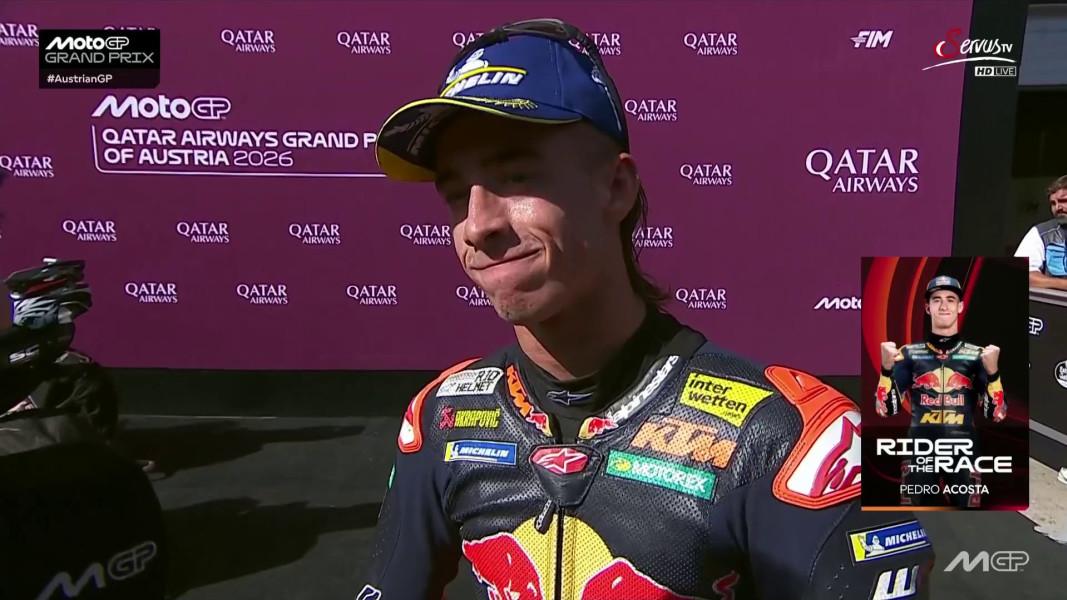
Pedro Acosta: „Danke an alle Fans“
20. Sept. | 5:36 Min
20. Sept. | 3:52 Min
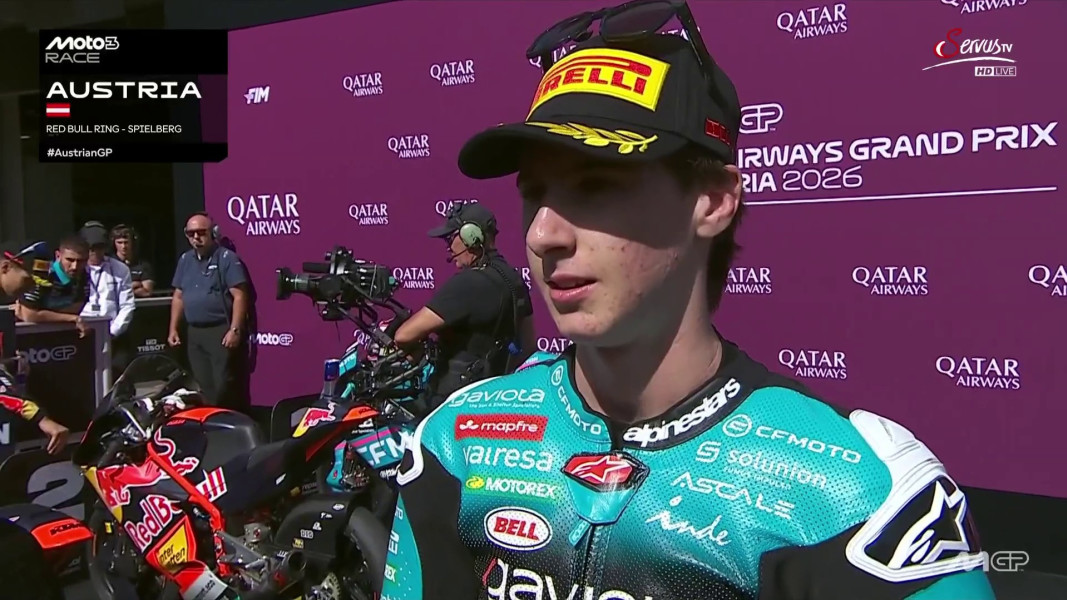
Quiles: „Es war toll, in Österreich zu fahren“
20. Sept. | 3:15 Min
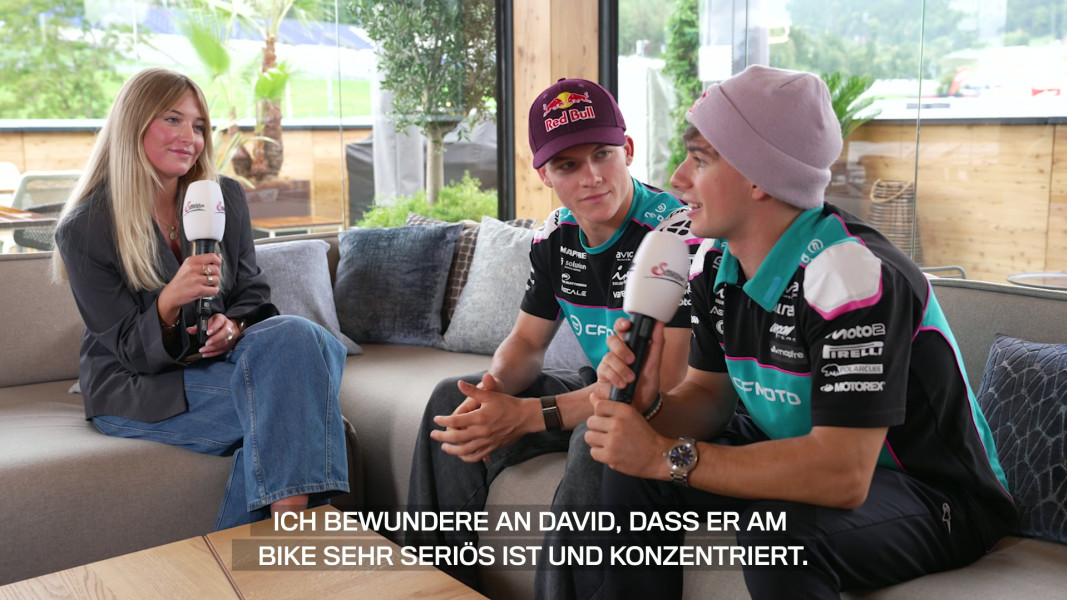
Holgado & Alonso beantworten eure Fragen!
20. Sept. | 4:01 Min
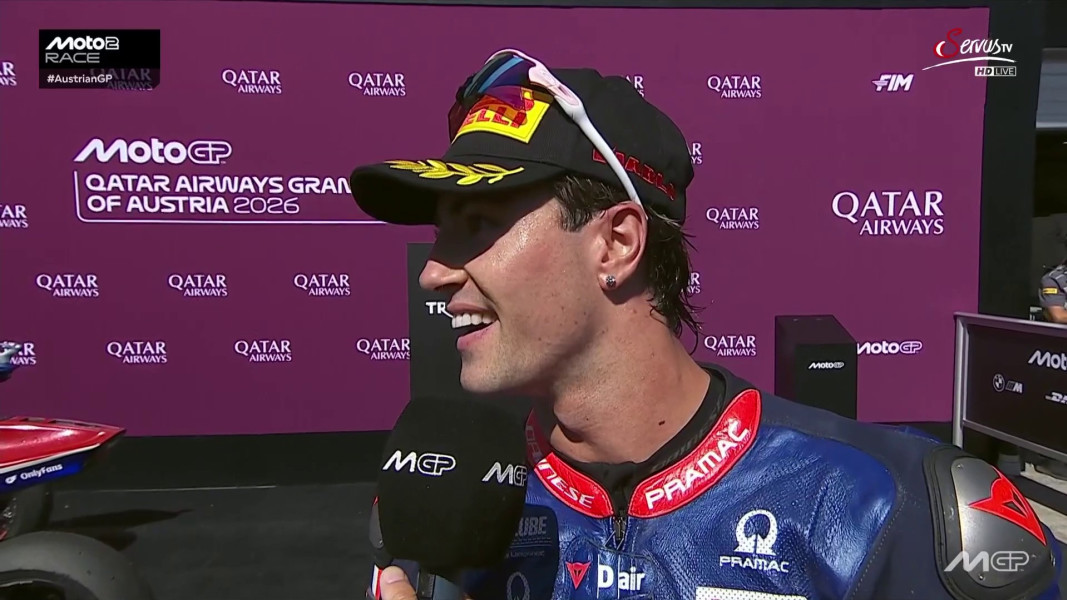
Izan Guevara: „Wir müssen den Moment genießen“
20. Sept. | 4:26 Min
Events
All MotoGP EventsPast Gran Premio di San Marino
 11.–13.09.2026
Past Motorrad Grand Prix von Österreich
 18.–20.09.2026
Next up Grand Prix of Japan
 02.–04.10.2026
Pertamina Grand Prix of Indonesia
 09.–11.10.2026
Australian Motorcycle Grand Prix
 23.–25.10.2026
Past Gran Premio di San Marino
Past Motorrad Grand Prix von Österreich
Next up Grand Prix of Japan
Pertamina Grand Prix of Indonesia
Australian Motorcycle Grand Prix
MotoGP News
All News
Newest Articles
All ArticlesNew New New New New New New New