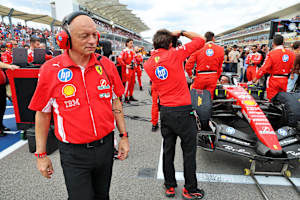
Less downforce & grip, more speed: a unique challenge in Mexico
The race in Mexico poses a particular challenge for the masterminds of Formula 1, as Frederik Vesti knows. The Mercedes reserve driver, who will be in action during FP1, talks about the track’s unique characteristics.
This article is an automatically generated English version. The
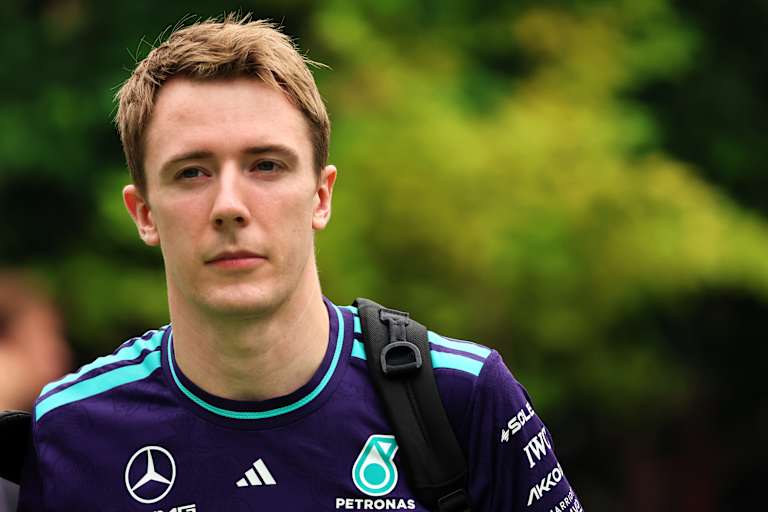
Fred Vesti darf in Mexiko das erste freie Training bestreiten
Foto: Batchelor / XPB Images
Fred Vesti darf in Mexiko das erste freie Training bestreiten
© Batchelor / XPB Images


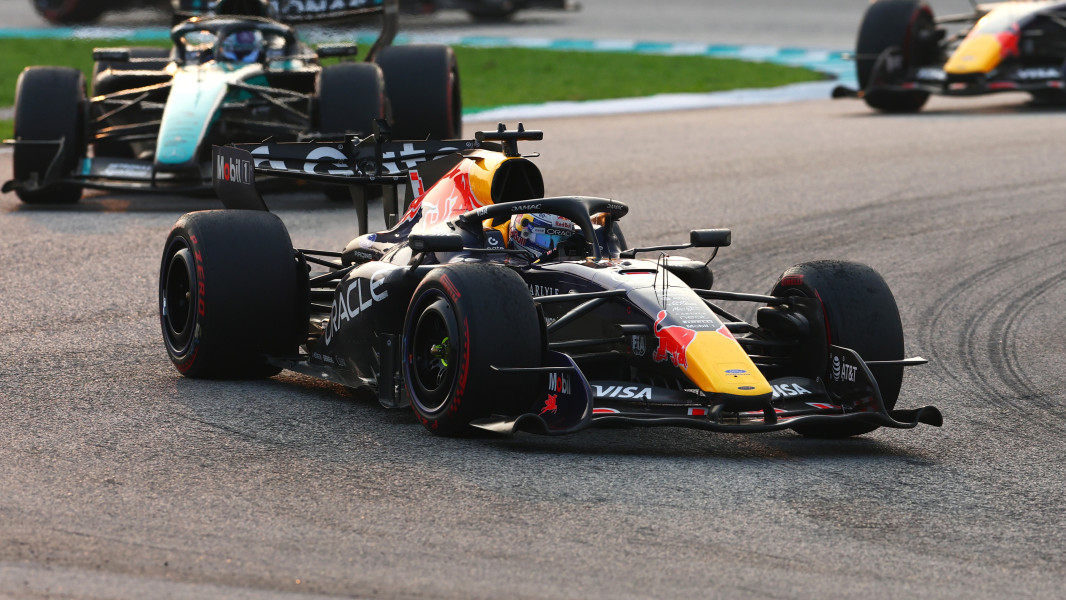
The Formula 1 World Championship is stopping off in Mexico City, where a special challenge awaits the Formula 1 World Championship drivers. This is because the Autódromo Hermanos Rodríguez is situated at over 2,200 metres above sea level, making it the highest venue on the Formula 1 calendar. This presents unique challenges in terms of cooling, aerodynamics and power unit performance.
Frederik Vesti is well aware of this. The Mercedes reserve driver is set to take the wheel of George Russell’s car in the first free practice session and says of his outing: “I’m really looking forward to getting back behind the wheel for the first practice session in Mexico. It’s always a great opportunity to spend more time behind the wheel, learn more and – most importantly – help the team with their work.”
“As I’ve driven in the first free practice session here several times before, this circuit is particularly close to my heart. I always look forward to returning to Mexico. The fans create an incredible atmosphere, the city is fantastic and the race is usually very exciting. Tyre wear can be high, strategy often plays a key role, and there’s usually plenty of action during the race. It’s a challenging but rewarding race, and I’m really looking forward to it,” he adds.
Recommendations
Mentioned in this article
Mexico City Circuit: Racing at Monza with Monaco downforce
Speaking about the Mexican circuit, Vesti says: “From a technical point of view, Mexico City presents a unique challenge. Due to the high altitude, the air is much thinner, which has a huge impact on the car’s performance. You lose downforce and grip, but at the same time reach some of the highest speeds of the year. It’s often described as driving here with the downforce set-up used in Monaco, whilst reaching speeds on the straights comparable to those at Monza. This presents both the drivers and the engineers with a fascinating challenge.”
Getting the car set-up right is no easy task either. The Dane explains: “The circuit itself demands a real compromise in terms of set-up. There are several slow, tight corners where a strong front end and good balance are crucial. The middle sector, however, features fast, flowing sections where it is crucial to maintain pace and generate maximum grip. Finding the right balance between these different requirements is the key to a successful race weekend.”
Topic of the week
Soon-to-be world champion Kimi Antonelli: The inevitable will then follow in Mexico
The 20-year-old Italian Kimi Antonelli had the chance to secure the 2026 World Championship title at the US Grand Prix. He did everything right: victory in Texas. The title celebrations have nevertheless been postponed. Until Mexico.
TV Program
Seen already?
Don't miss out on any highlights: The Speedweek newsletter, sent out twice a week, delivers the latest news, exclusive commentary and all the important dates from the world of motorsports - directly into your inbox
Championship Standings
Full Standingsorg-location for [2026] 2026
2026
2025
2024
2023
Pos
Driver
Team
Points
1


365
2

242
3


241
4


236
5

233
6


211
7

144
8

105
9


77
10


42
Highlight Videos
ServusTV Media Library
27. Okt. | 3:15 Min
26. Okt. | 50:14 Min
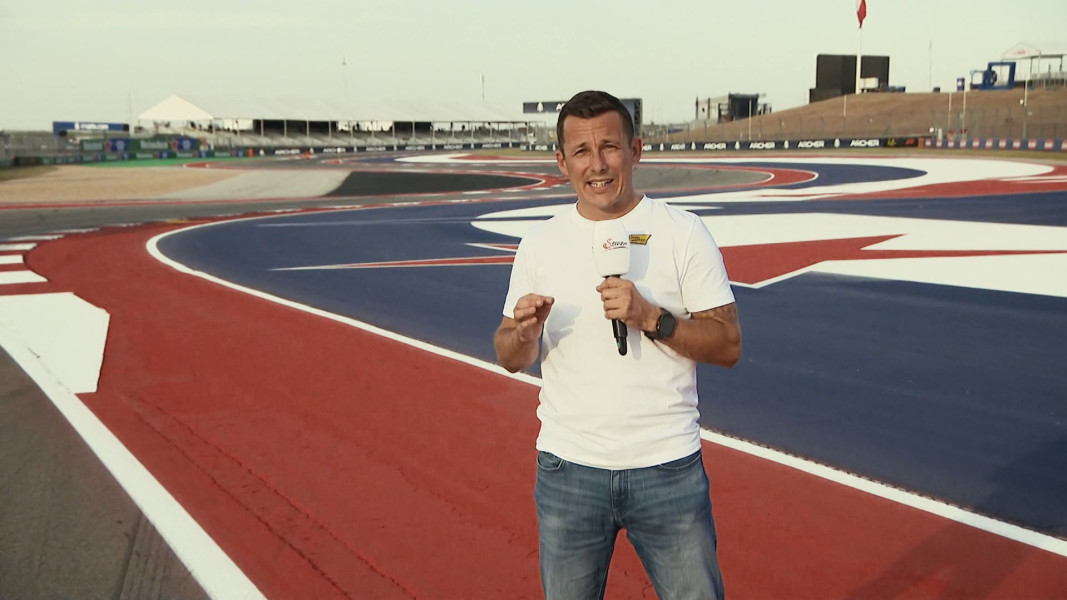
Klien: Das sind die „Mutkurven“ von Austin
25. Okt. | 3:18 Min
Kimi Antonelli: „Das Ergebnis, das wir brauchten“
25. Okt. | 2:48 Min
25. Okt. | 2:51 Min
Wie die Formel 1 die USA eroberte
25. Okt. | 3:25 Min
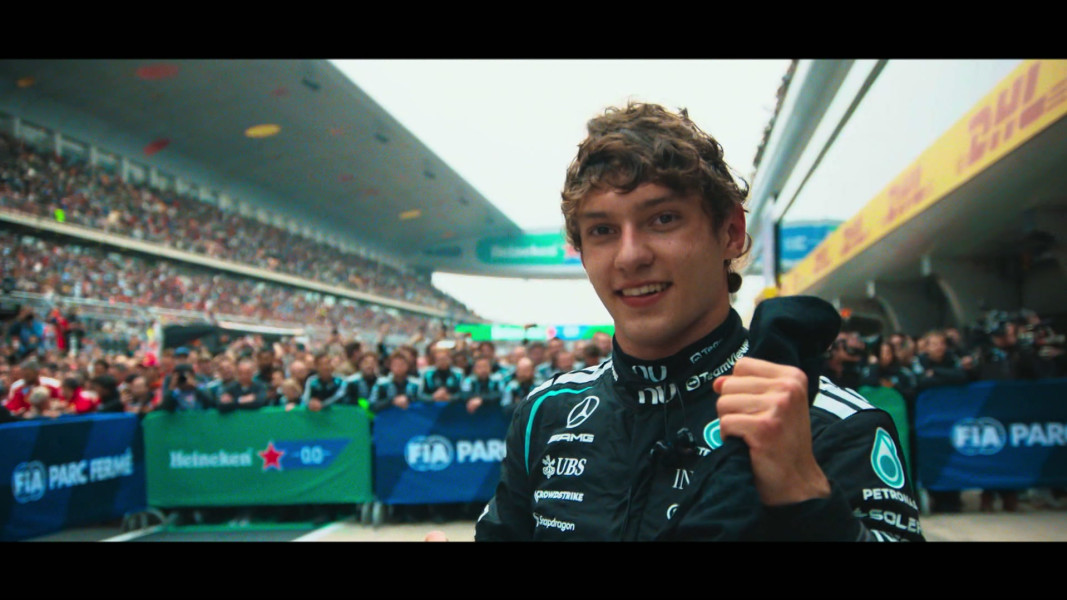
Wie Mercedes-Jungstar Antonelli die F1 erobert
25. Okt. | 3:00 Min
25. Okt. | 33:10 Min
Events
All Formula 1 Events


Formula Cars News
All News



Newest Articles
All ArticlesNew New New New