Mexico Grand Prix at an altitude of 2,200 metres: a challenge for the new engines?
This weekend, Formula 1 is racing in Mexico City – for the first time with the new engines. How will the thin, high-altitude air affect the power units? And what is the biggest challenge?
This article is an automatically generated English version. The
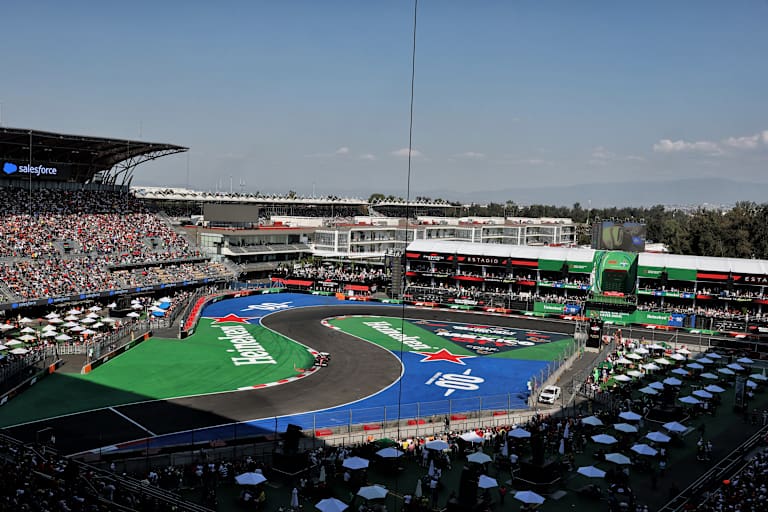
Der Autodromo Hermanos Rodriguez führt z.T. durch ein altes Baseballstadion
Foto: XPB
Der Autodromo Hermanos Rodriguez führt z.T. durch ein altes Baseballstadion
© XPB


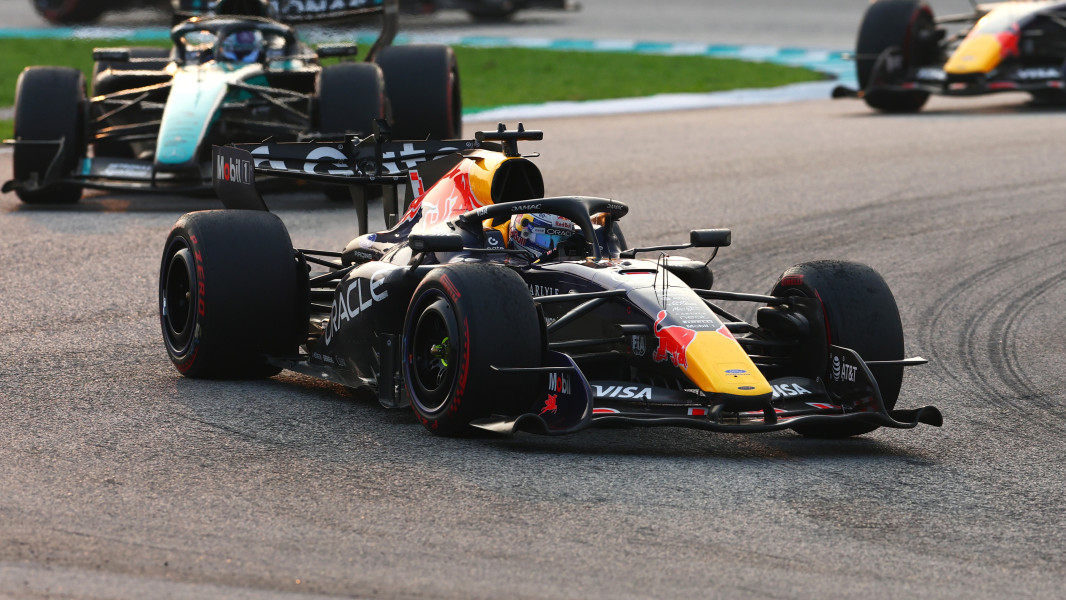
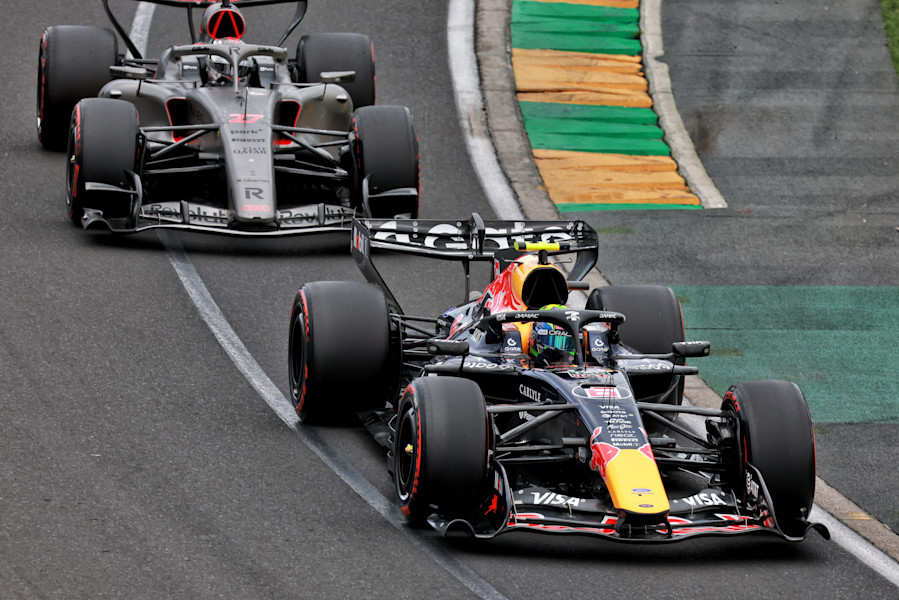
The Formula 1 Mexican Grand Prix is a particular challenge every year. The Circuito Hermanos Rodríguez in Mexico City lies at just over 2,200 metres above sea level. The air is thin. This not only makes the race gruelling for the drivers, but also poses a challenge for the cars.
Mexico City: a challenge for F1 engines
Shintaro Orihara, Trackside General Manager and Chief Engineer at engine manufacturer Honda (which supplies Aston Martin), explains: “Mexico City is the highest-altitude circuit on the F1 calendar. So, naturally, it’s also a major challenge for the power unit. At this altitude, air density decreases. To achieve the same airflow as at sea level, the turbocharger has to work harder. In Mexico, it therefore comes down to how hard we can push the turbocharger and how close to sea-level conditions we can run the engine.”
It is the first time we’ve raced at such altitudes under the new engine regulations, which come into force from the 2026 season. Consequently, there are plenty of unknowns. Orihara: “As there is no MGU-H support this year, the turbocharger is under greater strain. Given this year’s new regulations, it is difficult to fully assess the situation before we actually take to the track. It is therefore of the utmost importance to adapt to the specific conditions in Mexico during free practice.”
Topic of the week
Soon-to-be world champion Kimi Antonelli: The inevitable will then follow in Mexico
The 20-year-old Italian Kimi Antonelli had the chance to secure the 2026 World Championship title at the US Grand Prix. He did everything right: victory in Texas. The title celebrations have nevertheless been postponed. Until Mexico.
TV Program
Seen already?
Don't miss out on any highlights: The Speedweek newsletter, sent out twice a week, delivers the latest news, exclusive commentary and all the important dates from the world of motorsports - directly into your inbox
Results
Full StandingsPos
#
Driver
Driver
Team
Rounds
Time
Fastest Lap
Points
01
12

Mercedes-AMG Petronas Formula One Team
56
1:35:16,650
1:39,086
25
02
16

Scuderia Ferrari HP
56
+13,078
1:37,976
18
03
3

Oracle Red Bull Racing
56
+17,485
1:39,231
15
04
44

Scuderia Ferrari HP
56
+18,515
1:38,457
12
05
1

McLaren Formula 1 Team
56
+30,521
1:39,811
10
06
6

Oracle Red Bull Racing
56
+34,373
1:39,399
8
07
81

McLaren Formula 1 Team
56
+52,674
1:40,328
6
08
63

Mercedes-AMG Petronas Formula One Team
56
+54,303
1:39,928
4
09
30

Visa Cash App Racing Bulls Formula One Team
56
+1:19,183
1:39,652
2
10
10

BWT Alpine Formula One Team
56
+1:27,516
1:40,193
1
Highlight Videos
ServusTV Media Library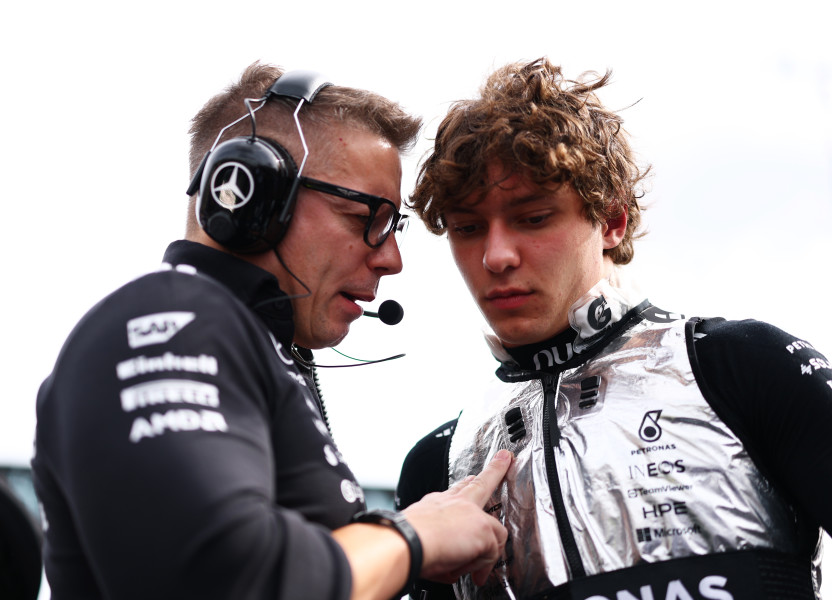
27. Okt. | 3:15 Min
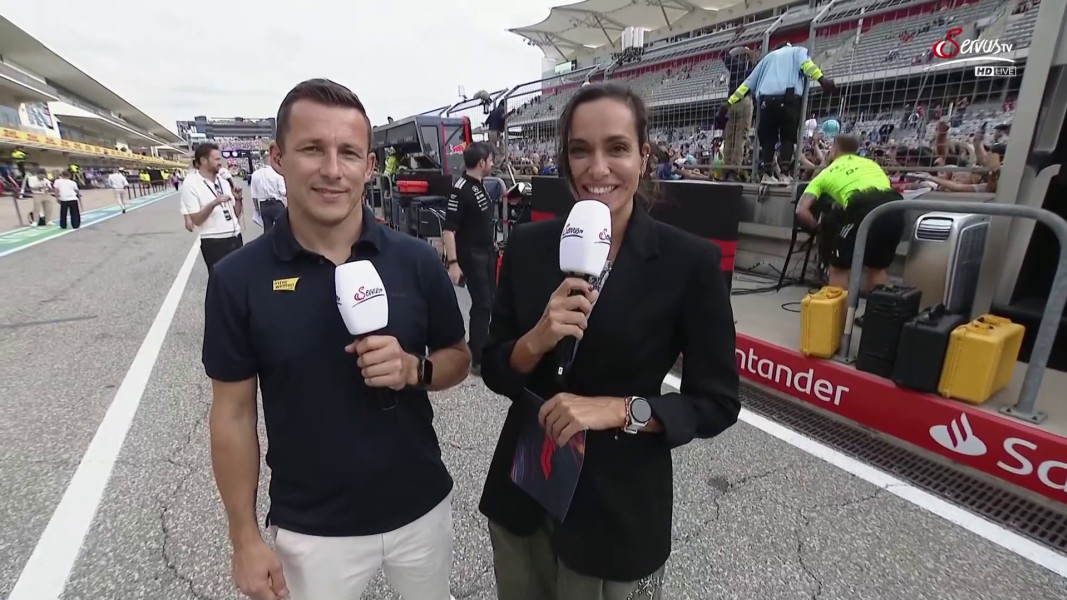
26. Okt. | 50:14 Min
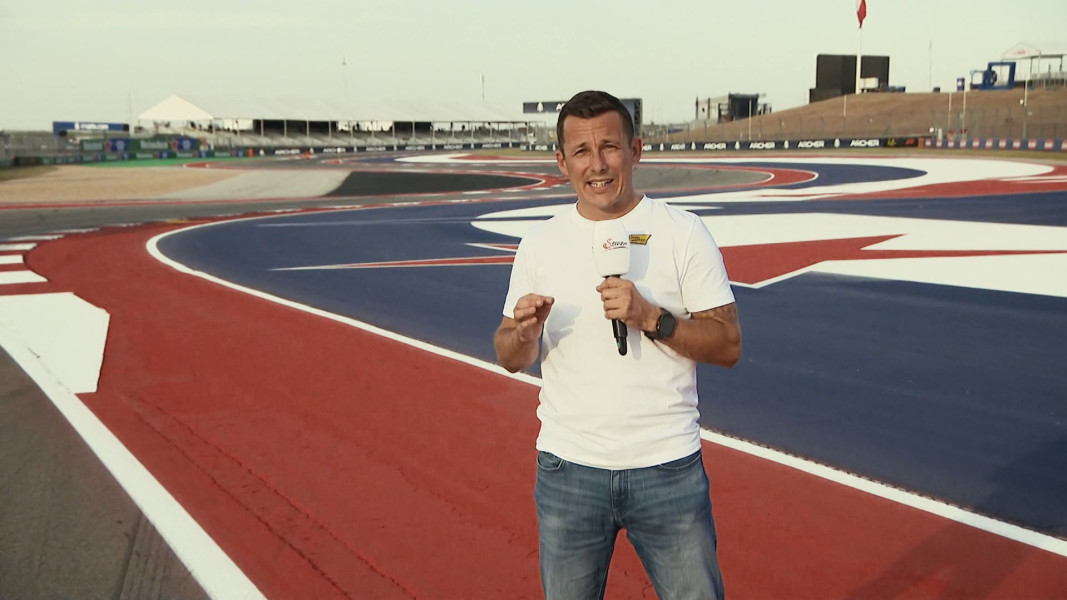
Klien: Das sind die „Mutkurven“ von Austin
25. Okt. | 3:18 Min
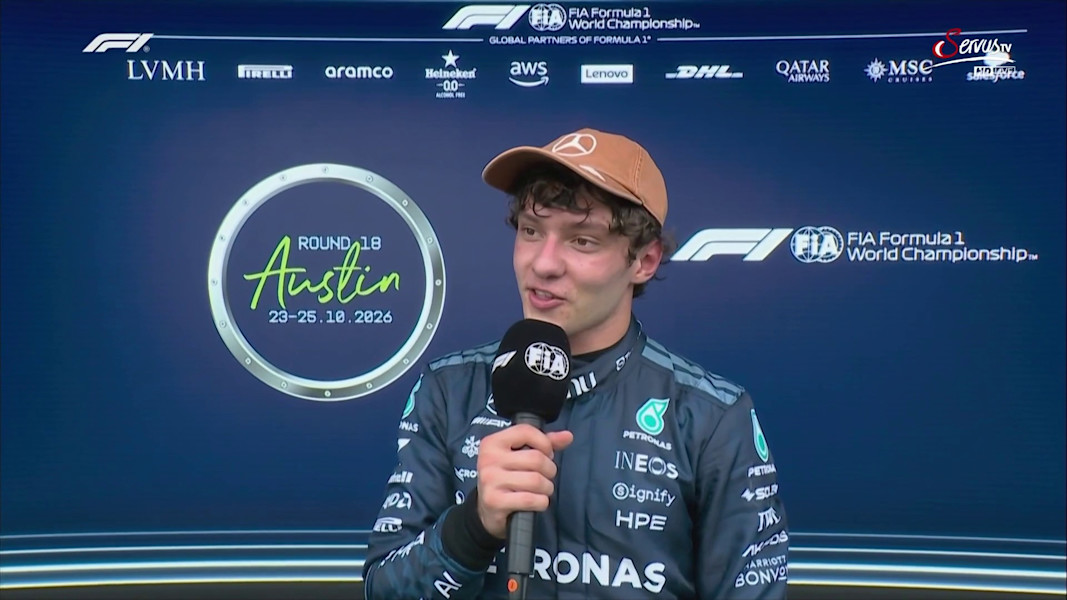
Kimi Antonelli: „Das Ergebnis, das wir brauchten“
25. Okt. | 2:48 Min
25. Okt. | 2:51 Min
Wie die Formel 1 die USA eroberte
25. Okt. | 3:25 Min
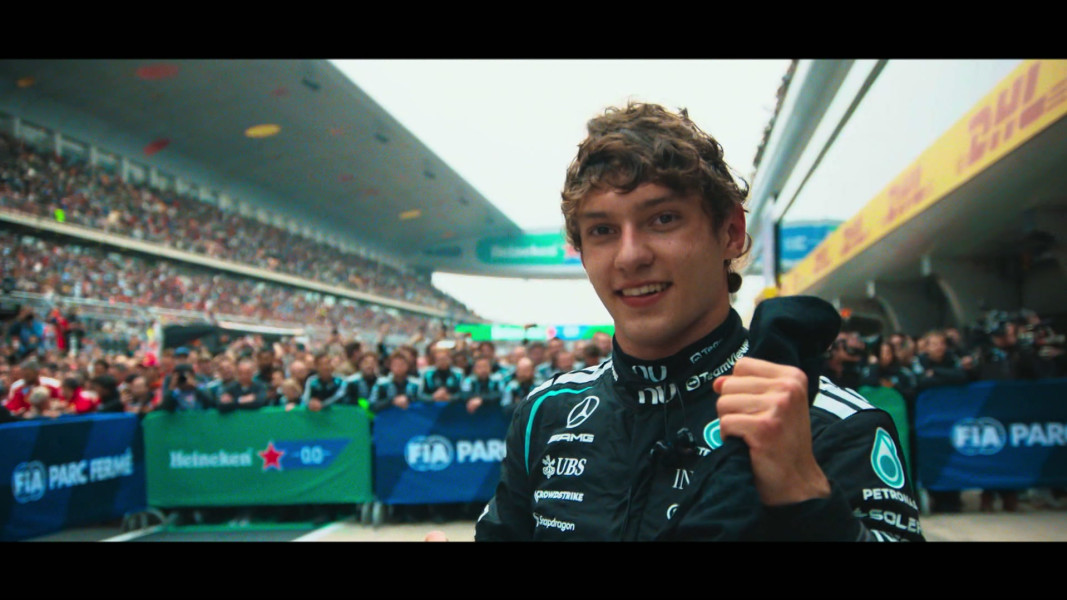
Wie Mercedes-Jungstar Antonelli die F1 erobert
25. Okt. | 3:00 Min
25. Okt. | 33:10 Min
Events
All Formula 1 Events


Formula Cars News
All News

Newest Articles
All ArticlesNew New New