
Carlos Ezpeleta on the controversial topic of ‘tyre pressure’: ‘A cautious approach’
The incidents at the Indonesian Grand Prix regarding ‘tyre pressure’ cry out for change – the premier class has generated unnecessary headlines and confusion. The organisers of MotoGP are well aware of this.
This article is an automatically generated English version. The

Carlos Ezpeleta ist der sportliche Direktor der MotoGP
Foto: Gold and Goose
Carlos Ezpeleta ist der sportliche Direktor der MotoGP
© Gold and Goose


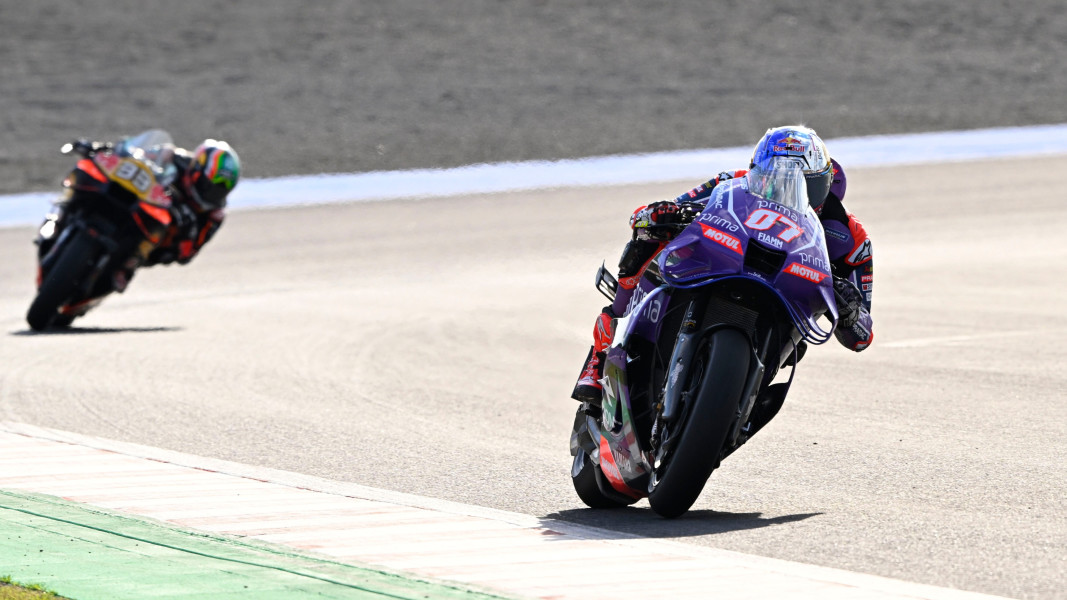
MotoGP is set to deliver thrilling action in 2026 – never before has the battle for the premier class world championship title been so close. Eight riders from six teams, riding three different makes, have won a Grand Prix so far.
But not everything is rosy. During the MotoGP’s visit to the Mandalika International Street Circuit on Lombok at the weekend, the spectacle also had some highly questionable aspects. Key issue: tyre pressure. This is a consistently sensitive area with Michelin racing tyres, which can also lead to differences in performance. 1.8 bar is the prescribed minimum limit during racing.
Letting themselves fall back? Disquiet amongst the spectators
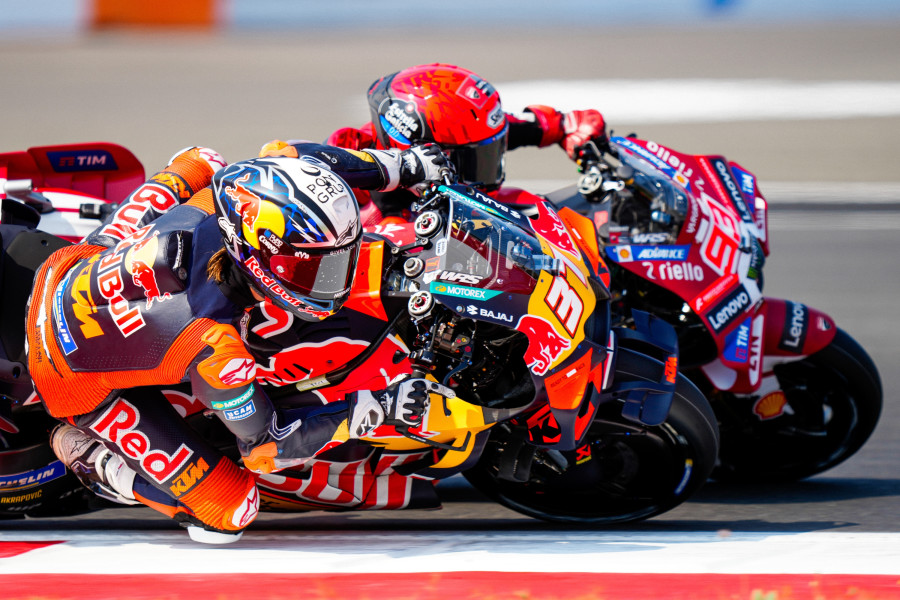
The premier class of motorcycling stands for pure spectacle: man-to-man battles, complete with paint chips flying onto the leather suits. The undignified riding by World Championship leader Jorge Martin in the Sprint and by Pedro Acosta on Sunday in the GP race – driven by the search for warm slipstream from the rider in front and concerns about insufficient tyre pressure – was once again unsettling. It simply does not fit with the very definition of the MotoGP World Championship.
In the case of Aprilia works rider Martin in particular, the scene seemed grotesque – the tyre pressure issue also played a central role in the fiercely contested World Championship duel amidst the heat of Indonesia. It was a weekend on which the ‘Martinator’ had the pace to gain even more points on Marc Marquez.

MotoGP-Elite: Kampf mit den Gegnern – und dem Reifenluftdruck
Foto: Gold and Goose
MotoGP-Elite: Kampf mit den Gegnern – und dem Reifenluftdruck
© Gold and Goose
Topic of the week
Topic of the week: MotoGP’s new schedule proved highly controversial
In 2027, MotoGP will also enter the 850cc era with a new schedule. It was not so much the changes themselves as the way the decisions were reached that caused a stir. A prime example of: ‘Talking helps’.
TV Program
Quite a few people are wondering why the suggestion put forward by the long-suffering KTM rider Pedro Acosta isn’t being taken up straight away? In the interests of fairness, there should be a check shortly before the start of a race – after that, there should be no artificial regulation – every rider should be free to act as they see fit – without information on pit boards or stressful dashboard messages. The riders themselves have the best feel for what the technical package currently demands.
Carlos Ezpeleta, sporting director of the MotoGP Sports Entertainment Group, is aware of the delicate situation, but also emphasised during a media briefing: “The tyre pressure regulations were introduced because, whilst running at very low tyre pressure can offer a performance advantage, it can also pose safety risks. The rules, which are supported by both tyre partner Michelin and the manufacturers, aim to ensure safety and sporting fairness.”
Improvements only in the long term
The manager does not foresee any revolutionary changes to procedures in the near future either: “With regard to MotoGP’s switch to Pirelli in 2027, a cautious approach will be taken initially: the current protocol will remain in place, and safety is the top priority. In the long term, the aim is to develop tyres that are less affected when one rider follows another. It is also about eliminating any potential performance advantage gained by operating close to the minimum pressure limit.”
Carlos Ezpeleta also explained: “The latest technological developments in MotoGP – particularly in the areas of aerodynamics and systems for adjusting the bike’s ride height – have also contributed to a more complex role for tyre pressure.”
However, spectators who do not follow the MotoGP World Championship on a regular basis were left unnecessarily confused and with many unanswered questions last Sunday. And this should be taken very seriously.
Seen already?
Don't miss out on any highlights: The Speedweek newsletter, sent out twice a week, delivers the latest news, exclusive commentary and all the important dates from the world of motorsports - directly into your inbox
Highlight Videos
ServusTV Media Library
14. Okt. | 13:45 Min
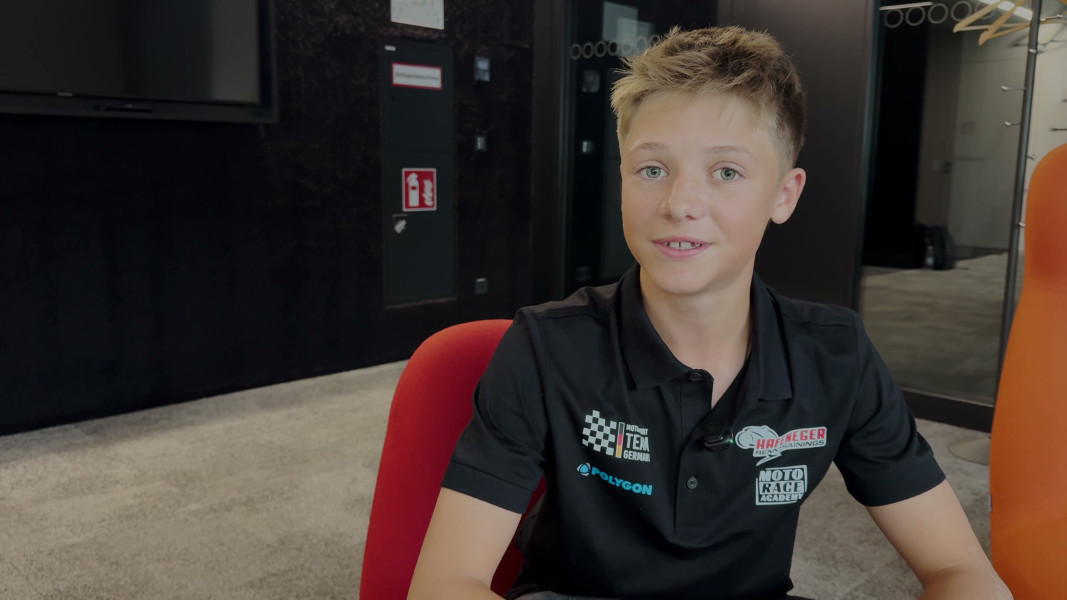
Noch ein Jahr Schule, dann Vollzeit-Profi!
12. Okt. | 11:24 Min
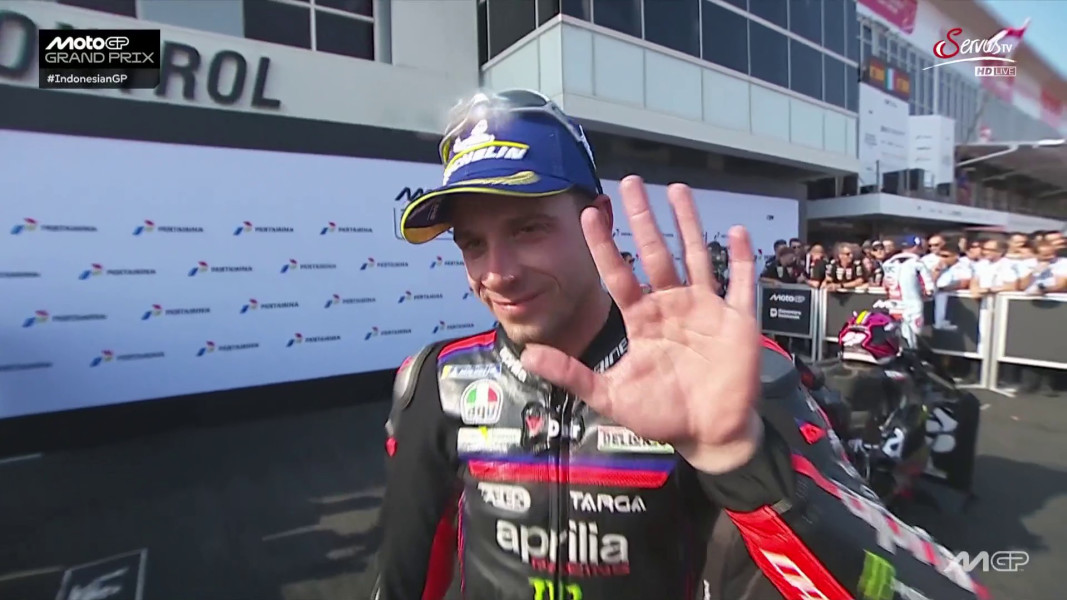
Bezzecchi und Aprilia feiern historischen Sieg
11. Okt. | 6:23 Min
11. Okt. | 10:29 Min
11. Okt. | 7:25 Min
Startcrash! Alonso durch die Luft geschleudert
11. Okt. | 10:50 Min
Coming Up: Mandalika - das sind die Talking Points
11. Okt. | 1:30 Min
Beendet Marquez seinen „Indonesien-Fluch“?
11. Okt. | 1:58 Min
MotoGP News
All News


Newest Articles
All ArticlesNew New New New New New New New


