
Technical guru Gigi Dall’Igna: simulations “to get the most out of it”
MotoGP is becoming increasingly complex, and so are the tools used to manage the motorcycles. Ducati’s head of racing, Dall’Igna, provided an insight into the implications for the Bologna-based manufacturer’s MotoGP department.
This article is an automatically generated English version. The

Gigi Dall'Igna
Foto: Gold & Goose
Gigi Dall'Igna
© Gold & Goose


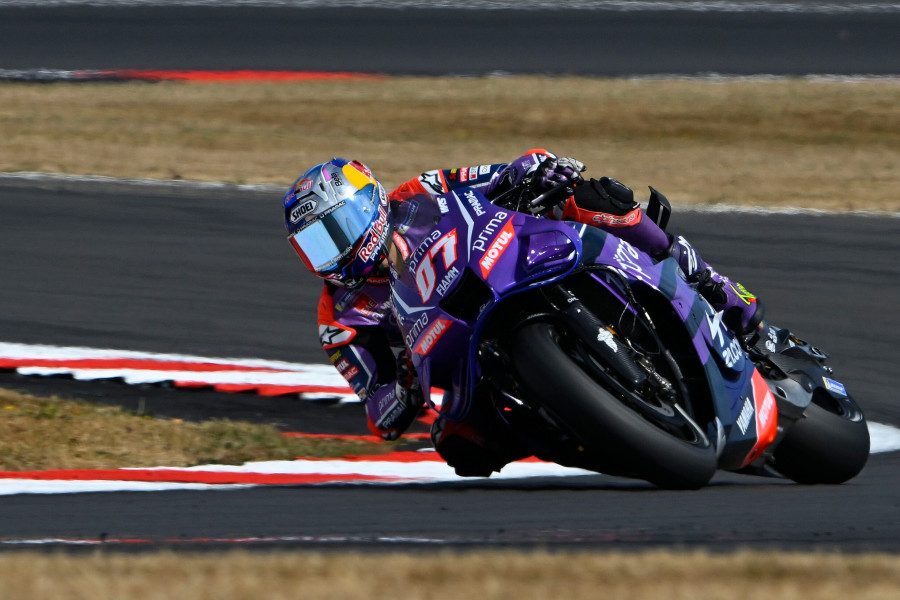
MotoGP is regarded as the premier class of motorcycling and has become increasingly complex from a technical perspective, at least since the start of the four-stroke era in 2002. For outsiders, the sheer volume of information and measurement data alone has reached almost unimaginable proportions. Yet it has long been about far more than just lean angle, brake pressure or fuel consumption. The teams have to collect, analyse and utilise a vast amount of data to achieve maximum success. Ducati’s Head of Racing, Luigi ‘Gigi’ Dall’Igna, explained to his Australian colleagues at ‘MCNews’ how the team tackles this challenge.
The basis for this is the enormous volume of data. It ranges from sensors on the motorbikes, through airflow and engine pressure measurements taken in the wind tunnel, to tyre temperatures at different points during a race and in various corners.
Artificial intelligence vs. physical simulations
Interpreting these measurements is becoming increasingly important. Extensive simulations – ranging from complete race scenarios to individual components of the motorbike – can provide decisive advantages in the battle for hundredths of a second.
“Simulations are now a standard part of the development process, and our tools for this have advanced significantly over the past ten years,” explained Dall’Igna. “Whilst there are still areas where we have some way to go, we can work very precisely in others and achieve good results.”

Ducati und Lenovo verbindet eine mehrjährige Partnerschaft
Foto: Ducati Corse
Ducati und Lenovo verbindet eine mehrjährige Partnerschaft
© Ducati Corse
Four weeks ago, Aprilia headed into the summer break from Germany with a badly injured Marco Bezzecchi. The response came from the heart of British motor racing: ‘Together we are strong!’
TV program
To cope with the sheer volume of figures and data, Ducati is continuously refining its processes, relying in part on artificial intelligence. However, Dall’Igna does not want AI to be seen as a panacea. Rather, it is one of several tools used alongside traditional methods.
“There are areas of the motorbike that we can understand better using AI tools than with physical simulations. In other areas, however, the physical model has its advantages,” explained the 60-year-old. Deciding which tasks should be tackled with which tools therefore also presents an organisational challenge.
Lenovo: more than just a sponsor
Ducati can draw on the expertise of the technology company Lenovo, which also acts as the main sponsor of the MotoGP factory team. According to Dall’Igna, the Bologna-based team works with this partner “not only to prepare the motorbike directly, but also to develop it further”.
One example of this is the complex aerodynamics. “Different fairings, different winglets, various details – everything that makes the motorbike faster,” said Dall’Igna, listing the areas of development.
Ducati also puts considerable effort into tyre management. More than 20 engineers are dedicated solely to this area during a race weekend, both at the circuit and at the factory in Bologna. Tyre pressure plays a key role in this. It is not a fixed value, but changes depending on numerous factors over the course of a race.
“We put a lot of work into tyre management. For example, determining the correct tyre pressure for the start of the race so that it remains within the permitted range by the end of the race,” explained Ducati’s head of racing.
Ultimately, this enormous technical and human effort is aimed at a single goal. As Dall’Igna summarised, it is about ‘getting the most out of’ all available options.
Seen already?
Don't miss out on any highlights: The Speedweek newsletter, sent out twice a week, delivers the latest news, exclusive commentary and all the important dates from the world of motorsports - directly into your inbox
Highlight videos
ServusTV media library
13. Aug. | 11:46 Min
9. Aug. | 1:21 Min
Manuel Gonzalez 1on1: So tickt der Moto2-Star
9. Aug. | 3:32 Min
9. Aug. | 19:07 Min
9. Aug. | 5:02 Min
8. Aug. | 2:23 Min
Aprilia setzt Ducati unter Druck
8. Aug. | 4:25 Min
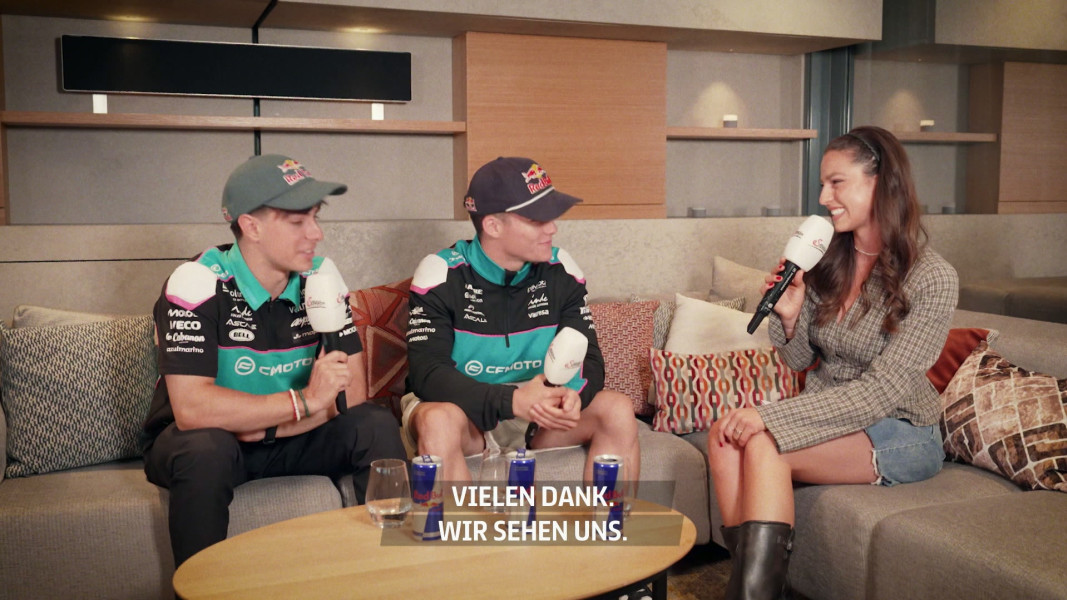
David Alonso & Dani Holgado: Die MotoGP ruft!
8. Aug. | 4:21 Min
MotoGP News
All news


Newest articles
All articlesNew New New


