
MotoGP is not the death knell for the World Superbike Championship: Yamaha’s racing boss explains why
As far as the number of manufacturers is concerned, interest in the SBK championship classes is higher than in the MotoGP paddock. Nevertheless, the question keeps cropping up as to whether both series are necessary.
This article is an automatically generated English version. The

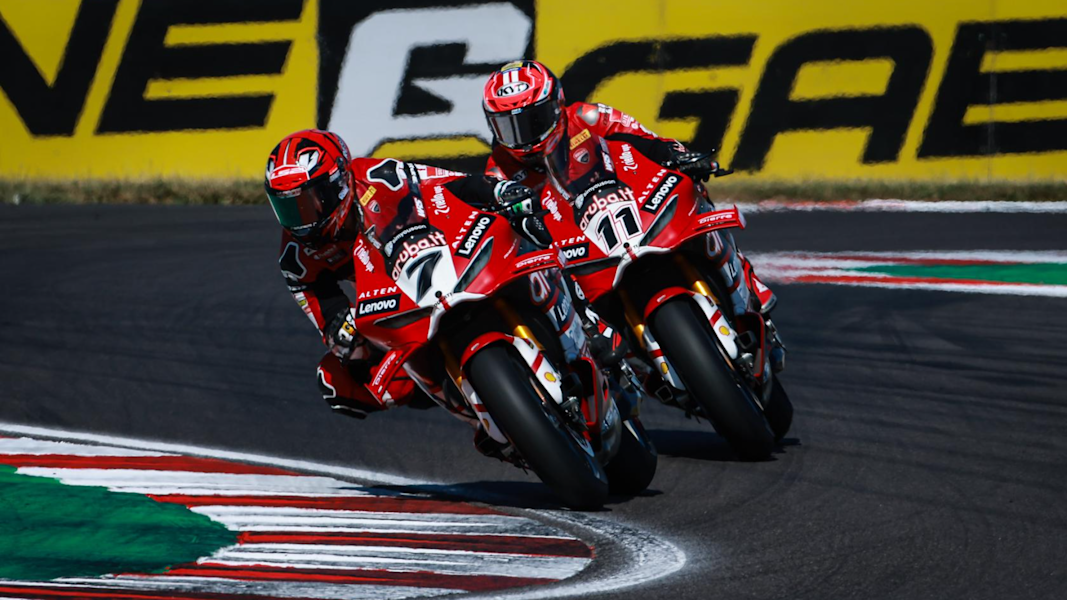
MotoGP oder Superbike? Nur Experten sehen es auf den ersten Blick
Foto: ducati
MotoGP oder Superbike? Nur Experten sehen es auf den ersten Blick
© ducati


In 2002, 990cc four-stroke engines were permitted in MotoGP for the first time; within a year, they had replaced the 500cc two-stroke engines, which had become obsolete. From 2007 to 2011, the series ran on 800-cc engines; since then, engines of up to 999 cc have been used.
Ever since four-stroke engines have also been permitted in the premier class of two-wheeled racing, there is hardly any difference between MotoGP and Superbike for the uninitiated observer. Some therefore described this move by MotoGP as the death knell for the Superbike World Championship. When manufacturers began fitting their MotoGP machines with all manner of aerodynamic wings, the visual difference became more pronounced. It did not take long, however, for Superbikes to follow this trend; all homologated production motorcycles now feature downforce-generating winglets on their fairings.
From 2027, the bikes will once again be more clearly distinguishable simply by their engine capacity. When
GP racing has become very expensive
Manufacturers are regularly asked to consider which classes they should compete in. Grand Prix racing has become so expensive over the years that only Aprilia, Ducati, Honda, KTM and Yamaha remain in MotoGP today. In Moto2, standardised engines from Triumph are used for cost reasons, and
Participation is significantly higher in the paddock of the production-based World Motorcycle Championship. A total of 13 manufacturers are currently involved in the Superbike, Supersport and Sportbike classes: Honda, Kawasaki, Suzuki and Yamaha from Japan; Kove, QJ Motor and ZX Moto from China; and Aprilia, Bimota, BMW, Ducati, MV Agusta and Triumph from Europe. With
Ferrari came away empty-handed at the Dutch Grand Prix: Lewis Hamilton finished fourth, Charles Leclerc fifth. Afterwards, both drivers were angry, and team principal Fred Vasseur found himself having to explain the situation.
TV program
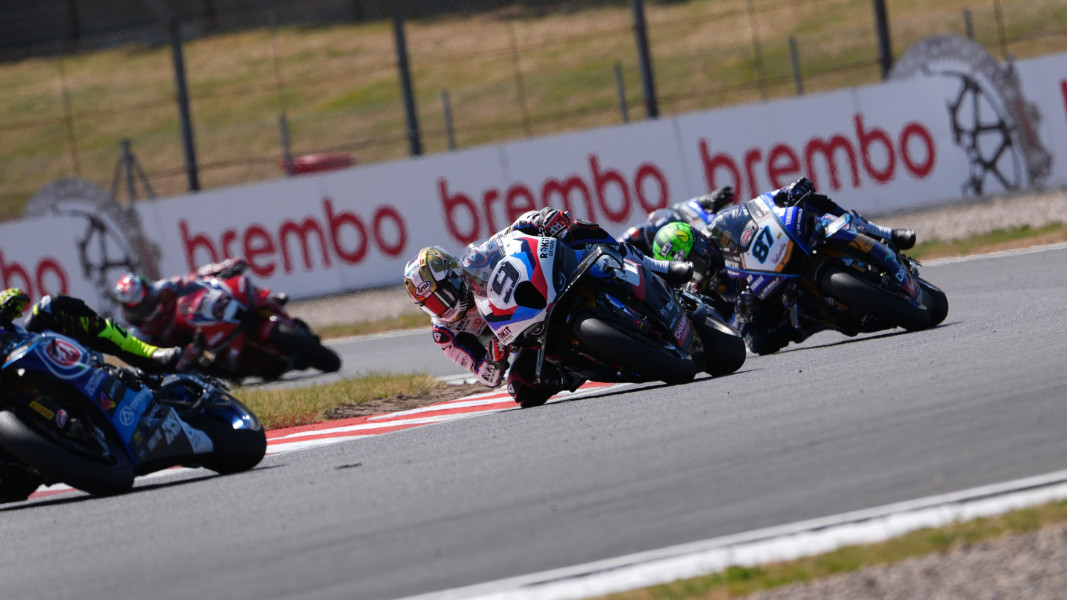
MotoGP is expensive, and building a motorcycle of this calibre is complicated.Paolo Pavesio
On the big stages, we currently see only three manufacturers – Ducati, Honda and Yamaha – competing in both the MotoGP and Superbike World Championships. “We need both championships,” emphasised Yamaha’s MotoGP racing director Paolo Pavesio in an exclusive interview with SPEEDWEEK.com. “Because the Superbike World Championship has all the characteristics to complement MotoGP. MotoGP is the pinnacle of the sport, the most expensive showcase for technology – it is the Formula 1 of motorcycling. The consequence of this is that it has accessibility issues. MotoGP is expensive, and building such a motorbike is complicated. At present, only five manufacturers are capable of doing so. We are striving to ensure that Moto2 and Moto3 are affordable, but they remain relatively expensive categories, if only because of the 22 events per year.”
SBK involvement complements MotoGP
“The World Superbike Championship is accessible from every point of view,” added the Italian. “You can talk to anyone in the paddock; the riders are more approachable. And anyone can buy these motorbikes in a shop. That’s where this championship complements MotoGP. The World Superbike Championship needs to be more accessible – for the fans, but also for the manufacturers, when we’re talking about their investments. That’s why, as a representative of a Japanese brand, I’m delighted that manufacturers from China are here and that more are coming. Because that will ensure that the sport and the industry grow. China is the second-largest market: when fans from there watch the races, they see Yamaha too. SBK is the place where fans can come into direct contact with the motorbikes for the first time. And if we go about it cleverly, we can make competing in the series truly affordable. The Balance of Performance in the Supersport class is the way to pit different designs against one another.”
Pavesio sees another point in favour of the World Superbike Championship: “It should enable us to tap into new markets where there are as yet no circuits with A-homologation, as required for MotoGP. That’s where we need to go to build fan interest – and once that has grown sufficiently, we can take MotoGP there. These are things we discussed at length before the manufacturers signed the

Paolo Pavesio
Foto: Gold & Goose
Paolo Pavesio
© Gold & Goose
Seen already?
Don't miss out on any highlights: The Speedweek newsletter, sent out twice a week, delivers the latest news, exclusive commentary and all the important dates from the world of motorsports - directly into your inbox
Highlight videos
ServusTV media libraryIrre Aufholjagd & Dominanz pur!
12. Juli | 1:32 Min
12. Juli | 4:50 Min
12. Juli | 1:24 Min
11. Juli | 1:31 Min
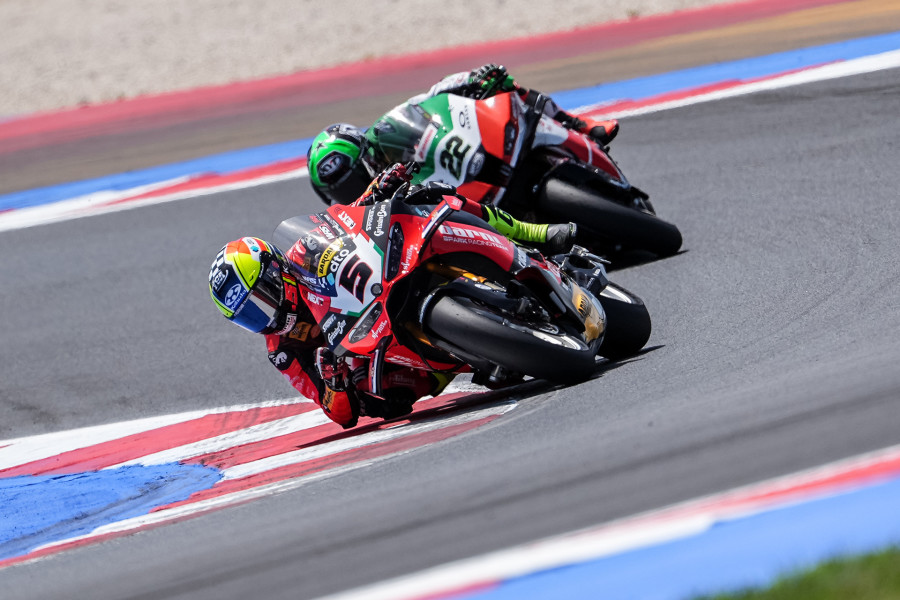
Drama kurz vor der Zielflagge!
14. Juni | 1:32 Min
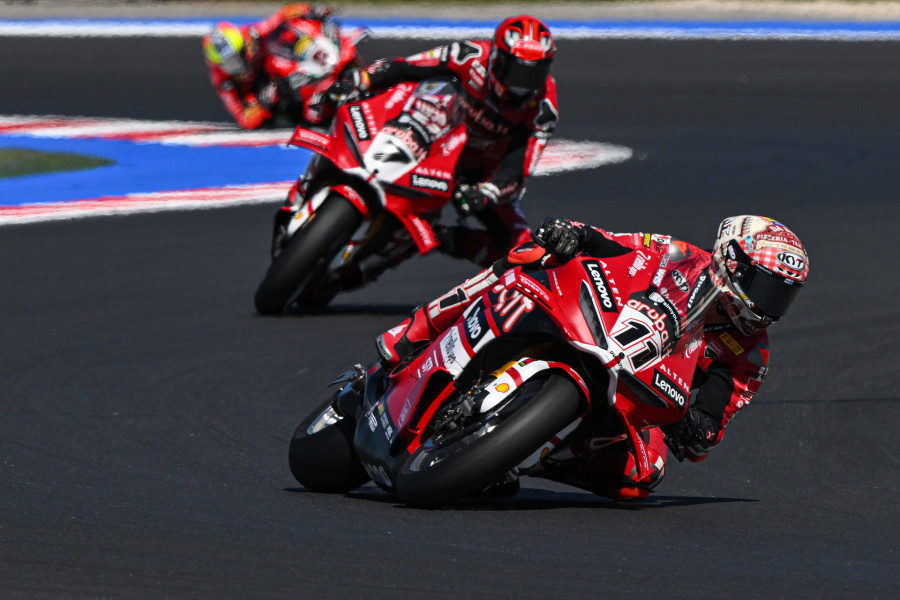
14. Juni | 1:30 Min
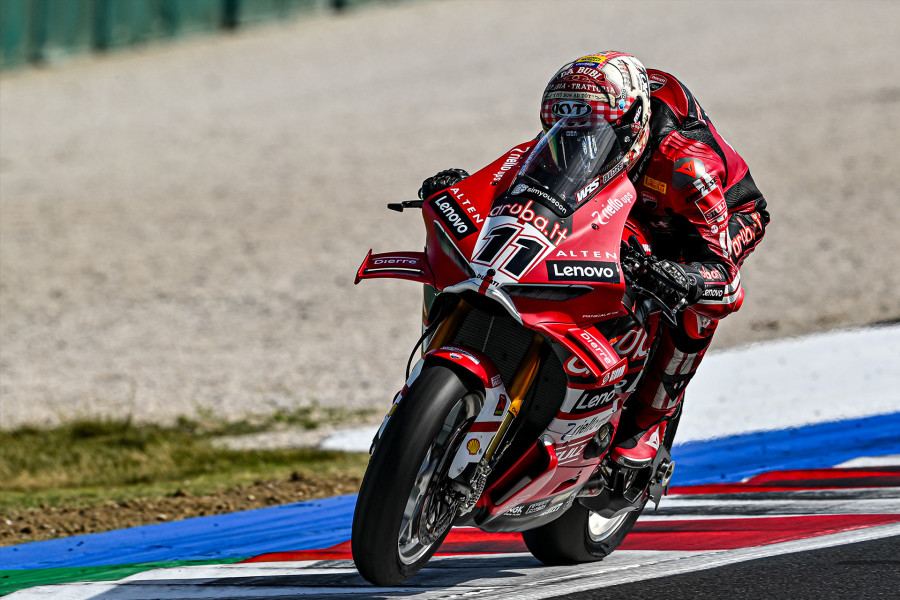
13. Juni | 1:32 Min
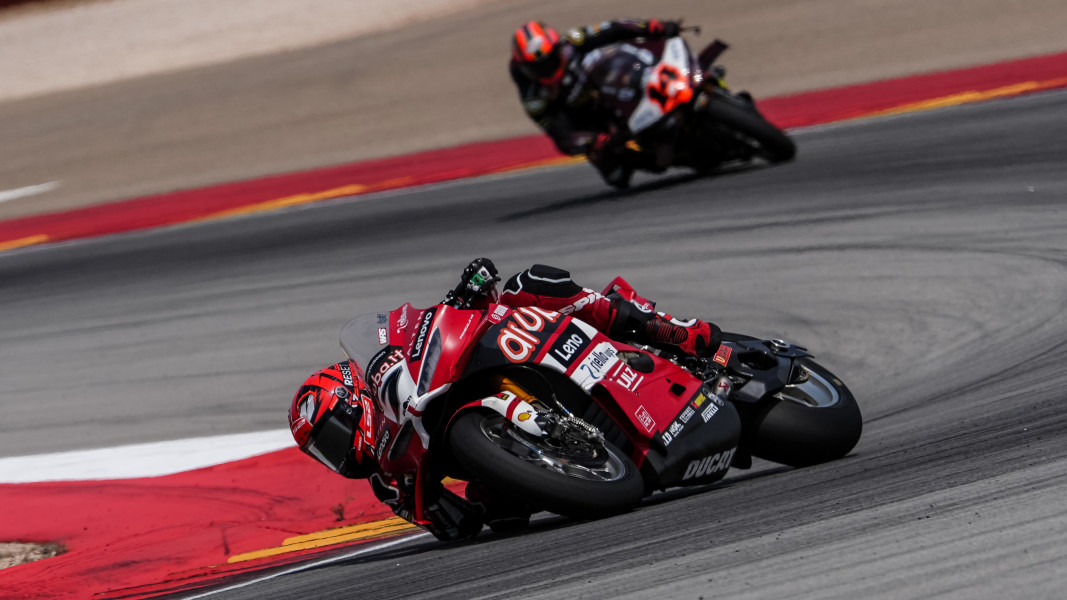
31. Mai | 1:31 Min
WorldSBK News
All news


Newest articles
All articlesNew


