A Japanese classic reimagined: the Suzuki SV-7S breathes new life into the SV650
The SV-7GX already hinted at this in 2025, and with the SV-7S, Suzuki is confirming it at EICMA 2026: the mid-range V2 has not had its day at Suzuki – quite the opposite. More models are set to follow.
This article is an automatically generated English version. The
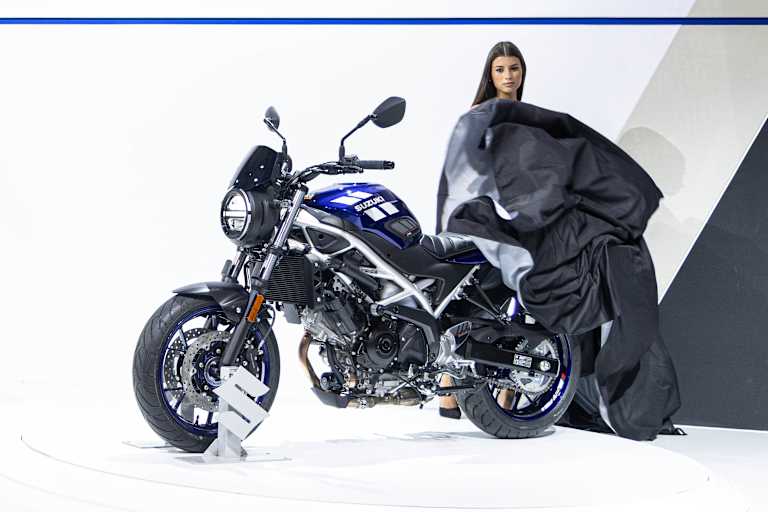
Die neue Suzuki SV-7S
Foto: Suzuki/Bernhard M. Hoehne
Die neue Suzuki SV-7S
© Suzuki/Bernhard M. Hoehne


Suzuki is trying to please everyone in the mid-range segment of the motorbike market. In 2022, the Japanese manufacturer launched a model range featuring an in-line twin-cylinder engine – a configuration that has long been the standard in the 600 to 900 cubic centimetre displacement segment. An entire model range is now based on this, ranging from the GSX-8S naked bike to the V-Strom 800 touring enduro and the retro roadster. However, the fact that the classic V2 has not yet had its day at the Hamamatsu-based brand was demonstrated at EICMA in 2025, when the SV-7GX – a new sports crossover based on the V2 and designed to rival Yamaha’s Tracer 7 – was unveiled.
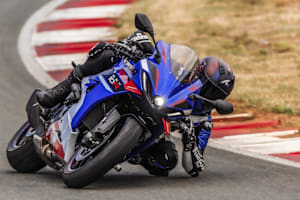
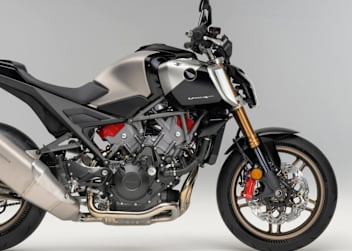
Now, the Japanese brand is once again using the leading trade fair in Milan to unveil a naked bike based on the same platform. Instead of the SV650, this will be known as the SV-7S. The new motorbike is essentially a refreshed SV650: the tubular steel frame, the chassis with steel swingarm and telescopic fork, and large parts of the design have been carried over virtually unchanged from the classic model, as has the V-twin engine. It boasts a displacement of 645 cubic centimetres, which is sufficient for 73 PS and 64 Newton metres of torque at 6,800 rpm. The bike weighs in at exactly 200 kilograms. Ride-by-wire, a quickshifter and TFT instruments are standard features in this class, and Suzuki is no exception. Externally, the new SV can be distinguished from its predecessor primarily by its new LED lighting, which comes from the GSX-8TT’s spare parts catalogue.
So the V2 is enjoying a new lease of life at Suzuki. It is said to have been ‘tried and tested for 25 years’. According to the Japanese representatives at EICMA, there had actually been no plans to remove the engine from the range altogether. Its fan base is simply too loyal. The original problem: homologating the engine for Euro 5+ had been complex and had thrown the schedule into disarray. Fitting the engine not only into the tried-and-tested naked bike but also into a sports tourer was just the beginning; further models would follow. Exactly which ones remains officially unconfirmed. This much is clear: in Hamamatsu, there are no fears of cannibalisation effects with the mid-range in-line twin family within their own model range. Despite being close in price, the two twin-cylinder models differ sufficiently; moreover, the “decision in favour of the V2 is a matter of philosophy.”
With his third-place finish at the Mexican Grand Prix, Kimi Antonelli has become the youngest of the 36 Formula 1 world champions to date. The 20-year-old Italian is on a record-breaking run. The Tifosi are dreaming of Antonelli in a Ferrari.
Seen already?
Don't miss out on any highlights: The Speedweek newsletter, sent out twice a week, delivers the latest news, exclusive commentary and all the important dates from the world of motorsports - directly into your inbox
Products News
All News
Newest Articles
All ArticlesNew New New