DMSB’s heat protection plan provides practical guidance for the sport
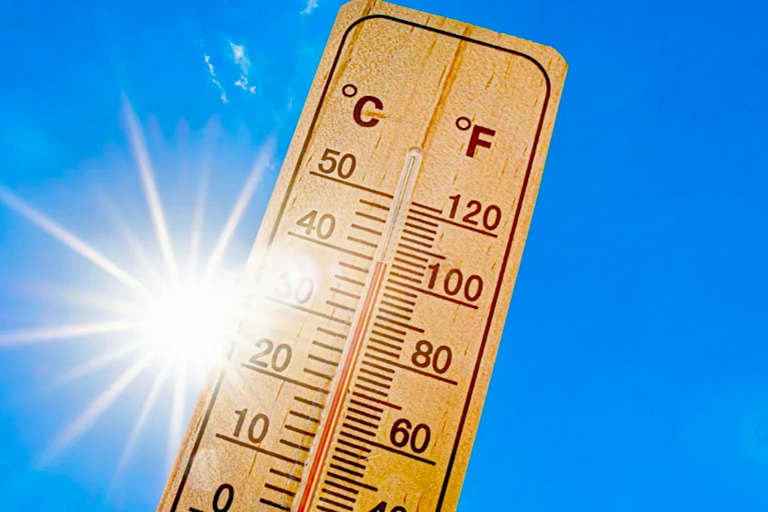
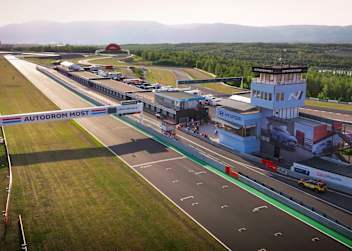
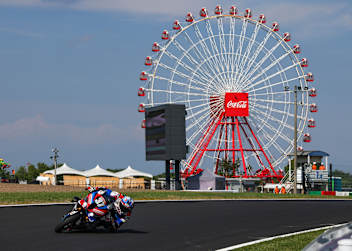
The Euro Moto weekend at Most pushed the riders and their teams to the very limits of what is possible. Temperatures of around 40 degrees made Most the hottest venue.
This article is an automatically generated English version. The
Hitze wird zunehmend ein Thema
Foto: DMSB
Hitze wird zunehmend ein Thema
© DMSB


Even during the IDM era, there have been some scorching races in recent years. But whatever your views on climate change, everyone has to admit that the Euro Moto weekend at Most – with daytime temperatures of 40 degrees, tropical nights well over 20 degrees and an asphalt temperature of 70 degrees on race Sunday – topped everything we’ve seen so far. Even seasoned riders, who have previously competed in races in Asia and central Spain, readily admitted that they had never experienced anything quite like Most before. And this is unlikely to be the last heatwave to hit us.
The German Motor Sport Federation (DMSB), in collaboration with the German Olympic Sports Confederation (DOSB), has now published a model heat protection plan. The aim is to support clubs, federations and organisers in better preparing sporting activities and events for high temperatures and in protecting the health of all those involved.
Health is the top priority
The plan is aimed not only at athletes, but also explicitly at coaches, sports officials, volunteers and spectators. It contains accessible recommendations for preparatory, short-term and long-term measures and is designed as a dynamic tool that can be adapted to regional conditions and different sports. Key measures include, amongst other things, sufficient drinking facilities, shade and cooling facilities, adjusted training times, and organisational precautions for heatwaves. The plan thus complements the Federal Ministry of Health’s heat protection plan and helps ensure that people remain able to function even in high temperatures.
According to the World Health Organisation (WHO), people who participate in sport are among the risk groups most affected by climate-related health risks. Every federation and every club will face the impacts of climate change in future. For sport, more frequent, longer and more intense heatwaves are among the most significant impacts of climate change. This model heat protection plan is intended for clubs and federations. It is designed to help them protect athletes, full-time staff and volunteers, officials and support staff, as well as spectators, from heat-related health risks. According to the DOSB plan, to ensure the widest possible effectiveness, it is important that inclusion and accessibility are taken into account when implementing all measures.
The model heat protection plan is based on a recommendation published by the German Alliance on Climate Change and Health (KLUG) e.V. in collaboration with the Mannheim Medical Faculty of Heidelberg University, the German Olympic Sports Confederation (DOSB) and other stakeholders. The plan is constantly updated in line with the latest findings. However, the measures are not exhaustive and should be reviewed regularly and adapted as necessary.
Before the start of the season, critical voices dominated, but the World Championship rounds so far have shown that the rule changes are delivering exactly what was hoped for: excitement right up to the final lap.
Examples from the current heat protection plan
- Draw up a heat management plan for sports facilities, covering both indoor and outdoor areas. This should identify areas particularly affected by heat, as well as cool spots, rest areas, water refill stations, ice cabinets, toilet facilities and first-aid stations
Review technical heat protection options and procure them where necessary, e.g. pavilions, sun sails, blinds, shade nets, misting systems, drinking water dispensers and cool boxes.
- Take the provision of shade for spectator areas into account right from the planning stage of competitions
- Appoint a person responsible for heat protection and inform full-time staff and volunteers about the development of a heat protection plan.
- Draw up a list of measures for acute heat warning levels 1 and 2 and define procedures for dealing with extreme weather events (such as thunderstorms and heatwaves) during training sessions, competitions and events.
- Draw up contingency plans for situations of shortage (energy, water)
- Determine whether and when competitions may be cancelled or postponed in the event of extreme heat.
- Finalise catering arrangements for summer events in good time
. Check hygiene standards – including where catering is provided by volunteers – to prevent foodborne infections.
- Set up a communication structure and define it based on the heat warning levels (internal and external communication).
- Designate cool areas and display a heat guidance map or position it in a clearly visible location. Provide (mobile) shade in public areas.
People who take part in sport are among the risk groups particularly affected by climate-related health risks.World Health Organisation
Neither the heat protection plan nor the DMSB makes any mention of the associated costs. There is also fundamental discussion about restructuring training and competition schedules. This includes, amongst other things, extending the summer break and thereby shortening the winter break, or shifting start times to the morning or evening hours.
Sooner or later, promoters, organisers and circuit operators will have to give this some serious thought. Most was just a foretaste of what may yet lie ahead. A little preparation can therefore do no harm.
Seen already?
Don't miss out on any highlights: The Speedweek newsletter, sent out twice a week, delivers the latest news, exclusive commentary and all the important dates from the world of motorsports - directly into your inbox
Euro Moto News
All news



Newest articles
All articlesNew New