Condescending attitude towards Pirelli: MotoGP paddock had to change its mindset
For decades, tyre manufacturer Pirelli was ridiculed by the MotoGP paddock because production tyres are used in the World Superbike Championship. From 2027, the Italians will be supplying all three prototype classes.
This article is an automatically generated English version. The
Pirelli rüstet ab 2027 die MotoGP-WM aus
Foto: gerhard schiel
Pirelli rüstet ab 2027 die MotoGP-WM aus
© gerhard schiel


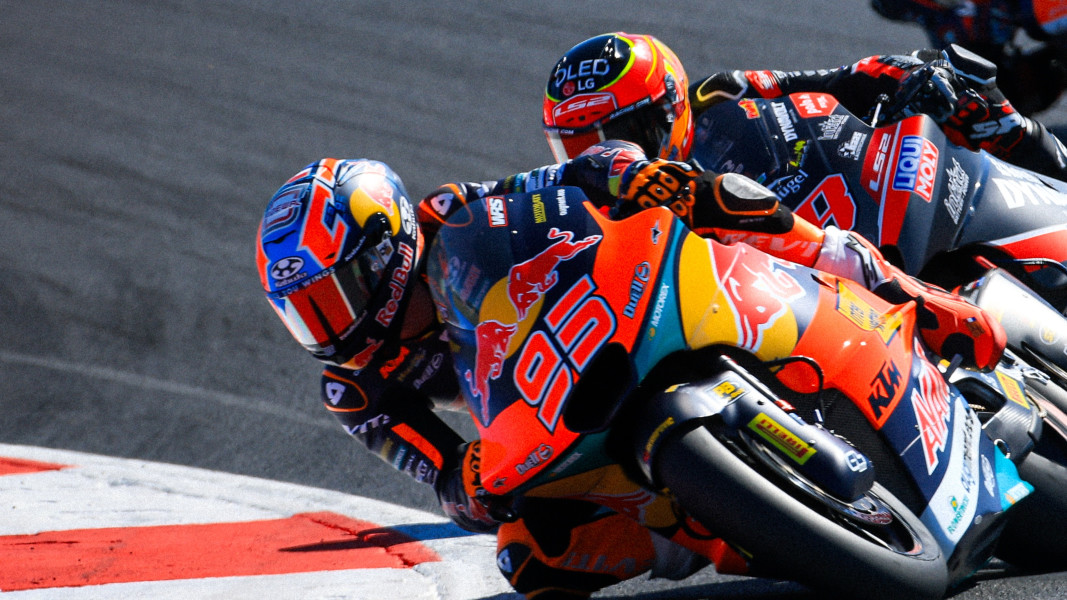
Since 2004, Pirelli has been supplying racing tyres to the World Superbike Championship and its respective supporting categories; this year, these are the Supersport, Sportbike and Women’s classes. 2027 will mark the dawn of a new era, when Pirelli will become the sole tyre supplier for MotoGP, in addition to the Moto3 and Moto2 World Championships; tyre supplier Michelin will take over these duties in the SBK paddock.
There is a certain irony in this development, as for two decades the MotoGP paddock had been mocking Pirelli and its production tyres in the World Superbike Championship. “I find that amusing too,” smiled Pirelli’s racing director Giorgio Barbier in an exclusive interview with SPEEDWEEK.com. “I didn’t expect this to happen in my lifetime either, but I’m happy about it. When we started with Moto2 and Moto3, we told them that we didn’t want to make prototypes just for this championship. We wanted Superbike tyres for Moto2. For Moto3, we supply standard slicks that we’ve had in our range for several years, but which didn’t sell particularly well, as the championship was dominated by our competitors and not many wanted to use anything else.”
Prototypes aren’t any more complicated either
The Milan-based executive continued: “After two years’ experience, the promoter got a good idea of what we do. Perhaps they hadn’t paid much attention to what we’ve been doing in the Superbike World Championship for a long time, and that this is a technically interesting challenge. Back then, the attitude in the GP paddock was also: ‘Right, you’ve made it this far, but you’ve still got a lot of work ahead of you, because Moto2 is so different. It would take us a long time to reach Dunlop’s level. And that these motorbikes would be complicated because they’re prototypes.’ Within two races, their views changed; nobody says anything like that anymore. When you consider that half the people in Moto2 and Moto3 came from the SBK paddock, that attitude was rather strange.”
Recommendations
Harley-Davidson World Cup
Granado furious with Andrea Iannone: “What he did is unacceptable!”
Back then, we were way behind our competitors’ tyres.Giorgio Barbier on 2004
Then Barbier struck a conciliatory note: “When you switch paddocks, it’s like stepping into a different world. We saw that attitude at Dorna too. But in every class – MiniGP, Moto3 and Moto2 – we proved that we’re capable of pulling it off. It’s a funny story – we’ve also shown in the GP paddock that we can put on good, faster races using standard products – in terms of both lap times and race pace. That really caught people’s attention.”
Topic of the week
Spanish Grand Prix at the new Madring: track – hit or miss?
The people of Madrid had set their sights high for their city’s first Formula 1 World Championship race since 1981. But have the high expectations for the new Madring mixed-circuit track really been met?
TV Program
SPEEDWEEK.com followed up by asking whether the new challenge in MotoGP could be compared to the entry into the World Superbike Championship in 2004. “Back then, we were a long way behind our competitors’ tyres,” Barbier admitted. “The mindset of the riders, manufacturers and teams – of everyone in the paddock – was completely opposed to innovation, so it was difficult to explain that Pirelli works differently. Today, everyone knows that Pirelli is different.”
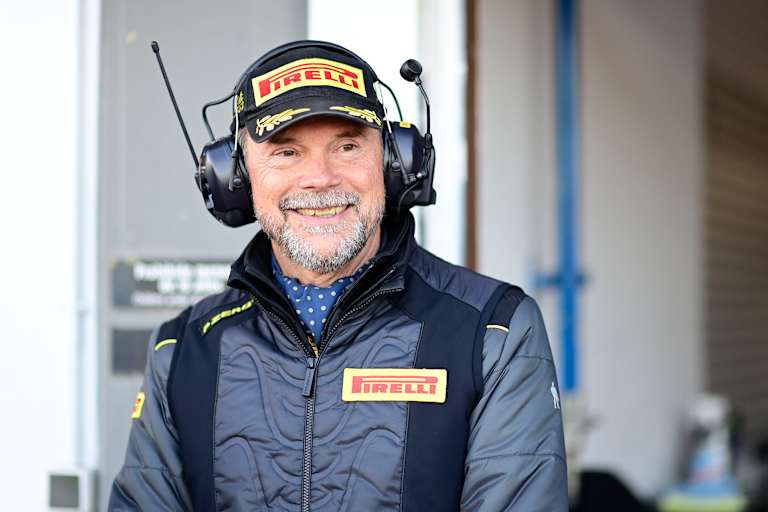
Pirelli-Rennchef Giorgio Barbier
Foto: gold & goose
Pirelli-Rennchef Giorgio Barbier
© gold & goose
Seen already?
Don't miss out on any highlights: The Speedweek newsletter, sent out twice a week, delivers the latest news, exclusive commentary and all the important dates from the world of motorsports - directly into your inbox
Championship Standings
Full Standingsorg-location for [2026] 2026
2026
2025
2024
2023
Pos
Driver
Team
Points
1


306
2


294
3

264
4


234
5


230
6


222
7

203
8


158
9

156
10

115
Highlight Videos
ServusTV Media Library
22. Sept. | 3:57 Min
„Haben gezittert bis zur letzten Kurve"
20. Sept. | 4:01 Min
20. Sept. | 41:28 Min
Pedro Acosta: „Danke an alle Fans“
20. Sept. | 5:36 Min
20. Sept. | 3:52 Min
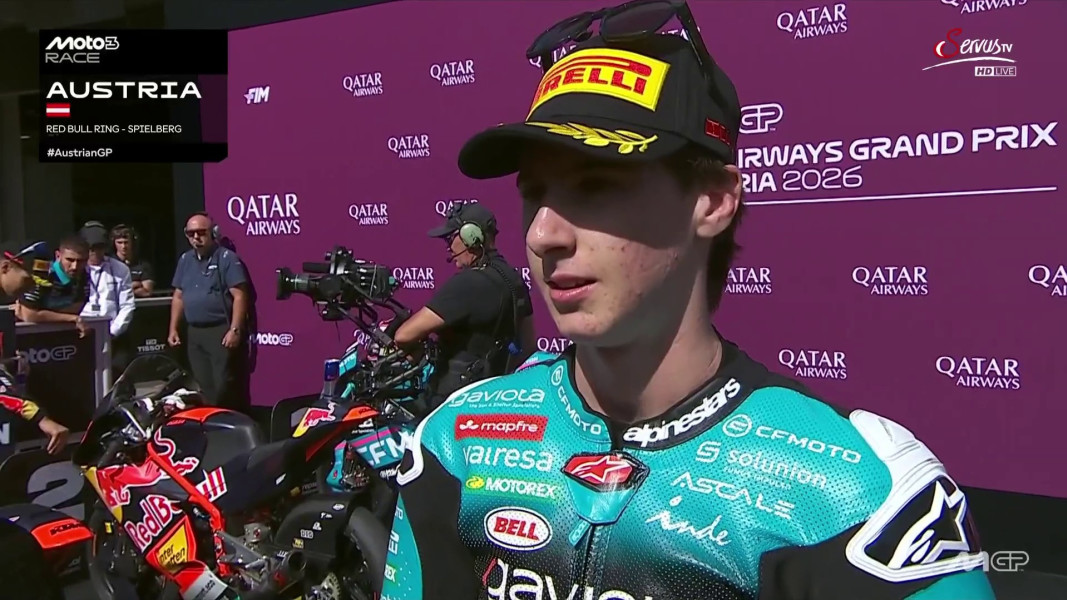
Quiles: „Es war toll, in Österreich zu fahren“
20. Sept. | 3:15 Min
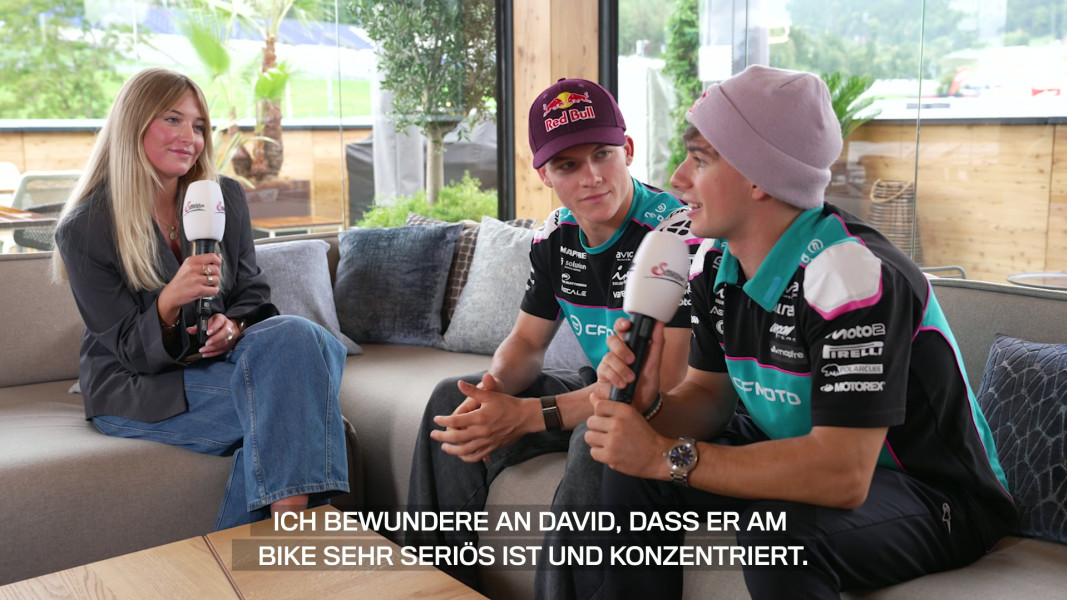
Holgado & Alonso beantworten eure Fragen!
20. Sept. | 4:01 Min
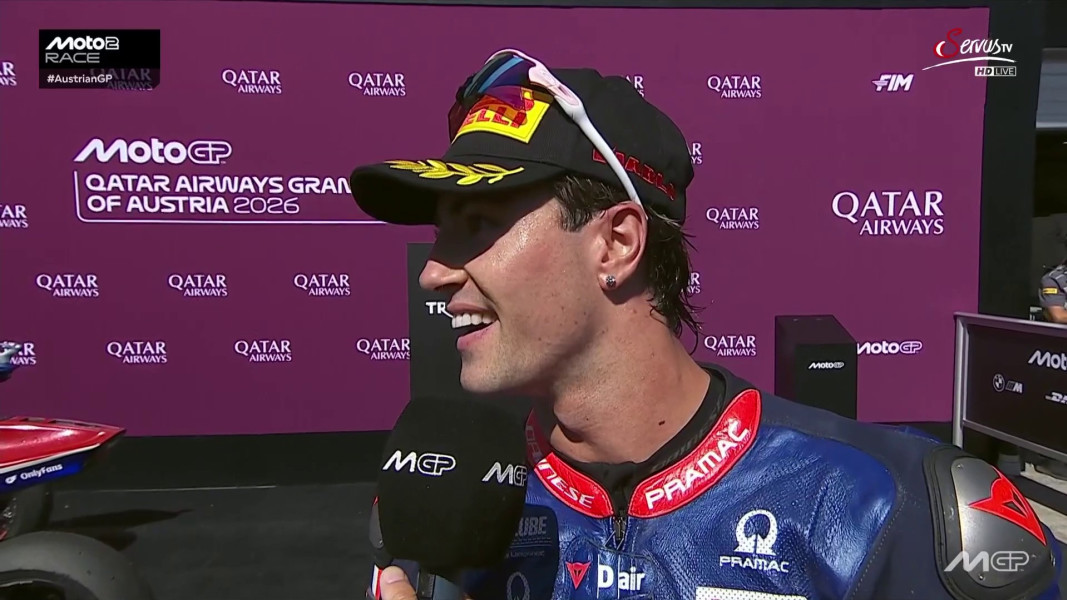
Izan Guevara: „Wir müssen den Moment genießen“
20. Sept. | 4:26 Min
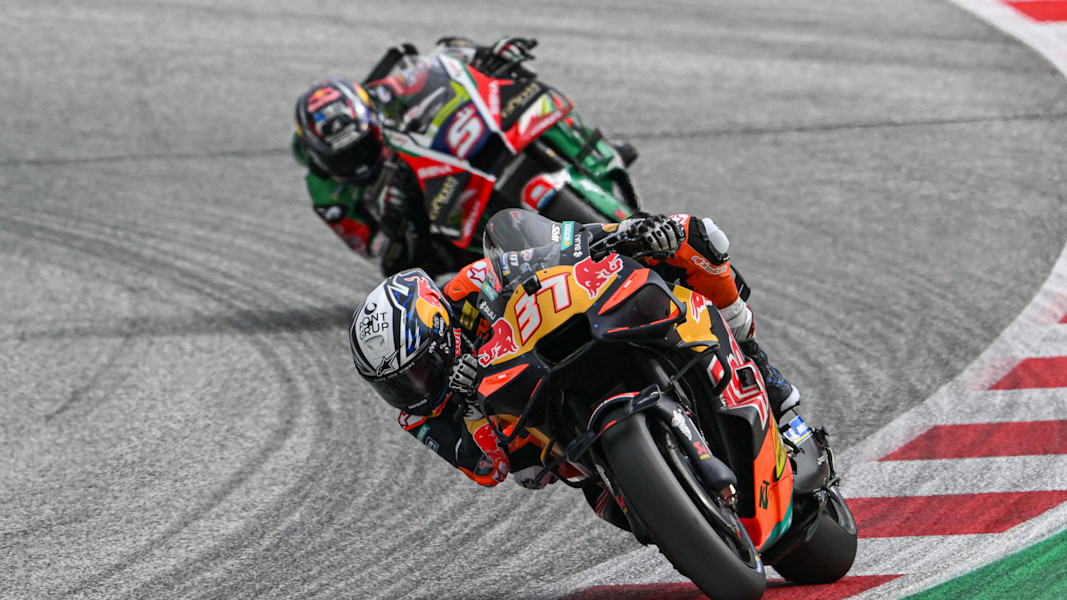
Events
All MotoGP EventsPast Gran Premio di San Marino
 11.–13.09.2026
Past Motorrad Grand Prix von Österreich
 18.–20.09.2026
Next up Grand Prix of Japan
 02.–04.10.2026
Pertamina Grand Prix of Indonesia
 09.–11.10.2026
Australian Motorcycle Grand Prix
 23.–25.10.2026
Past Gran Premio di San Marino
Past Motorrad Grand Prix von Österreich
Next up Grand Prix of Japan
Pertamina Grand Prix of Indonesia
Australian Motorcycle Grand Prix
MotoGP News
All News
Newest Articles
All ArticlesNew New New New New