From MotoGP to the road: how motor racing protects motorcyclists
Airbag suits, high-tech helmets and electronic aids: technologies from motor racing have long been improving safety on the road too. Two MotoGP team managers explain the transfer.
This article is an automatically generated English version. The
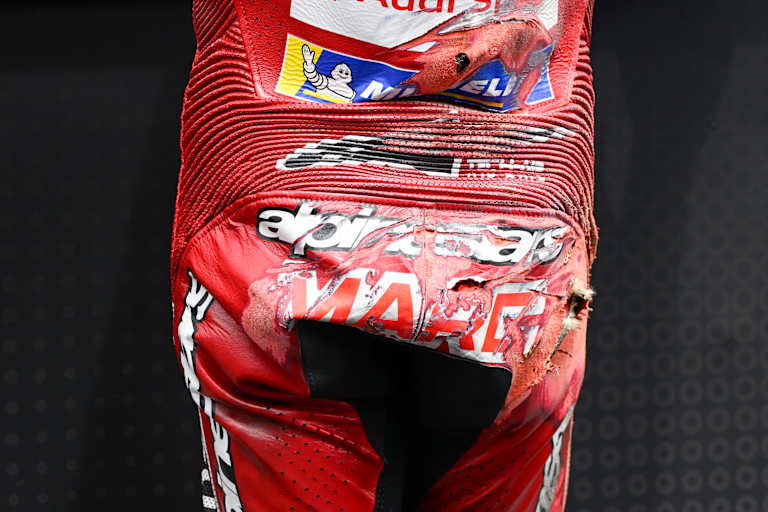
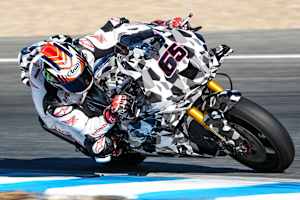
Die Lederkombis der Fahrer haben sich stark weiterentwickelt
Foto: Gold & Goose
Die Lederkombis der Fahrer haben sich stark weiterentwickelt
© Gold & Goose


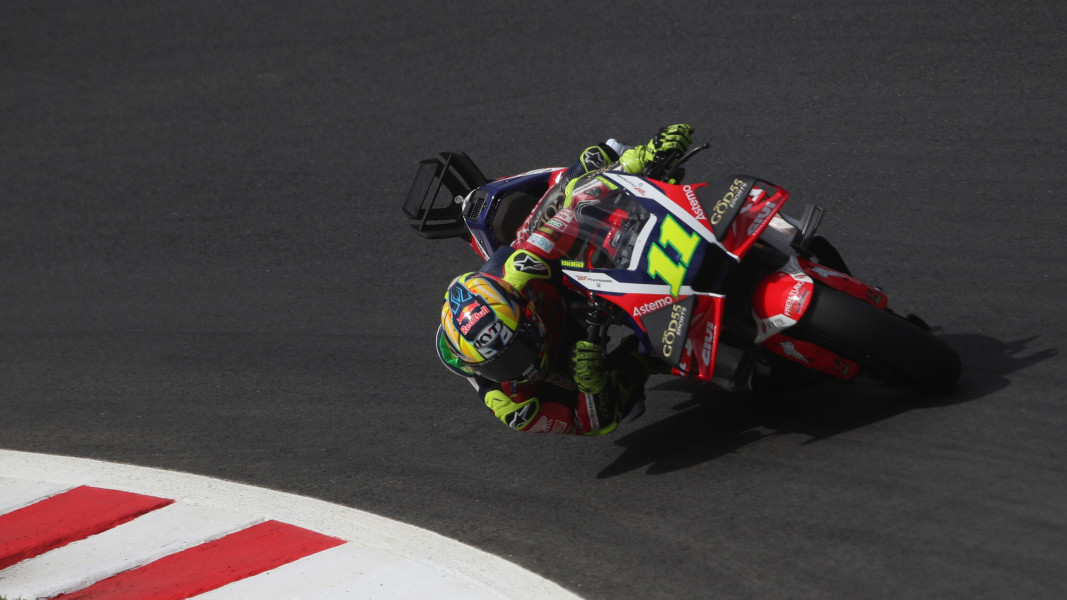
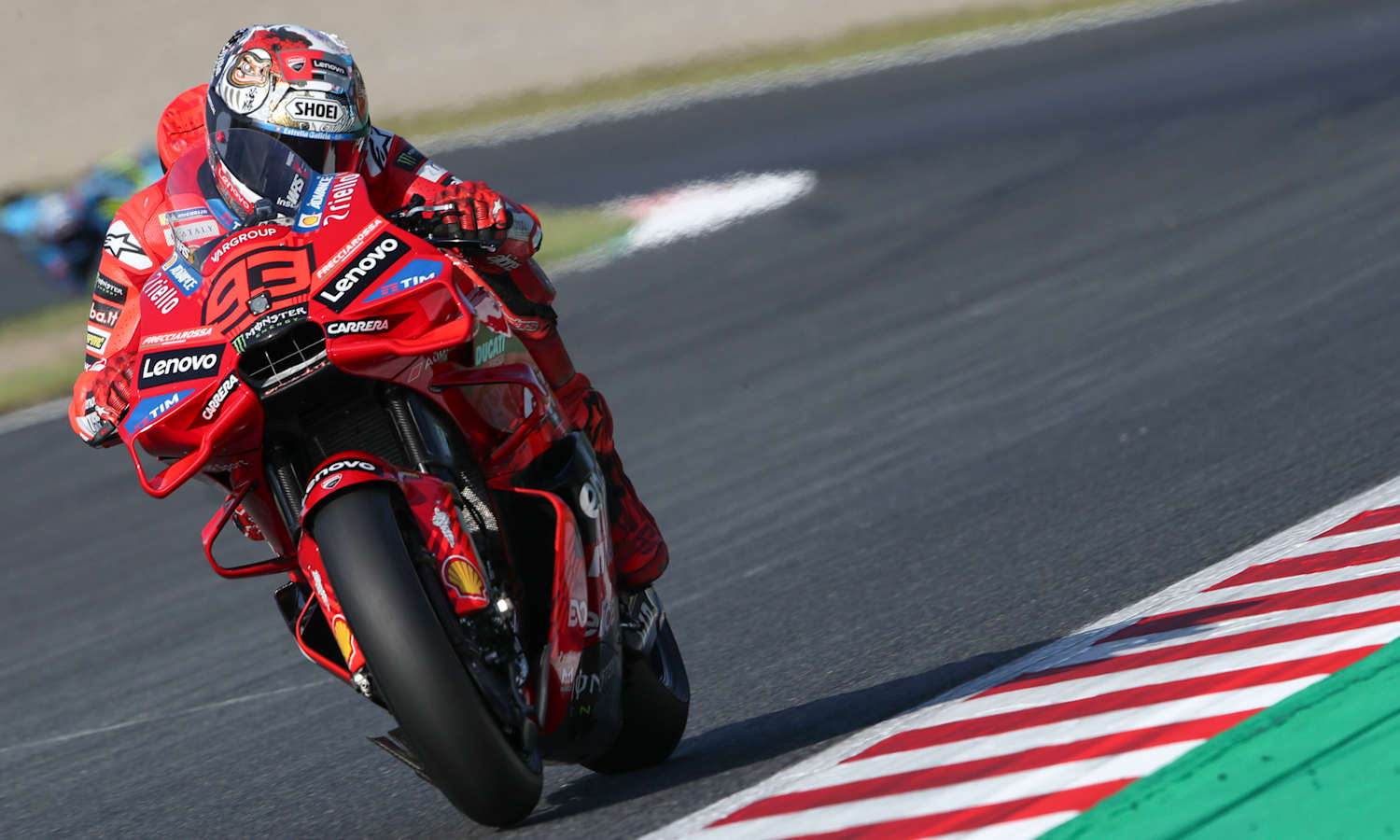
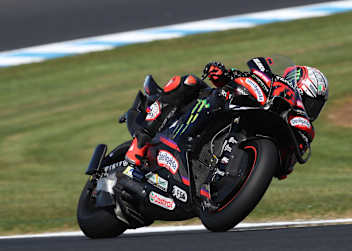
MotoGP serves as more than just a marketing platform for motorcycle manufacturers to showcase their sporting successes. The premier class is also a development laboratory, with the insights gained later incorporated into production motorbikes and the equipment used by road riders. LCR team principal Lucio Cecchinello and VR46 team manager Pablo Nieto see this as an important contribution that motor racing makes to the safety of motorcyclists.
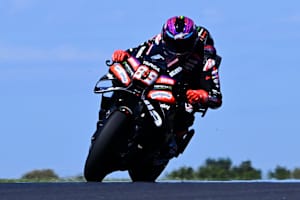
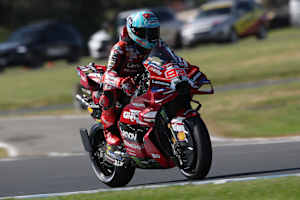
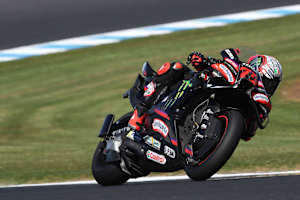
This technology transfer is particularly evident in protective clothing. MotoGP riders’ gear must withstand extreme stresses and is constantly being refined. The insights gained from this are subsequently incorporated into products that any motorcyclist can buy.
“We use a wide range of technologies in MotoGP. I’m thinking of the helmets and the mandatory airbags in the leather suits,” explained Nieto during a panel discussion on MotoGP.com. “The things we use here in racing will be introduced to road use in the coming years.”
Close links between the racetrack and the high street
The links between the racetrack and the road are now particularly close. Fans can not only buy products that are visually inspired by their idols’ gear; in some cases, it is the very same high-quality protective kit. “You can buy exactly the same helmet as your favourite rider uses. You can also buy exactly the same leather suit for the road,” emphasised Nieto. For the VR46 team manager, this closeness between professional and grassroots sport is something special: “That’s not the case in many sports.”
However, the influence of motor racing is not limited to personal protective equipment. Electronic assistance systems, which are now taken for granted on road motorbikes, have also been significantly advanced by developments in competitive racing.
Topic of the week
Topic of the week: MotoGP’s new schedule proved highly controversial
In 2027, MotoGP will also enter the 850cc era with a new schedule. It was not so much the changes themselves as the way the decisions were reached that caused a stir. A prime example of: ‘Talking helps’.
TV Program
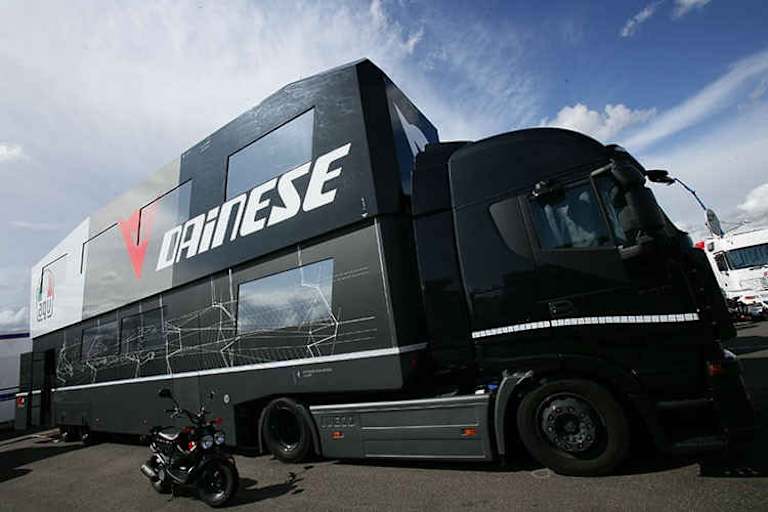
Dainese war mit dem D-Air-System Vorreiter bei den Airbags
Foto: Gold & Goose
Dainese war mit dem D-Air-System Vorreiter bei den Airbags
© Gold & Goose
“We make a really significant contribution to the motorcycling industry,” Cecchinello is convinced. The former Grand Prix rider cites traction control as an example. “Traction control for road motorbikes was developed in racing. It’s a huge help in preventing crashes.”
Modern road motorbikes now feature a wide range of electronic safety systems. Traction control systems intervene depending on the lean angle and riding conditions, whilst increasingly sophisticated assistance systems support the rider. The racetrack offers manufacturers an extreme environment in which to develop new technologies and gain experience.
MotoGP riders should raise awareness among road riders
However, Cecchinello does not see MotoGP’s responsibility as lying solely in technical development. The LCR team principal is convinced that the World Championship’s enormous reach could be utilised even more effectively to raise motorcyclists’ awareness of road safety.
“We can inspire and influence millions of riders,” emphasised the Italian. In doing so, he also calls on those in positions of responsibility within the paddock to fulfil their duty: “I’m talking about us team managers and team members. But we should make even greater use of the riders as ambassadors for road safety.”
In addition to their role as sporting role models, MotoGP riders could thus act as ambassadors for the responsible use of motorbikes. After all, technology transfer is already demonstrating that racing and safety need not be at odds: what is developed and tested under extreme conditions on the racetrack can, years later, help to better protect motorcyclists on public roads.
Seen already?
Don't miss out on any highlights: The Speedweek newsletter, sent out twice a week, delivers the latest news, exclusive commentary and all the important dates from the world of motorsports - directly into your inbox
Championship Standings
Full Standingsorg-location for [2026] 2026
2026
2025
2024
2023
Pos
Rider
Team
Points
1


355
2


353
3

309
4


259
5


258
6


245
7

236
8


172
9

166
10

125
Highlight Videos
ServusTV Media Library
KTM zwischen Palmen und Vollgas!
20. Okt. | 10:42 Min

Japan läuft nicht nach Plan für KTM!
17. Okt. | 10:33 Min

17. Okt. | 13:26 Min

Aufwärtstrend bei KTM bestätigt!
17. Okt. | 11:57 Min

Nach Durststrecke: KTM ist zurück am Podium!
17. Okt. | 15:23 Min

Erfreuliches Wochenende für KTM in England!
17. Okt. | 17:26 Min

In Deutschland heißt es Links herum!
17. Okt. | 15:41 Min

Es läuft nicht nach Plan in den Niederlanden!
17. Okt. | 14:21 Min
Events
All MotoGP EventsPast Pertamina Grand Prix of Indonesia  09.–11.10.2026



Past Pertamina Grand Prix of Indonesia
MotoGP News
All News
Newest Articles
All ArticlesNew New New