
BMW following Toprak: Why the new chassis for 2027 is so important
With a new frame, BMW aims to give riders in the Superbike World Championship a better feel for the bike. Test rider Michael van der Mark explains exclusively why the M1000RR’s potential is currently difficult to tap into.
This article is an automatically generated English version. The

Die BMW M1000RR gibt den Fahrern aktuell zu wenig Feedback
Foto: BMW
Die BMW M1000RR gibt den Fahrern aktuell zu wenig Feedback
© BMW


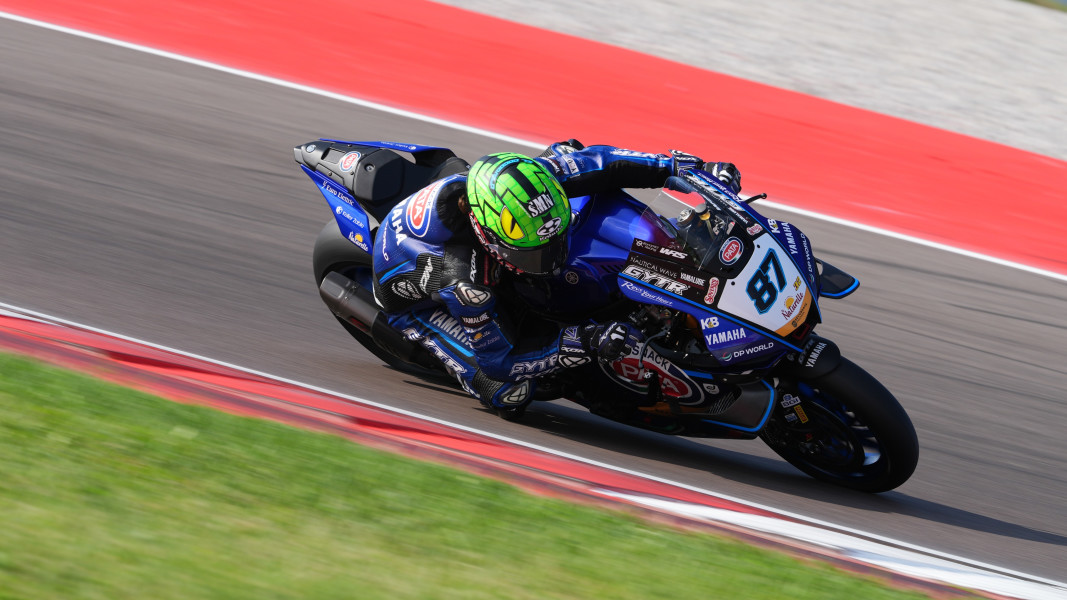
More feedback, a limit that is easier to gauge and, as a result, more accessible performance: in developing the M1000RR for the 2027 Superbike World Championship, BMW is addressing a key point of criticism regarding the current machine. The new homologation model features a revised frame, incorporating lessons learnt from the Super Concession chassis used until the end of 2024.
In some areas, the design is softer. This specifically tuned flexibility is intended to give the rider more feedback, particularly when leaning into corners. This is precisely what Miguel Oliveira and Danilo Petrucci feel is lacking in the current BMW. Test rider Michael van der Mark is familiar with these difficulties from his own experience and is working to improve the bike for the coming season.
New BMW chassis better, but no silver bullet
In an exclusive interview with SPEEDWEEK.com, however, the Dutchman played down expectations that BMW would be rolling out a completely different concept. “The frame is still black, made of aluminium and looks exactly the same. Yes, there’s an update coming. To be honest, it will make a difference, but it won’t turn the world on its head, because we still have to operate within certain rules.”
For van der Mark, the aim is to make it easier for riders to exploit the existing potential. “The problem at the moment is that it’s difficult to get the most out of this package. With this solution, it will be a little easier for the riders to find the limit and get more out of the motorbike. But as I said: the basic idea and the design remain similar. If the riders at least get the feeling that they have more leeway, that will make them go faster anyway.”

Michael van der Mark
Foto: BMW
Michael van der Mark
© BMW
Topic of the week
A stuttering start to the Bahrain Grand Prix: the FIA narrowly avoids a fiasco like the one in Indianapolis in 2005
Fans could hardly believe their eyes at what they witnessed at the Bahrain Grand Prix: cars crawling along, racing cars that simply came to a standstill. The FIA narrowly avoided a fiasco like the one at Indy in 2005.
TV Program
The BMW test rider is thus describing a difference that may seem unspectacular on paper, but can be decisive on the track. A rider must be able to recognise how close they are getting to the limit and what reserves they have left in the event of a deviating line or a minor mistake. Without this feedback, it is almost impossible to reliably utilise the theoretical potential.
Only one rider got to grips with the current chassis
Oliveira and Petrucci’s problems remind van der Mark of his own 2025 season. Following a successful 2024 season and Toprak Razgatlioglu’s World Championship victory, BMW was no longer permitted to use the Super Concession chassis and had to revert to the production version of the current M1000RR. Razgatlioglu went on to win the title with it, but his team-mate found the new package much more difficult to handle.
“We saw that one person managed to cope with it: that was Toprak. But many didn’t believe it. Now we’re seeing the reality,” commented van der Mark. Razgatlioglu was able to use his distinctive riding style to compensate for difficulties that severely hampered other BMW riders. For van der Mark, this also explains why the M1000RR’s successes in other championships aren’t automatically transferable to the Superbike World Championship.
Is more feedback from the bike the key to success?
“The bike is brilliant in the stock class, in the IDM or even in endurance racing. But getting the full potential out of the World Championship engine is simply very difficult. When I watch from the sidelines, I see the same problems I had. That’s difficult because you know what’s possible. But that’s the situation.”
Van der Mark therefore sees the crux of the problem less in a fundamental lack of performance than in the limited feel for the bike at the limit. “There’s a bit of a lack of feedback from the bike. We’re always riding at the absolute limit of what we’re capable of. But if the bike doesn’t give you enough feedback, it’s very difficult to find the limit. And it doesn’t forgive much.”

BMW bringt für 2027 einen neuen Rahmen
Foto: BMW
BMW bringt für 2027 einen neuen Rahmen
© BMW
It is precisely this combination that makes it hard to ride consistently fast. “Because the feedback is limited, you don’t know how much it will forgive you if you make a small adjustment or take a different line. That’s why it’s difficult with this motorbike to always stay exactly in the right zone.”
The new frame is set to help with precisely that for 2027. Van der Mark doesn’t expect a fundamental transformation of the M1000RR, but he does anticipate an improvement that will give riders more confidence. After all, the performance is already there. The development challenge is to make it reliably usable even without Razgatlioglu’s extraordinary riding style.
Seen already?
Don't miss out on any highlights: The Speedweek newsletter, sent out twice a week, delivers the latest news, exclusive commentary and all the important dates from the world of motorsports - directly into your inbox
Highlight Videos
ServusTV Media Library
Machte Bulega den Deckel drauf?
27. Sept. | 1:30 Min
27. Sept. | 27:47 Min
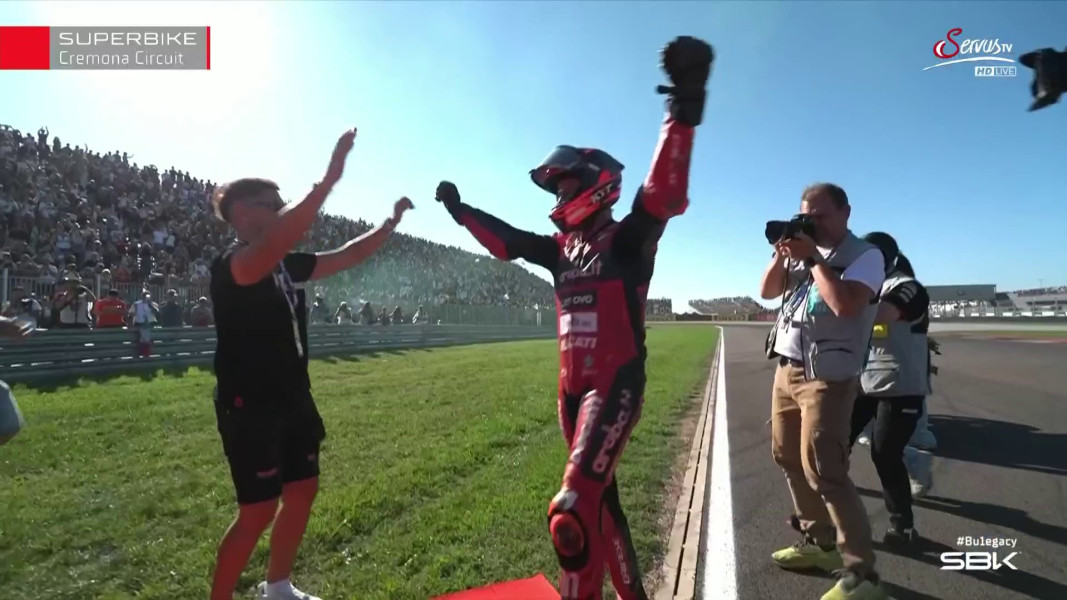
Nicolo Bulega: Seine emotionale letzte Runde!
27. Sept. | 5:13 Min
27. Sept. | 64:14 Min
27. Sept. | 46:48 Min
27. Sept. | 1:19 Min
26. Sept. | 18:56 Min
26. Sept. | 1:30 Min
WorldSBK News
All News


Newest Articles
All ArticlesNew New New New


