
Pirelli reaches for the tried-and-tested for Estoril: only proven Superbike tyres
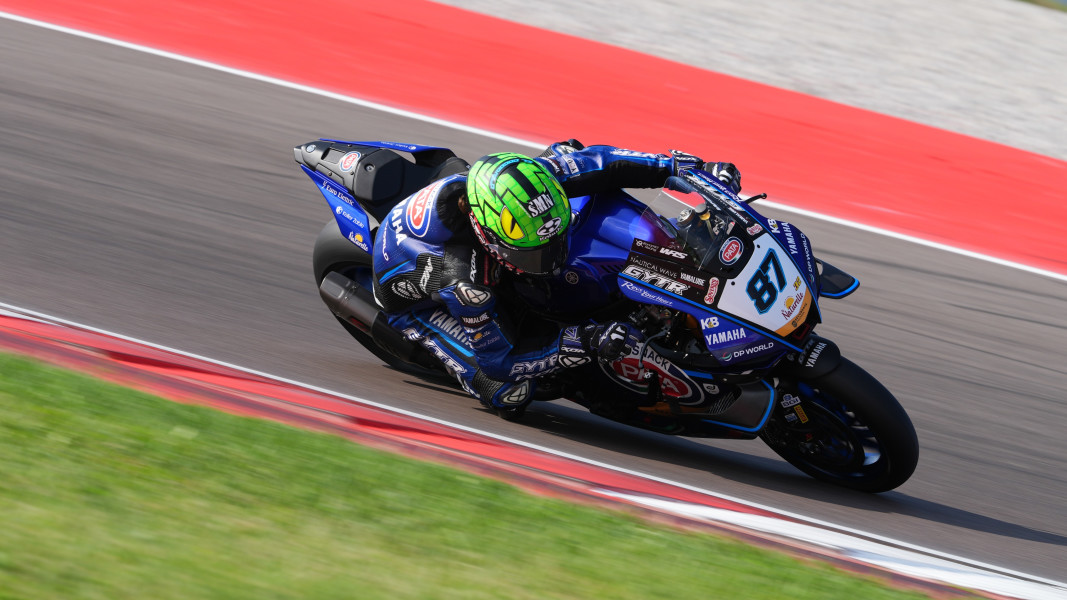
Pirelli had some new developments on offer for Cremona, but for the Superbike round at Estoril, the official tyre supplier is playing it safe and falling back on tried-and-tested compounds.
This article is an automatically generated English version. The

Pirelli bringt weiche Superbike-Reifen nach Estoril
Foto: Pirelli
Pirelli bringt weiche Superbike-Reifen nach Estoril
© Pirelli


There are just two more race weekends left in the 2026 Superbike World Championship, after which Pirelli’s era as the sole tyre supplier will come to an end – from 2027, Michelin will take over as the tyre supplier for the production-based world championship. Everyone would have understood if Pirelli had allowed the final season to run its course with reduced commitment, yet even at Cremona the Italian manufacturer presented new developments.
Things are different for Estoril, the eleventh of twelve rounds this year. The circuit, situated right on the Atlantic coast, was last resurfaced 20 years ago and offers little grip. The softest tyres in Pirelli’s range will therefore be used. The SCQ can be used for qualifying and the Superpole race, whilst the soft SCX race tyres will be used for the main races.
“As far as the track layout and the tarmac characteristics are concerned, this is a circuit that has not offered particularly high grip in the past, but which places varied demands on the tyres,” explains racing director Giorgio Barbier. “Last year, precisely because of these characteristics, we provided the riders with two development tyres for the rear wheel: the E0479 Extrasoft and the E0126 Supersoft. Both were immediately well received and delivered significant improvements both over a single lap and over the entire race distance. These two specifications will also be available for this round.”
Is there a risk of a change in the weather at the Superbike World Championship in Estoril?
Although late-summer weather with plenty of sunshine is forecast for the weekend, the proximity to the sea means that – much like at Phillip Island – the weather could change suddenly and rain could set in. “The geographical location is another factor that must be taken into account: the possibility of rainfall and sudden temperature fluctuations may mean that teams and riders have to react quickly to adjust their bike set-ups,” explains Barbier.
Topic of the week
A stuttering start to the Bahrain Grand Prix: the FIA narrowly avoids a fiasco like the one in Indianapolis in 2005
Fans could hardly believe their eyes at what they witnessed at the Bahrain Grand Prix: cars crawling along, racing cars that simply came to a standstill. The FIA narrowly avoided a fiasco like the one at Indy in 2005.
TV Program
Seen already?
Don't miss out on any highlights: The Speedweek newsletter, sent out twice a week, delivers the latest news, exclusive commentary and all the important dates from the world of motorsports - directly into your inbox
Highlight Videos
ServusTV Media Library
Machte Bulega den Deckel drauf?
27. Sept. | 1:30 Min
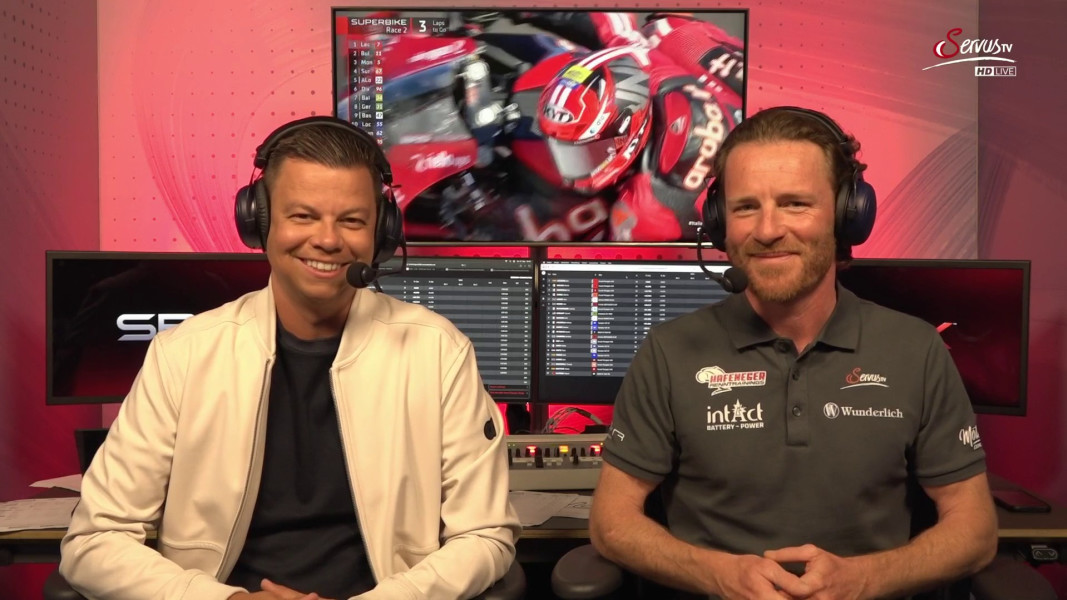
27. Sept. | 27:47 Min
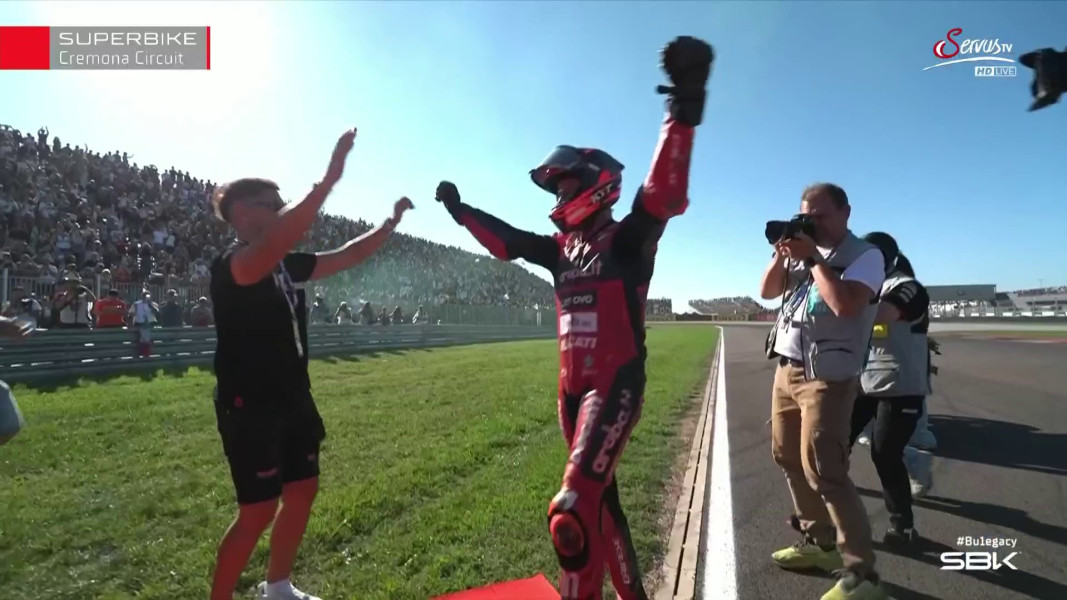
Nicolo Bulega: Seine emotionale letzte Runde!
27. Sept. | 5:13 Min
27. Sept. | 64:14 Min
27. Sept. | 46:48 Min
27. Sept. | 1:19 Min
26. Sept. | 18:56 Min
26. Sept. | 1:30 Min
WorldSBK News
All News


Newest Articles
All ArticlesNew New New New New New New New


