Moto2 vision: More manufacturers, or will a single-spec bike be introduced here too?
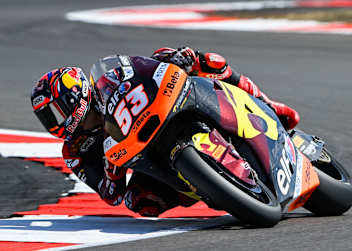
Whilst the premier class of MotoGP is on the cusp of the 850cc era and the Moto3 class is also being turned on its head, things are quiet in Moto2. For now, at least, because here too, everything could change after 2029.
This article is an automatically generated English version. The
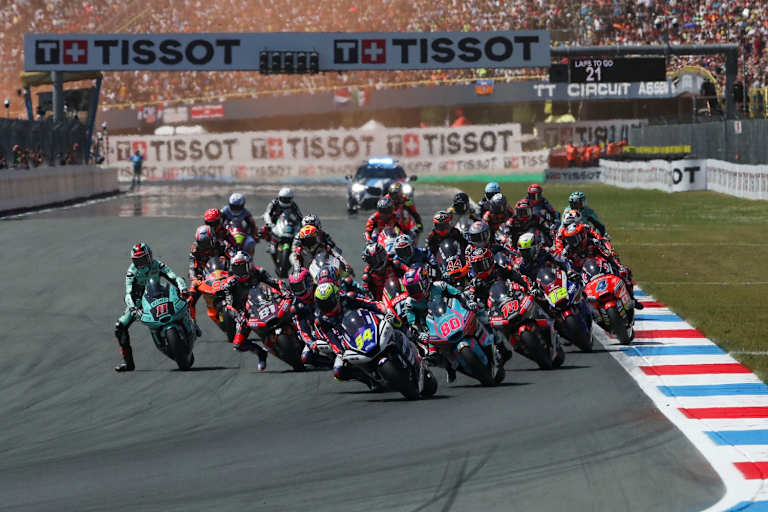
Moto2-Attacke: Bis Ende 2029 ist das Format gesetzt
Foto: Gold and Goose
Moto2-Attacke: Bis Ende 2029 ist das Format gesetzt
© Gold and Goose


Following tough negotiations, the moment finally arrived in June: during the Czech Grand Prix in Brno, the new MotoGP manufacturer’s agreement was unveiled, governing the premier class from 2027 up to and including 2031 – during which time the five manufacturers currently involved – Aprilia, Ducati, Honda, KTM and Yamaha – will field a maximum of 22 riders across eleven teams on new 850cc prototypes in the World Championship.
Furthermore, some truly revolutionary changes have been agreed for the lower tier of the Road Racing World Championship. Just one year after the premier class, it will be Moto3’s turn. As is well known, Yamaha has been awarded the contract to act as the exclusive equipment supplier from 2028. For the first time in the history of a GP class, free competition amongst the manufacturers will come to an end with the final race in 2027.
Moto3 as a model: production technology meets factory racing
Background: Yamaha succeeded in best interpreting the MotoGP strategists’ objectives for the reorientation of Moto3 and in offering the prospect of the best possible compromise between an adapted technical concept and lower costs. To create a racing bike that is also up to date in terms of ergonomics, the aim is to draw equally on experience from both production and racing development. Yamaha Racing in Italy is working on an entirely new chassis. A twin-cylinder engine with a displacement of just under 700 cc is being derived from the production line and will then be optimised by the racing engineers to deliver up to 95 PS. This is expected to result in cost savings of over 50 per cent compared to a current Moto3 machine.
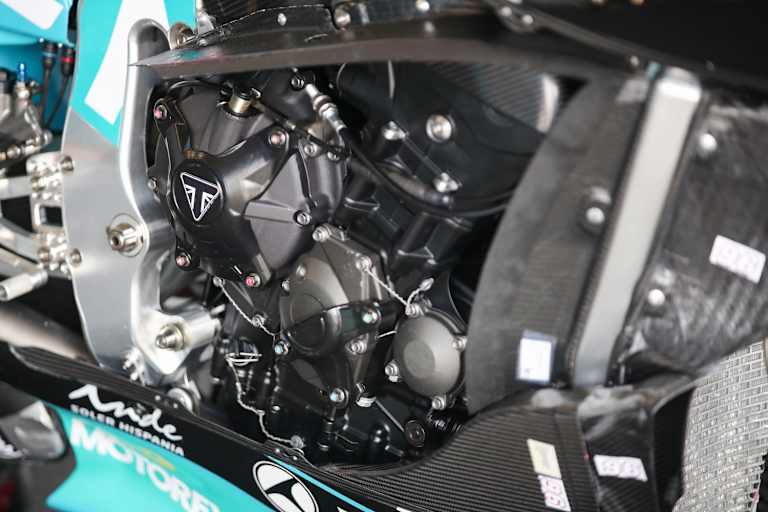
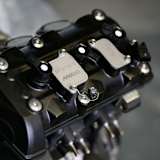
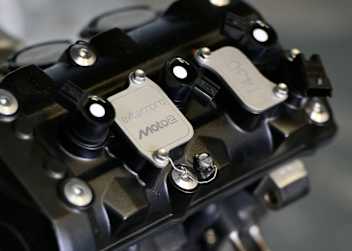
The concept for the middle class of the World Championship is similar, yet different. Here, too, a production-based engine is used. Triumph is firmly established and confirmed as the exclusive partner for Moto2 in terms of engines until at least the end of 2029. Just
Das motorische Herz der Moto2 aus England wird 2027 größer
Foto: Gold and Goose
Das motorische Herz der Moto2 aus England wird 2027 größer
© Gold and Goose
Four weeks ago, Aprilia headed into the summer break from Germany with a badly injured Marco Bezzecchi. The response came from the heart of British motor racing: ‘Together we are strong!’
TV program
The engines will continue to be fitted into prototype chassis, which, however, are sourced from the open market. This niche market, comprising 28 motorcycles, is divided amongst the three specialists Kalex, Boscoscuro and Forward, with the German project having set the tone in terms of both performance and numbers for years.
With all active technical parties on board, the roadmap for the coming years is clearly defined. The formula will remain unchanged throughout the transition phases of MotoGP and Moto3, with adjustments – such as the engine update for 2027 – being made only in detail. What happens beyond that remains to be seen. What is also certain, however, is that a direct feeder series for the premier class will be needed for several more years, at least until 2031.
One possibility: a standardised Moto2 bike in 2030
Following the example of Moto3, the question inevitably arises as to whether Moto2 should also switch to a standardised package as the next step. SPEEDWEEK.com took the opportunity to ask engine supplier Triumph about the future of the class.
Steve Sargent, product manager at the long-established British brand, began his response by looking back: “From the outset of the current project, it was always clear to us that we would neither develop our own chassis nor set up our own Triumph team in Moto2. This was also in line with Dorna’s vision – and this approach will definitely not change until 2029. What happens after that is a different matter.”
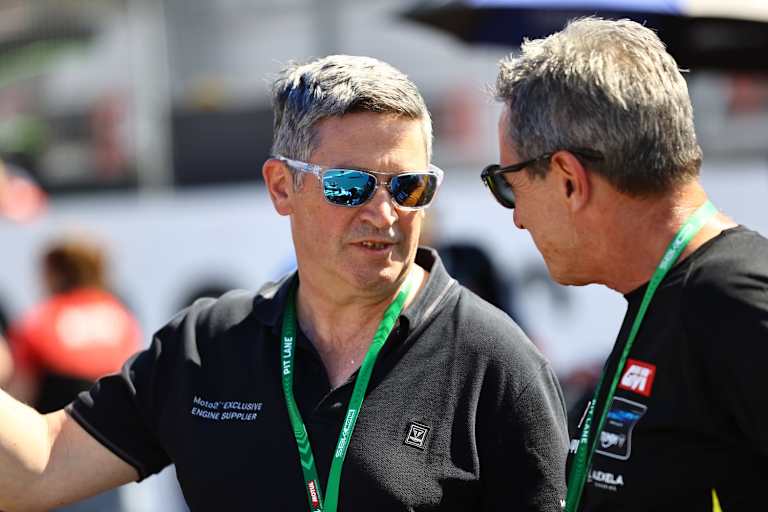
Steve Sargent (links) stellte zuletzt den neuen Moto2-Antrieb für 2027 vor
Foto: Gold and Goose
Steve Sargent (links) stellte zuletzt den neuen Moto2-Antrieb für 2027 vor
© Gold and Goose
The Briton also revealed: “There is certainly interest in Moto2. What I can say is: During the development of our new power unit for 2027, more manufacturers than those currently active expressed an interest in joining as chassis builders, but there will be no further competitors, at least for 2027. However, I also think that even more competition would make the class even more interesting.”
More or no competition: anything is still possible
And what about Triumph itself – would entering the market as a supplier of a complete Moto2 machine also be an option? Sargent’s statement leaves plenty of room for interpretation: “As I said, it’s not on the agenda at the moment. We haven’t discussed it yet – but I can also say that we would be capable of developing both an engine and a chassis for Moto2. It’s conceivable.”
2030 – until a new format is introduced in Moto2 too, many more Triumph three-cylinders will be tuned, Kalex, Boscoscuro or Forward chassis modified, and even more Pirelli tyres fitted. However, discussions about the crucial foundation of the premier class will get underway much sooner.
Seen already?
Don't miss out on any highlights: The Speedweek newsletter, sent out twice a week, delivers the latest news, exclusive commentary and all the important dates from the world of motorsports - directly into your inbox
Championship Standings
Full standings2026
2026
2025
2024
2023
Pos
Driver
Team
Points
1


197.5
2


155
3

136
4


133.5
5


128
6

116
7

112
8

108
9


67.5
10

55.5
Highlight videos
ServusTV media library
13. Aug. | 11:46 Min
9. Aug. | 1:21 Min
Manuel Gonzalez 1on1: So tickt der Moto2-Star
9. Aug. | 3:32 Min
9. Aug. | 19:07 Min
9. Aug. | 5:02 Min
8. Aug. | 2:23 Min
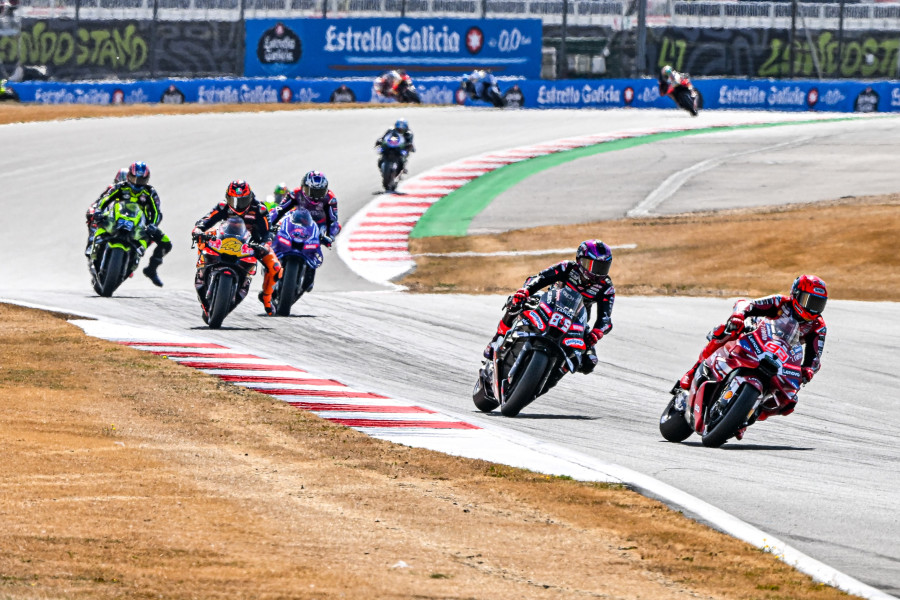
Aprilia setzt Ducati unter Druck
8. Aug. | 4:25 Min
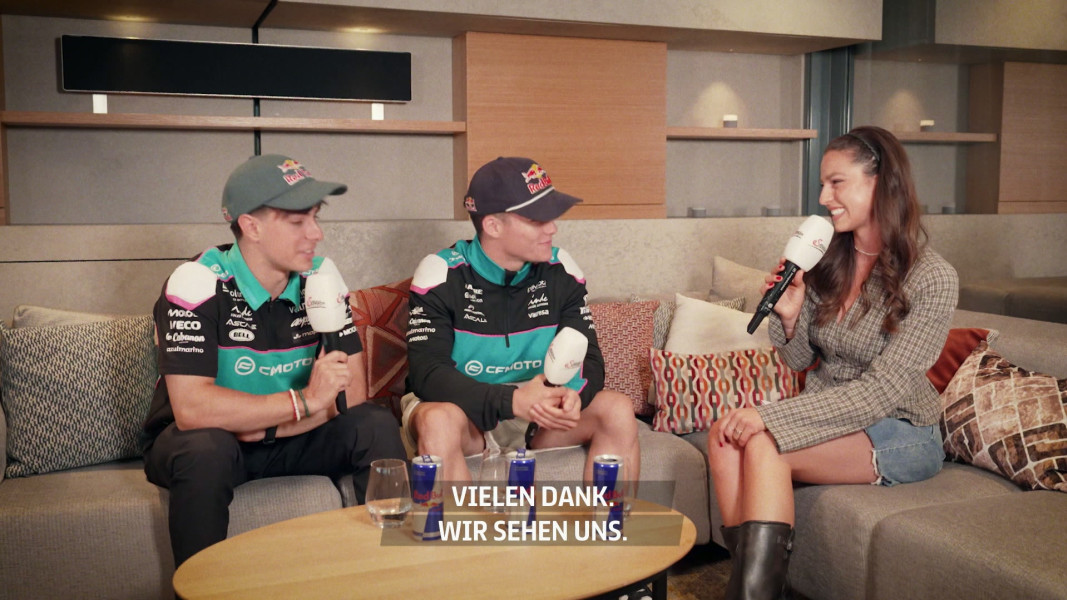
David Alonso & Dani Holgado: Die MotoGP ruft!
8. Aug. | 4:21 Min
Events
All Moto2 eventsPast Motorrad Grand Prix Deutschland
 10.–12.07.2026
Past British Grand Prix
 07.–09.08.2026
Next up Gran Premio de Aragón
 28.–30.08.2026
San Marino Grand Prix
 11.–13.09.2026
Motorrad Grand Prix von Österreich
 18.–20.09.2026
Past Motorrad Grand Prix Deutschland
Past British Grand Prix
Next up Gran Premio de Aragón
San Marino Grand Prix
Motorrad Grand Prix von Österreich
MotoGP News
All news

Newest articles
All articlesNew