Larger displacement and e-fuels: the impact on the new Triumph engines
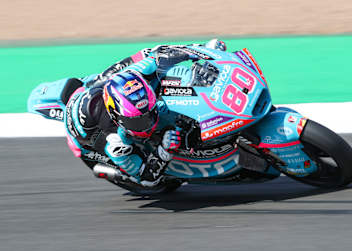
The Moto2 World Championship will be getting larger Triumph engines for 2027. For the first time, the three-cylinder engines will be powered by fully synthetic fuel – and what that means for their performance and durability.
This article is an automatically generated English version. The
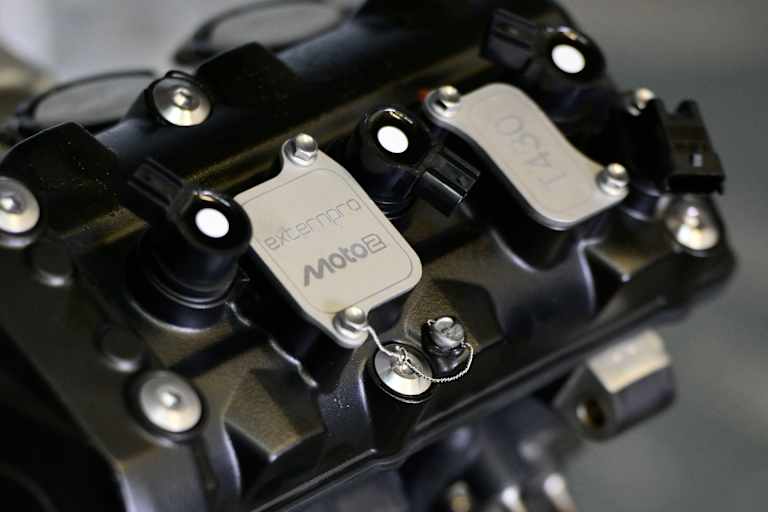
Der Triumph-Motor bekommt mehr Hubraum
Foto: gold & goose
Der Triumph-Motor bekommt mehr Hubraum
© gold & goose


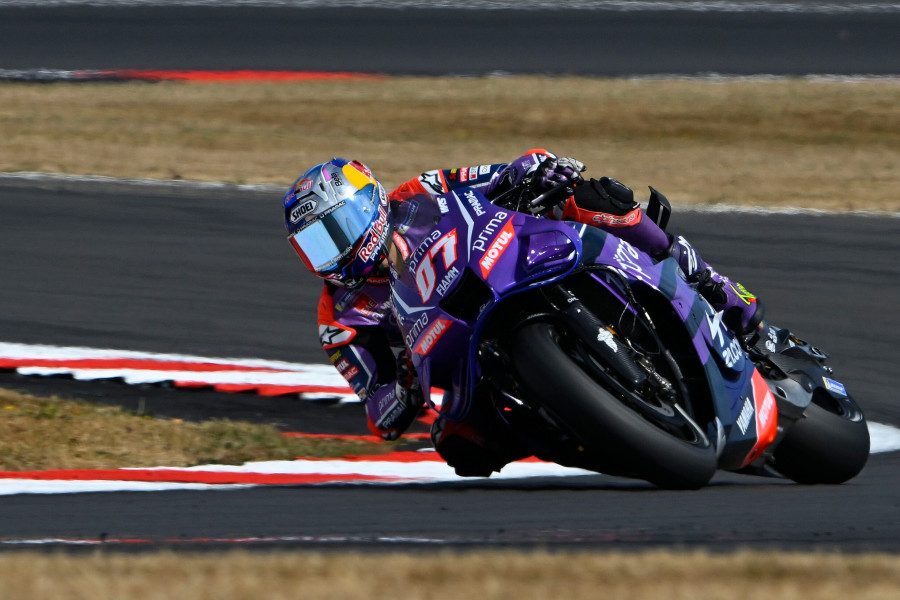
From 2024, all three GP classes of the Motorcycle World Championship will use racing fuel, at least 40 per cent of which must be of non-fossil origin. From 2027, fully synthetic fuels will be used – that is, pure e-fuels without any petroleum additives. These are produced using electricity (hence the ‘E’) from water and carbon dioxide and are climate-neutral when green electricity is used.
This should not be confused with petrol sold at filling stations, such as E10 petrol. The ‘E’ here stands for ethanol, and the number following it indicates its percentage content in the fossil fuel. E100 is therefore pure alcohol, as used in motor racing or in IndyCars.
The timing of the introduction is no coincidence: the current five-year contracts with the manufacturers involved in the MotoGP class run until the end of 2026, and during this period the technical regulations cannot be significantly altered.
For 2027 and the following five years, not only will the
There are two challenges to overcome
Work on the new engines is in full swing; the teams and chassis manufacturers have already been provided with information regarding the dimensions
Four weeks ago, Aprilia headed into the summer break from Germany with a badly injured Marco Bezzecchi. The response came from the heart of British motor racing: ‘Together we are strong!’
TV program
Steve Sargent, Triumph’s Chief Product Manager, also has some insights to share regarding the use of pure e-fuels. “When the fuel changes, there are two challenges to overcome,” explained the Briton. “The first is ensuring there is no drop in performance; to achieve this, you need to get the fuel injection right, for example. I can reveal that when we switched to 40 per cent synthetic fuel, we experienced no loss of performance. We’re having the same experience with the 100 per cent synthetic fuel. However, if you increase the non-fossil proportion in the fuel, you have to pay more attention to the durability of the engines, because the engine oil degrades more quickly.”
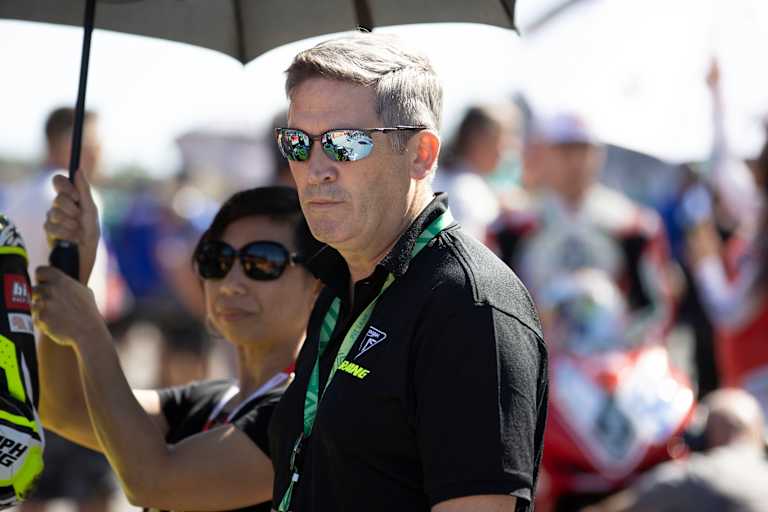
Triumph-Manager Steve Sargent
Foto: gold & goose
Triumph-Manager Steve Sargent
© gold & goose
In MotoGP, from 2027 we’ll see four-cylinder powerhouses with 850cc instead of the previous 1000cc. In Moto3,
“It is the responsibility of the MotoGP organisers to ensure the right balance between Moto3, Moto2 and MotoGP,” emphasised Sargent. “They are giving a lot of thought to ensuring that the steps taken are the right ones. It has been decided that there will be significant changes for MotoGP and Moto3, and indeed for Moto2 as well.”
Seen already?
Don't miss out on any highlights: The Speedweek newsletter, sent out twice a week, delivers the latest news, exclusive commentary and all the important dates from the world of motorsports - directly into your inbox
Championship Standings
Full standings2026
2026
2025
2024
2023
Pos
Driver
Team
Points
1


197.5
2


155
3

136
4


133.5
5


128
6

116
7

112
8

108
9


67.5
10

55.5
Highlight videos
ServusTV media library
13. Aug. | 11:46 Min
9. Aug. | 1:21 Min
Manuel Gonzalez 1on1: So tickt der Moto2-Star
9. Aug. | 3:32 Min
9. Aug. | 19:07 Min
9. Aug. | 5:02 Min
8. Aug. | 2:23 Min
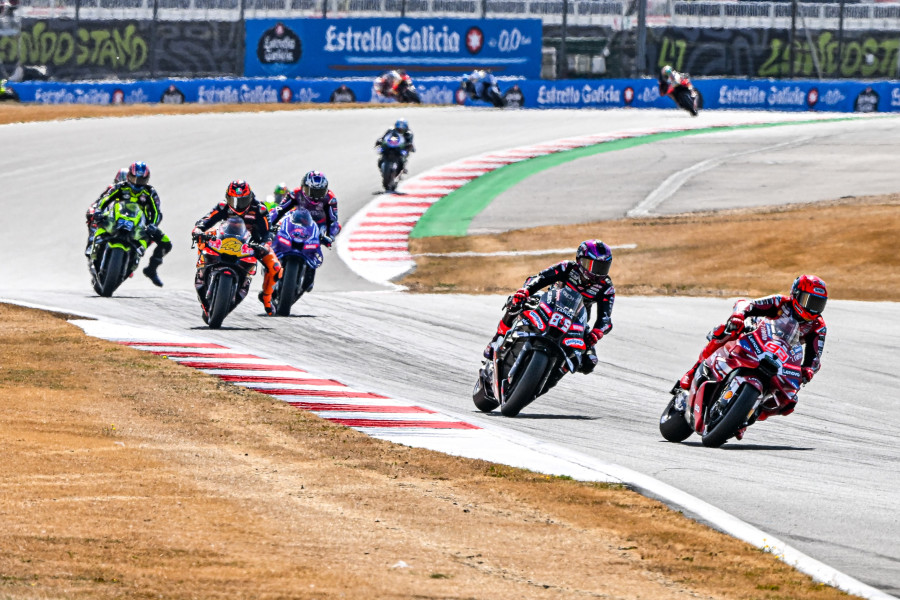
Aprilia setzt Ducati unter Druck
8. Aug. | 4:25 Min
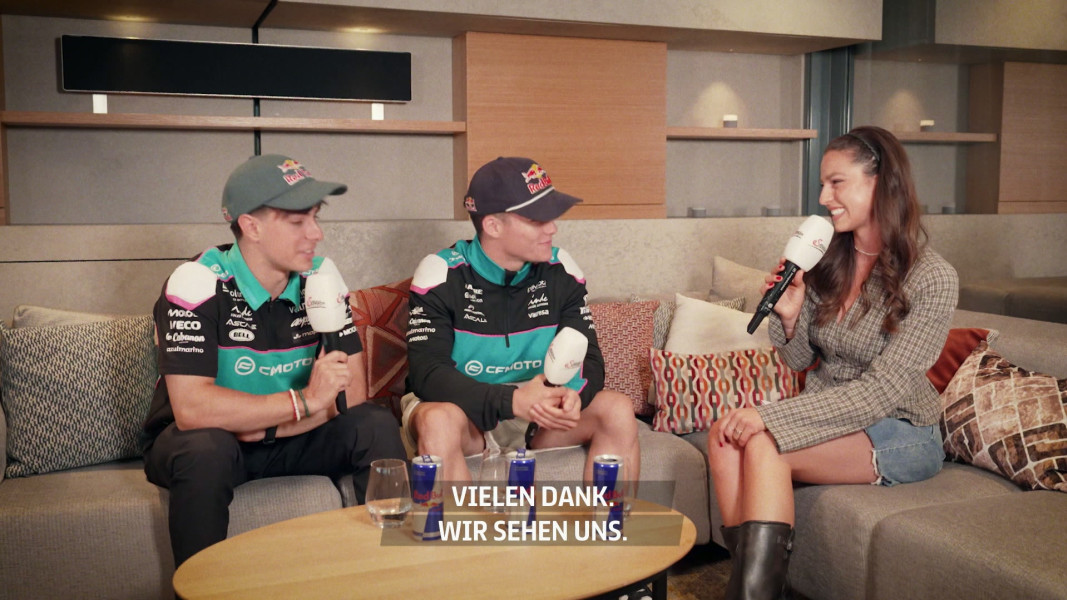
David Alonso & Dani Holgado: Die MotoGP ruft!
8. Aug. | 4:21 Min
Events
All Moto2 eventsPast Motorrad Grand Prix Deutschland
 10.–12.07.2026
Past British Grand Prix
 07.–09.08.2026
Next up Gran Premio de Aragón
 28.–30.08.2026
San Marino Grand Prix
 11.–13.09.2026
Motorrad Grand Prix von Österreich
 18.–20.09.2026
Past Motorrad Grand Prix Deutschland
Past British Grand Prix
Next up Gran Premio de Aragón
San Marino Grand Prix
Motorrad Grand Prix von Österreich
MotoGP News
All news
Newest articles
All articlesNew New New New New