A question of communication: MotoGP’s new schedule proved a hot topic
In 2027, MotoGP will also enter the 850cc era with a new schedule. It was not so much the changes themselves as the way the decisions were reached that caused a stir. A prime example of: ‘Talking helps’.
This article is an automatically generated English version. The
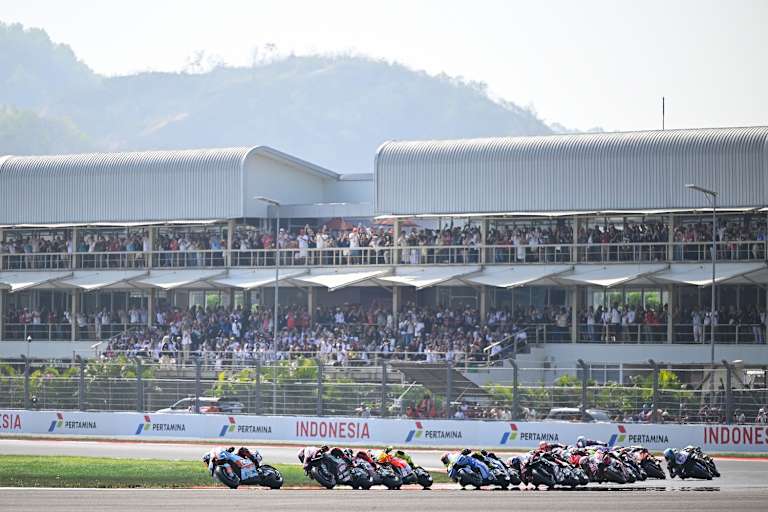
Die Piloten der MotoGP gaben zuletzt auch verbal Gas
Foto: Gold and Goose
Die Piloten der MotoGP gaben zuletzt auch verbal Gas
© Gold and Goose


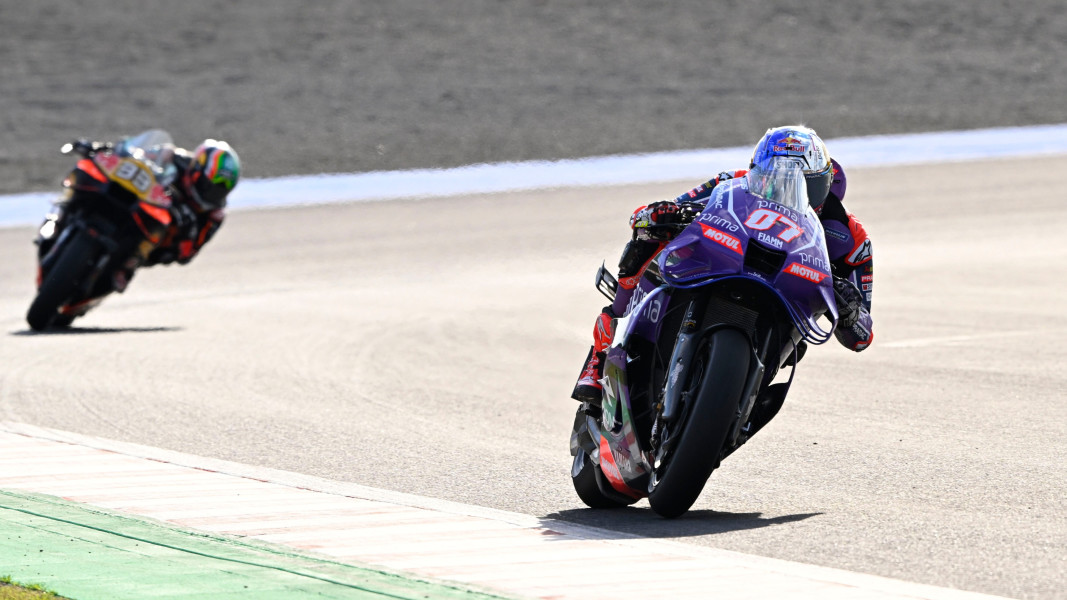
There had been sporadic reports from the MotoGP paddock that discussions were underway to ‘adapt’ the format and schedule of the race weekend. The most significant change was set to be the introduction of an additional qualifying session – just like in Formula 1. This makes sense, given that, with Liberty Media, the Americans have officially been holding the reins of MotoGP since 2026.
And just like that – there it was, the new master schedule for the 2027 season. Which in itself is no surprise, as it’s well known that the coming season will be a complete fresh start with new rules, a new tyre partner (Pirelli) and a completely reshuffled field of riders (the number of manufacturers, teams and riders remains unchanged). The new schedule follows suit.
As
Recommendations
Mentioned in this article
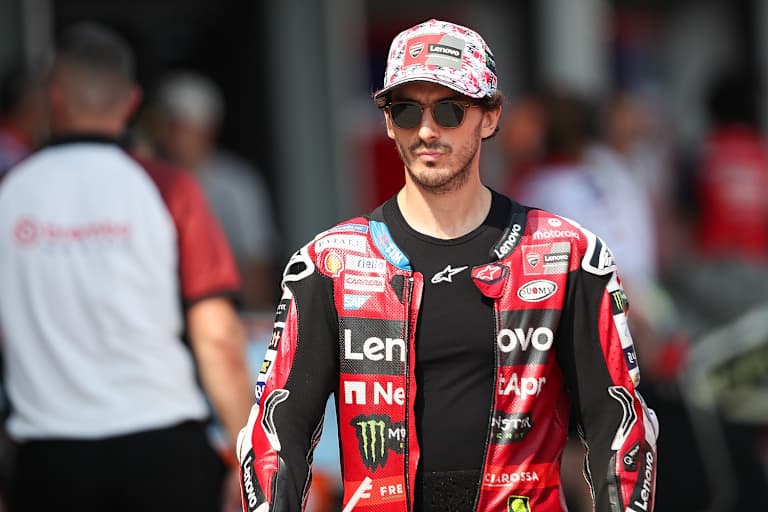
Pecco Bagnaia wunderte sich über die Abschaffung der Warm-up-Session
Foto: Gold and Goose
Pecco Bagnaia wunderte sich über die Abschaffung der Warm-up-Session
© Gold and Goose
The second major change is the scrapping of the warm-up on Sunday morning. “The warm-up was originally intended to identify or rectify any potential issues. However, tyre supplier Michelin has confirmed that the conditions on Sunday morning, with the current tyres, bear no resemblance to those during the race. That is why it should be possible to complete more laps immediately before the race. We will make that possible,”
Topic of the week
A stuttering start to the Bahrain Grand Prix: the FIA narrowly avoids a fiasco like the one in Indianapolis in 2005
Fans could hardly believe their eyes at what they witnessed at the Bahrain Grand Prix: cars crawling along, racing cars that simply came to a standstill. The FIA narrowly avoided a fiasco like the one at Indy in 2005.
TV Program
However, the seemingly endless comments from the riders over the coming days were far less concerned with the new schedule than with the way the decision was communicated. Yes – there were serious comments from top riders such as
For it was not the MotoGP Sports Entertainment Group, spurred on by the US event professionals Liberty Media, that had rewritten the schedule. According to Ezpeleta, the initiative came from the teams themselves. The general sentiment was that the teams are MotoGP’s business partners, not the riders. True, according to the contracts.
As is so often the case, the riders felt – and still feel – left in the lurch. After all, the riders weren’t consulted. Let alone did the idea to scrap the warm-up session originate from a rider.
As is so often the case in professional motor racing, there are two sides to this. It is understandable that the heroes in the arena would like to have their say. After all, they are the ones who make the carbon brakes glow at speeds of over 350 km/h and battle it out elbow to elbow. Viewed objectively, however, the riders are merely employees of the teams – or, at best, the manufacturers – and are contractually obliged to follow the procedures. After all, that’s what their substantial pay cheques are for. Even at a track day, the schedule is set by the organiser, not the participant.
And yet, issues relating to change remain sensitive. The only thing that would help is a master plan for communication. But that is something that has yet to be devised – and not just in MotoGP.
Seen already?
Don't miss out on any highlights: The Speedweek newsletter, sent out twice a week, delivers the latest news, exclusive commentary and all the important dates from the world of motorsports - directly into your inbox
Results
Full StandingsPos
#
Driver
Driver
Team
Rounds
Time
Fastest Lap
Points
01
72

Aprilia Racing
27
40:46,582
1:29,960
25
02
25

SuperFile Trackhouse MotoGP Team
SuperFile Trackhouse MotoGP Team
27
+4,260
1:30,024
20
03
89

Aprilia Racing
27
+6,890
1:30,144
22
04
79

SuperFile Trackhouse MotoGP Team
SuperFile Trackhouse MotoGP Team
27
+9,378
1:30,301
22
05
37

Red Bull KTM Factory Racing
27
+9,492
1:30,172
15
06
93

Ducati Lenovo Team
27
+10,778
1:30,229
22
07
73

BK8 Gresini Racing MotoGP
27
+16,821
1:30,285
14
08
49

Pertamina Enduro VR46 Racing Team
27
+19,840
1:30,244
15
09
20

Monster Energy Yamaha MotoGP
27
+19,999
1:30,797
8
10
23

Red Bull KTM Factory Racing
27
+21,111
1:30,593
6
Highlight Videos
ServusTV Media Library
Noch ein Jahr Schule, dann Vollzeit-Profi!
12. Okt. | 11:24 Min
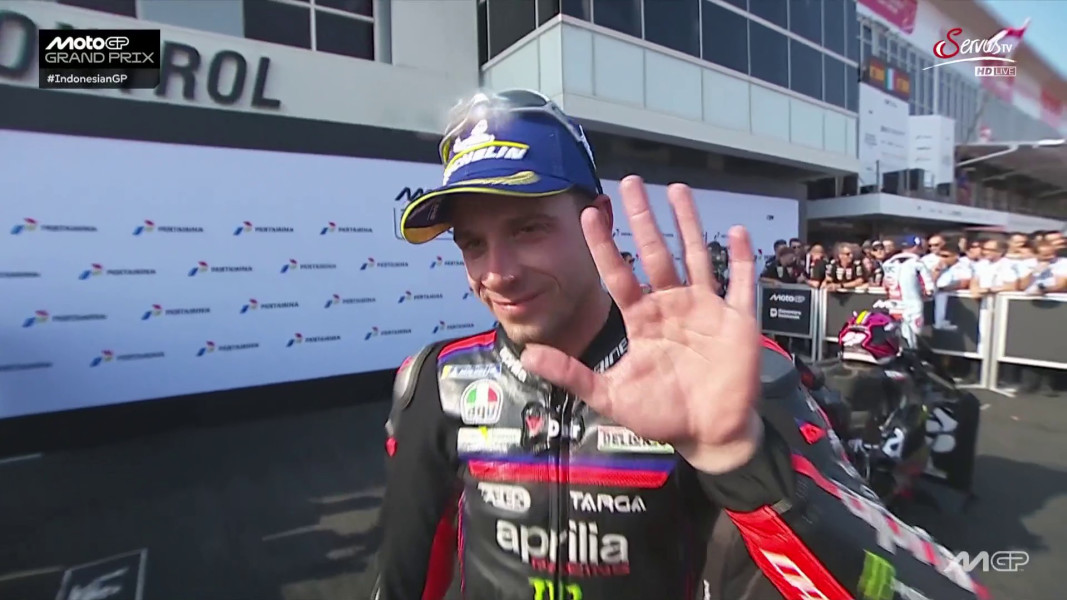
Bezzecchi und Aprilia feiern historischen Sieg
11. Okt. | 6:23 Min
11. Okt. | 10:29 Min
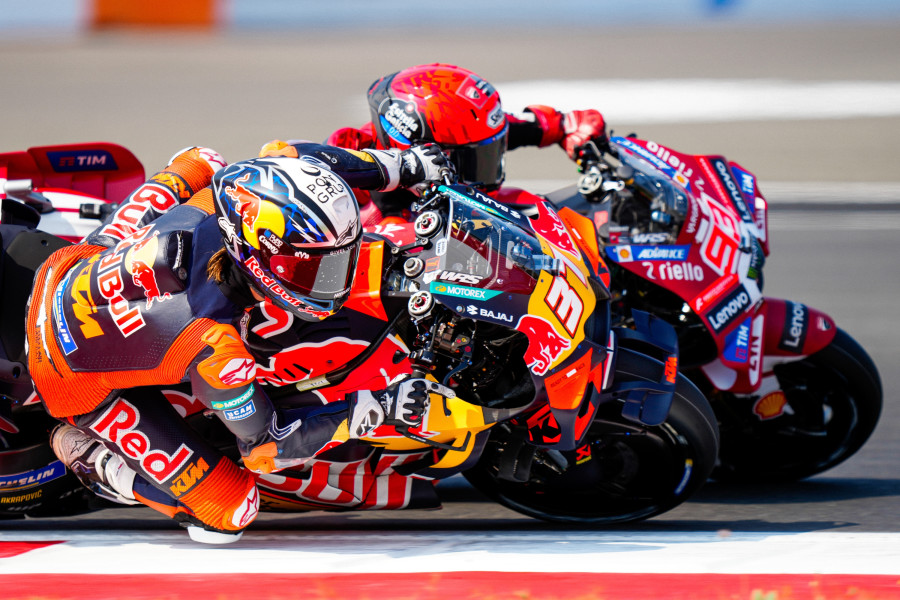
11. Okt. | 7:25 Min
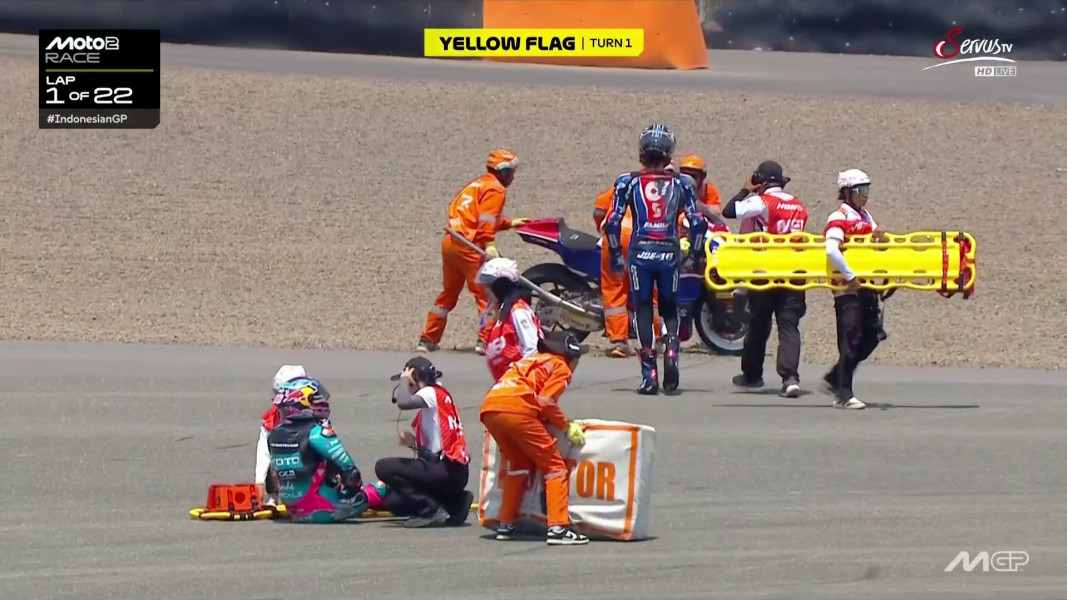
Startcrash! Alonso durch die Luft geschleudert
11. Okt. | 10:50 Min
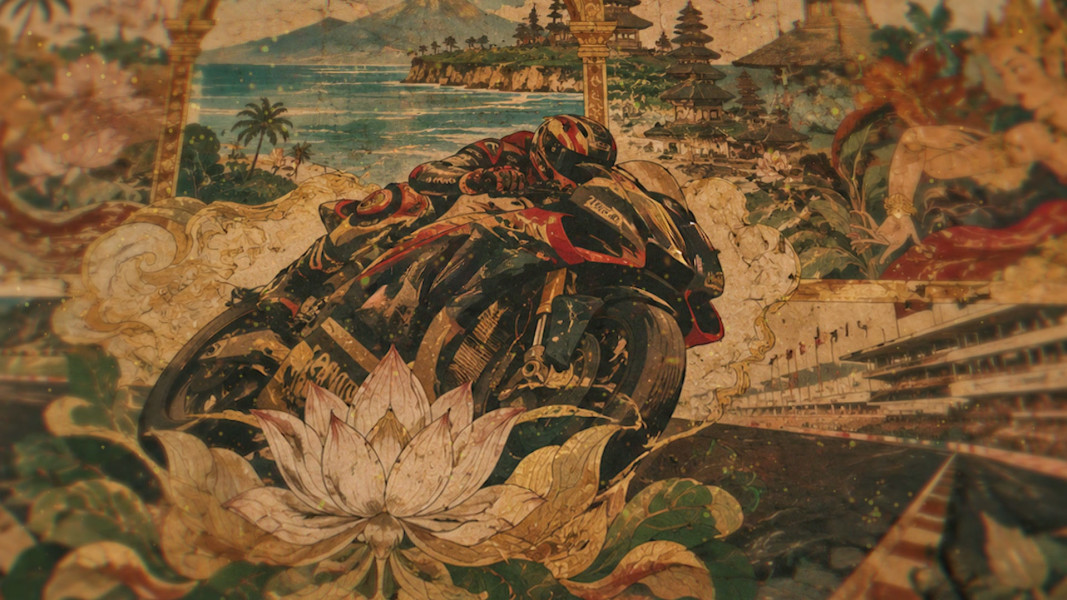
Coming Up: Mandalika - das sind die Talking Points
11. Okt. | 1:30 Min
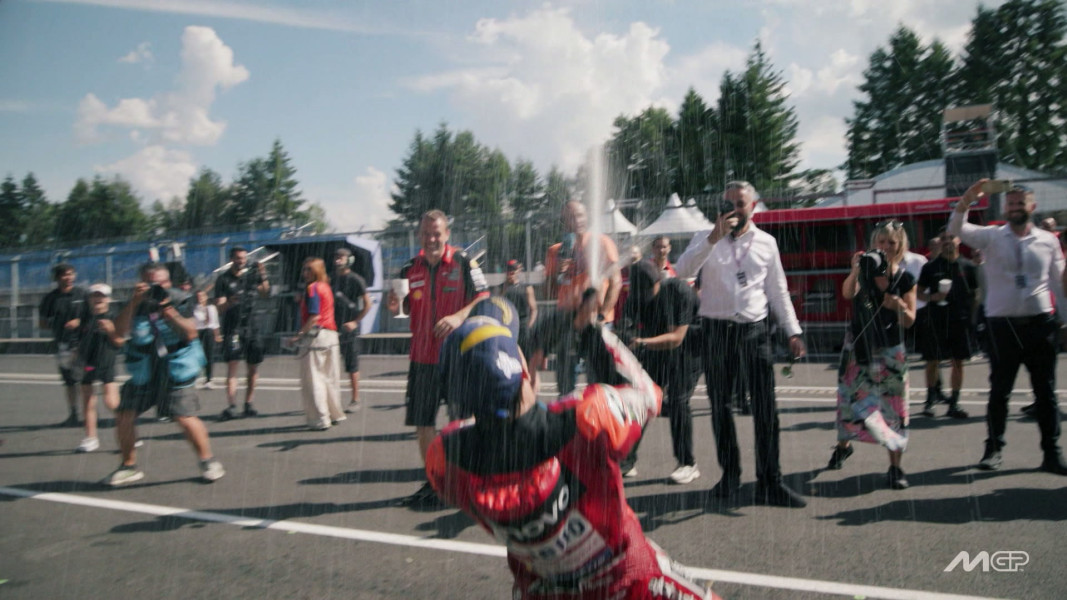
Beendet Marquez seinen „Indonesien-Fluch“?
11. Okt. | 1:58 Min
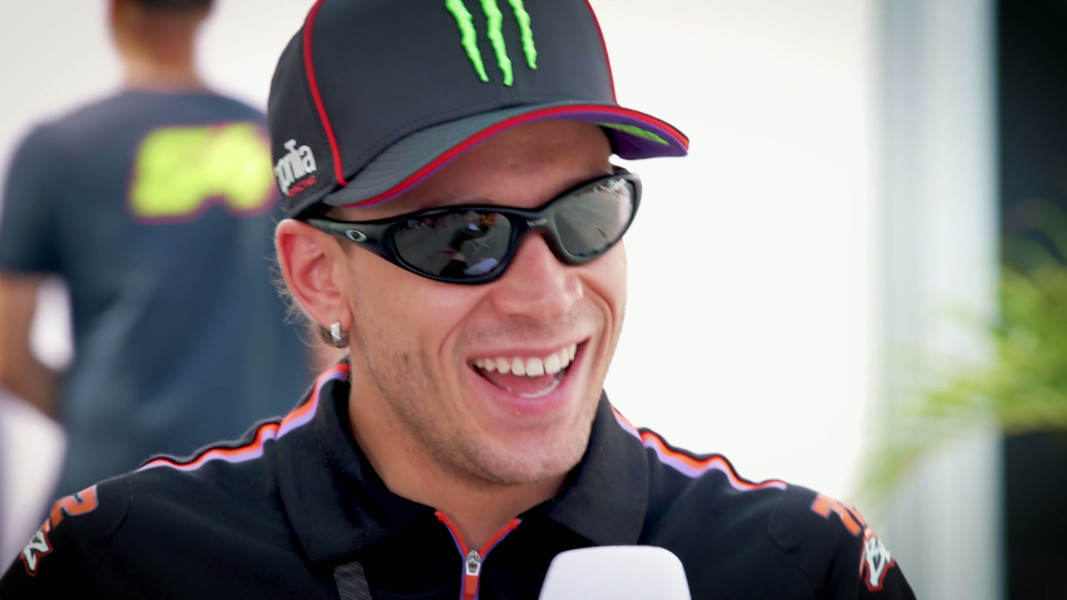
Marco Bezzecchi 1on1: Der Aprilia-Star exklusiv
11. Okt. | 5:03 Min
Events
All MotoGP EventsPast Pertamina Grand Prix of Indonesia  09.–11.10.2026


Past Pertamina Grand Prix of Indonesia
MotoGP News
All News

Newest Articles
All ArticlesNew New New New New