KTM boss Neumeister fears: ‘That would cost MotoGP its soul’
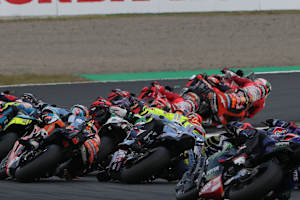
There are also efforts underway in the MotoGP World Championship to cut costs. For KTM Managing Director Gottfried Neumeister, it is clear that this must not come at the expense of the spectacle.
This article is an automatically generated English version. The
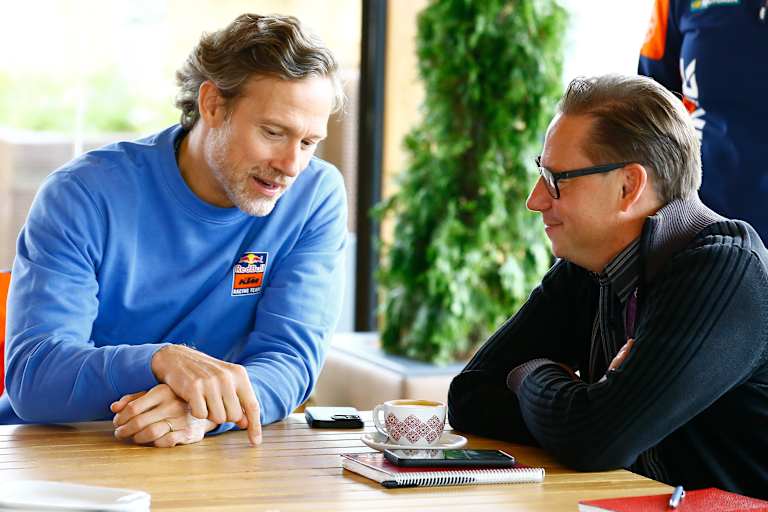
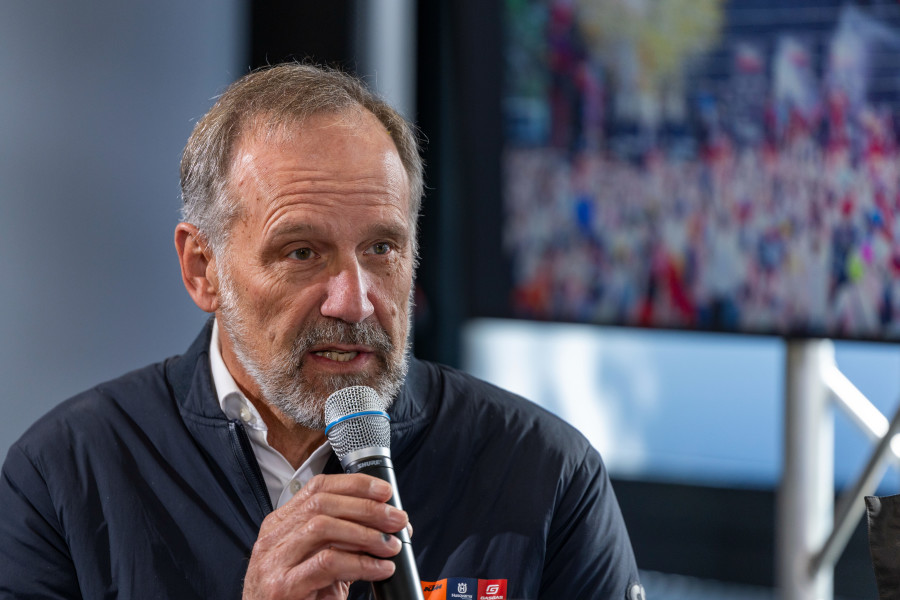
Gottfried Neumeister (li.) mit Ivo Schützbach
Foto: gerhard schiel
Gottfried Neumeister (li.) mit Ivo Schützbach
© gerhard schiel


Money isn’t as plentiful as it used to be, and MotoGP is no exception. In Moto2, standardised engines have been used since 2010, initially from Honda and, since 2019, from Triumph. In Moto3, there will even be
For MotoGP, the five manufacturers – Aprilia, Ducati, Honda, KTM and Yamaha – are also in discussions with promoter Liberty and the International Motorcycling Federation (FIM) about how costs can be reduced, for example by introducing a cap on the overall budget.
“Let’s take Formula 1 as an example: I don’t believe the cost cap is always adhered to,” reflects KTM Managing Director Gottfried Neumeister. “Nevertheless, it has ensured that all teams now have a basis on which to compete. We are now also seeing significantly smaller teams and companies mixing it up at the front.”
One-bike rule saves hardly any money
Another idea is the introduction of the one-bike rule, as we’ve seen in the Superbike World Championship since 2012. Riders are only allowed to have one bike in the pit; a second bike is kept behind the pit walls and may only be prepared for use if the first bike is beyond repair. Teams have a third motorbike per rider with them, either in parts or as a rolling chassis; on balance, this rule saves hardly anything.
Neumeister is consequently sceptical about it: “I don’t like the one-bike rule; I’m completely against it. Yes, it saves a bit of money, but it goes against my understanding of this sport. Riders should be able to push themselves to the limit. And to come back to the pits and switch to the second bike if necessary. For me, that’s the heart of MotoGP. A cost cap can be a good thing because it allows everyone to compete on a level playing field. But we need to approach this wisely and find the best solutions for the sport.”
Topic of the week
Nicolo Bulega: Toprak’s successor will not fail in MotoGP
The Italian Nicolo Bulega is the first rider to have won the world title in both the Supersport and Superbike classes; from 2027, he will be racing in MotoGP. His performances this season are second to none.
TV Program
It would be relatively easy to implement this, particularly at the lower levels. “If, for example, everyone uses the same fuel, it won’t affect the spectators’ enjoyment,” explained the Austrian. “If there’s a single fuel supplier, then everyone works from the same basis and we can still compete to see who gets the most out of it. Why don’t we optimise something that causes a lot of headaches – particularly for the smaller teams – and costs a lot of money, if it has no impact on the show?”
Seen already?
Don't miss out on any highlights: The Speedweek newsletter, sent out twice a week, delivers the latest news, exclusive commentary and all the important dates from the world of motorsports - directly into your inbox
Championship Standings
Full Standingsorg-location for [2026] 2026
2026
2025
2024
2023
Pos
Driver
Team
Points
1


306
2


294
3

264
4


234
5


230
6


222
7

203
8


158
9

156
10

115
Highlight Videos
ServusTV Media Library
26. Sept. | 12:31 Min
22. Sept. | 3:57 Min
„Haben gezittert bis zur letzten Kurve"
20. Sept. | 4:01 Min
20. Sept. | 41:28 Min
Pedro Acosta: „Danke an alle Fans“
20. Sept. | 5:36 Min
20. Sept. | 3:52 Min
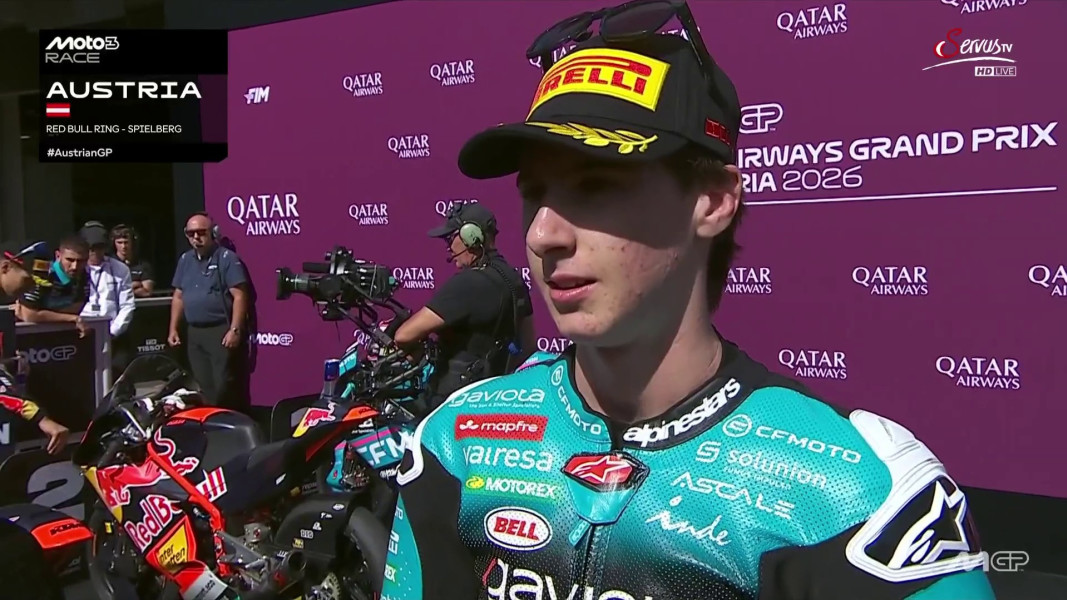
Quiles: „Es war toll, in Österreich zu fahren“
20. Sept. | 3:15 Min
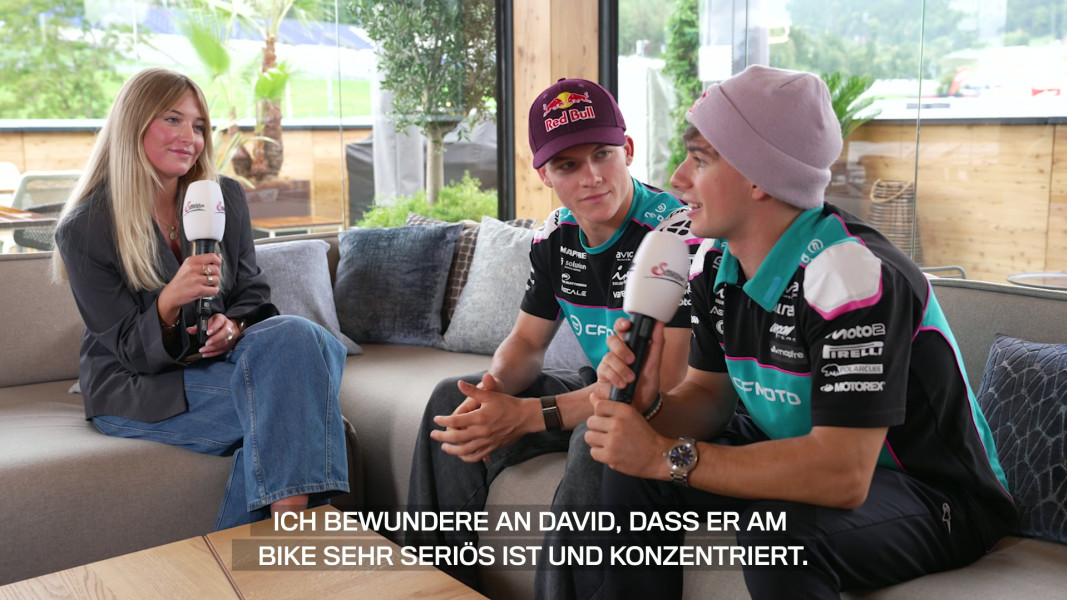
Holgado & Alonso beantworten eure Fragen!
20. Sept. | 4:01 Min
Events
All MotoGP EventsNext up Pertamina Grand Prix of Indonesia  09.–11.10.2026


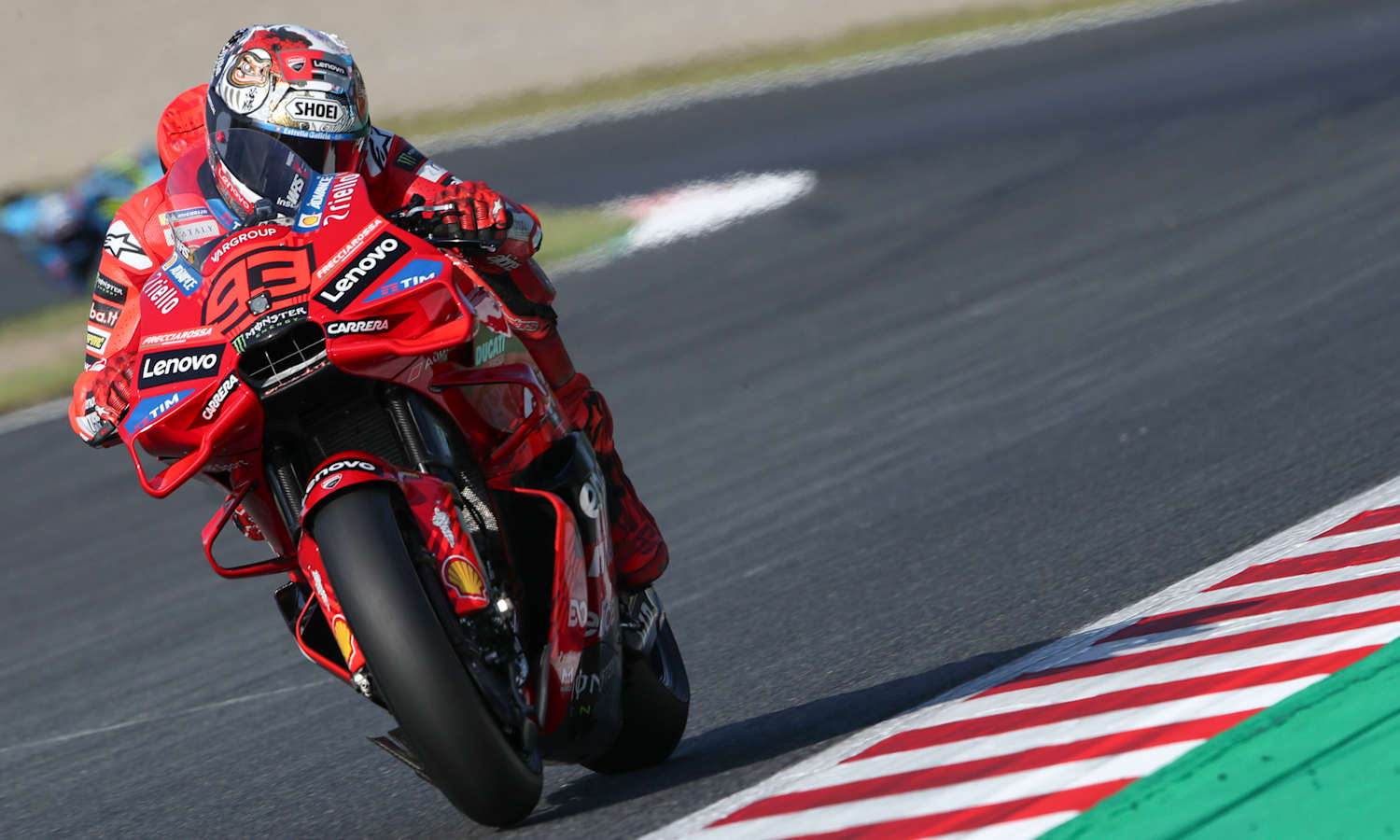


Next up Pertamina Grand Prix of Indonesia
MotoGP News
All News
Newest Articles
All ArticlesNew New New New