
KTM struggles with technical issues: Sensor ruined Pedro Acosta’s Sprint Saturday
KTM’s top rider, Pedro Acosta, stalled twice on Sprint Saturday due to a loss of power. According to team manager Aki Ajo, the cause was quickly identified and resolved. However, the situation remains tense.
This article is an automatically generated English version. The

Pedro Acosta wurde am Samstag in Assen zweimal von einem Defekt gestoppt
Foto: Seidenglanz
Pedro Acosta wurde am Samstag in Assen zweimal von einem Defekt gestoppt
© Seidenglanz


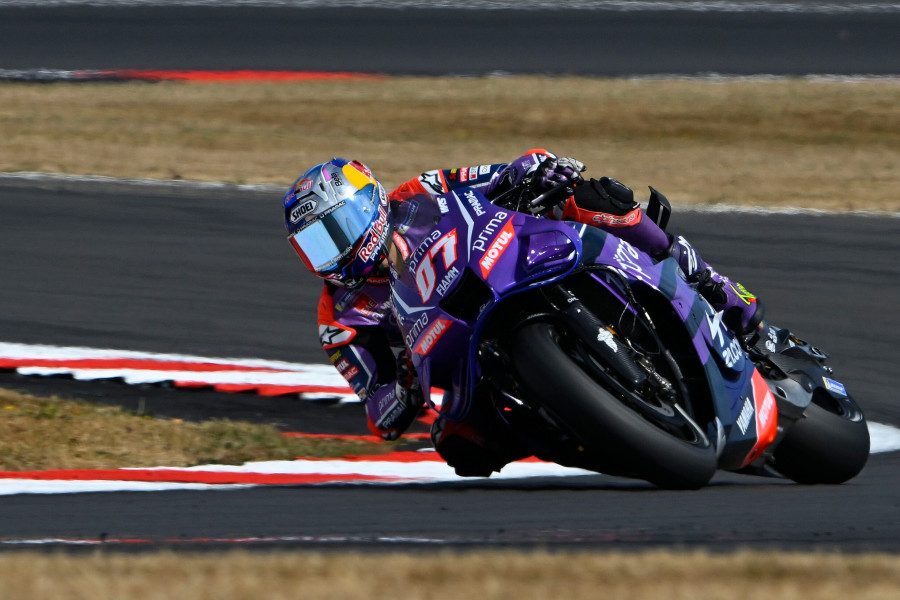
The fact that KTM made headlines on Sprint Saturday, even before the first race, was less down to the riders’ lap times. Team leader Pedro Acosta was stopped by technical issues on no fewer than two occasions. Right at the start of the second free practice session, the Spaniard had to park his RC16 at the side of the track.
Acosta had to tackle Q2, scheduled shortly afterwards, on his second bike. But the other number 37 from the Red Bull KTM Factory Racing garage also failed – curiously, at the exact same spot after the fast right-hand bend at Meeuwenmeer, the young Spaniard’s session came to an end. The fact that the incidents were so similar pointed to the cause. It was unlikely to be a classic engine failure; rather, the RC16’s power delivery had evidently been cut off.

KTM-Teammanager Aki Ajo im Gespräch mit Techniker Sebastian Risse (re.)
Foto: Gold and Goose
KTM-Teammanager Aki Ajo im Gespräch mit Techniker Sebastian Risse (re.)
© Gold and Goose
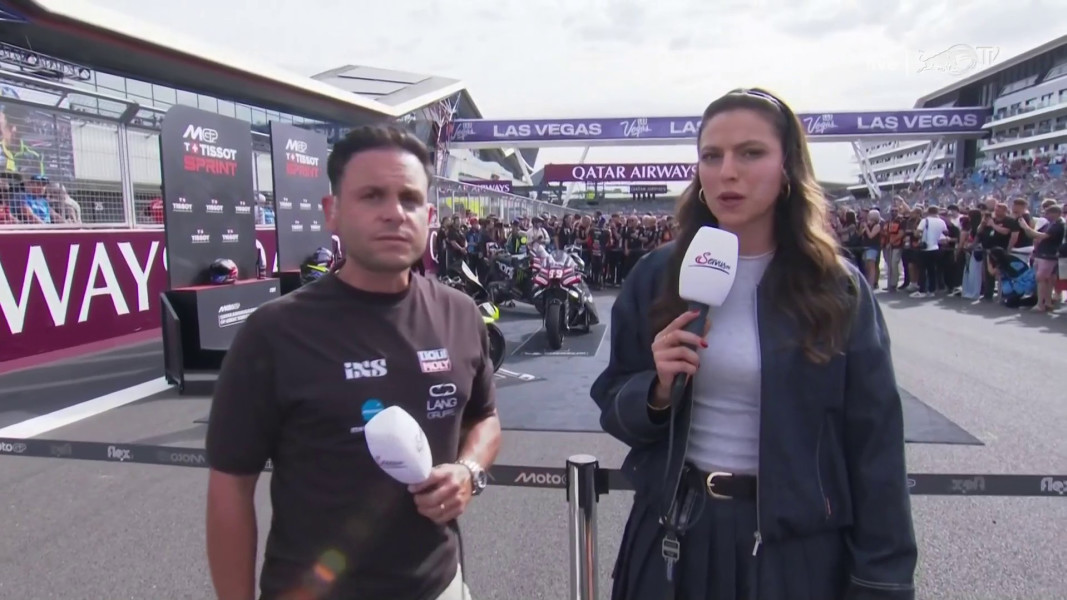
This suspicion was confirmed. Before the sprint, team boss Aki Ajo explained the incident on camera: “It was something that hadn’t happened in this form before. When Pedro rode over the kerbs, a sensor recorded readings that we had never seen before, and as a result the bike switched to an emergency mode. There was actually nothing wrong with the bike and I can assure you that we have resolved the problem.”
When asked about the incident in Barcelona, where a defect that was at least comparable triggered Alex Márquez’s crash, Ajo reiterated: “I would like to emphasise that we had a different problem in Barcelona.”
Summertime, holiday season, the silly season: these are the weeks when the most outrageous driver changes are usually discussed. The big news for the 2027 season is yet to materialise.
TV program
It is true that, in recent months, the KTM riders have been plagued by a whole series of faults. These included engine failures due to mechanical faults, the cause of which is likely to be found in the poor manufacturing quality of individual parts. This is because, according to the current regulations, the development of powertrains has been prohibited for all manufacturers except Yamaha since the start of 2025, and the basic specification of the RC16 remains unchanged.
Rather, quality issues with one or more suppliers of highly sensitive components are likely to have caused damage that is not directly related to actual mileage and therefore does not meet the actual criterion for an engine change. Manufacturers base their engine design on these criteria in order to comply with the regulations governing the number of engines permitted.
As a manufacturer in Concession Class B, each rider is allocated eight engines. If a team exceeds this limit for a rider, there are severe penalties for each additional engine used. Specifically, a start from the pit lane (five seconds behind the field) in a Grand Prix plus a start from the pit lane in a Sprint. The same applies for every further engine. For KTM, the priority is therefore to present the technical issues transparently to the Technical Commission – whilst at the same time ensuring that the RC16 racers regain their reliable competitive edge.
Seen already?
Don't miss out on any highlights: The Speedweek newsletter, sent out twice a week, delivers the latest news, exclusive commentary and all the important dates from the world of motorsports - directly into your inbox
Highlight videos
ServusTV media library
9. Aug. | 1:21 Min
Manuel Gonzalez 1on1: So tickt der Moto2-Star
9. Aug. | 3:32 Min
9. Aug. | 19:07 Min
9. Aug. | 5:02 Min
8. Aug. | 2:23 Min
Aprilia setzt Ducati unter Druck
8. Aug. | 4:25 Min
David Alonso & Dani Holgado: Die MotoGP ruft!
8. Aug. | 4:21 Min
8. Aug. | 13:23 Min
MotoGP News
All news


Newest articles
All articlesNew New


