Yamaha is banking on Jack Miller’s expertise: “A Michelin is still a Michelin”
Following a disappointing Superbike season, Yamaha is pinning its hopes on the change of tyres. Niccolo Canepa explains why Jack Miller’s Michelin experience should help, despite the different tyres.
This article is an automatically generated English version. The
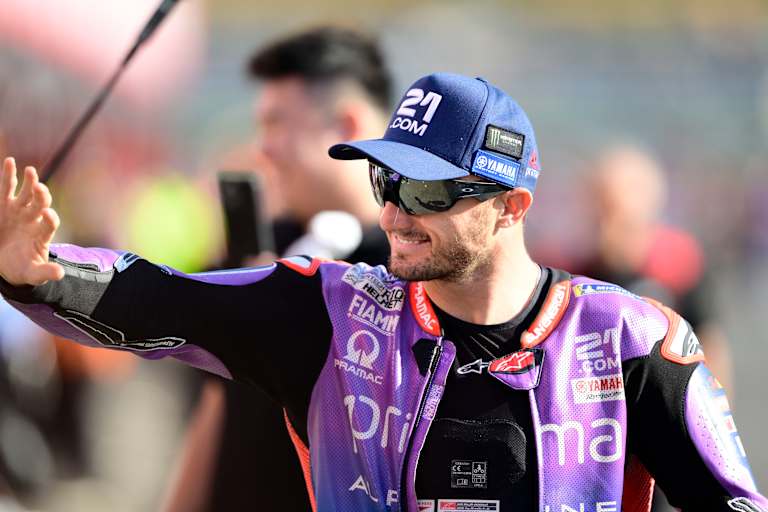
Yamaha-Hoffnungsträger Jack Miller
Foto: Gold & Goose
Yamaha-Hoffnungsträger Jack Miller
© Gold & Goose


The 2026 Superbike World Championship was a massive disappointment for Yamaha. In the final year of Pirelli’s one-size-fits-all tyres, the R1 fell well short of expectations. The switch to Michelin and the arrival of Jack Miller open up new possibilities for 2027. Yamaha racing manager Niccolo Canepa sees the Australian’s tyre experience in particular as a valuable asset.
Just how difficult the past season was is illustrated
Team-mate Xavi Vierge finished the season 13th in the World Championship, Remy Gardner came 16th and Stefano Manzi 18th. The manufacturers’ standings were also sobering: Yamaha finished in fourth place, just ahead of Kawasaki, which was represented by just one rider.
Recommendations
Mentioned in this article
Yamaha’s hopes for 2027
Against this backdrop, the technical transition for 2027 takes on particular significance. All manufacturers must adapt their motorbikes to Michelin tyres. With Miller, Yamaha is gaining a rider who has many years’ experience with the French tyre manufacturer from MotoGP. However, the Australian is not yet familiar with the new Superbike tyres.
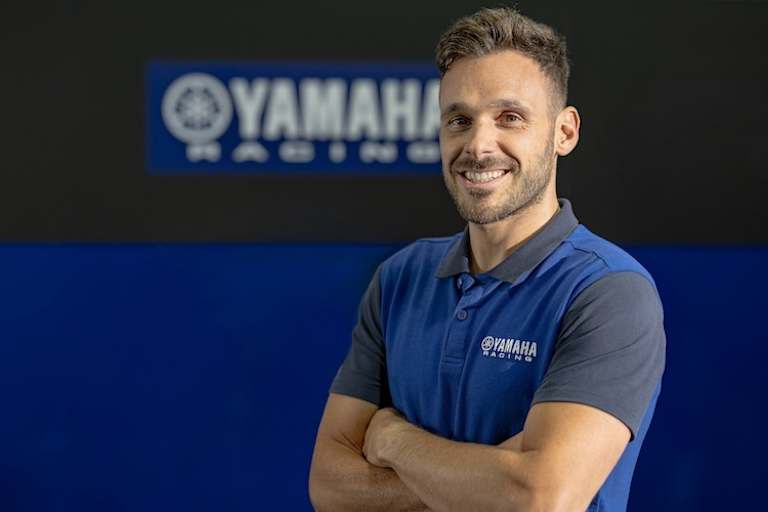
Niccolo Canepa
Foto: Yamaha
Niccolo Canepa
© Yamaha
Topic of the week
Topic of the week: MotoGP’s new schedule proved highly controversial
In 2027, MotoGP will also enter the 850cc era with a new schedule. It was not so much the changes themselves as the way the decisions were reached that caused a stir. A prime example of: ‘Talking helps’.
Despite the technical differences, Canepa sees value in Miller’s experience: “A tyre developed for MotoGP is different. It cannot be used in the World Superbike Championship,” the Italian clarified in an interview with SPEEDWEEK.com. “From my own riding career and the many tyre tests I’ve done on different motorbikes, I know that every tyre brand conveys a certain feel. Even if the construction, carcass and compound are different, the basic behaviour remains similar.” For Canepa, however, it is not the specific construction alone that determines whether a rider can draw on their previous experience.
“What I’ve learnt over many years of testing tyres from different manufacturers on various motorbikes is that, ultimately, a tyre brand conveys a certain feel. Even though the construction, carcass and compound may differ, the behaviour ultimately remains similar,” explained the Yamaha manager.
Miller therefore does not bring a ready-made set-up solution for the R1 with him. However, his experience could help him to understand the characteristics of the new tyres more quickly and provide the team with precise feedback during development work.
Tyre DNA remains the same across classes
“A Michelin will always be recognisable as a Michelin to a rider – regardless of whether they’re riding a MotoGP bike with a corresponding prototype tyre or a Superbike with production-based racing tyres. A Pirelli will always remain a Pirelli. The same applies to Bridgestone, with which I have direct experience myself,” explained Canepa, who rode for Yamaha in the World Endurance Championship for many years.
The tyre change alone does not yet guarantee Yamaha a resurgence. The competition will also continue to develop their motorbikes and try to make the best possible use of the Michelin tyres. However, after a season without a podium finish, Yamaha needs to make significant progress to get back in contention at the top.
Miller is already familiar with the R1 from his appearances at the Suzuka 8 Hours and from private testing. From 2027, he is set to combine this knowledge with his Michelin experience.
“That’s why I believe it will be a great help to have him on board. Even though the tyres differ from those used in MotoGP, their characteristics will be very similar,” emphasised Canepa.
Seen already?
Don't miss out on any highlights: The Speedweek newsletter, sent out twice a week, delivers the latest news, exclusive commentary and all the important dates from the world of motorsports - directly into your inbox
Championship Standings
Full Standingsorg-location for [2026] 2026
2026
2025
2024
2023
Pos
Rider
Team
Points
1


726
2

563
3


318
4


268
5


259
6


236
7

222
8


198
9

167
10


165
Highlight Videos
ServusTV Media Library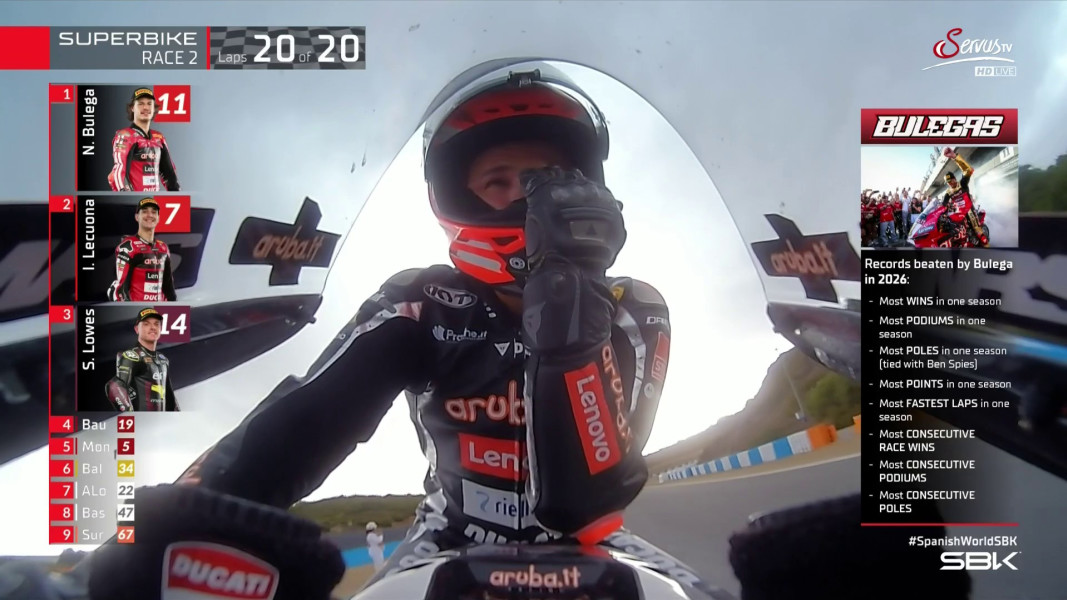
Bulega mit emotionalem Abschied
18. Okt. | 1:48 Min
Bautista verpasst Podium knapp
18. Okt. | 2:55 Min
„Habe die gesamte Auslaufrunde geweint“
18. Okt. | 5:12 Min
18. Okt. | 17:42 Min
Saisonabschluss-Rekorde & Abschieds-Drama
18. Okt. | 1:32 Min
18. Okt. | 56:55 Min
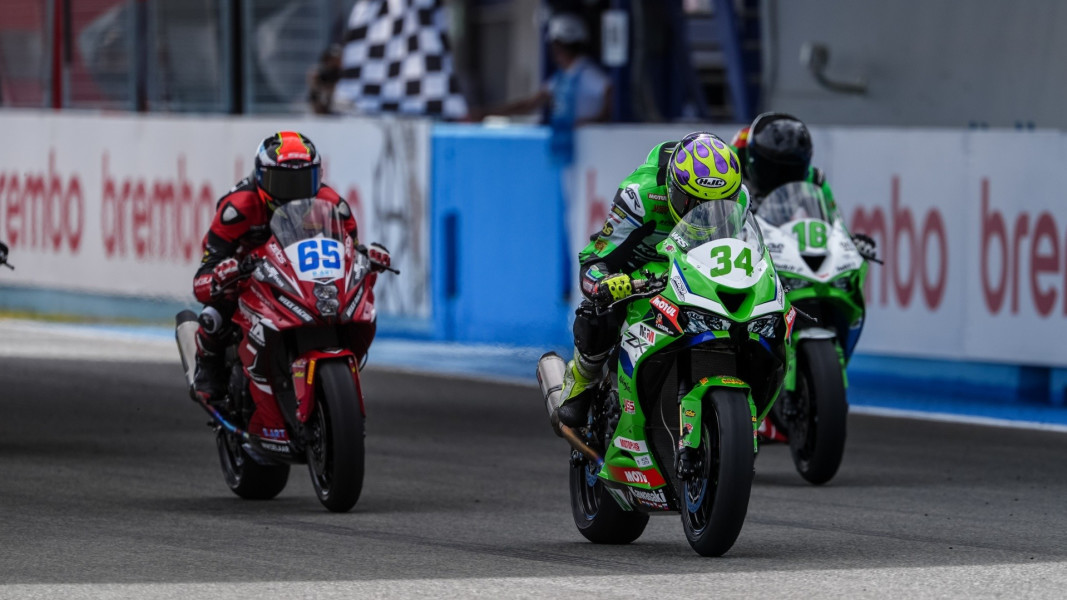
18. Okt. | 54:36 Min
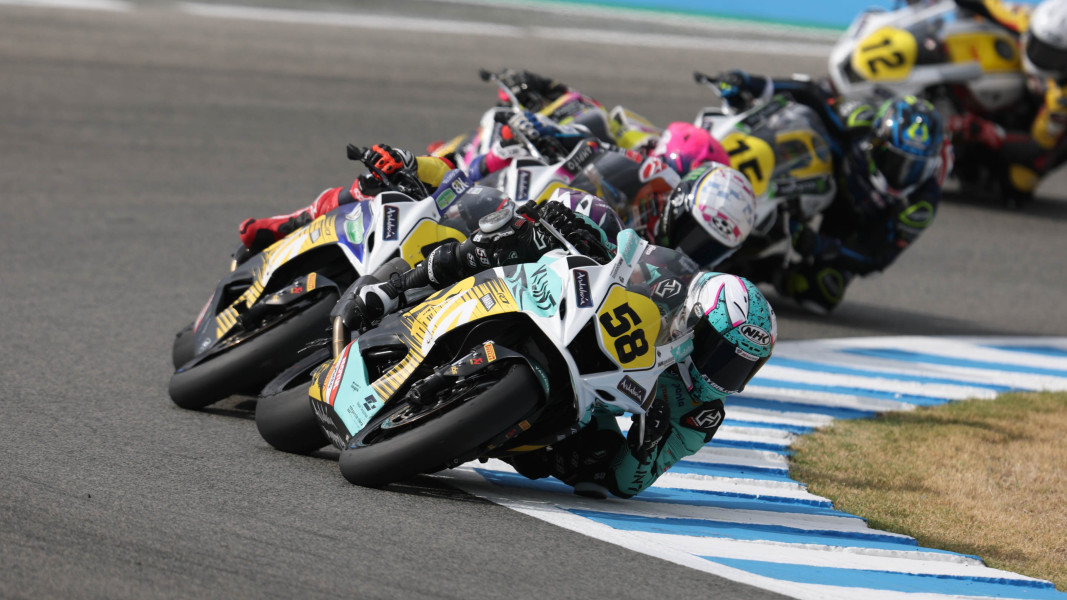
18. Okt. | 49:28 Min
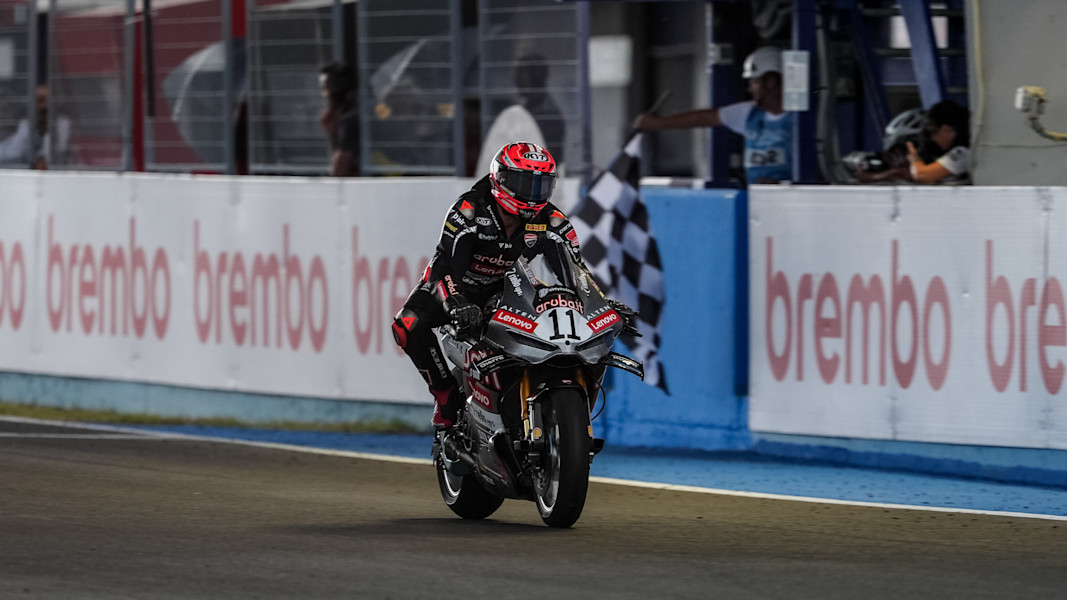
Events
All WorldSBK Events


WorldSBK News
All News

Newest Articles
All ArticlesNew New New New New New