Dr Angel Charte on Marquez and Martin: “They’re very cool guys”
MotoGP Chief Medical Officer Dr Angel Charte talks about the differences between the riders in the Motorcycle World Championship. What makes Marc Marquez and Jorge Martin stand out.
This article is an automatically generated English version. The
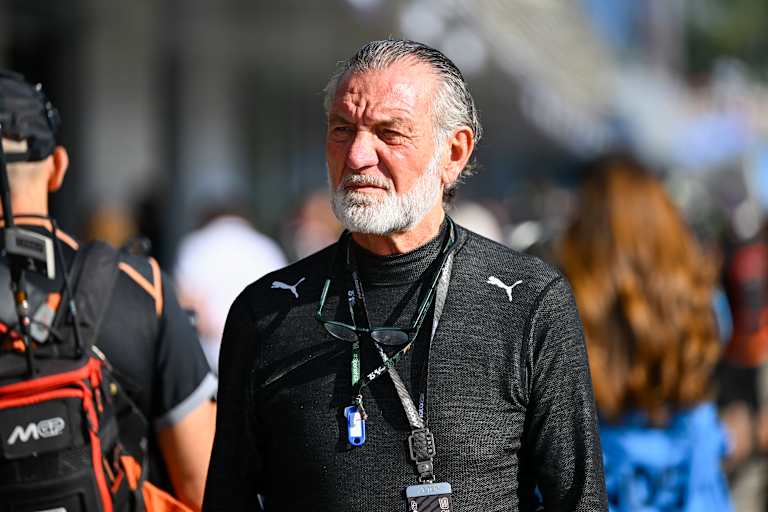
Dr. Angel Charte
Foto: Gold & Goose
Dr. Angel Charte
© Gold & Goose


In the first two parts of SPEEDWEEK.com’s interview with MotoGP doctor Dr Angel Charte, the Spaniard spoke about improvements to medical care at the circuit and his ideas for the future. In Part 3, the doctor discusses the differences between riders in MotoGP, Moto2 and Moto3.
Angel, is there a difference between the riders in Moto3, Moto2 and MotoGP? Without a doubt . I believe the difference is very significant, particularly on a mental level. We see it every day in their faces. Moto3 riders have to work hard to earn a living and keep improving in order to move up to Moto2, and Moto2 riders have to do the same to get into MotoGP.
Mentally, that’s very important. I’ve seen very few serious crashes in the opening laps. Very few indeed. The riders handle these situations perfectly. You also have to bear in mind that a 15- or 20-year-old entering Moto3 could suffer serious injury. Even a Moto3 bike can be very dangerous.
From a medical point of view, however, we treat everyone exactly the same. As far as I’m concerned, Márquez and the last Moto3 rider receive exactly the same medical care.
So is the fundamental difference down to experience? Yes. The motorbikes are different, have different engine capacities and everything changes, but mentally they continue to develop every day. They’re learning to ride better and better, developing mentally and gaining experience in handling the motorbike.
Four weeks ago, Aprilia headed into the summer break from Germany with a badly injured Marco Bezzecchi. The response came from the heart of British motor racing: ‘Together we are strong!’
TV program
When you look at riders like Martin or Márquez from the outside, they exude an enormous sense of calm and control. Do you think the serious injuries they’ve suffered might have taken them to a new level mentally? I don’t know if that particular statement is entirely accurate. What I do know, however, is that both have very distinctive riding styles. I know them outside this context as well, and I’ve seen them after the odd crash or two. They’re very, very cool guys, and I think they have certain skills that they’ve developed significantly whilst riding. That doesn’t mean they don’t make mistakes. Both of them do.
But that composure we see from the outside doesn’t mean they’re calm on the inside. Their heart rate might be 140 or 150, and they might have an enormous amount of adrenaline coursing through their bodies.
Can a serious crash, a serious injury or a long recovery period change a rider’s perspective when they return to racing? Of course. A serious injury can change their mindset. There are riders who are so deeply affected by a serious injury that they are held back in certain areas. It’s one thing to work as a test rider, and quite another to compete in a race.
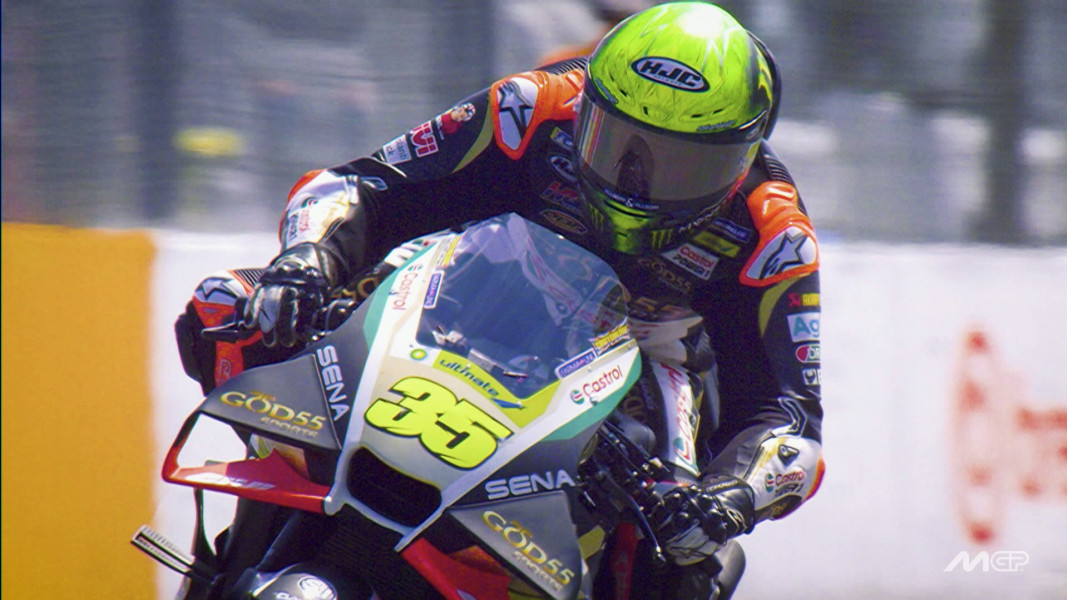
Crutchlow, for example, suffered a very serious injury in Australia. That’s bound to have an impact, in some way, when he gets back on the motorbike afterwards. And we’ve seen riders who have changed as a result of a serious injury.
To be continued …
Seen already?
Don't miss out on any highlights: The Speedweek newsletter, sent out twice a week, delivers the latest news, exclusive commentary and all the important dates from the world of motorsports - directly into your inbox
Championship Standings
Full standings2026
2026
2025
2024
2023
Pos
Driver
Team
Points
1


240
2

209
3


203
4


200
5


199
6

184
7


163
8

143
9


106
10


86
Highlight videos
ServusTV media library
13. Aug. | 11:46 Min
9. Aug. | 1:21 Min
Manuel Gonzalez 1on1: So tickt der Moto2-Star
9. Aug. | 3:32 Min
9. Aug. | 19:07 Min
9. Aug. | 5:02 Min
8. Aug. | 2:23 Min
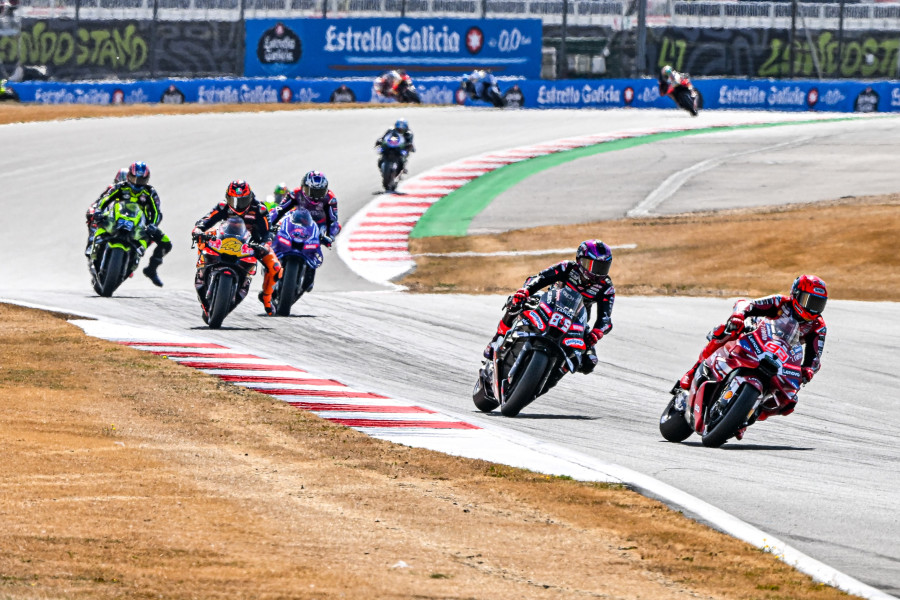
Aprilia setzt Ducati unter Druck
8. Aug. | 4:25 Min
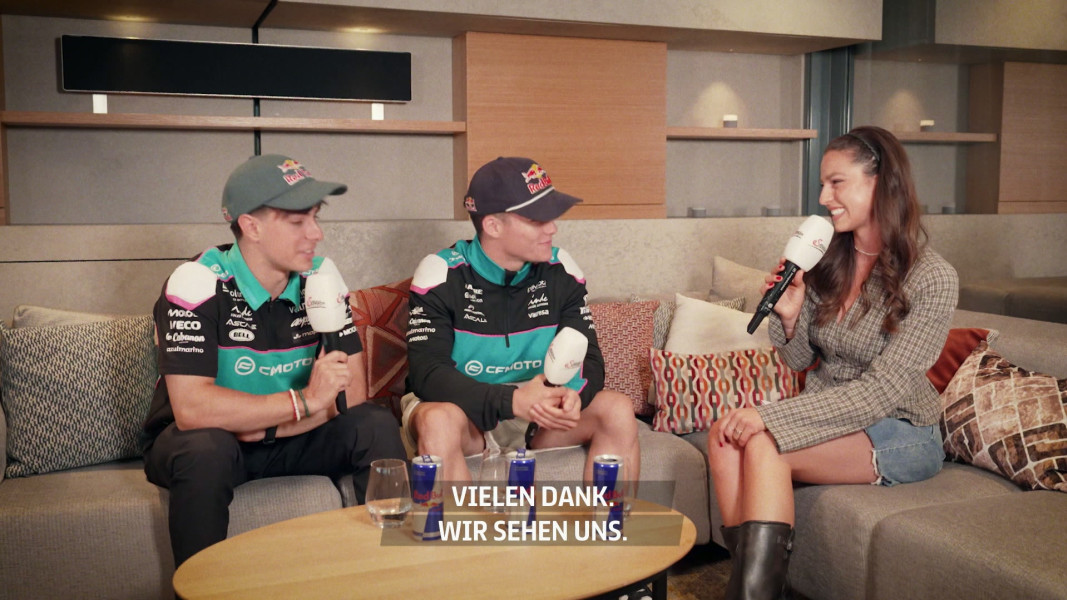
David Alonso & Dani Holgado: Die MotoGP ruft!
8. Aug. | 4:21 Min
Events
All MotoGP eventsPast Motorrad Grand Prix Deutschland
 10.–12.07.2026
Past British Grand Prix
 07.–09.08.2026
Next up Gran Premio de Aragón
 28.–30.08.2026
Gran Premio di San Marino
 11.–13.09.2026
Motorrad Grand Prix von Österreich
 18.–20.09.2026
Past Motorrad Grand Prix Deutschland
Past British Grand Prix
Next up Gran Premio de Aragón
Gran Premio di San Marino
Motorrad Grand Prix von Österreich
MotoGP News
All news
Newest articles
All articlesNew New New