MotoGP doctor Charte: “I’ve experienced difficult situations with riders!”
MotoGP chief medical officer Dr Angel Charte wants to ensure the mental health of riders in the World Motorcycle Championship in future. Spanish football teams or the NBA are to serve as models.
This article is an automatically generated English version. The
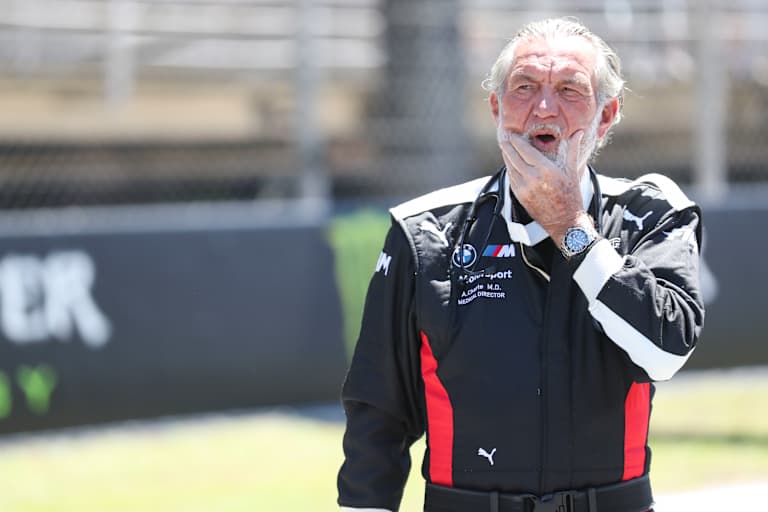
MotoGP-Chefarzt Dr. Angel Charte
Foto: Gold & Goose
MotoGP-Chefarzt Dr. Angel Charte
© Gold & Goose


In the first part of the interview conducted by SPEEDWEEK.com writer Manuel Pecino with MotoGP Chief Medical Officer Dr Angel Charte, the doctor explained how Marco Simoncelli’s accident in 2011 changed medical care at the racetrack. Part 2 focuses on how riders’ mental health is to be safeguarded in future.
Angel, you also mentioned introducing mental health protocols. I know there was already an attempt in this regard that didn’t work – why? It’s not necessarily the case that they didn’t work. The problem is that any protocol you introduce requires staff to implement it. It’s difficult to do this in person on site, so we’ll be implementing it online. I’ll be able to speak to the riders, wherever they are, and they can tell me about their anxieties – things they don’t tell anyone else, their personal feelings, their relationship with the team, which is often not easy, or what they want to achieve.
We need to know what they want to achieve, whether they want to return after an injury, under what conditions, and what their needs are.
What sort of situations can be identified through this support? There are stressful situations that can have a major impact on them. I’ve been here for many years and have experienced difficult situations with riders. That’s why I’d like to bring in a team of specialists who will form a sort of standing committee to analyse how their condition, their mental health and their relationships with their families and team-mates are developing.
I believe this will give them a sense of security. Of course, you don’t tell someone about your most intimate problems via a screen, but you can tell them that you’re under a certain amount of pressure at home, that there’s a family problem, or that you’re currently going through a particular situation.
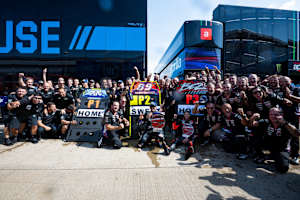
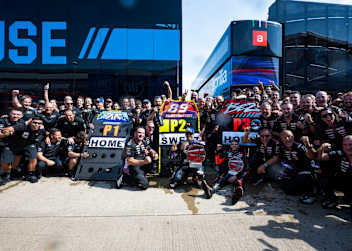
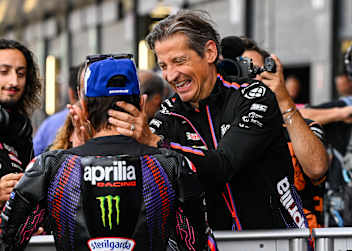
Four weeks ago, Aprilia headed into the summer break from Germany with a badly injured Marco Bezzecchi. The response came from the heart of British motor racing: ‘Together we are strong!’
TV program
And once you have this information, you have the means to try and resolve the problem. All of this is intended to give them an extra sense of security whilst driving.
Are we talking about psychiatry here? No. We’re talking about mental health. This is already being practised in Spanish football teams and in NBA teams. In the past, players used to see their psychiatrist or psychologist individually. Now, various units and support systems are being set up.
In MotoGP, it’s difficult to get all the riders round one table, but we can ensure individual support. For example, a rider might go home on a Tuesday, and one of the members of the department might ring him and ask: ‘How are you? Let’s talk about the race. What happened there?’ That’s one way of keeping in touch.
I’ve been working in this world for over 30 years. I find it hard to imagine such reserved riders opening up and talking about their problems … Bear this in mind: there’s a saying that a doctor is like a priest. And that’s no coincidence. Doctors have always been the people to whom people pour out their hearts. I don’t know if all riders will open up one hundred per cent, but I believe it would help a great deal.
I don’t know if it depends on nationality. Perhaps the Anglo-Saxons are more reserved and would take a different view, but I don’t have enough data to confirm that. The drivers I’ve spoken to found the suggestion very interesting, and we’re going to give it a go.
To be continued …
Seen already?
Don't miss out on any highlights: The Speedweek newsletter, sent out twice a week, delivers the latest news, exclusive commentary and all the important dates from the world of motorsports - directly into your inbox
Championship Standings
Full standings2026
2026
2025
2024
2023
Pos
Driver
Team
Points
1


240
2

209
3


203
4


200
5


199
6

184
7


163
8

143
9


106
10


86
Highlight videos
ServusTV media library
13. Aug. | 11:46 Min
9. Aug. | 1:21 Min
Manuel Gonzalez 1on1: So tickt der Moto2-Star
9. Aug. | 3:32 Min
9. Aug. | 19:07 Min
9. Aug. | 5:02 Min
8. Aug. | 2:23 Min
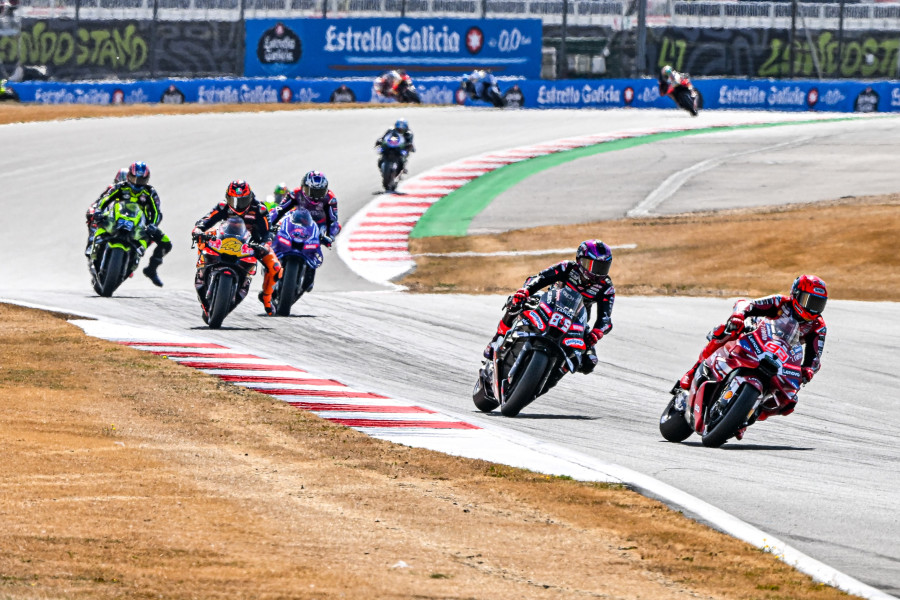
Aprilia setzt Ducati unter Druck
8. Aug. | 4:25 Min
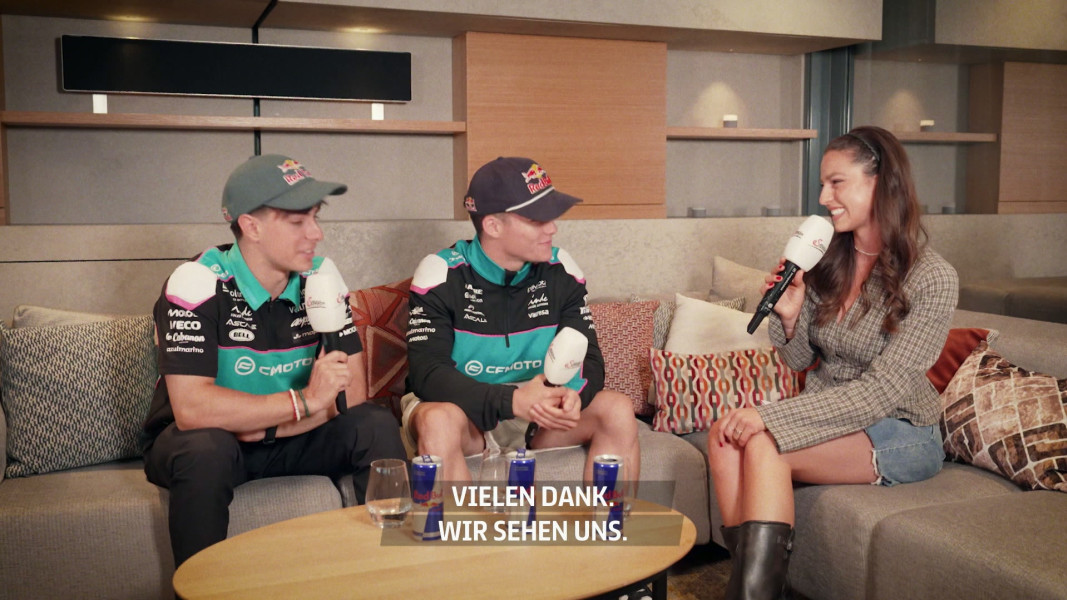
David Alonso & Dani Holgado: Die MotoGP ruft!
8. Aug. | 4:21 Min
Events
All MotoGP eventsPast Motorrad Grand Prix Deutschland
 10.–12.07.2026
Past British Grand Prix
 07.–09.08.2026
Next up Gran Premio de Aragón
 28.–30.08.2026
Gran Premio di San Marino
 11.–13.09.2026
Motorrad Grand Prix von Österreich
 18.–20.09.2026
Past Motorrad Grand Prix Deutschland
Past British Grand Prix
Next up Gran Premio de Aragón
Gran Premio di San Marino
Motorrad Grand Prix von Österreich
MotoGP News
All news
Newest articles
All articlesNew New New