75th Rally Finland: A tradition of high speeds and long jumps
Finland is one of the most traditional events on the World Rally Championship calendar and, due to its high speeds and long jumps, one of the most demanding.
This article is an automatically generated English version. The
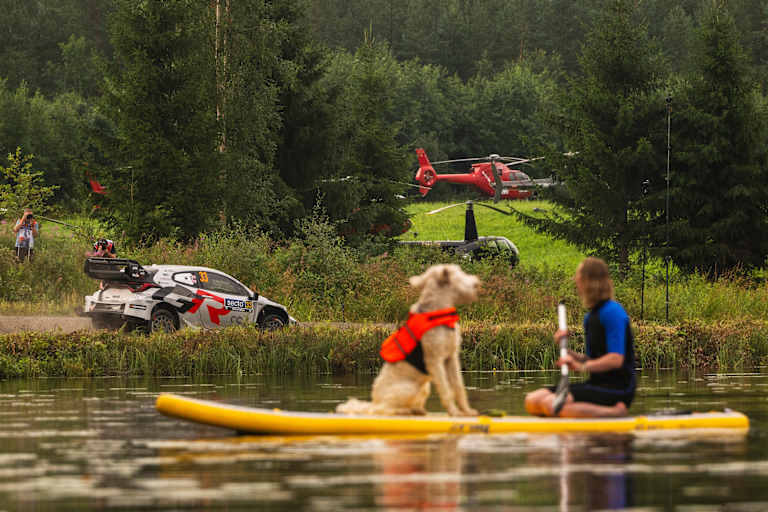
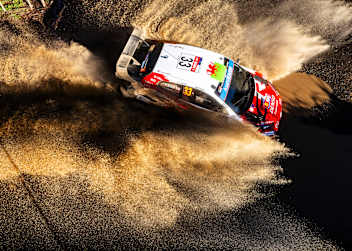
Wauhhh: Elfyn Evans bei der Rallye Finnland 2025
Foto: Red Bull
Wauhhh: Elfyn Evans bei der Rallye Finnland 2025
© Red Bull


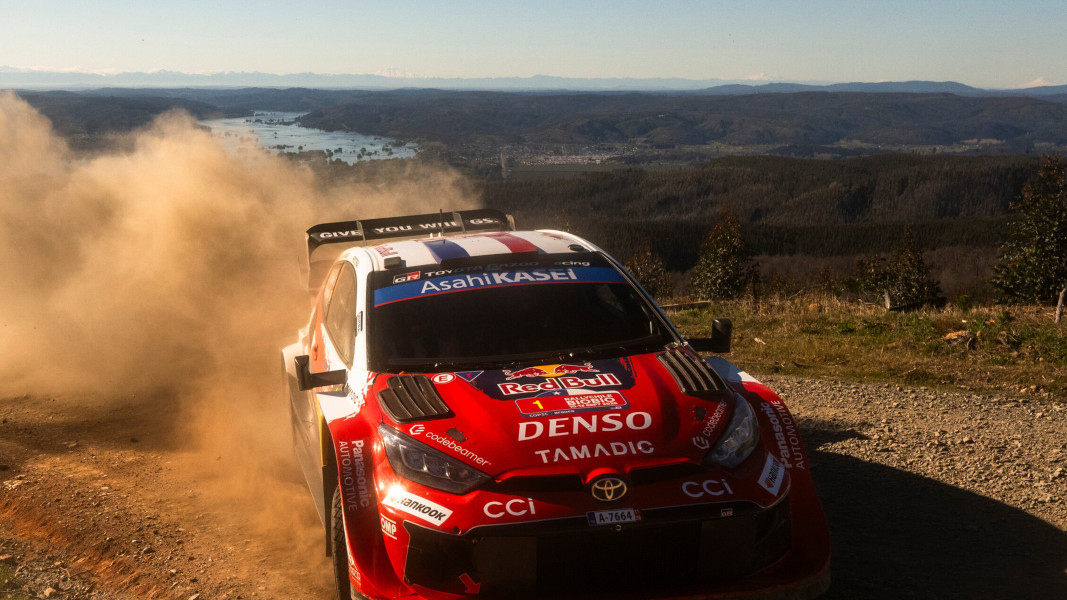
Legends are born at the Rally Finland. The Finns, in particular, have traditionally played to their strengths here – even though the international competition has grown stronger in recent years.
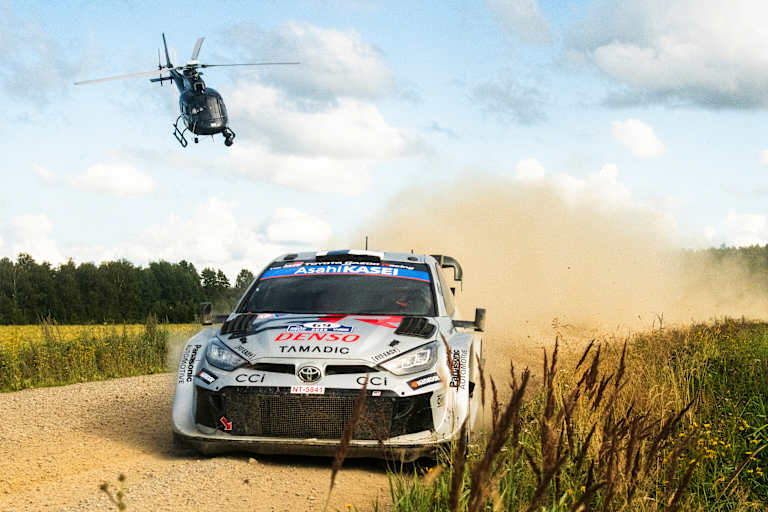
Kalle Rovanperä triumphierte 2025 bei der Rallye Finnland
Foto: Red Bull
Kalle Rovanperä triumphierte 2025 bei der Rallye Finnland
© Red Bull
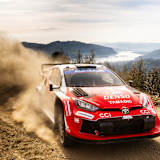
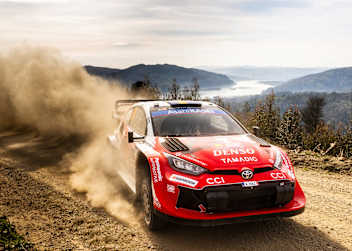
Few rallies demand more courage. Average speeds on the gravel surface regularly exceed 120 km/h. The cars hurtle through long, full-throttle bends and fly high over crests.
Precision, rhythm and absolute trust between driver and co-driver are essential. One wrong decision and the rally can be over in an instant.
The challenge of Rally Finland is simple to explain but difficult to master: drive as fast as you dare. The special stages are fast-paced. At such high speeds, even a small mistake can have catastrophic consequences.
Topic of the week
Spanish Grand Prix at the new Madring: track – hit or miss?
The people of Madrid had set their sights high for their city’s first Formula 1 World Championship race since 1981. But have the high expectations for the new Madring mixed-circuit track really been met?
TV Program
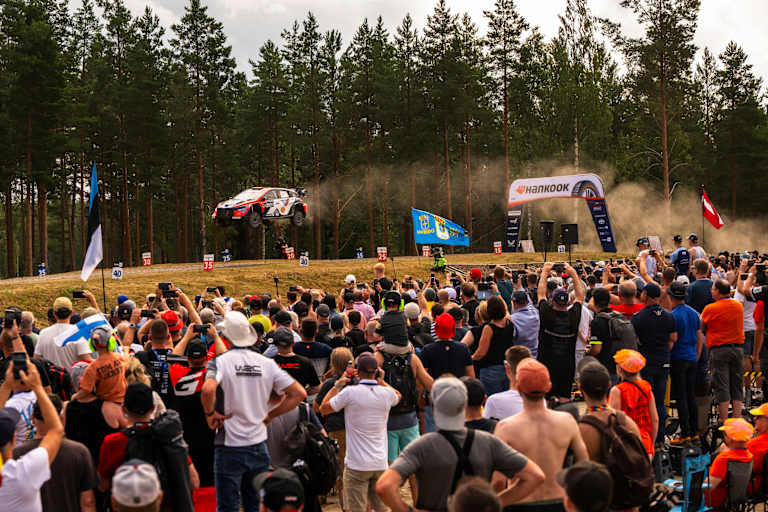
Weite Sprünge - ein besonderes Merkmal der Rallye Finnland
Foto: Red Bull
Weite Sprünge - ein besonderes Merkmal der Rallye Finnland
© Red Bull
The pace notes must be extremely precise, particularly given the countless blind crests and treacherous bends. Jumps follow in quick succession – some short and sharp, others long enough. You need to take these well, as this is where the fastest times are set. Although the road surface appears relatively straightforward, pushing the speed limits too hard can result in you flying off into the woods.
To succeed in the ‘Finnish Grand Prix’, it is crucial to consistently maintain momentum and self-confidence throughout all four days. Finland offers no second chances.
The Rally Finland, first held in 1951, is one of the most traditional and legendary rallies in history.
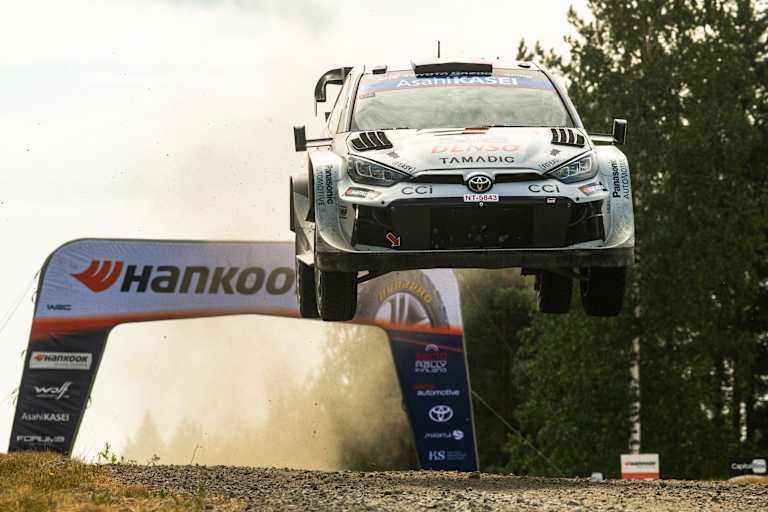
Sebastien Ogier im Finnland-Flug 2025
Foto: Red Bull
Sebastien Ogier im Finnland-Flug 2025
© Red Bull
Originally, this traditional event was known as the ‘1,000 Lakes Rally’. With the introduction of the World Rally Championship in 1973, it also gained World Championship status.
The rally is based in Jyväskylä, with stages popular with fans – such as Ouninpohja, Päijälä and Ruuhimäki – regularly attracting huge crowds.
The route for the 75th-anniversary Rally Finland combines legendary special stages and high-speed sections with two new challenges. Compared with 2025, the total distance of the special stages will be reduced by around half.
The total distance of the rally over the four days of the event (30 July to 2 August 2026) is 1,277.97 kilometres, divided into 20 special stages with a total length of 316.04 kilometres.
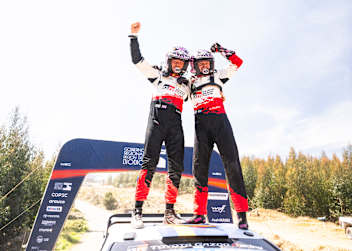
From 2004 to 2025, only three non-Finns – Sébastien Loeb, Kris Meeke and Sébastien Ogier – have won the rally, but this trend is changing. Last year, Toyota driver Kalle Rovanperä triumphed.
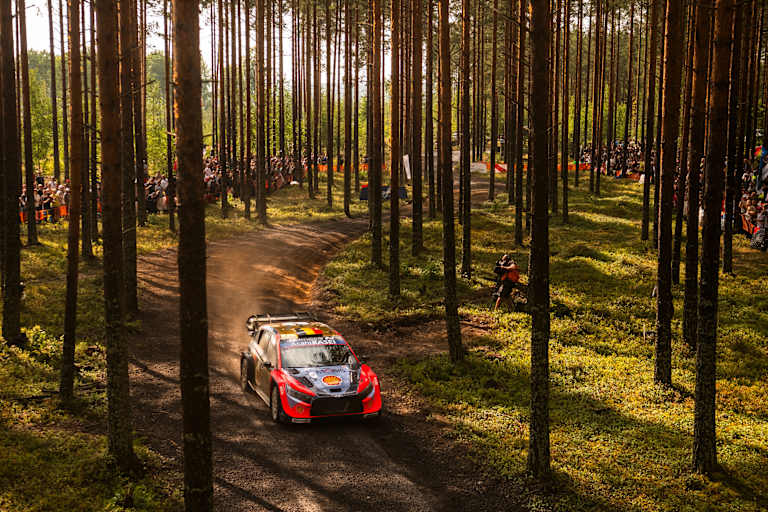
Thierry Neuville im finnischen Wald
Foto: Red Bull
Thierry Neuville im finnischen Wald
© Red Bull
The starting line-up for the 2026 Rally Finland comprises a total of eleven cars in the top Rally1 category; Toyota has entered World Championship leader Elfyn Evans, World Champion Sébastien Ogier, Takamoto Katsuta, Sami Pajari and Oliver Solberg. Hyundai is entering the rally with the trio of Thierry Neuville, Adrien Fourmaux and Esapekka Lappi. M-Sport Ford is also fielding three cars, with Josh McErlean, Jon Armstrong and Martins Sesks.
In the WRC2 category, 29 teams eligible for World Championship points are on the starting grid, including Roope Korhonen, Teemu Suninen, Emil Lindholm and Toyota team principal Jari-Matti Latvala in the GR Yaris Rally2.
Twelve entries have been submitted for WRC3. Six cars are competing in the Junior WRC.
Seen already?
Don't miss out on any highlights: The Speedweek newsletter, sent out twice a week, delivers the latest news, exclusive commentary and all the important dates from the world of motorsports - directly into your inbox
Championship Standings
Full Standingsorg-location for [2026] 2026
2026
2025
2024
2023
Pos
Driver
Team
Points
1


230
2

213
3

209
4

171
5


167
6

163
7

129
8

-
38
9


35
10
-
33
Highlight Videos
ServusTV Media Library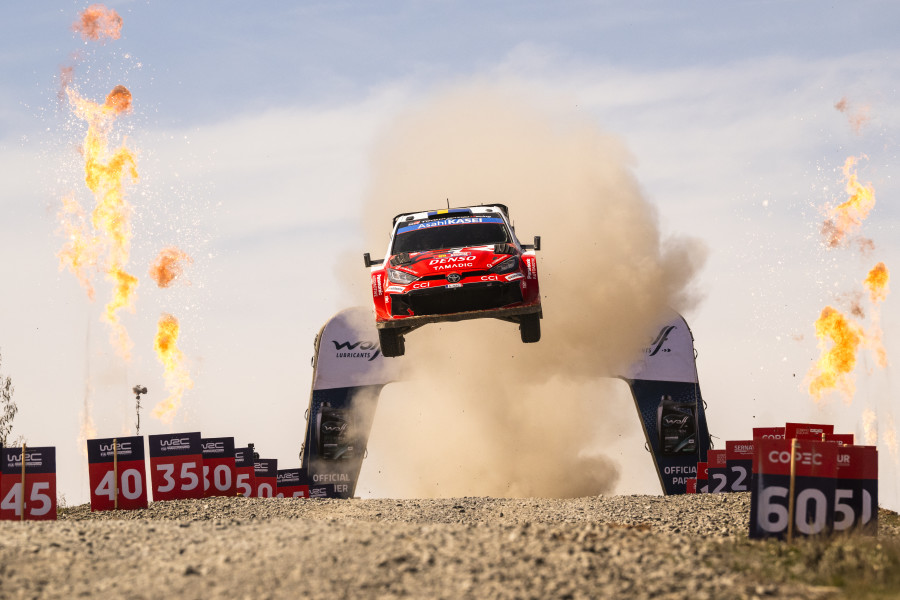
14. Sept. | 52:09 Min
31. Aug. | 52:09 Min
Events
All WRC EventsPast ueno Rally del Paraguay
 27.–30.08.2026
Past Rally Chile Bio Bio
 10.–13.09.2026
Next up Rally Italia Sardegna
 01.–04.10.2026
Rally Saudi Arabia
 11.–14.11.2026
Past ueno Rally del Paraguay
Past Rally Chile Bio Bio
Next up Rally Italia Sardegna
Rally Saudi Arabia
Rallysport News
All News

Newest Articles
All ArticlesNew New New New New New New New