
75-place grid penalty: Why Ferrari changed Lewis Hamilton’s engine twice
Lewis Hamilton changed his engine twice in Brazil, thereby incurring a staggering 75-place grid penalty in total. Ferrari team principal Fred Vasseur explained the strategy behind this.
This article is an automatically generated English version. The

Lewis Hamilton (Ferrari) fuhr in Interlagos von Platz 20 auf 9 vor
Foto: XPB Images
Lewis Hamilton (Ferrari) fuhr in Interlagos von Platz 20 auf 9 vor
© XPB Images


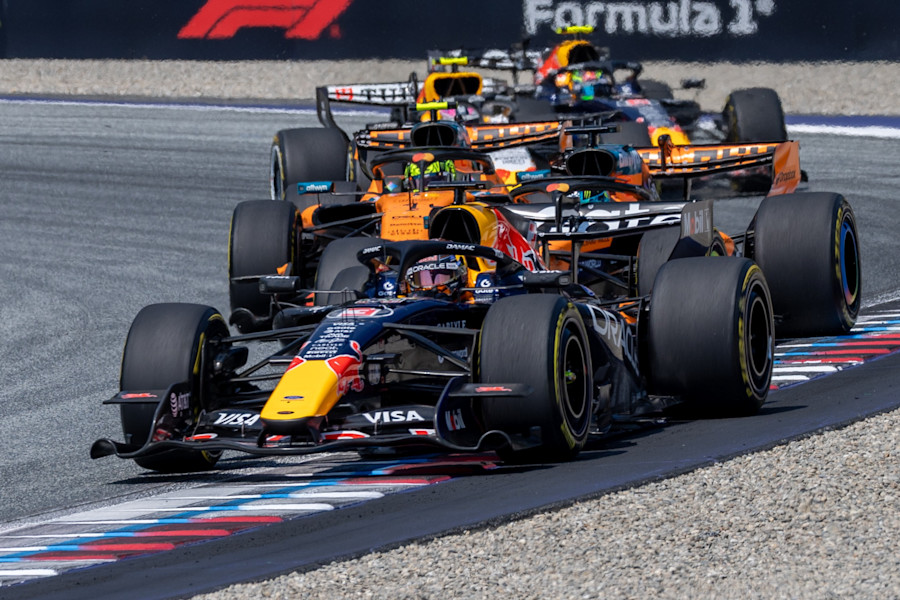
Ferrari driver Lewis Hamilton had to fight his way up from well down the field to finish in the points at the São Paulo Grand Prix at Interlagos. This was due to an engine penalty he had to accept. The vast majority of Formula 1 drivers have to accept such a penalty later in the season, as the permitted number of engines usually does not last a full season. They prefer to serve these penalties on circuits where there are opportunities to overtake. Brazil is a classic example. This year was no exception.
It was clear early on during qualifying on Saturday at Interlagos that Lewis Hamilton would start the race further back than his qualifying position: he received a ten-place grid penalty for fitting his fifth internal combustion engine.
Hamilton reported problems in FP3
Four hours later, Ferrari followed suit, as Hamilton had reported engine vibrations during the third free practice session and the Scuderia were apparently not entirely sure whether the power unit would last in the long term. Ferrari carried out another complete overhaul, replacing all engine components (beyond the permitted annual quota). At 5 pm local time, the stewards ruled that the reported replacement of various engine parts by Hamilton – including the sixth internal combustion engine of the season – would result in a 65-place grid penalty.
Recommendations
Hamilton thus ended up with a hefty 75-place grid penalty. However, as Max Verstappen (Red Bull Racing) and Sergio Perez (Cadillac) had also had numerous new components fitted, Hamilton started ‘only’ from 20th on the grid and not from the very back.
This is how Ferrari team principal Vasseur explained the swap
Why the double swap? Ferrari team principal Fred Vasseur explained on Sunday after the race: “We had doubts as to whether we could reuse the engine. And I didn’t want to take the risk of another problem cropping up later in the weekend and us receiving a penalty for Vegas.”
Topic of the week
Crazy MotoGP hero? Jorge Martin as 2026 World Champion in Psychology
Many shook their heads – whether out of bewilderment, admiration or disapproval – when a badly injured Jorge Martin opened the throttle at Sepang and Losail. Martin’s message has got through.
TV Program
Hamilton was starting from well back anyway, so they preferred to accept a precautionary change to ensure peace of mind for the final three race weekends. Hamilton fought his way up to ninth place in the São Paulo Grand Prix, securing at least two points for Ferrari. And at this week’s Las Vegas Grand Prix, he’ll be able to go full throttle without incurring a penalty (barring anything completely out of the ordinary)...
Seen already?
Don't miss out on any highlights: The Speedweek newsletter, sent out twice a week, delivers the latest news, exclusive commentary and all the important dates from the world of motorsports - directly into your inbox
Highlight Videos
ServusTV Media Library
16. Nov. | 1:26 Min
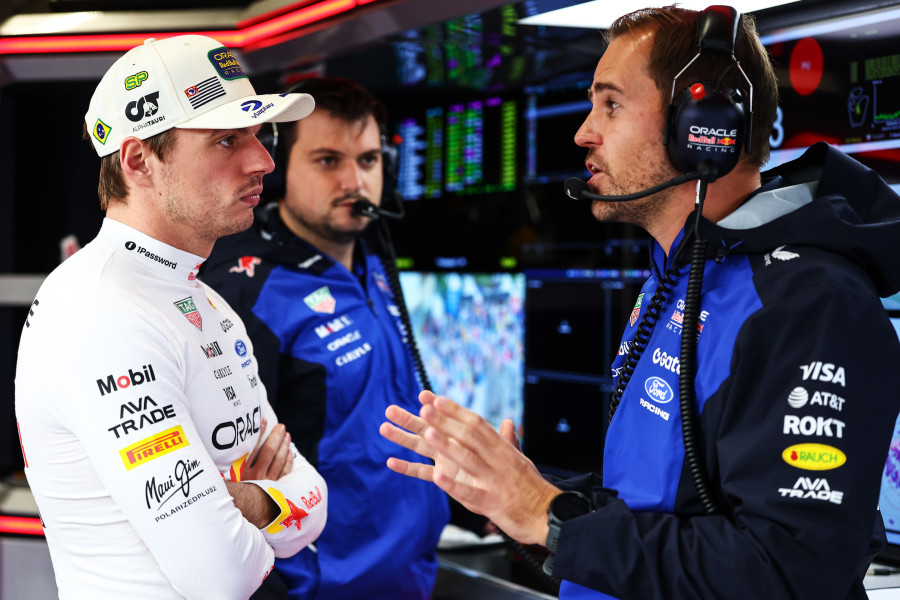
Verstappen gegen alle Widerstände!
10. Nov. | 4:00 Min

„Es muss klare Ansagen bei Ferrari geben“
7. Nov. | 16:41 Min

Klien erklärt: Audis Sao-Paulo-Design
6. Nov. | 4:41 Min

2. Nov. | 4:52 Min

27. Okt. | 3:15 Min

„Schallende Ohrfeige für gestandene Hersteller“
24. Okt. | 16:15 Min
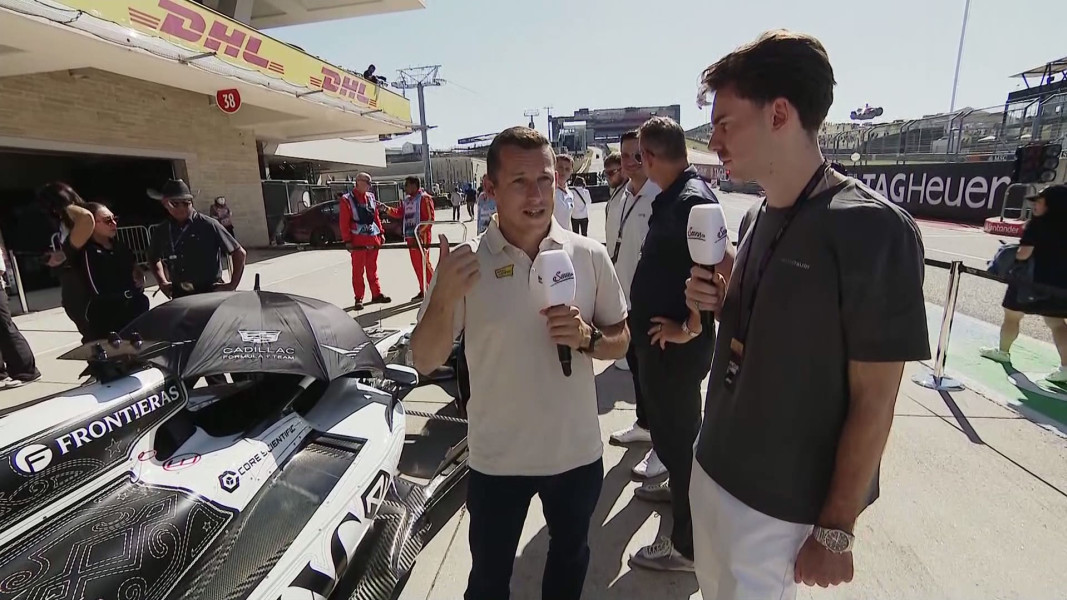
Klien erklärt: Cadillacs cooles Texas-Design
23. Okt. | 4:24 Min
Formula Cars News
All News


Newest Articles
All ArticlesNew


