The DTM car classification (BoP) for Oschersleben
The fifth DTM race weekend at Oschersleben is coming up. The Balance of Performance for the race weekend at the Motorsport Arena has been published.
This article is an automatically generated English version. The
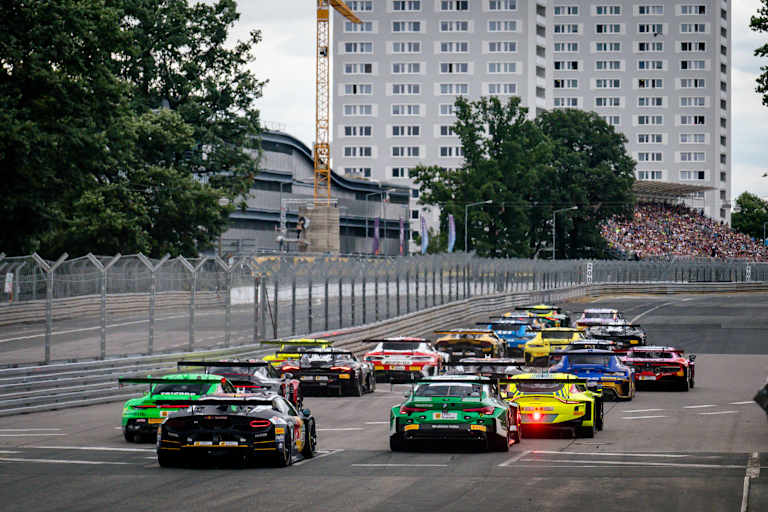
Die DTM wird an diesem Wochenende in Oschersleben fortgesetzt
Foto: DTM//Gruppe C
Die DTM wird an diesem Wochenende in Oschersleben fortgesetzt
© DTM//Gruppe C


In 2026, the SRO will be responsible for the DTM’s car classification for the fourth year running, following the ADAC’s long-standing collaboration with Stéphane Ratel’s organisation.
We’ve taken a look at the changes to the car classification for you, compared with the fourth race weekend at the Norisring. Traditionally, the changes for the Nuremberg event are more significant, as the city circuit – just 2.162 kilometres long – differs greatly from standard race tracks, presenting the Technical Commission with particular challenges and leading to more substantial adjustments ahead of the race weekend at Oschersleben.
The Aston Martin Vantage GT3 is permitted to remove five kilograms of ballast. The minimum weight is now 1,310 kilograms. The minimum rear wing angle has been adjusted from 5° to 9°. The maximum boost pressure has been reduced from 1.99 bar to 1.92 bar.
The BMW M4 GT3 will continue to compete without any BoP ballast, with a minimum weight of 1,300 kilograms. The minimum rear wing angle has been adjusted from 1° to 5°. The maximum boost pressure has been reduced from 2.48 bar to 2.44 bar.
The Ferrari 296 GT3 must carry an additional five kilograms, bringing the minimum weight to 1,330 kilograms. The minimum angle of the rear wing has been adjusted from 2° to 6°. The maximum boost pressure is reduced from 2.54 bar to 2.44 bar.
Topic of the week
Spanish Grand Prix at the new Madring: track – hit or miss?
The people of Madrid had set their sights high for their city’s first Formula 1 World Championship race since 1981. But have the high expectations for the new Madring mixed-circuit track really been met?
The Ford Mustang GT3 is permitted to reduce its weight by ten kilograms, bringing its minimum weight to 1,315 kilograms. The two restrictors are reduced from 39 to 38 millimetres, meaning the V8 engine produces less power. The minimum angle of the rear wing is adjusted from 1° to 8°.
On the Lamborghini Temerario GT3, the maximum rear wing angle has been adjusted from 7° to 8°.
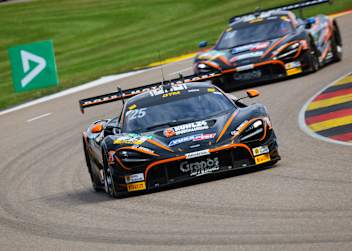
On the McLaren 720S GT3, the maximum rear wing angle has been adjusted from 3° to 7°. The maximum boost pressure has been reduced from 1.80 bar to 1.77 bar.
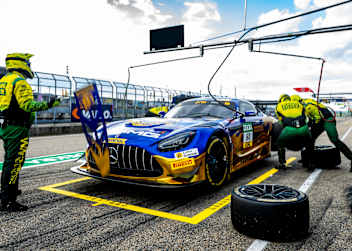
The weight of the Mercedes-AMG GT3 is reduced by five kilograms; the minimum weight is now 1,345 kilograms. The two restrictors are reduced from 37 millimetres to 35 millimetres, resulting in the V8 engine producing less power. Conversely, the lambda value has been adjusted from 0.93 to 0.92, giving the car more power. The maximum rear wing angle has been adjusted from 2° to 7°.
The Porsche 911 GT3 R must carry an additional 20 kilograms, bringing its minimum weight to 1,330 kilograms. The two restrictors have been adjusted from 43 to 41.5 millimetres. The minimum rear wing angle has been reduced from 7.3° to 7°.
Seen already?
Don't miss out on any highlights: The Speedweek newsletter, sent out twice a week, delivers the latest news, exclusive commentary and all the important dates from the world of motorsports - directly into your inbox
Championship Standings
Full Standingsorg-location for [2026] 2026
2026
2025
2024
2023
Pos
Driver
Team
Points
1


197
2

174
3

173
4

152
5

150
6


147
7

123
8

117
9

102
10

99
Highlight Videos
ServusTV Media Library
Episode 4: Zwei Österreicher, zwei Wege
18. Sept. | 17:34 Min
13. Sept. | 3:47 Min
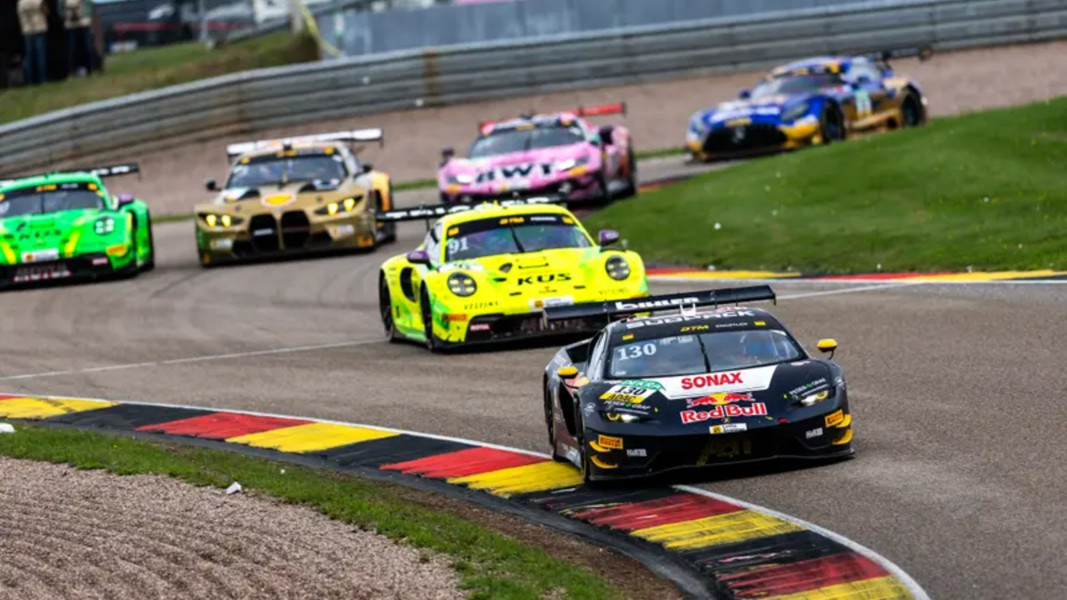
Umkämpfter Start am Sachsenring!
13. Sept. | 2:40 Min
Episode 3: Zwei Generationen, ein Ziel
11. Sept. | 24:23 Min
Episode 2: Zwischen Risiko und Routine
4. Sept. | 23:26 Min
Episode 1: Zwischen Titeljäger und Underdog
28. Aug. | 23:16 Min
Maro Engel: „Schumi ist meine erste Erinnerung“
16. Aug. | 2:37 Min
16. Aug. | 3:33 Min

Events
All DTM EventsPast Nürburgring
 14.–16.08.2026
Past Sachsenring
Hockenheim
Past Nürburgring
Past Sachsenring
Hockenheim
Touring Cars News
All News

Newest Articles
All ArticlesNew New New New New New