
Penalty points 2026: Race stewards very cautious – what happened?
In recent years, penalty points have rained down on GP drivers, even for questionable offences. Do you know how many fines have been handed out so far in the 2026 season? None. Well, well!
This article is an automatically generated English version. The

Ocon gegen Colapinto in China
Foto: XPB
Ocon gegen Colapinto in China
© XPB


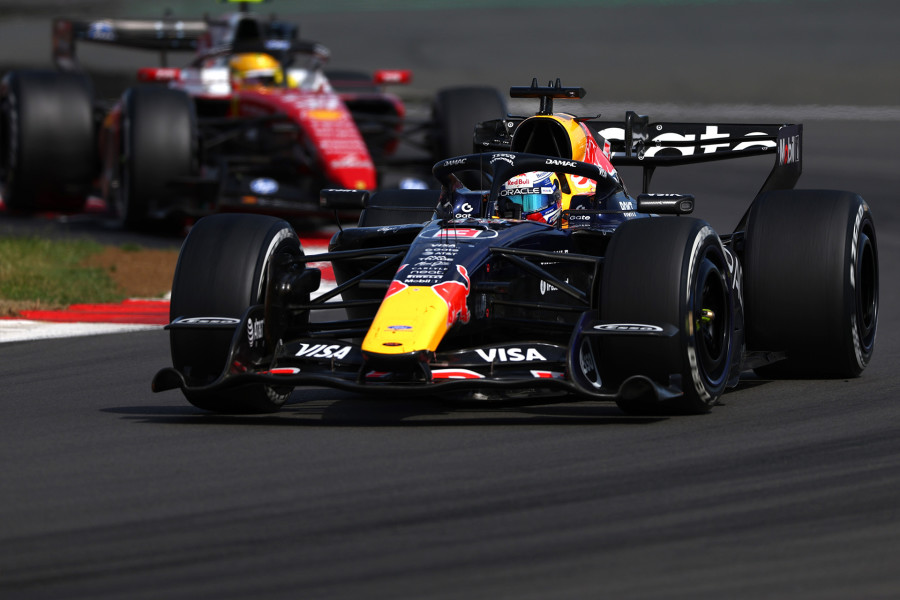
SPEEDWEEK.com readers will know that the penalty points system introduced by the FIA, the world motorsport governing body, was launched in 2014. A Grand Prix driver is allowed a maximum of eleven penalty points over a twelve-month period (i.e. spanning more than one season). Anyone who accumulates twelve or more points is sent to the penalty box and must sit out one Grand Prix. This happened to Haas driver Kevin Magnussen in Baku in 2024.
Ahead of the 2026 Grand Prix season, it looked as though Haas driver Oliver Bearman could face the same fate. After all, the Englishman had 10 points to his name before the season began! Two of those points have since been expunged, so the Ferrari protégé now has eight penalty points.
Numerous drivers had had enough by 2025. Carlos Sainz pointed out: “Didn’t we once say we should give the drivers a bit more leeway to allow for some proper battles?”
Recommendations
Former F1 star Juan Pablo Montoya pointed out: “The sport is at a dangerous juncture. If the drivers know they’ll receive penalties and penalty points for the slightest contact, they’ll think twice before making a move. And that doesn’t do any favours for the appeal of wheel-to-wheel racing.”
The GP aces went into the 2026 season with this penalty points list:
Before the start of the season, critical voices dominated, but the World Championship rounds so far have shown that the rule changes are delivering exactly what was hoped for: excitement right up to the final lap.
TV program
Oliver Bearman 10
Lance Stroll 6
Liam Lawson 6
Kimi Antonelli 5
Oscar Piastri 4
Carlos Sainz 4
Alex Albon 4
Lewis Hamilton 3
Max Verstappen 3
Pierre Gasly 2
Gabriel Bortoleto 2
Esteban Ocon 1
Charles Leclerc 1
Franco Colapinto 1
Now have a guess at how many penalty points were handed out across the first eight Grand Prix weekends. Not a single one. What’s going on here?
Following the 2025 season, after discussions between the drivers’ association GPDA and the FIA, it has been decided that penalty points will only be imposed if a particular driver’s action has led to a genuinely dangerous situation. Gone are the days when penalty points piled up following relatively minor offences, threatening a ban.
Instead, the stewards will impose more time penalties during the race, which must be served during the subsequent tyre change or – if there is no further pit stop – added to the race time.
Examples: a ten-second penalty in Montreal for Hadjar for defending too aggressively against Charles Leclerc (changing direction of travel repeatedly without authorisation), and a ten-second penalty also for Piastri (collision with Albon). But in both cases, no penalty points were awarded. And that was also the case in China following the collision between Ocon and Colapinto.
The drivers themselves welcome being given more leeway. But there are still some question marks. After all, Red Bull Racing driver Isack Hadjar did not significantly ease off the throttle under double yellow flags in Canada. In the past, that would have resulted in penalty points without any ifs or buts, as it must be classified as dangerous. Yet the Parisian received – in inverted commas, mind you – a stop-and-go penalty with a ten-second stop. For a change, they could easily have handed out a penalty here.
Seen already?
Don't miss out on any highlights: The Speedweek newsletter, sent out twice a week, delivers the latest news, exclusive commentary and all the important dates from the world of motorsports - directly into your inbox
Highlight videos
ServusTV media library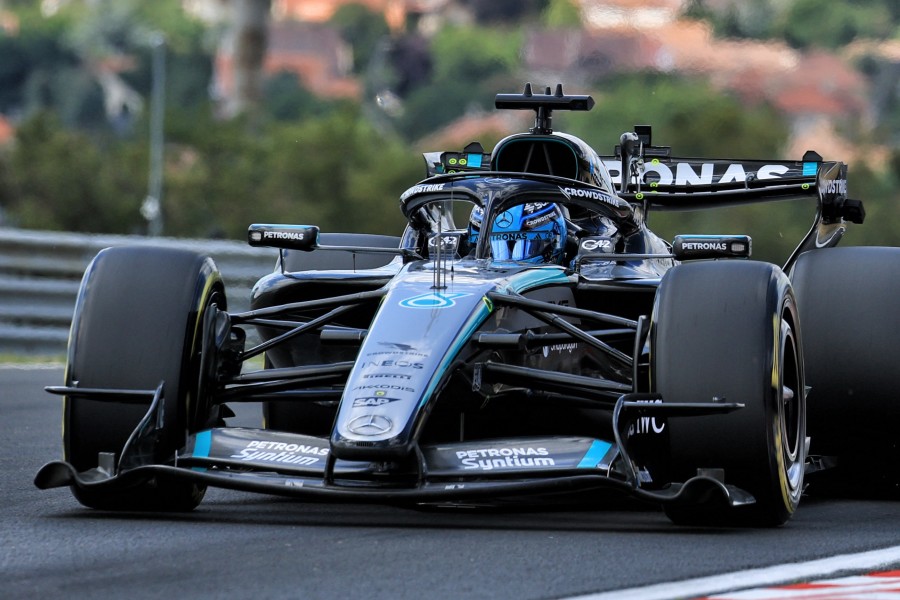
Überraschungs-Pole & Mercedes-Drama
25. Juli | 3:52 Min
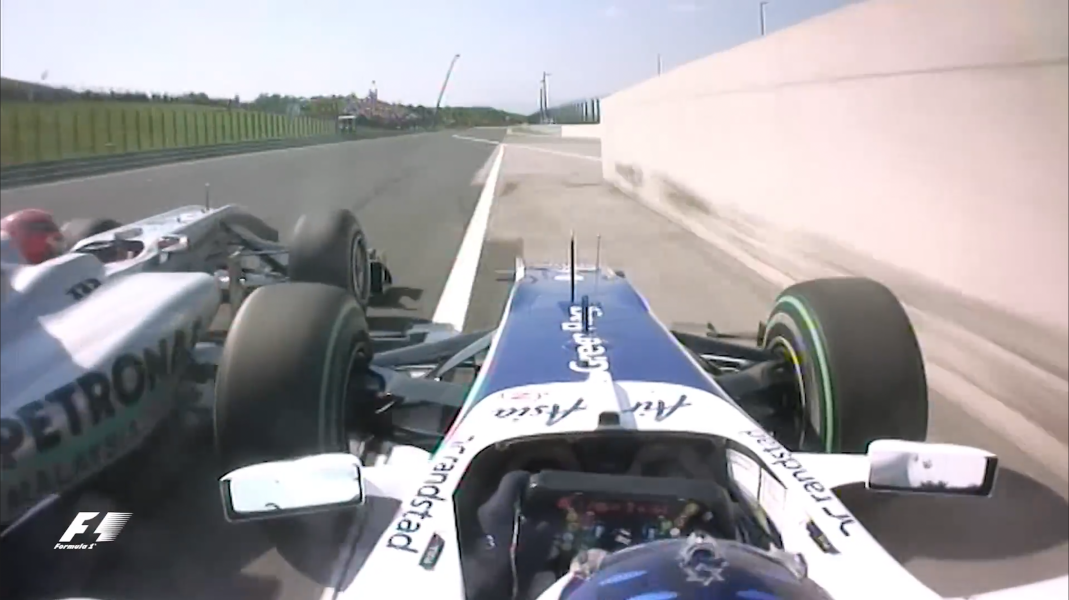
„Da ist mir das Herz stehen geblieben!“
24. Juli | 2:26 Min
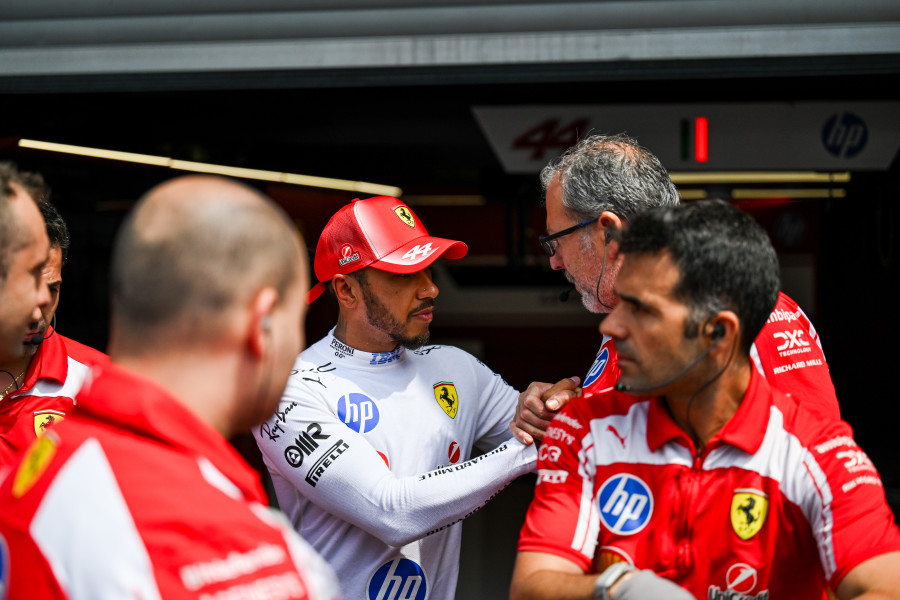
Verschweigt Ferrari Hamilton absichtlich Strafen?
20. Juli | 1:54 Min
Kollision zwischen Russell und Hamilton!
19. Juli | 1:07 Min
Spa: Führungswechsel nach dem Start!
19. Juli | 1:03 Min
Spa-Francorchamps: Das ging alles schief!
19. Juli | 1:21 Min
Spa-Francorchamps: Die Analyse des Rennens
19. Juli | 69:59 Min
F1-Geschichtsstunde mit Andi Gröbl
19. Juli | 7:53 Min
Events
All Formula 1 eventsPast British Grand Prix
Silverstone Circuit, Great Britain 03.–05.07.2026Past Belgian Grand Prix
Circuit de Spa-Francorchamps, Belgien 17.–19.07.2026Live
Hungarian Grand Prix
Hungaroring, Ungarn 24.–26.07.2026Dutch Grand Prix
Circuit Zandvoort, Niederlande 21.–23.08.2026Italian Grand Prix
Autodromo Nazionale Monza, Italien 04.–06.09.2026

Past British Grand Prix
Silverstone Circuit, Great Britain 03.–05.07.2026Past Belgian Grand Prix
Circuit de Spa-Francorchamps, Belgien 17.–19.07.2026Live
Hungarian Grand Prix
Hungaroring, Ungarn 24.–26.07.2026Dutch Grand Prix
Circuit Zandvoort, Niederlande 21.–23.08.2026Italian Grand Prix
Autodromo Nazionale Monza, Italien 04.–06.09.2026
Formula racing News
All news


Newest articles
All articlesNew New New New New New New New New


