
Drastic proposal from Sainz: a three-place grid penalty for the Verstappen crash?
Carlos Sainz is calling for drivers who crash late in qualifying to receive a grid penalty. The Williams driver suggests that many drivers provoke flags in order to secure their starting position.
This article is an automatically generated English version. The

Carlos Sainz saust auf einem Roller durchs Paddock in Silverstone
Foto: XPB
Carlos Sainz saust auf einem Roller durchs Paddock in Silverstone
© XPB


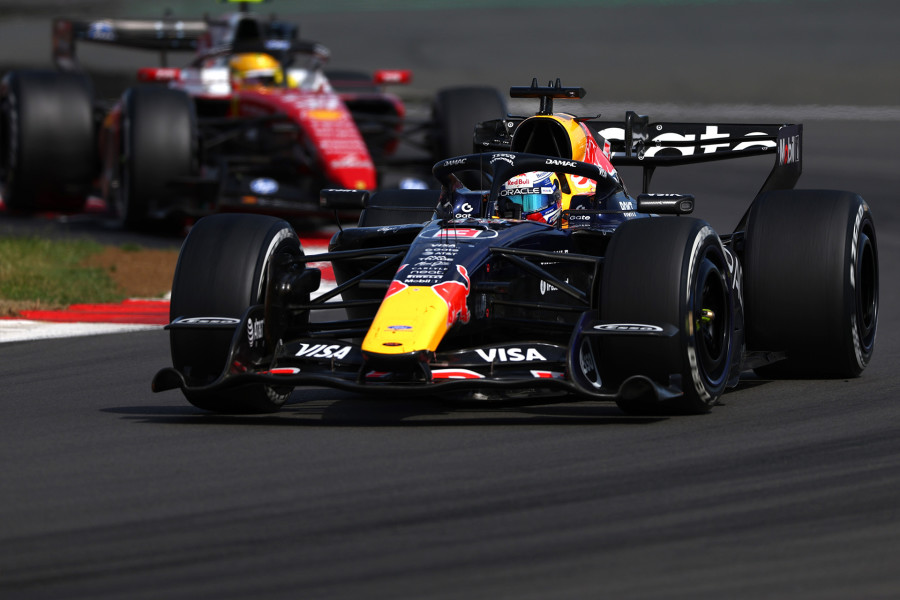
A week after Russell’s controversial pole at Spielberg, Williams driver Carlos Sainz has come up with an unusual idea. His proposal: if a driver crashes during qualifying and thereby prevents others from improving their times, he should receive a grid penalty. The Spaniard suggests that drivers do this more often than many realise.
A look back at qualifying at the Red Bull Ring: Ferrari set strong lap times, as did Max Verstappen (Red Bull Racing). Charles Leclerc was in first place shortly before the end of the session, with Lewis Hamilton behind him. Max Verstappen then spun off the track shortly before the end of the Q3 session and was consequently unable to improve his time – but caused a yellow flag. Mercedes driver George Russell was nevertheless able to complete his lap and secured pole position. It was, in fact, just a single yellow flag, not a double, as Russell’s colleague Kimi Antonelli thought, who aborted his lap. Only fourth place for the championship leader. Verstappen’s crash meant he could only manage fifth place. Nobody suggested that Verstappen had acted deliberately in this scenario. Nevertheless, a debate on the principles of the sport flared up.
There was much debate following the Spielberg qualifying session: Should Russell have eased off the throttle? Should stricter rules be introduced? Were other drivers not disadvantaged by the crash? Memories of controversial qualifying crashes, such as Michael Schumacher’s ‘parking’ at Rascasse (Monaco 2006), came to the fore.
Recommendations
Sainz: Russell did everything right
Williams driver Carlos Sainz has now commented on the matter, stating first of all: “For me, at least, it’s clear that this situation should have triggered a double yellow or a red flag. The way George handled it was, in my opinion, perfectly within the bounds of what the regulations allow. He deserved that pole position because he exploited the rules to perfection.” Just a single yellow flag – he was allowed to finish his lap accordingly.
Sainz notes, however: “But he should never have been allowed to complete that lap or finish a lap in such a dangerous situation. If Max had been on pole in the first session and he’d caused that accident, then everyone would have been driving under a red flag and nobody would have been able to improve their lap time. I think that would have been unfair on George, Kimi and everyone else, because the driver on pole would have prevented us from improving our lap times.” A Rascasse-style situation, then.
Before the start of the season, critical voices dominated, but the World Championship rounds so far have shown that the rule changes are delivering exactly what was hoped for: excitement right up to the final lap.
TV program
Sainz claims: Ending qualifying in your own favour with a crash – as a driver, those thoughts certainly cross your mind. Oh really? Sainz recalls Baku last year, when he had temporarily set the fastest lap time in Q3 because Max Verstappen hadn’t set a time yet.
“We all have those thoughts”
Sainz: “I could have done it last year in Baku, when I was provisionally on pole and was the first car out on track. I said to myself: if I crash now, I’ll be on pole. We all have those thoughts. We all know what the rules are.” And he adds: “I’ve seen so many instances where drivers trigger yellow flags in Q1, Q2 and Q3 on circuits like Monaco or Baku. It’s impossible for the stewards to tell what’s going on unless you’re a former F1 driver. That’s why, in my opinion, a solution needs to be found.”
Sainz proposes: grid position penalty
Sainz therefore suggests: “I think that anyone who causes a yellow or red flag in qualifying should be demoted three places on the grid. That way, at least they’ll be penalised for it and deterred from driving into something at full throttle – which wasn’t the case with Max, as I believe he was in third place at the time. He crashed because of a rear wing failure or something like that. But I think we should find a solution to this, and that’s my only suggestion – that you should receive a penalty if you cause a yellow or red flag. You gain a position by preventing others from performing better than you. Even if it’s unintentional.”
The Spaniard is active in the drivers’ representative body, the GPDA, but emphasises that this is a personal idea and has not yet been discussed within the GPDA. However, he says he will probably raise the issue there.
Seen already?
Don't miss out on any highlights: The Speedweek newsletter, sent out twice a week, delivers the latest news, exclusive commentary and all the important dates from the world of motorsports - directly into your inbox
Highlight videos
ServusTV media library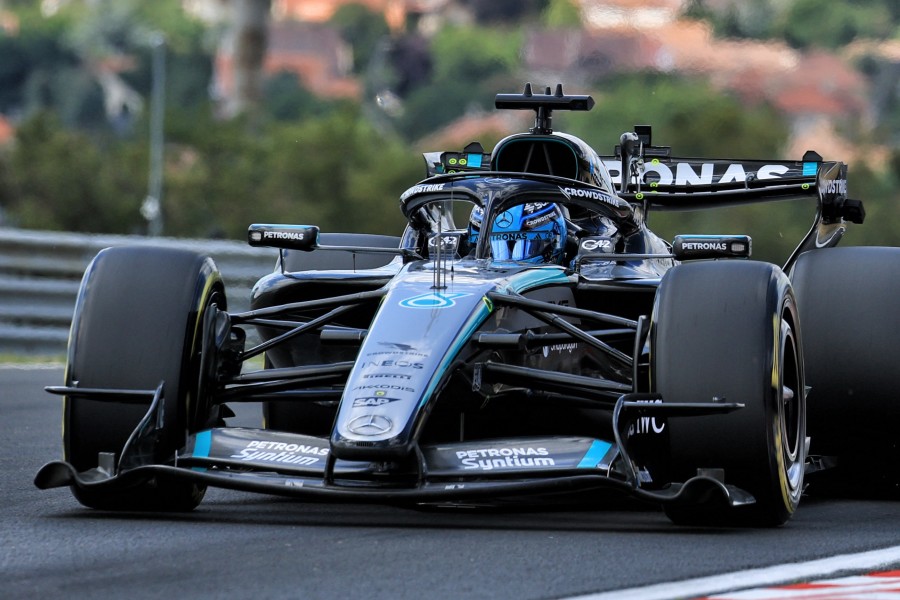
Überraschungs-Pole & Mercedes-Drama
25. Juli | 3:52 Min
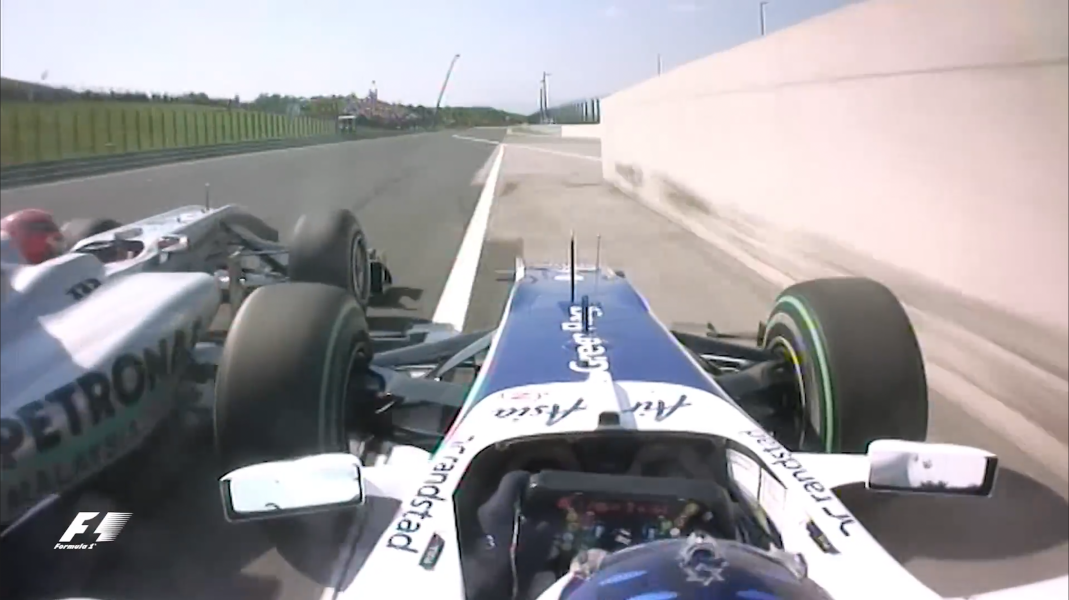
„Da ist mir das Herz stehen geblieben!“
24. Juli | 2:26 Min
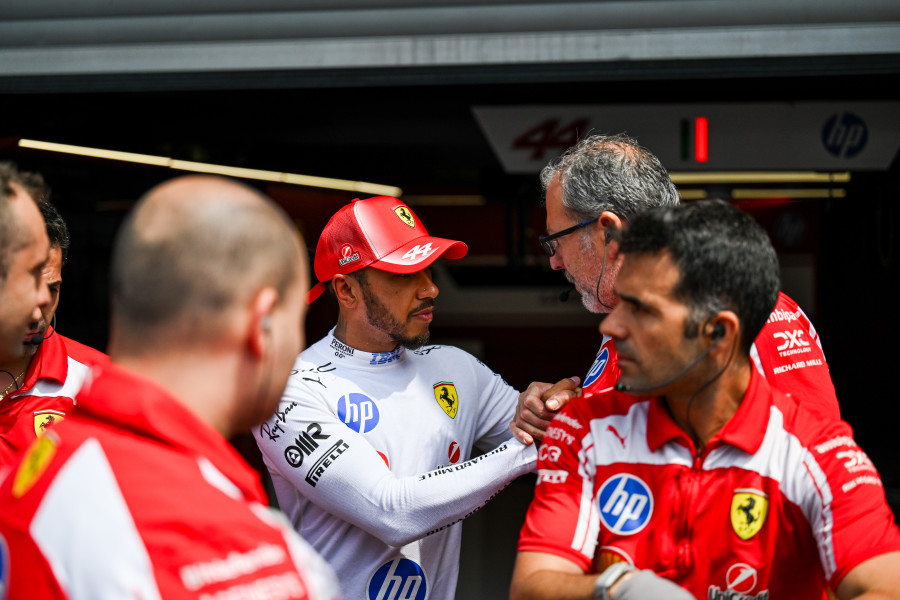
Verschweigt Ferrari Hamilton absichtlich Strafen?
20. Juli | 1:54 Min
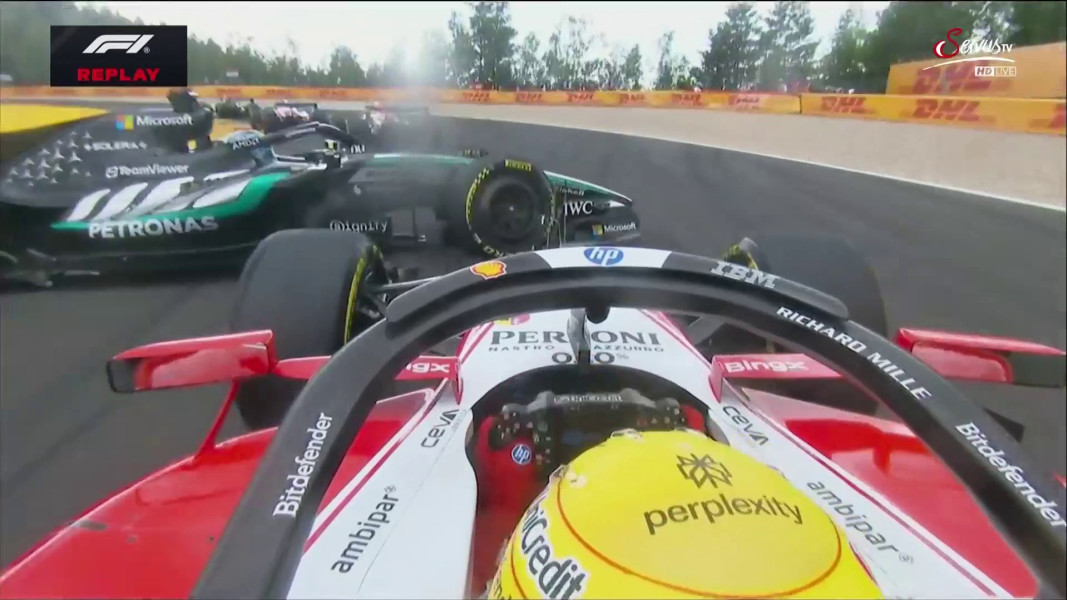
Kollision zwischen Russell und Hamilton!
19. Juli | 1:07 Min
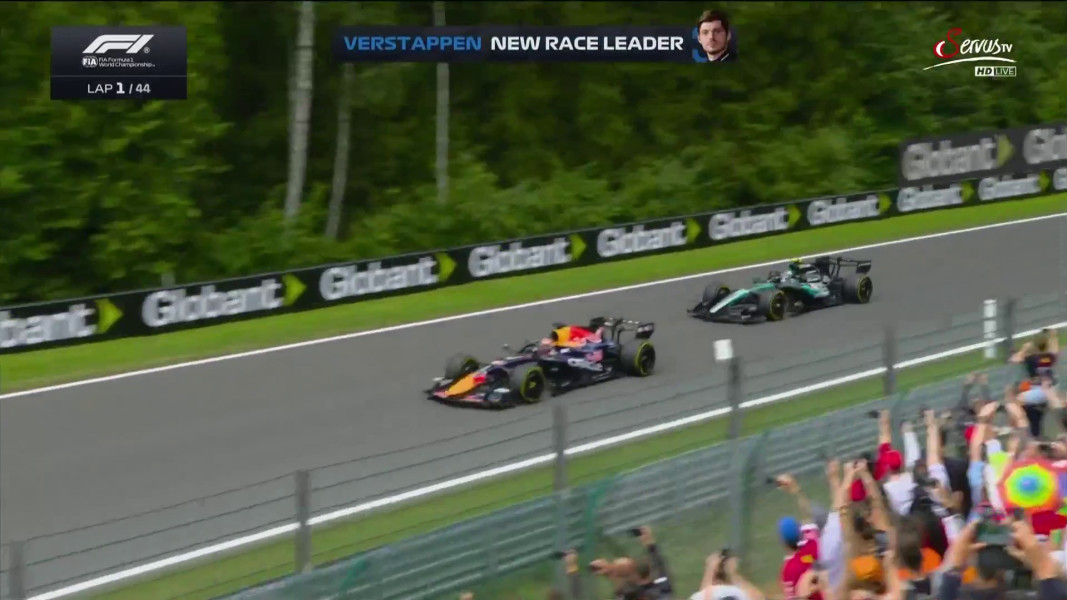
Spa: Führungswechsel nach dem Start!
19. Juli | 1:03 Min
Spa-Francorchamps: Das ging alles schief!
19. Juli | 1:21 Min
Spa-Francorchamps: Die Analyse des Rennens
19. Juli | 69:59 Min
F1-Geschichtsstunde mit Andi Gröbl
19. Juli | 7:53 Min
Events
All Formula 1 eventsPast British Grand Prix
Silverstone Circuit, Great Britain 03.–05.07.2026Past Belgian Grand Prix
Circuit de Spa-Francorchamps, Belgien 17.–19.07.2026Live
Hungarian Grand Prix
Hungaroring, Ungarn 24.–26.07.2026Dutch Grand Prix
Circuit Zandvoort, Niederlande 21.–23.08.2026Italian Grand Prix
Autodromo Nazionale Monza, Italien 04.–06.09.2026

Past British Grand Prix
Silverstone Circuit, Great Britain 03.–05.07.2026Past Belgian Grand Prix
Circuit de Spa-Francorchamps, Belgien 17.–19.07.2026Live
Hungarian Grand Prix
Hungaroring, Ungarn 24.–26.07.2026Dutch Grand Prix
Circuit Zandvoort, Niederlande 21.–23.08.2026Italian Grand Prix
Autodromo Nazionale Monza, Italien 04.–06.09.2026
Formula racing News
All news


Newest articles
All articlesNew New New New New New New New New


