Harley-Davidson World Cup • New
Granado furious with Andrea Iannone: “What he did is unacceptable!”
Times have changed in MotoGP. The same goes for the transfer market. Only a few decisions remain to be made. A commentary on the not always clear events of recent months.
This article is an automatically generated English version. The

Let’s get the key point out of the way first: even for those with a keen interest and those who follow MotoGP full-time, there is no clear, consistent strategy emerging regarding the transfer market in the premier class. But this is understandable – because the circumstances leading up to the 2026 season, and thus before the start of the ‘almost-everything-new era’ with 850cc bikes, were significantly more complex than those preceding a ‘normal’ season without a generational change.
This is because, alongside the new regulations, the contracts between MotoGP itself and the manufacturers involved had to be confirmed for no less than five years – plus the agreements between manufacturers and customer teams. Against the backdrop of the change of ownership – as is well known, the major announcements are now coming from the US via majority shareholder Liberty Media – the negotiations dragged on for much longer than hoped, at least from the manufacturers’ perspective. This is because all other agreements, including the exciting contracts with the riders, only become legally binding once the commercial framework – in other words, MotoGP – is in place.
Whilst heads were spinning at management level last winter, Aprilia did spring a surprise. Just as the riders were suiting up for the Sepang winter test, Noale fired the first contract rocket: Marco Bezzecchi was confirmed (despite the official lack of a contractual basis) as a rider for further years. The co-favourite from Italy was thus off the market before the action even got underway on the track.
Harley-Davidson World Cup • New
Granado furious with Andrea Iannone: “What he did is unacceptable!”


The stylistic choices employed were also noteworthy. As we all know, there’s no accounting for taste, but there’s no denying that the project’s communications department listened carefully when the new MotoGP bosses spoke of ‘entertainment’. Bezzecchi in a one-piece leather tuxedo alongside the four-cylinder beauty in white – the campaign certainly made an impact.
Topic of the week
The people of Madrid had set their sights high for their city’s first Formula 1 World Championship race since 1981. But have the high expectations for the new Madring mixed-circuit track really been met?
Other manufacturers didn’t jump on the bandwagon. There was an ironclad silence, even though further major deals – including Bezzecchi’s contract – had already been finalised before the Sepang test. The confirmation that Fabio Quartararo would become a Honda works rider, sent out on 21 July, was already just as certain as Jorge Martin’s succession at Yamaha.

Elsewhere, too, plans were already being eagerly drawn up, but everything was still written in pencil. The reason: Marc Márquez. Further manoeuvres depended on the world champion’s decision. For example: had Marc Marquez decided to end his career due to health problems, top riders such as Di Giannantonio, Alex Marquez or Fermin Aldeguer would have been queuing up for the number 93 factory Ducati. Even if Marc Márquez had persuaded Ducati to sign him on a one-year contract for 2027, this would also have had an impact on the wider transfer market.
It was also clear at that point that Pedro Acosta would be leaving KTM, though this had not been officially announced by either party – with reference always being made to the ongoing discussions at manufacturer level with the MotoGP rights holder and marketing organisation.
It was not until last month, in fact, that things really started to happen in the communications departments. More or less at the same time, Marc Marquez’s decision to stay with the Ducati factory team for a further two years was finalised with the signatures of all parties. At the Brno GP, the big MotoGP champagne bottle was finally opened. This time, Ducati took the first sip. The confirmation regarding ‘MM93’ was followed by Acosta and Pecco Bagnaia joining Aprilia.
The transfer saga then threw in another surprise twist, both in substance and form. Even before the KTM factory team, Gresini-Ducati laid their 2027 cards on the table. Although it had long since been leaked that they had opted for Joan Mir and Moto2 rider Holgado – why the unquestionably talented Holgado (5th in the World Championship) was given preference over Moto2 dominator Manuel Gonzalez will go down as a mystery in the 2026 MotoGP yearbook.

Gresini, on the other hand, demonstrated fabulous instincts when it came to communication – and not for the first time. The ‘Orange is the New Blue’ campaign, launched online in collaboration with KTM for the departing Alex Márquez, showed real tact at the microphone. Incidentally, Ducati Corse and Yamaha Racing adopted the same approach for their departing long-serving riders – and world champions – Bagnaia and Quartararo. Before welcoming their successors, there was applause for their achievements.
At the other end of the spectrum: Honda. Here, they opted for maximum efficiency in the form of a graphic with fewer lines – another way to welcome world champions Fabio Quartararo and David Alonso.

It’s not over yet. Trackhouse-Aprilia, VR46-Ducati, Tech3-KTM and Pramac-Yamaha have yet to announce their new rider line-ups. With the exception of Tech3, where no final decision has yet been made today between Luca Marini, Senna Agius and Manuel Gonzalez, all the names are known. The question – a rather uninteresting one – is not who, but how and when this will be communicated. For illustrative material on this – see above.
Ahead of the final line-up, the not-so-surprising perception amongst the wider MotoGP fanbase is this: Marc Márquez is staying at Ducati, and apart from that, I’m in the dark! No wonder, given that an avalanche of contracts has been negotiated on multiple levels over many months. Over and out.
Don't miss out on any highlights: The Speedweek newsletter, sent out twice a week, delivers the latest news, exclusive commentary and all the important dates from the world of motorsports - directly into your inbox
22. Sept. | 3:57 Min
„Haben gezittert bis zur letzten Kurve"
20. Sept. | 4:01 Min
20. Sept. | 41:28 Min
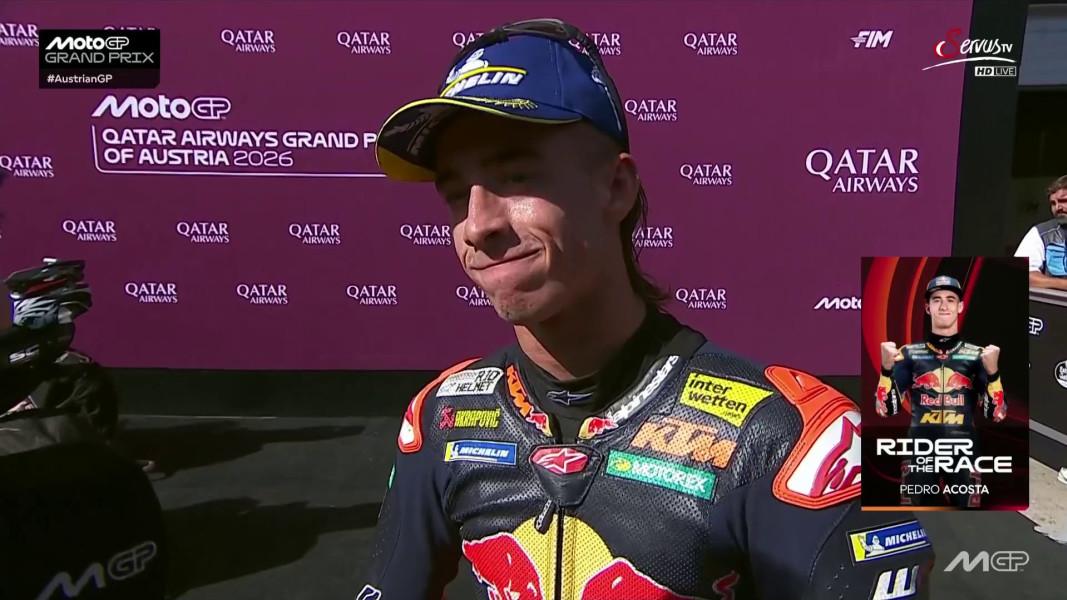
Pedro Acosta: „Danke an alle Fans“
20. Sept. | 5:36 Min
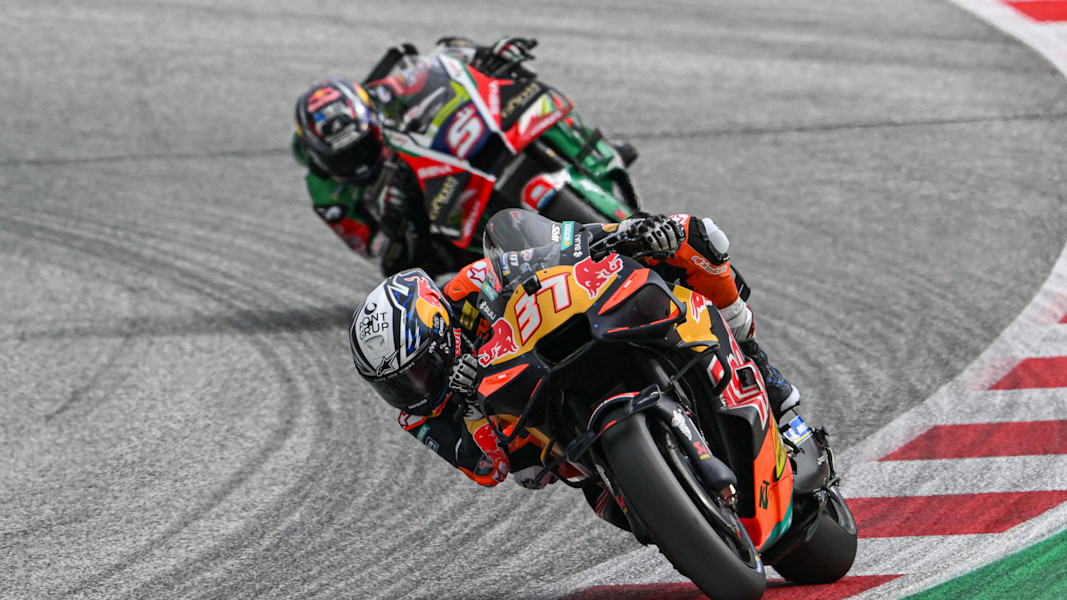
20. Sept. | 3:52 Min
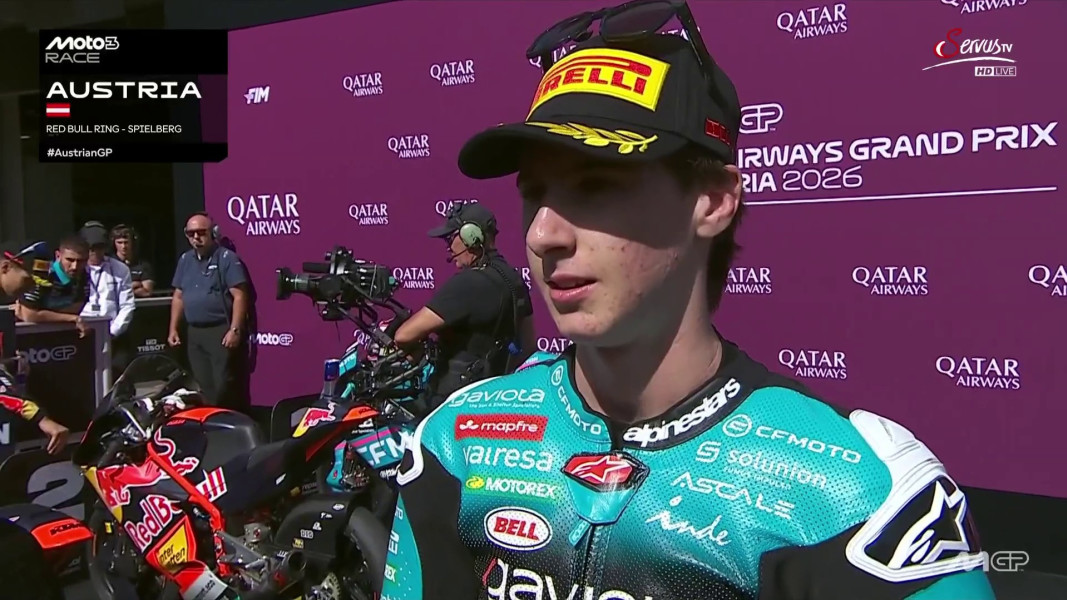
Quiles: „Es war toll, in Österreich zu fahren“
20. Sept. | 3:15 Min
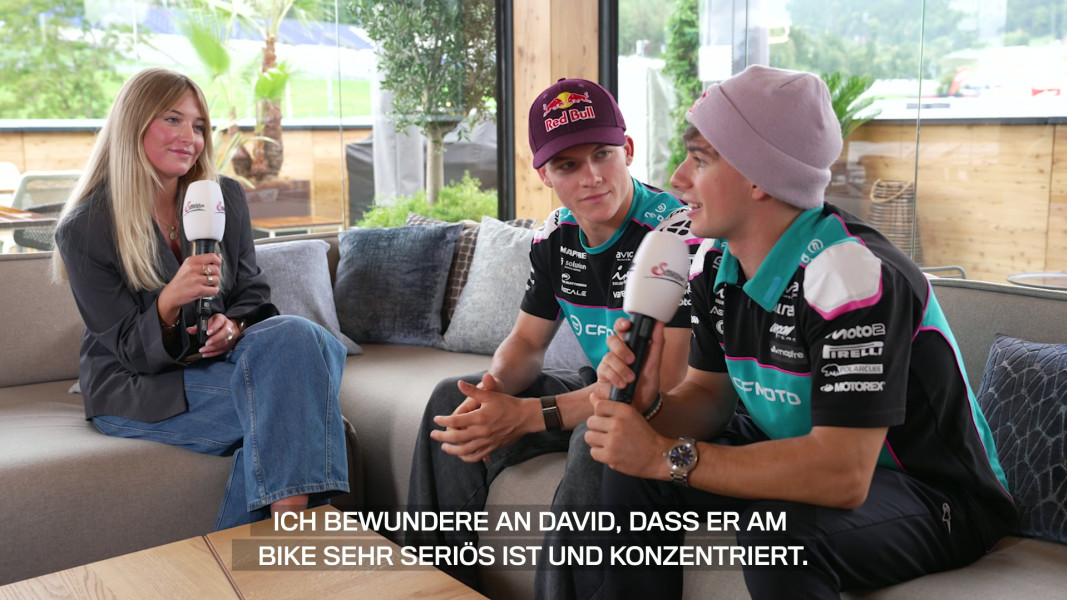
Holgado & Alonso beantworten eure Fragen!
20. Sept. | 4:01 Min
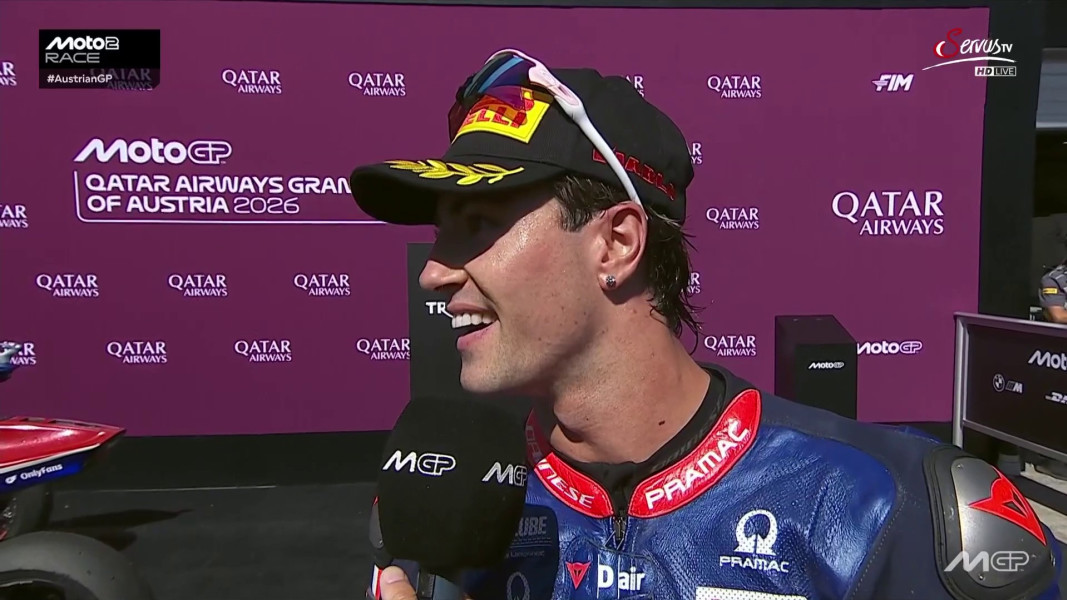
Izan Guevara: „Wir müssen den Moment genießen“
20. Sept. | 4:26 Min


The latest news around the clock, analyzed and commented on by experts, with exclusive behind-the-scenes insights. Here, fans write for fans.