One expert is convinced: MotoGP riders will have to adapt massively for 2027
2027 will mark the start of a new era in MotoGP, not only in technical terms but also with Pirelli taking over as the supplier of the standard tyres. This will have significant implications for the riders and engineers.
This article is an automatically generated English version. The
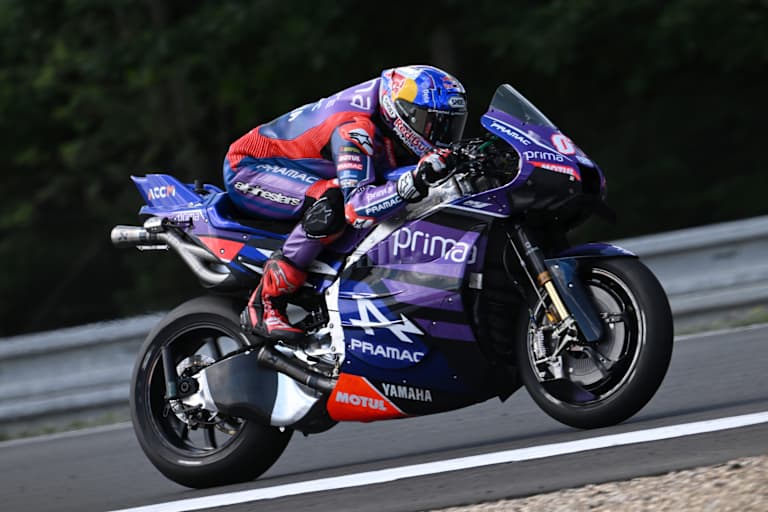
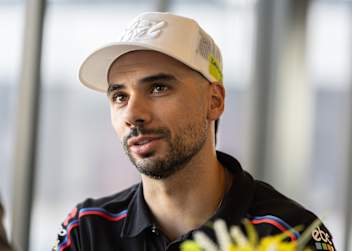
Toprak Razgatlioglu kann den Umstieg auf Pirelli kaum erwarten
Foto: david ulrich
Toprak Razgatlioglu kann den Umstieg auf Pirelli kaum erwarten
© david ulrich


They are black, round – and, from 2027, supplied by Pirelli. After eleven years on Michelin tyres, MotoGP riders will be competing on standard tyres from northern Italy rather than Michelin from next season onwards. For some motor racing fans, this may not be a particularly exciting topic, but the impact on the development of the motorbikes is enormous.
The five manufacturers competing in the premier class – Aprilia, Ducati, Honda, KTM and Yamaha – will have to, by 2027, when the new technical regulations come into force for the first time, not only develop engines with 850cc instead of 1000cc and devise significantly less innovative aerodynamic packages; the future machines will also be built around the Pirelli tyres, whilst doing away with height-adjustable suspension.
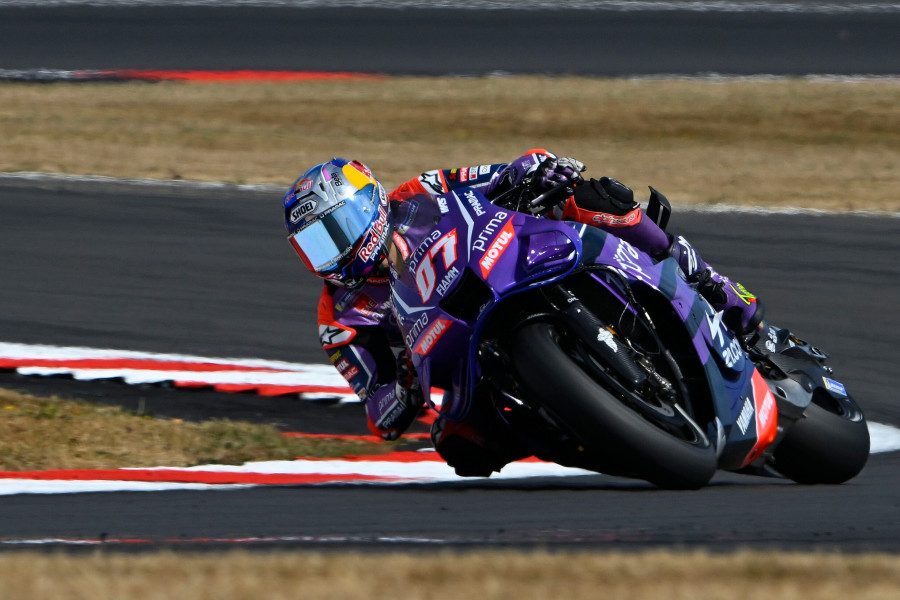
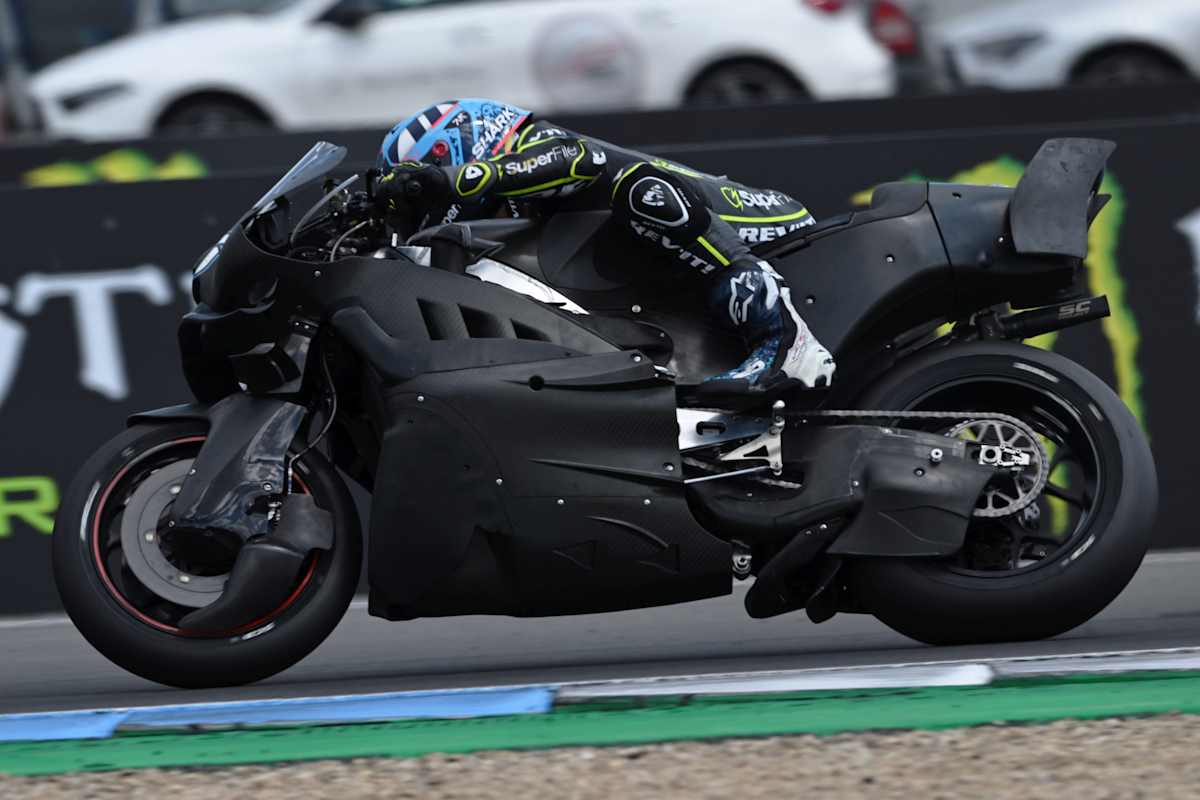
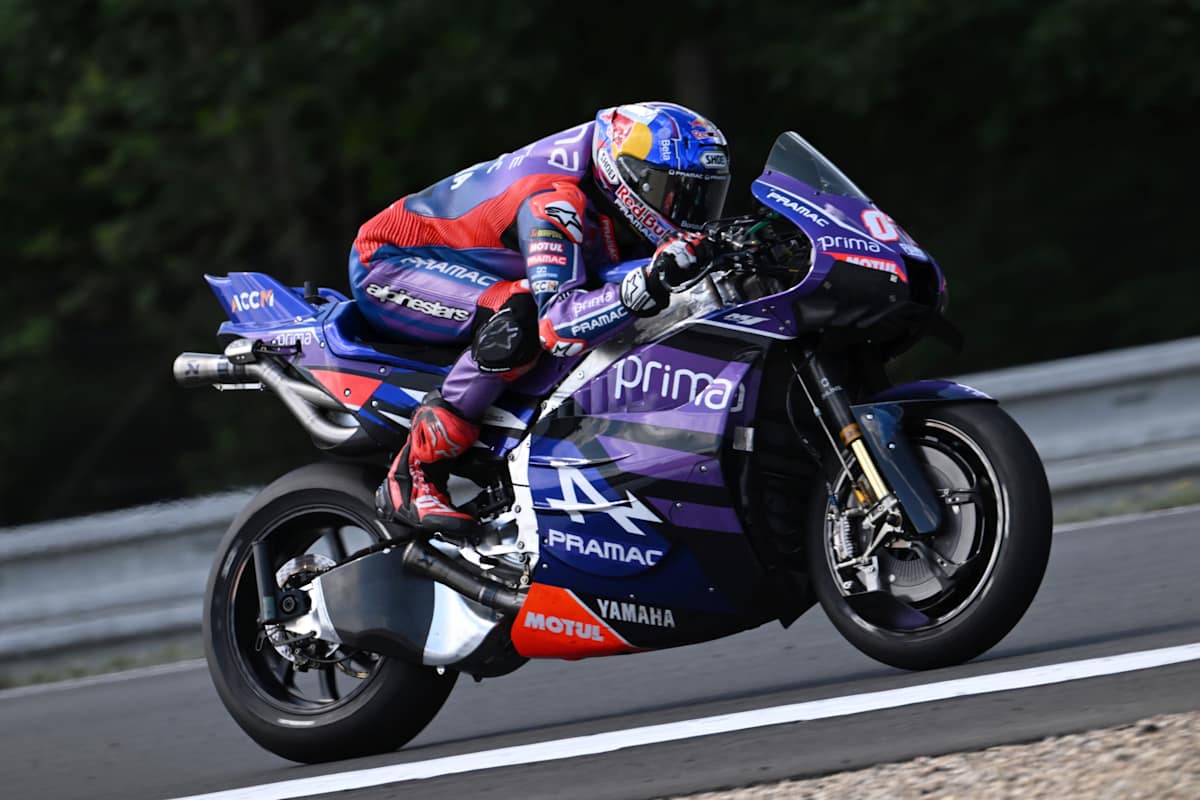
On 22 June, in Brno, Czech Republic, a number of regular MotoGP riders took to the track together for the first time on next year’s bikes;
Raul Fernandez
Foto: David Ulrich
Toprak Razgatlioglu
Foto: David Ulrich
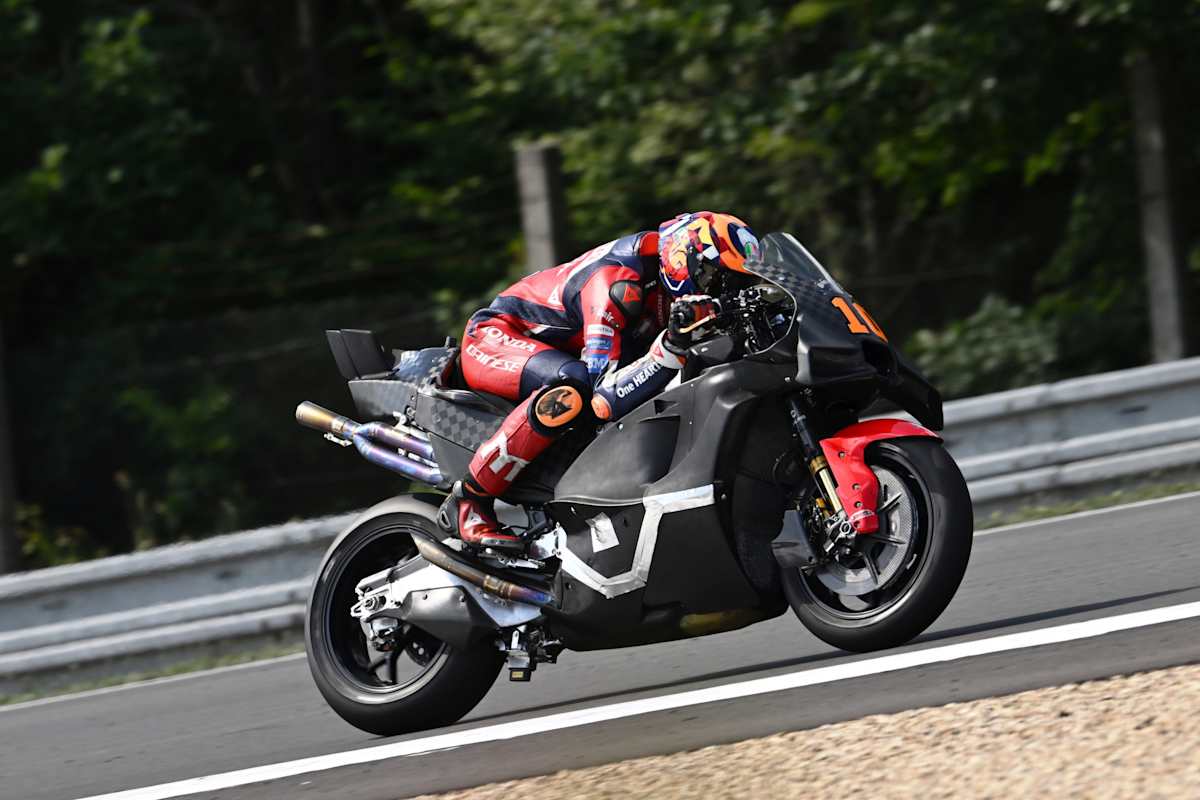
Luca Marini
Foto: David Ulrich
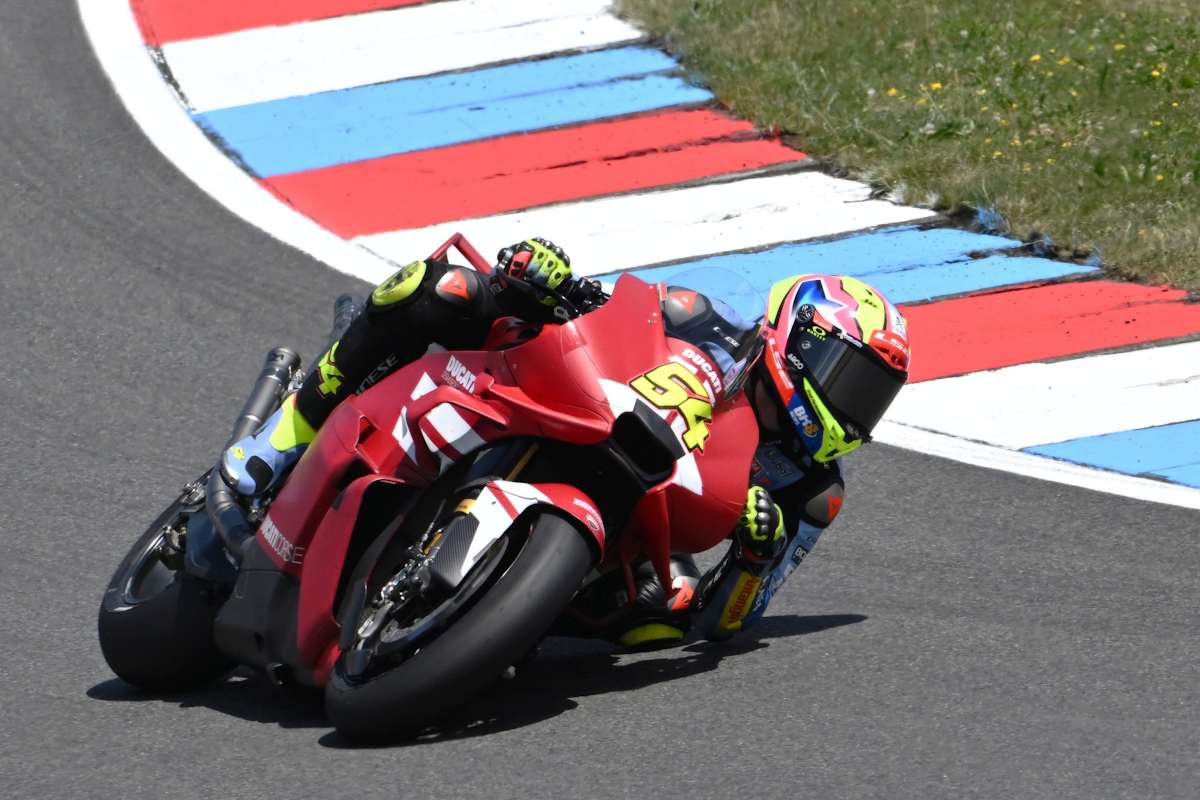
Fermin Aldeguer
Foto: David Ulrich
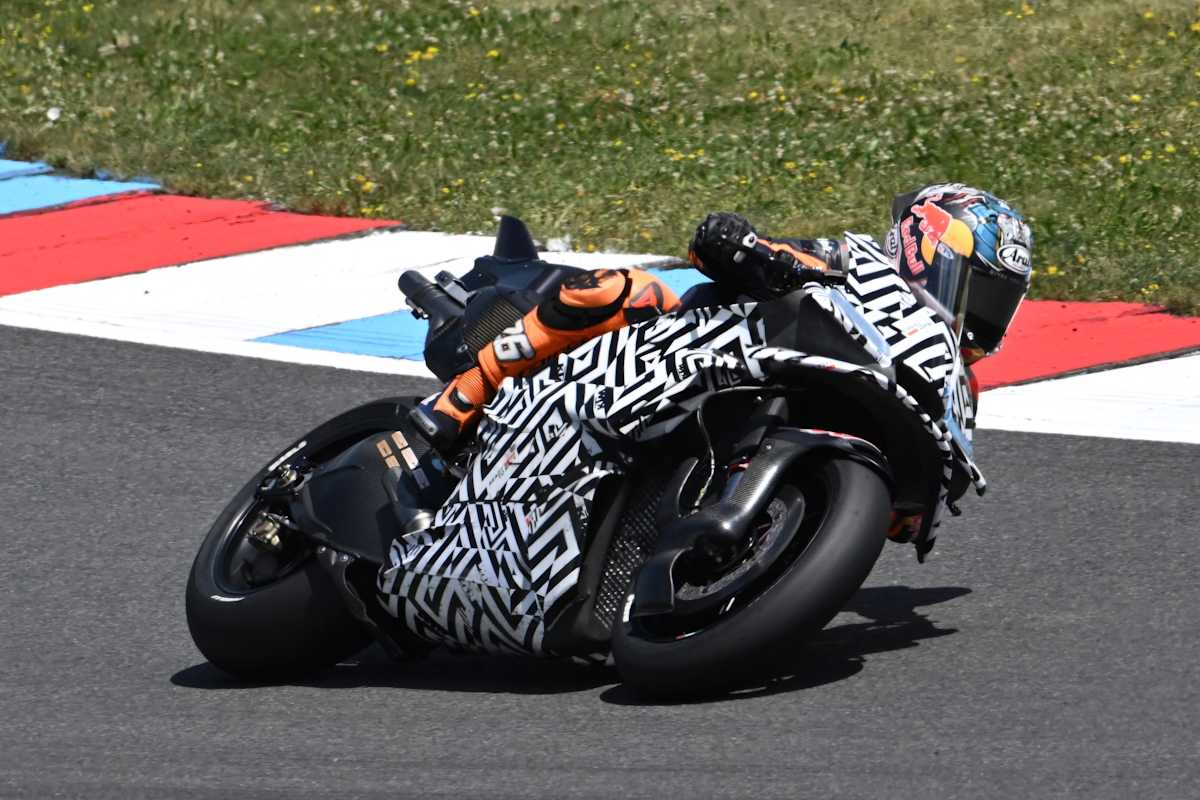
Dani Pedrosa auf der KTM mit Tarnkleid
Foto: David Ulrich
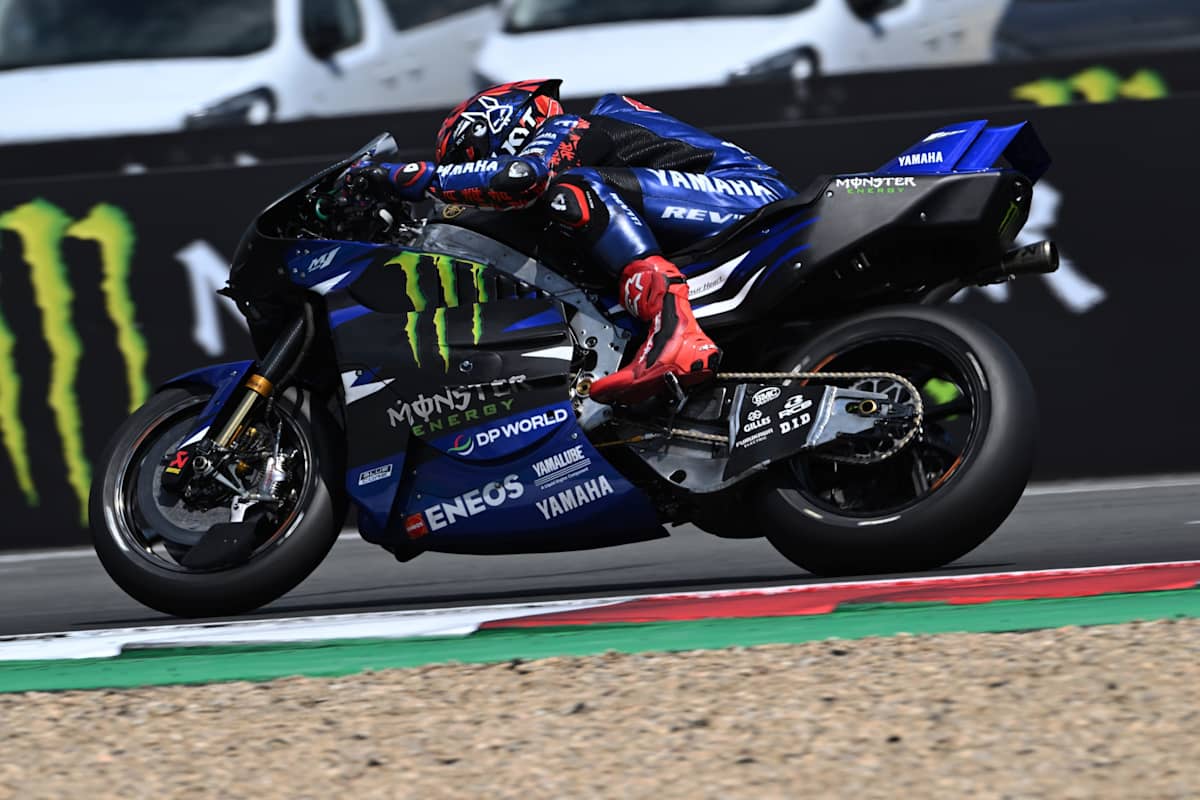
Augusto Fernandez
Foto: David Ulrich
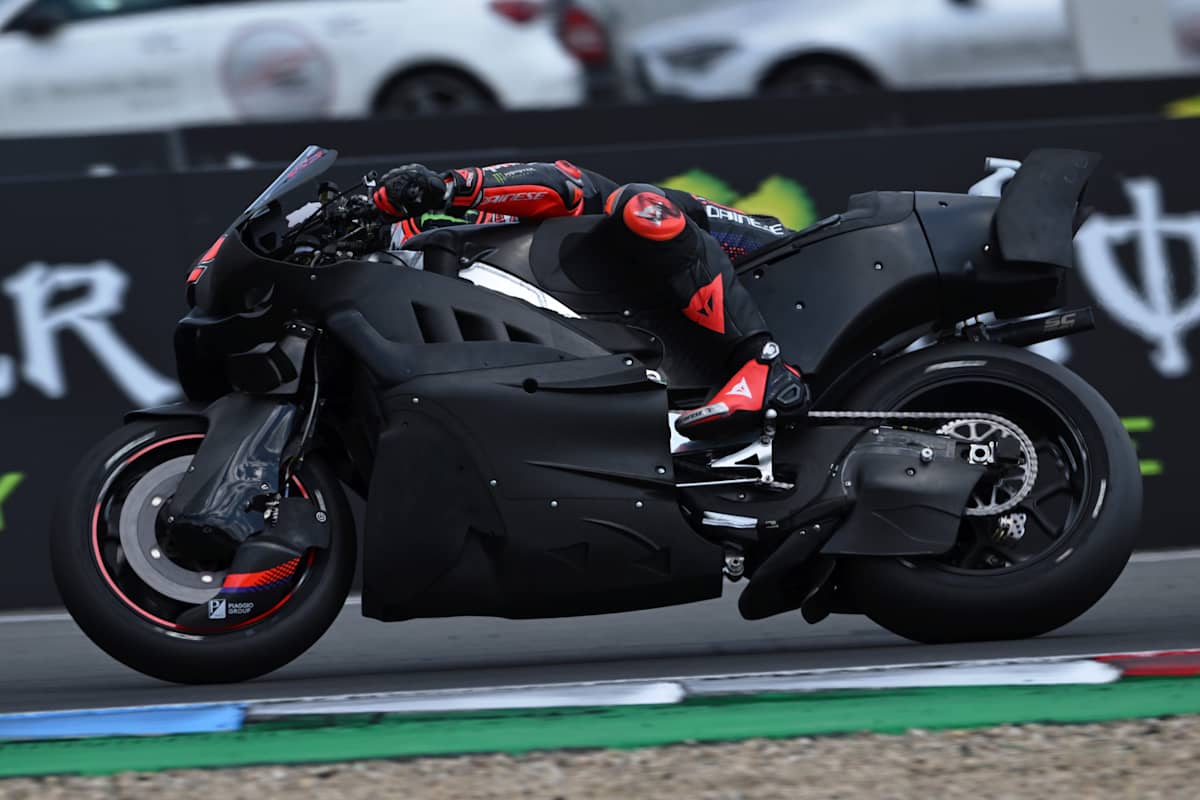
Marco Bezzecchi
Foto: David Ulrich
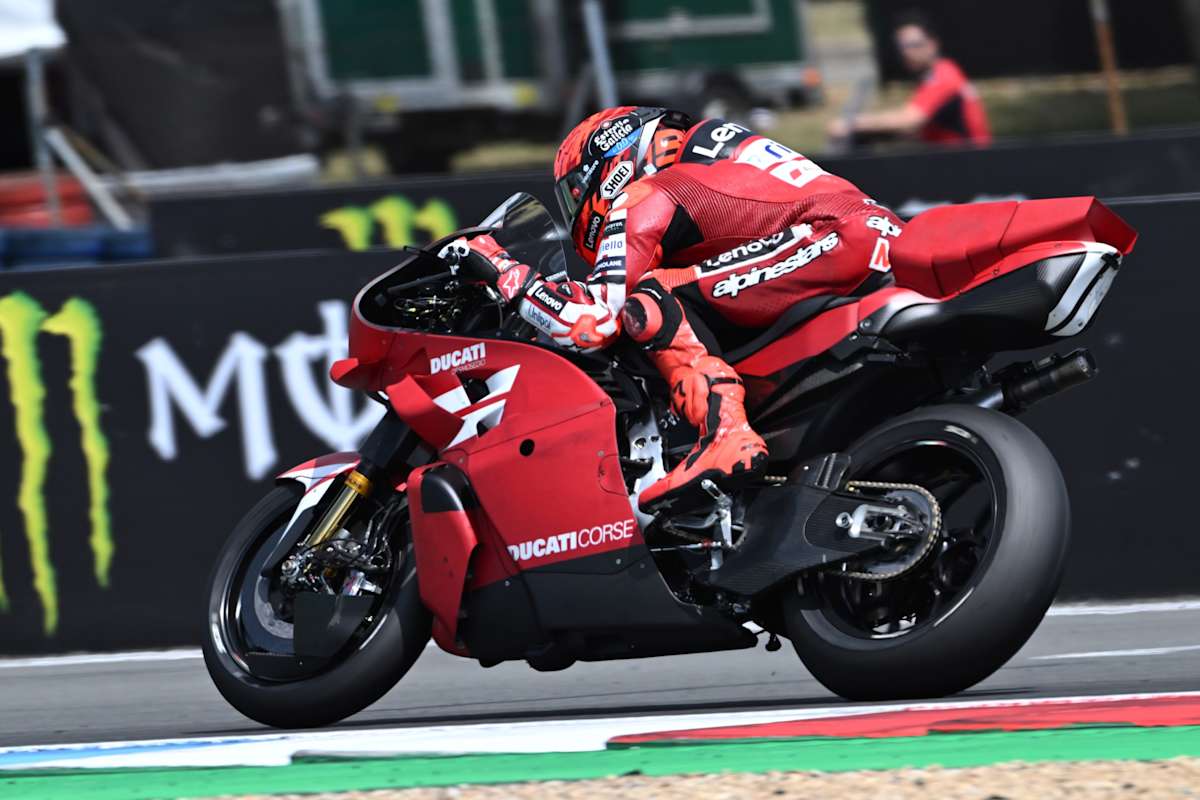
Marc Marquez
Foto: David Ulrich
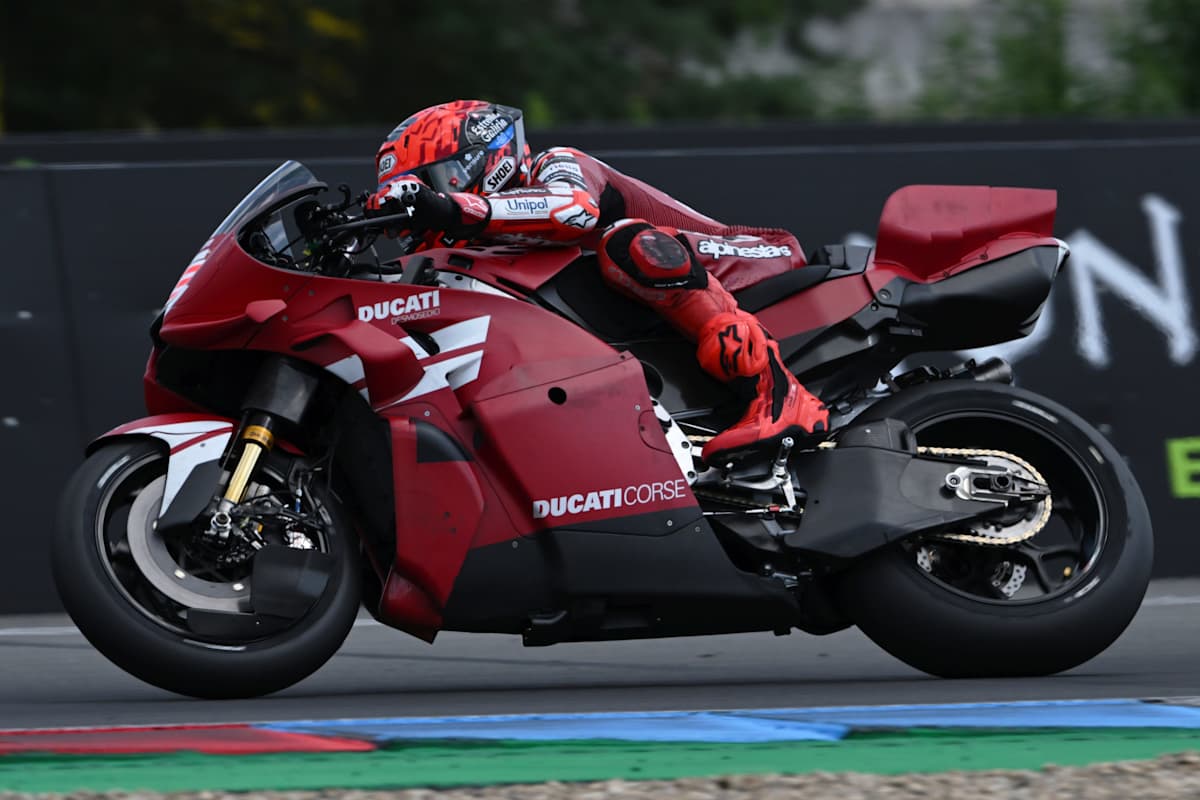
Marc Marquez mit der 850er-Ducati beim Brünn-Test
Foto: David Ulrich
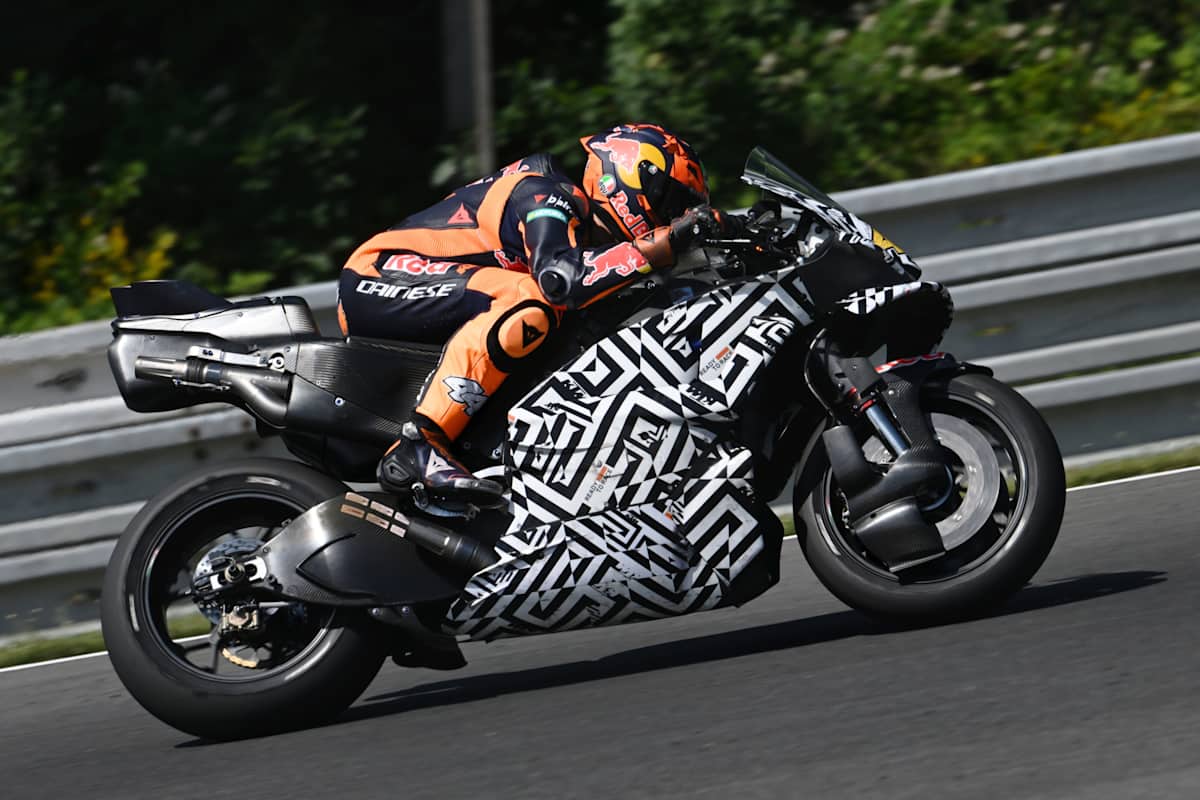
Pol Espargaro
Foto: David Ulrich
Raul Fernandez
© David Ulrich
“We’re providing all manufacturers with various options and will then decide which range we’ll use later on,” explained Pirelli’s head of racing, Giorgio Barbier, in a one-on-one interview with SPEEDWEEK.com. “That’s why the Brno test was so important for us, as was the one at Misano a month earlier. When all manufacturers are on the track on the same day, we get the best feedback.”
Four weeks ago, Aprilia headed into the summer break from Germany with a badly injured Marco Bezzecchi. The response came from the heart of British motor racing: ‘Together we are strong!’
TV program
Manufacturers and riders have a lot of work ahead of them
It quickly became apparent that some motorbikes are better suited to the future standard tyres than others; there is still a great deal of work ahead for everyone involved before the start of the season in Thailand in early March 2027.
“The reason the riders don’t like certain aspects of our tyres is that the motorbikes are tuned for the current ones,” Barbier noted. “Up until now, they’ve had to ride in a specific way to suit the tyres’ characteristics – that’s what they’ve learnt over the last eleven years. But the new tyres have different strengths because they’re made by a different manufacturer.
Of
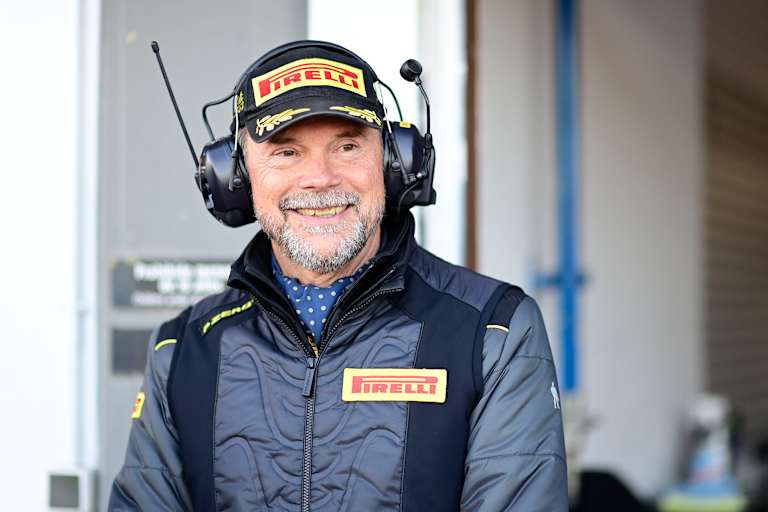
Pirelli-Rennchef Giorgio Barbier
Foto: gold & goose
Pirelli-Rennchef Giorgio Barbier
© gold & goose
Seen already?
Don't miss out on any highlights: The Speedweek newsletter, sent out twice a week, delivers the latest news, exclusive commentary and all the important dates from the world of motorsports - directly into your inbox
Championship Standings
Full standings2026
2026
2025
2024
2023
Pos
Driver
Team
Points
1


240
2

209
3


203
4


200
5


199
6

184
7


163
8

143
9


106
10


86
Highlight videos
ServusTV media library
13. Aug. | 11:46 Min
9. Aug. | 1:21 Min
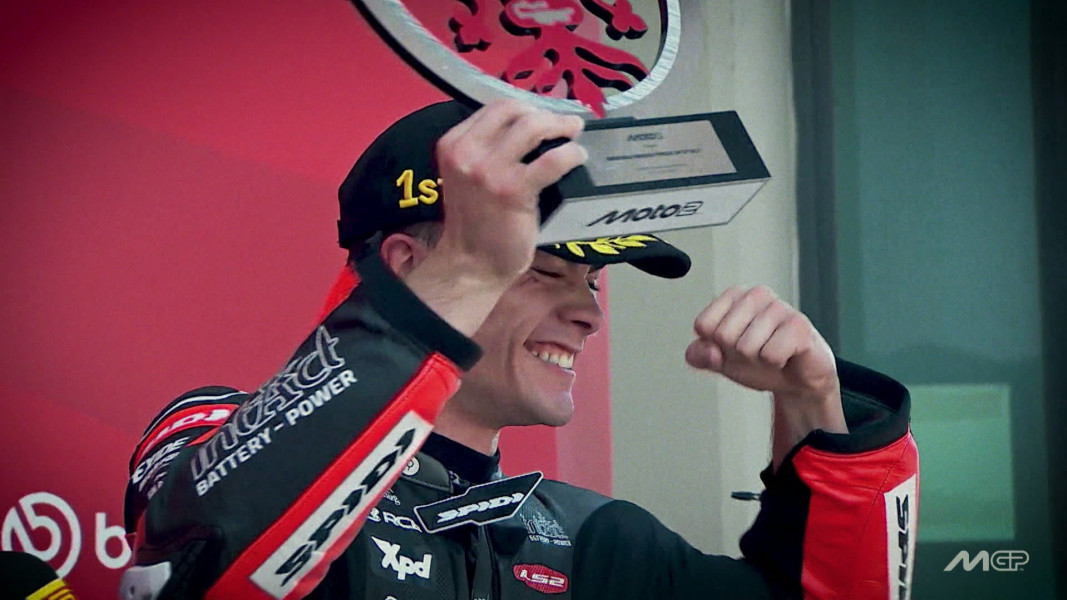
Manuel Gonzalez 1on1: So tickt der Moto2-Star
9. Aug. | 3:32 Min
9. Aug. | 19:07 Min
9. Aug. | 5:02 Min
8. Aug. | 2:23 Min
Aprilia setzt Ducati unter Druck
8. Aug. | 4:25 Min
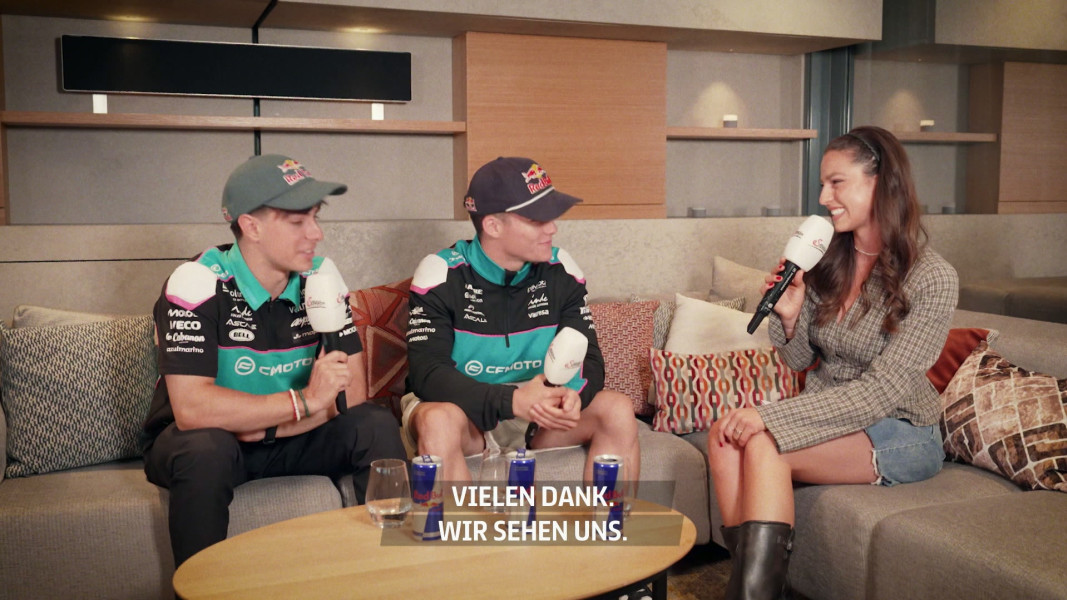
David Alonso & Dani Holgado: Die MotoGP ruft!
8. Aug. | 4:21 Min
Events
All MotoGP eventsPast Motorrad Grand Prix Deutschland
 10.–12.07.2026
Past British Grand Prix
 07.–09.08.2026
Next up Gran Premio de Aragón
 28.–30.08.2026
Gran Premio di San Marino
 11.–13.09.2026
Motorrad Grand Prix von Österreich
 18.–20.09.2026
Past Motorrad Grand Prix Deutschland
Past British Grand Prix
Next up Gran Premio de Aragón
Gran Premio di San Marino
Motorrad Grand Prix von Österreich
MotoGP News
All news



Newest articles
All articlesNew New New New New New New New