Hope with new Supersport regulations: Fewer paid riders in future?
Some manufacturers criticise Ducati for first introducing a new bike and then proposing the rule change for the 2027 Supersport World Championship. Others have since changed their minds.
This article is an automatically generated English version. The
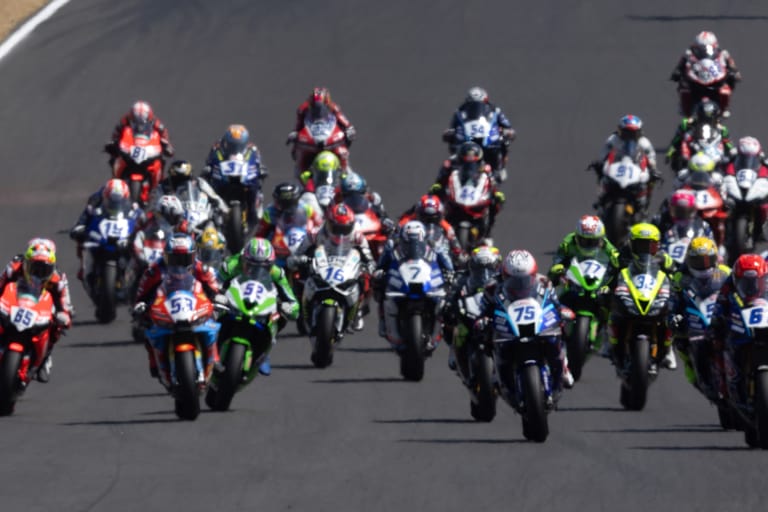
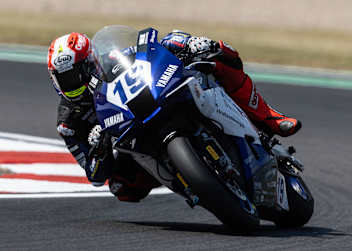
Viele Fahrer in der Supersport-WM müssen zum Budget beitragen
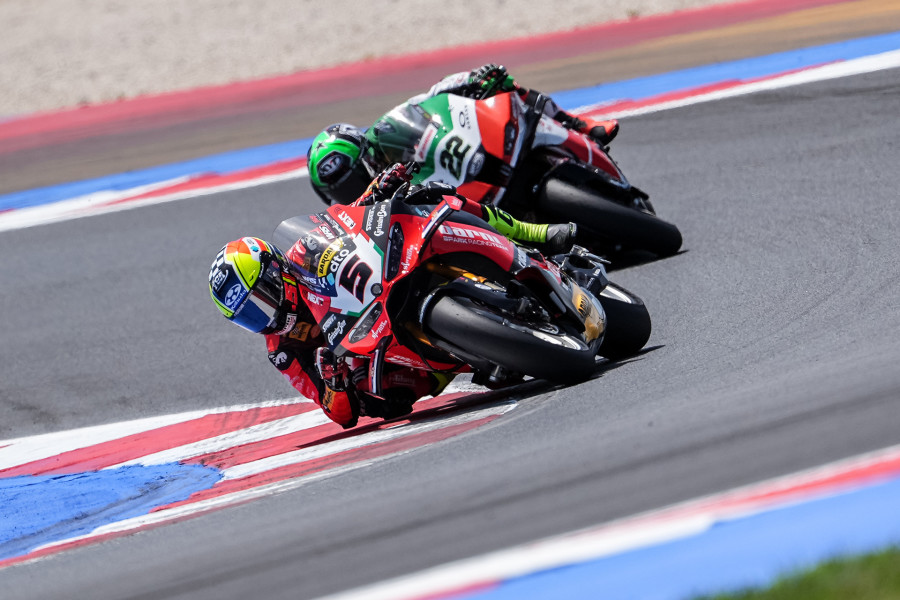
Foto: gold & goose
Viele Fahrer in der Supersport-WM müssen zum Budget beitragen
© gold & goose


On 2 July 2025, SPEEDWEEK.com first reported on
Ducati and Yamaha – two manufacturers who rarely see eye to eye within the Manufacturers’ Association (MSMA) – have the same motive for the power reduction: it will save them the cost of the racing kit.
The other manufacturers, who have invested a great deal of money over the years to reach the current technical standard, are not happy about this. “Does Dorna prefer to please two manufacturers and fall out with everyone else?” asked one team principal at the time. “Probably yes.”
The fact that
With a little foresight, there is little to counter the arguments put forward by Ducati and Yamaha; other manufacturers have now recognised this too, and are gradually introducing new models, such as
Summertime, holiday season, the silly season: these are the weeks when the most outrageous driver changes are usually discussed. The big news for the 2027 season is yet to materialise.
Greater durability, lower costs
“If we reduce the power slightly, durability will increase and costs will fall,” a senior manager at a manufacturer – whose name has just slipped my mind – told SPEEDWEEK.com. “So there’s no reason against it. Whatever is decided between Dorna, the FIM and the manufacturers should serve to advance the championship. Because if the championship grows, everyone benefits. And growth comes from increased interest from the media and sponsors. The more manufacturers involved, the better. The more races are decided in the final corner, with three or four riders from different manufacturers, the greater the interest.”
This means that some riders have to pay for their place.A paddock insider on excessive costs
“We mustn’t forget, either, that many teams in the Supersport and Superbike World Championships struggle greatly to raise the necessary budget,” added the man with foresight. “The Supersport teams have less TV airtime and a smaller reach on social media, so it’s harder for them to attract sponsors. Or they aren’t organised enough to secure any. This means that some riders have to pay for their seat. We should reach a point where this is no longer the case and riders are selected by the teams based on their form or the interest they generate. To achieve this, the smaller classes must be affordable. And to do that, performance levels need to be reduced – I can’t see anything negative about this step. With issues like this, you have to look at the bigger picture.”
Seen already?
Don't miss out on any highlights: The Speedweek newsletter, sent out twice a week, delivers the latest news, exclusive commentary and all the important dates from the world of motorsports - directly into your inbox
Championship Standings
Full standings2026
2026
Pos
Driver
Team
Points
1


291
2

209
3

195
4

178
5

165
6

139
7

126
8

119
9

118
10

114
Highlight videos
ServusTV media libraryIrre Aufholjagd & Dominanz pur!
12. Juli | 1:32 Min
12. Juli | 4:50 Min
12. Juli | 1:24 Min
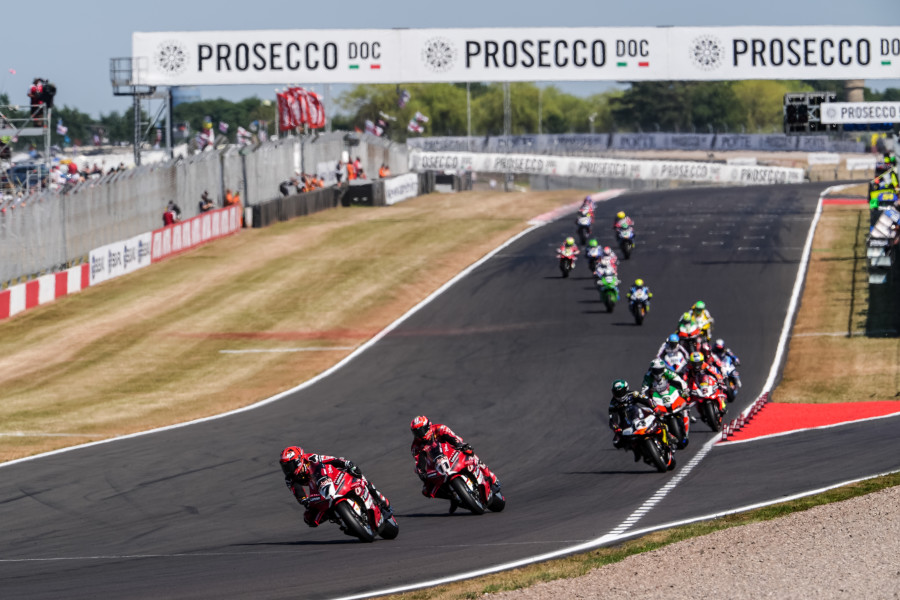
11. Juli | 1:31 Min
Drama kurz vor der Zielflagge!
14. Juni | 1:32 Min
14. Juni | 1:30 Min
13. Juni | 1:32 Min
31. Mai | 1:31 Min
Events
All WorldSSP eventsPast Misano/Italien
 12.–14.06.2026
Past Donington Park/Großbritannien
 10.–12.07.2026
Magny-Cours/Frankreich
 04.–06.09.2026
Cremona/Italien
Estoril/Portugal
 09.–11.10.2026
Past Misano/Italien
Past Donington Park/Großbritannien
Magny-Cours/Frankreich
Cremona/Italien
Estoril/Portugal
WorldSBK News
All news
Newest articles
All articlesNew New New New New New