
Cadillac to continue with Ferrari: millions lost due to V8 engines for 2030
The US car manufacturer General Motors is having to rethink its strategy. GM had intended to compete in 2029 with its own power unit under the current regulations, but it would have been an engine designed for just one year.
This article is an automatically generated English version. The

Die Zukunft der Formel 1 heisst V8
Foto: FIA
Die Zukunft der Formel 1 heisst V8
© FIA


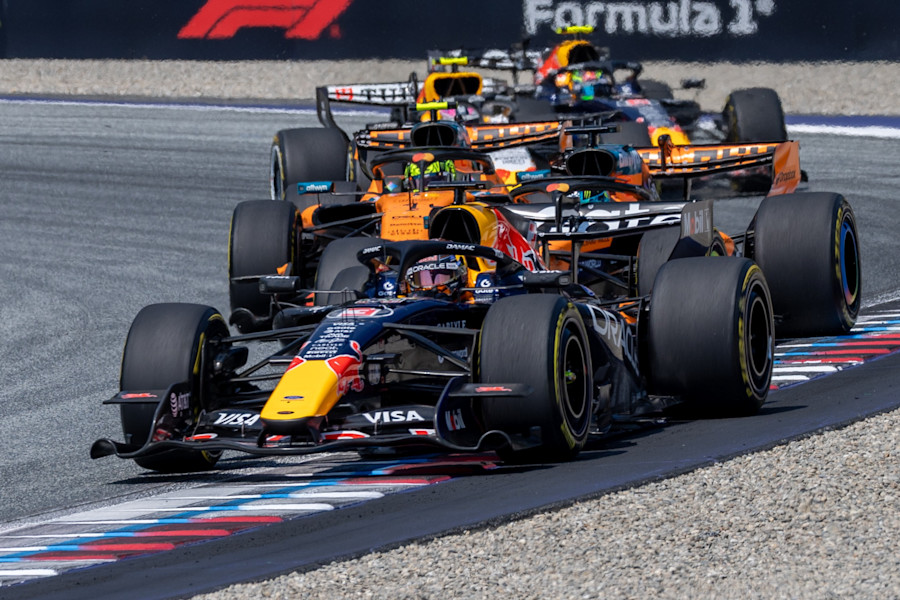
On the evening of 20 November, the FIA confirmed that the technical framework for the Formula 1 power unit from 2030 onwards had been unanimously agreed upon by the International Automobile Federation, Formula One Management (FOM), the teams and the manufacturers of Formula 1 power units.
From 2030, this will be a 2.1-litre turbocharged V8. The overarching aim is to deliver a power unit that is far less complex, lighter and more cost-effective than the current power units. It will feature limited hybridisation and incorporate relevant, sustainable technology, with the aim of promoting attacking racing and a sound that resonates with fans.
In addition, the plan is to combine the V8 power unit with a chassis that is also lighter, more agile and places greater emphasis on driving skill and good racing.
Recommendations
The next step is to present a final regulatory framework for 2030 to the FIA World Motor Sport Council at its meeting in Shanghai next month.
A note on this: for a really good sound, the turbo would have had to be banned, but some engine manufacturers were opposed to this. Similarly, today’s manufacturers refused to do away with hybrid technology.
Topic of the week
Crazy MotoGP hero? Jorge Martin as 2026 World Champion in Psychology
Many shook their heads – whether out of bewilderment, admiration or disapproval – when a badly injured Jorge Martin opened the throttle at Sepang and Losail. Martin’s message has got through.
TV Program
So, a return to the V8 – yes; a return to the old naturally aspirated V8 engine sound – no.
The HGy
For General Motors, the decision comes at an inopportune time. The Americans had planned to introduce their own power unit (in accordance with current regulations) from 2029. Had they stuck to that plan, it would have meant millions and millions in investment for just one season. Of course, that is completely nonsensical.
Dan Towriss, managing director of the Cadillac racing team, has confirmed a change of course: no 1.6-litre engine from 2029; instead, they will remain a Ferrari customer for one more year, then switch to the V8 from 2030.
The FIA’s decision on the V8 engine for 2030 is costing General Motors millions. Towriss has confirmed that setting up the company’s own engine division has cost $155 million. He did not say how many millions had been spent on planning a 1.6-litre engine, which will now never see the light of day.
Numerous prototypes of these engines are reportedly already being tested on GM’s test benches at a new racing engine plant in Concord (North Carolina, USA), where more than 300 skilled workers are employed.
Seen already?
Don't miss out on any highlights: The Speedweek newsletter, sent out twice a week, delivers the latest news, exclusive commentary and all the important dates from the world of motorsports - directly into your inbox
Highlight Videos
ServusTV Media Library
16. Nov. | 1:26 Min
Verstappen gegen alle Widerstände!
10. Nov. | 4:00 Min
„Es muss klare Ansagen bei Ferrari geben“
7. Nov. | 16:41 Min
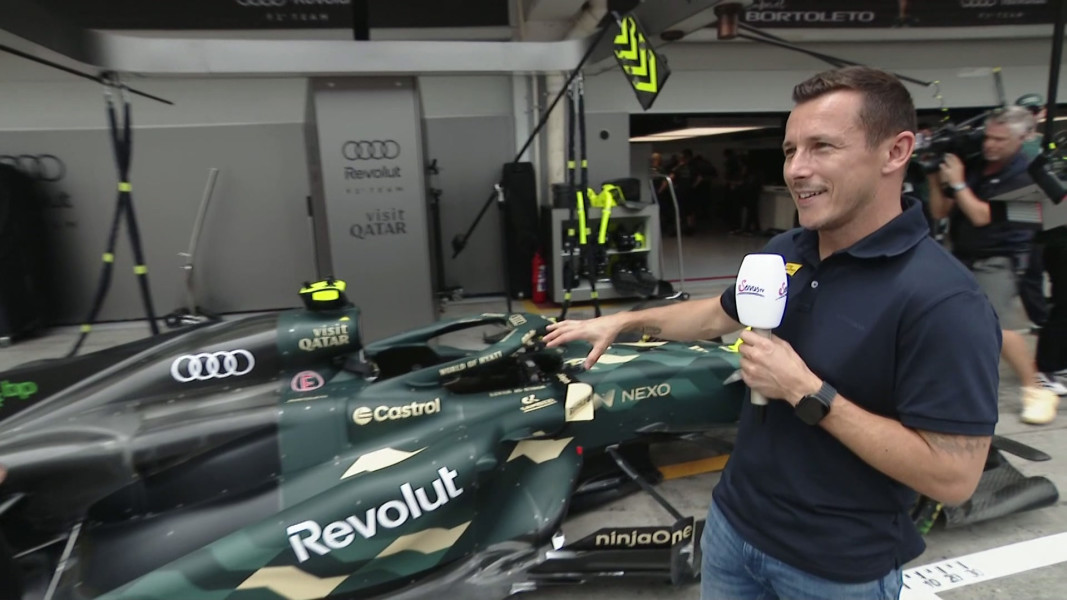
Klien erklärt: Audis Sao-Paulo-Design
6. Nov. | 4:41 Min
2. Nov. | 4:52 Min
27. Okt. | 3:15 Min

„Schallende Ohrfeige für gestandene Hersteller“
24. Okt. | 16:15 Min
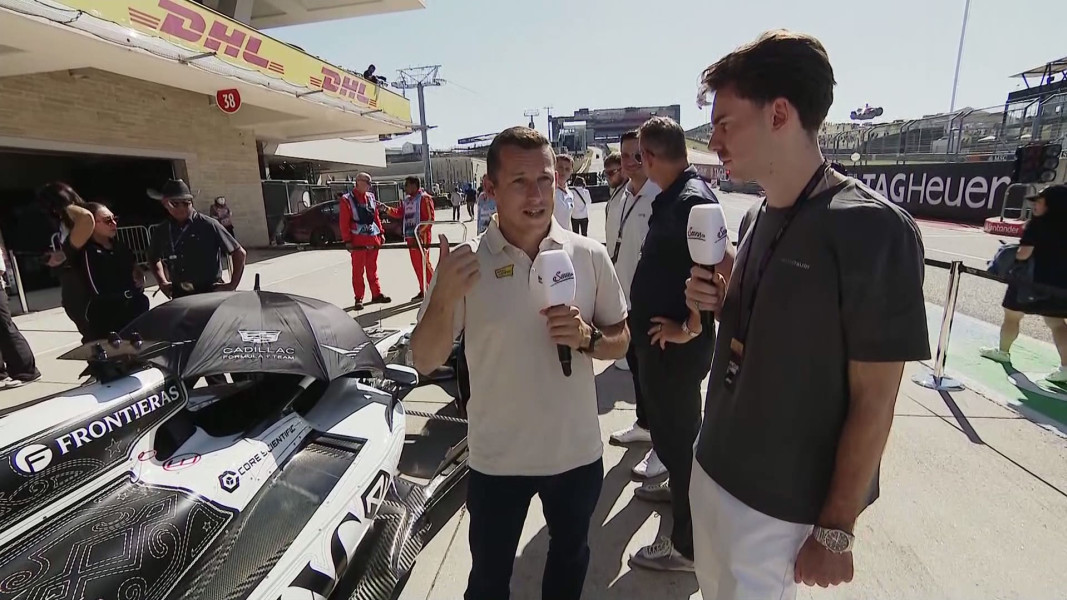
Klien erklärt: Cadillacs cooles Texas-Design
23. Okt. | 4:24 Min
Events
All Formula 1 EventsPast Mexican Grand Prix Autódromo Hermanos Rodríguez, Mexiko 30.10. – 01.11.2026Past Brazilian Grand Prix Autodromo Jose Carlos Pace, Brasilien 06.–08.11.2026Live
Las Vegas Grand Prix Downtown Las Vegas Street Circuit, USA 19.–21.11.2026Next up Qatar Grand Prix Losail International Circuit, Katar 27.–29.11.2026Next up Abu Dhabi Grand Prix Yas Marina Circuit, Vereinigte Arabische Emirate 04.–06.12.2026

Past Mexican Grand Prix Autódromo Hermanos Rodríguez, Mexiko 30.10. – 01.11.2026Past Brazilian Grand Prix Autodromo Jose Carlos Pace, Brasilien 06.–08.11.2026Live
Las Vegas Grand Prix Downtown Las Vegas Street Circuit, USA 19.–21.11.2026Next up Qatar Grand Prix Losail International Circuit, Katar 27.–29.11.2026Next up Abu Dhabi Grand Prix Yas Marina Circuit, Vereinigte Arabische Emirate 04.–06.12.2026
Formula Cars News
All News


Newest Articles
All ArticlesNew New New New New New New


