
The FIA announces: Formula 1 is returning to the V8 engine in 2030!
The FIA has announced that the world governing body, Formula 1 management and F1 engine manufacturers have agreed on a comeback for the V8 engine from 2030. A regulatory framework has been agreed upon.
This article is an automatically generated English version. The

Rennstart in Interlagos
Foto: XPB Images
Rennstart in Interlagos
© XPB Images


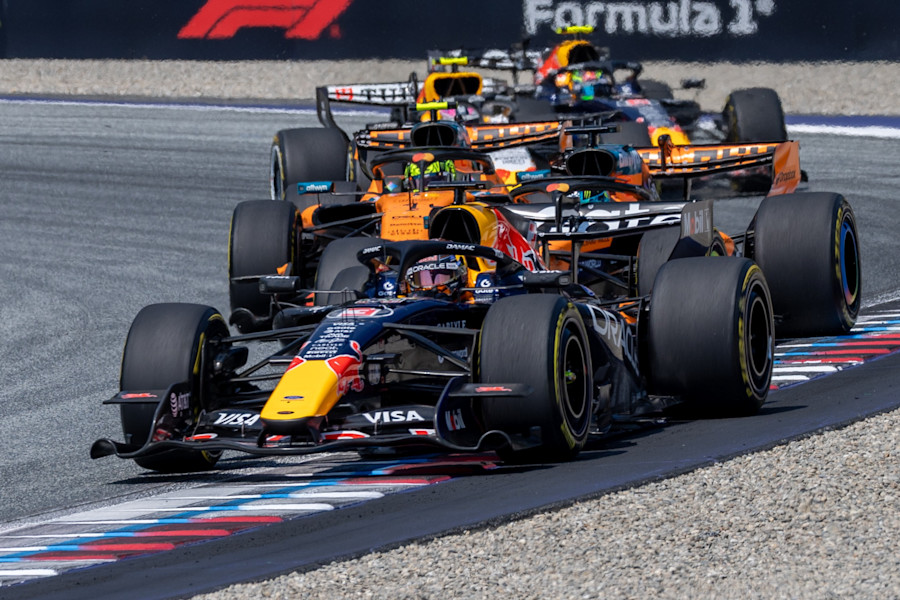
What so many fans have been longing for is now set to become a reality! Formula 1 is set to return to V8 engines from 2030. The FIA announced this on Tuesday evening (17 November). According to the FIA’s statement, the FIA, Formula One Management and the engine manufacturers have agreed on a technical regulatory framework. A meeting on this matter had taken place the day before.
The change is set to come into effect from 2030, i.e. with the next engine cycle. Currently, Formula 1 cars are powered by V6 engines with a high proportion of electric power. From 2030, a V8 internal combustion engine with ‘limited hybridisation’ is to be introduced. No details have been given. The proposal for the power unit from 2030 is based on a 2.1-litre V8 turbo engine. This is to be powered by sustainable fuels. In addition, the cars are to become lighter and more cost-effective. All of this is intended to improve racing.
V8 comeback in F1: World Motor Sport Council still needs to give its approval
None of this is a done deal yet. The World Motor Sport Council still has to give the green light, and vetoes are theoretically still possible. Furthermore, further details need to be clarified – these had recently been a point of contention. However, as the major parties – the World Motor Sport Council, F1 management and the engine manufacturers – have reached an agreement, the chances are quite good that the V8 will indeed make a return. Formula 1 last raced with V8 engines until 2013.
The current engine regulations (V6 with a high proportion of electric power, in force since 2026) have attracted a great deal of criticism from both fans and drivers. The drivers feel that the electric component is too large, and that the release of energy is unpredictable and complicated. Adjustments had already been made for the 2027 season and also during the current season. Now, from 2030, it appears to be a major step backwards!
Topic of the week
Crazy MotoGP hero? Jorge Martin as 2026 World Champion in Psychology
Many shook their heads – whether out of bewilderment, admiration or disapproval – when a badly injured Jorge Martin opened the throttle at Sepang and Losail. Martin’s message has got through.
TV Program
Seen already?
Don't miss out on any highlights: The Speedweek newsletter, sent out twice a week, delivers the latest news, exclusive commentary and all the important dates from the world of motorsports - directly into your inbox
Highlight Videos
ServusTV Media Library
16. Nov. | 1:26 Min
Verstappen gegen alle Widerstände!
10. Nov. | 4:00 Min
„Es muss klare Ansagen bei Ferrari geben“
7. Nov. | 16:41 Min
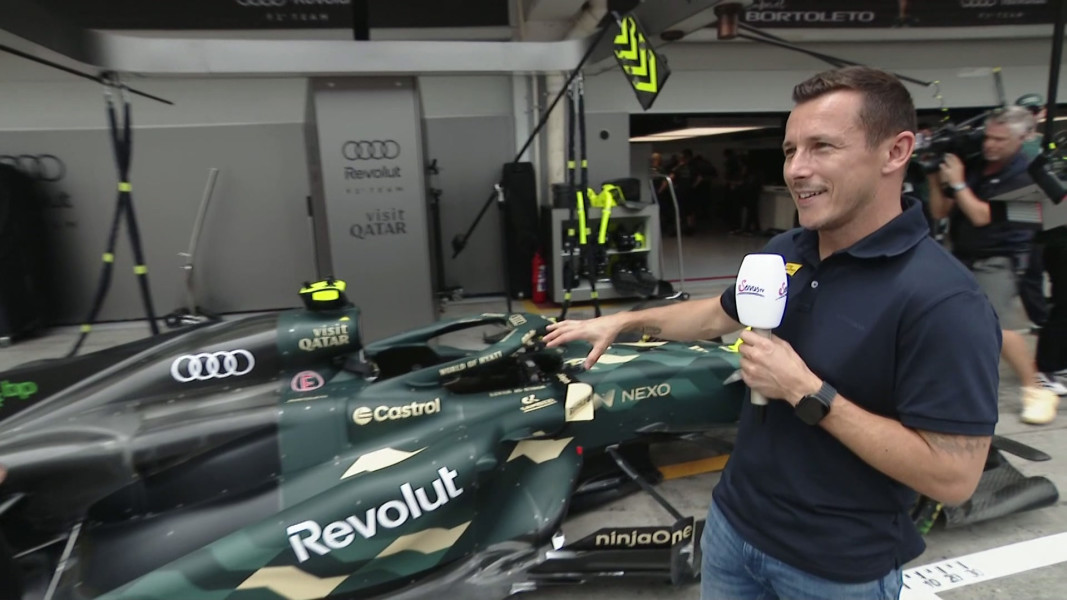
Klien erklärt: Audis Sao-Paulo-Design
6. Nov. | 4:41 Min
2. Nov. | 4:52 Min
27. Okt. | 3:15 Min
„Schallende Ohrfeige für gestandene Hersteller“
24. Okt. | 16:15 Min
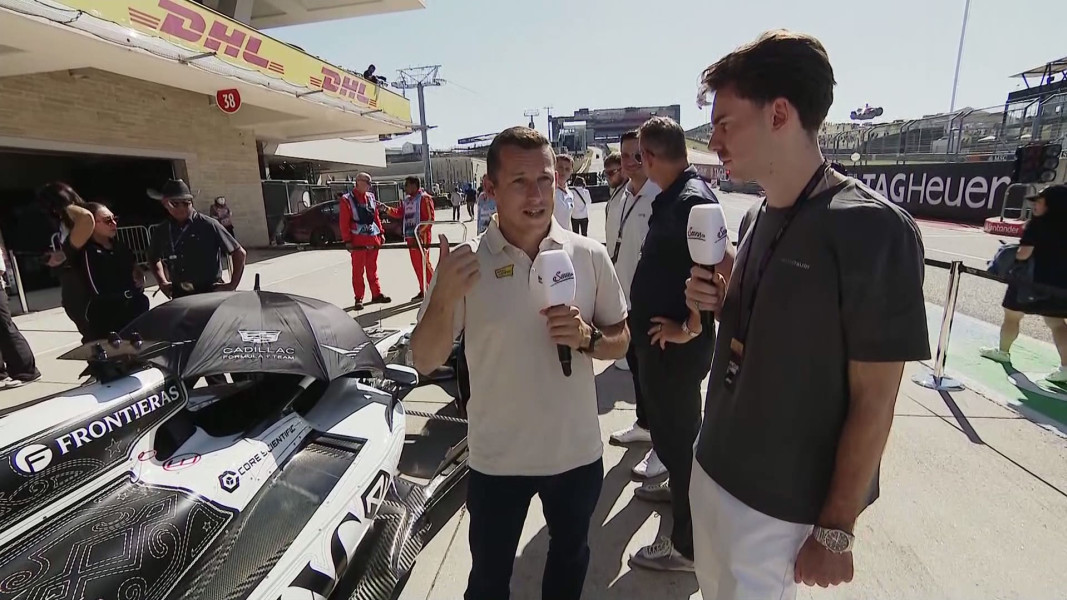
Klien erklärt: Cadillacs cooles Texas-Design
23. Okt. | 4:24 Min
Formula Cars News
All News


Newest Articles
All ArticlesNew New New New New New New


