Brad Binder after a heavy crash: “One less KTM for the museum”
A heavy crash in Q1 made Brad Binder’s MotoGP weekend in Japan a difficult one. After finishing 11th in the Grand Prix, the KTM rider was also frustrated by the overly cautious strategy regarding the rear tyre.
This article is an automatically generated English version. The
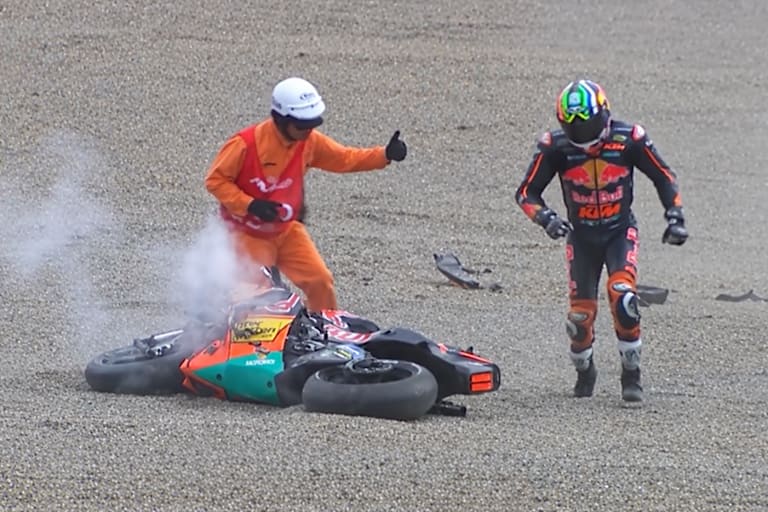
Brad Binder flog im Q1 ab und zerstörte dabei eine KTM RC16
Foto: MotoGP
Brad Binder flog im Q1 ab und zerstörte dabei eine KTM RC16
© MotoGP


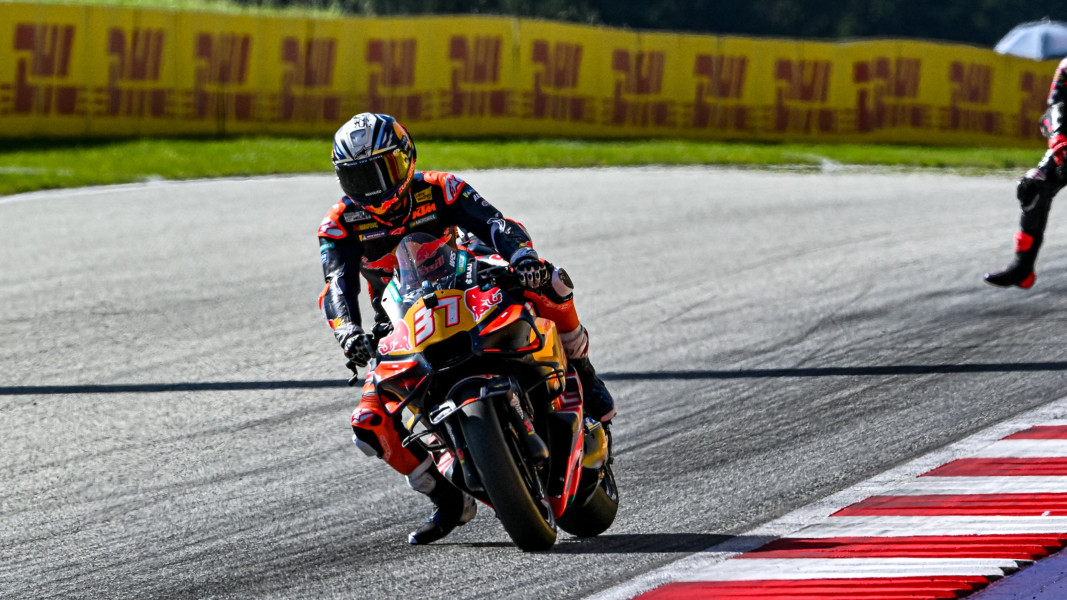
Brad Binder left Motegi with five World Championship points and the feeling that he had squandered an opportunity. The South African finished the Japanese Grand Prix in 11th place, just behind Honda works rider Luca Marini. Trailing by 25.9 seconds, he was only the third-fastest KTM rider. Enea Bastianini demonstrated what was possible with the RC16: the Tech3 rider finished fourth, just 2.3 seconds behind winner Marc Marquez (Ducati).
Binder had already suffered a decisive setback on Saturday morning. In Q1, he initially battled to qualify for the second qualifying session. However, on his second attempt, he crashed before he could complete his next fast lap. Instead of a better starting position, he was left with 17th on the grid.
“A Saturday to forget. FP2 and my first attempt in Q1 didn’t go too badly, but then I ruined everything on the lap before my time attack on the second tyre. That was anything but ideal. It was a nasty crash. I felt as if a bus had rolled over me,” explained Binder on Saturday evening.
Recommendations
Mentioned in this article
After the Q1 crash: help from Acosta’s crew and Tech3
His KTM had also suffered considerable damage. To ensure Binder could compete in the sprint, members of the KTM teams joined his own mechanics in helping to rebuild the bike. “I have to thank my team, as well as Pedro’s crew and the Tech3 lads. They took care of my bike so that it was ready just in time. There’ll certainly be one less KTM for the museum at the end of the year,” he joked.
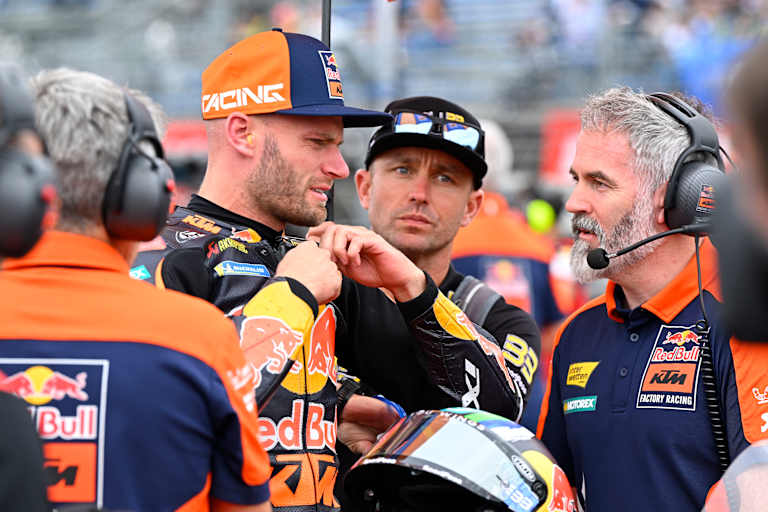
Brad Binder kämpfte nach dem Q1-Sturz mit Schmerzen
Foto: Gold & Goose
Brad Binder kämpfte nach dem Q1-Sturz mit Schmerzen
© Gold & Goose
Topic of the week
Nicolo Bulega: Toprak’s successor will not fail in MotoGP
The Italian Nicolo Bulega is the first rider to have won the world title in both the Supersport and Superbike classes; from 2027, he will be racing in MotoGP. His performances this season are second to none.
TV Program
In the sprint, Binder initially made up places. But a run off into the gravel trap on lap 9 set him back. In the end, he could only manage 18th place. “The start in the sprint wasn’t too bad; I worked my way up to 12th place. From then on, I kept having problems in Turn 1. Then the front wheel locked up and I realised I couldn’t turn in like that because I was already leaning. I straightened the bike out and rode in a straight line.”
An overly conservative strategy cost him a better result
On Sunday, at least, the physical after-effects of the qualifying crash were less noticeable. “I felt much better physically than on Saturday. My physio did a good job. I felt like a human being again.”
For the Grand Prix, the focus was primarily on tyre durability. After several riders had struggled with rear tyres coming apart during the sprint, everyone opted for the hard rear tyre on Sunday. Although Binder hadn’t experienced any such problems in the short race, his team also prepared for a possible breakdown.
“In the warm-up, we tried the hard rear tyre, which surprised me in a good way. It was pretty good. Things went okay in the race. We dialled everything back a bit because we wanted to preserve the centre of the tyre,” explained Binder. Armed with the knowledge gained from the race, Binder could have taken a less conservative approach. “Looking back, I think we could have managed three race distances with it. So our set-up changes weren’t really good. But that happens. 11th place was the best we could manage.”
Nevertheless, Binder placed the blame for the disappointing race weekend primarily on himself. “So, all in all, it wasn’t a good weekend in Japan. I’d hoped for more. But I threw it away myself with the crash in Q1. That made the rest of my weekend more difficult.”
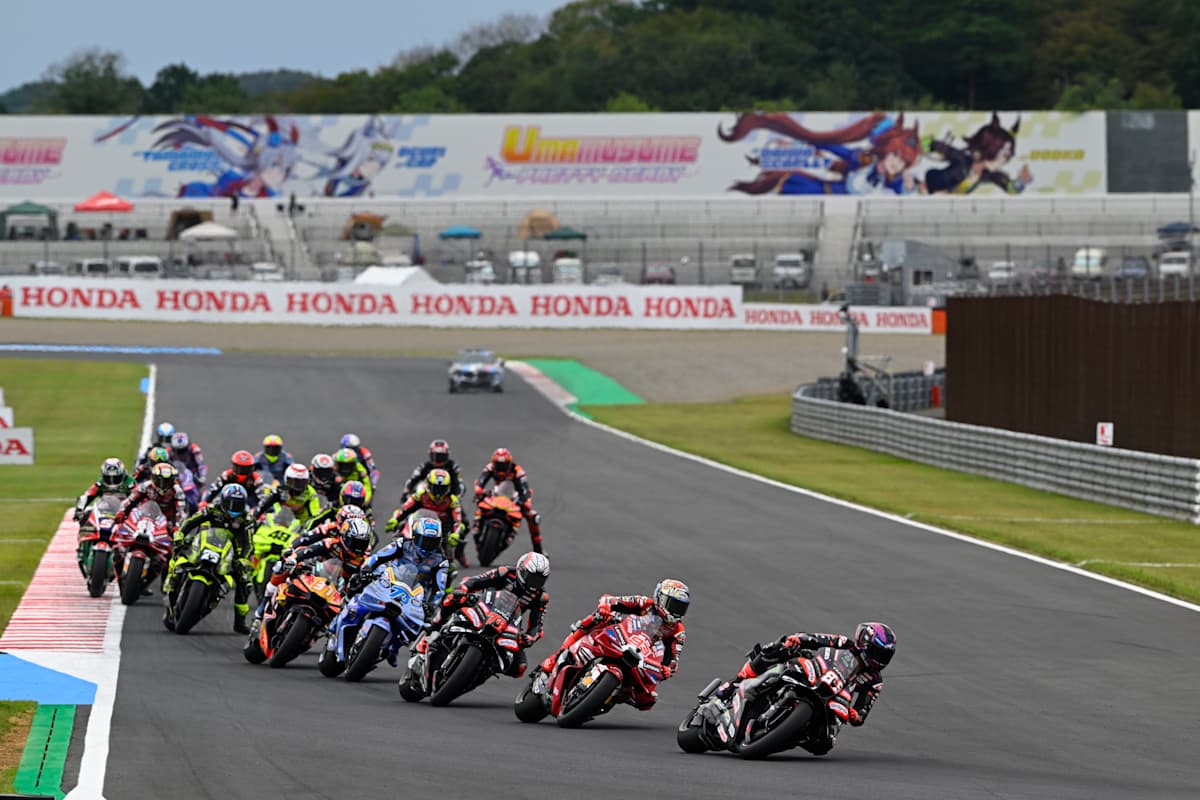
Willkommen zum Rennen in Motegi
Foto: Gold & Goose
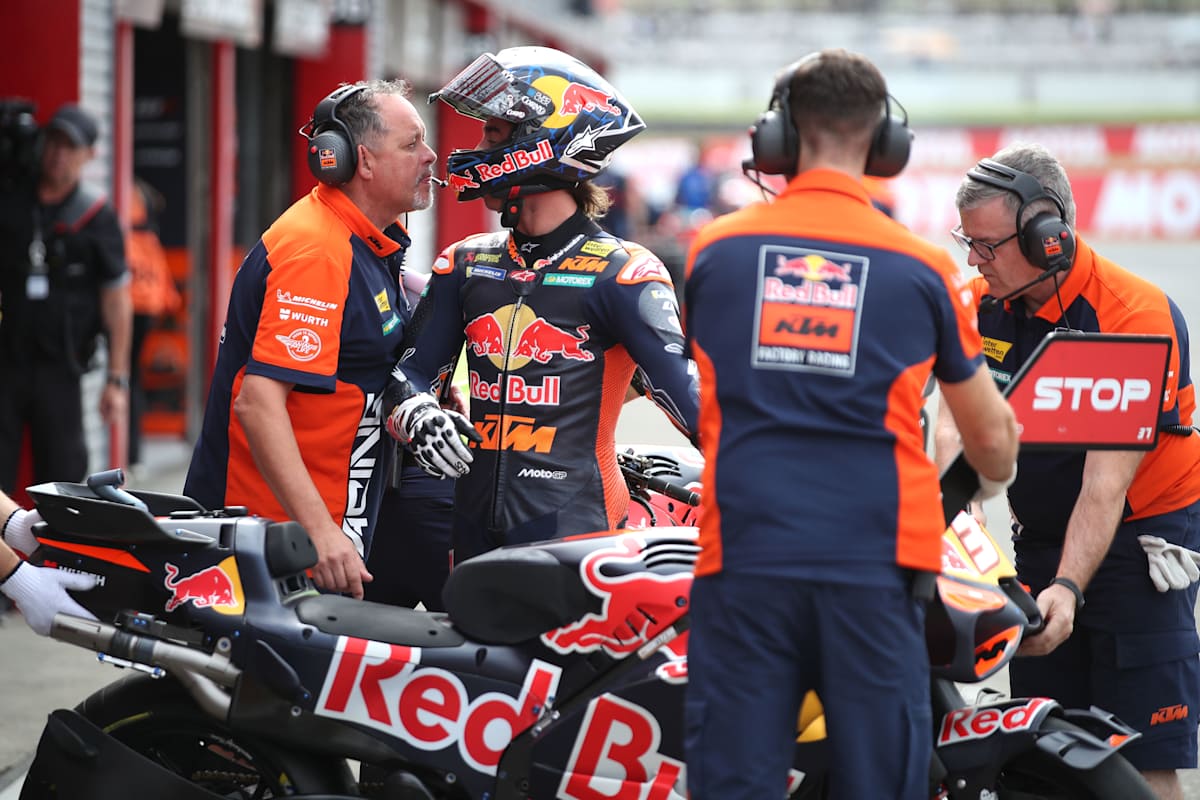
Pedro Acosta
Foto: Gold & Goose
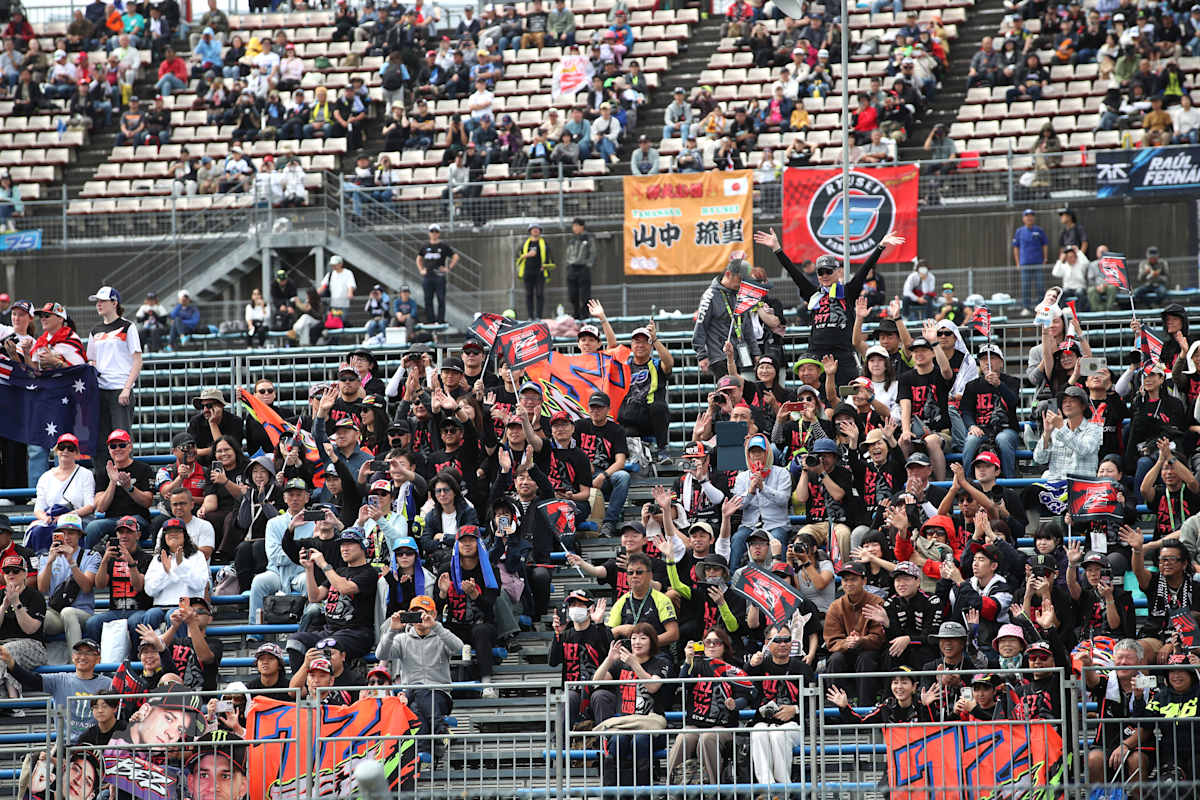
Fans
Foto: Gold & Goose
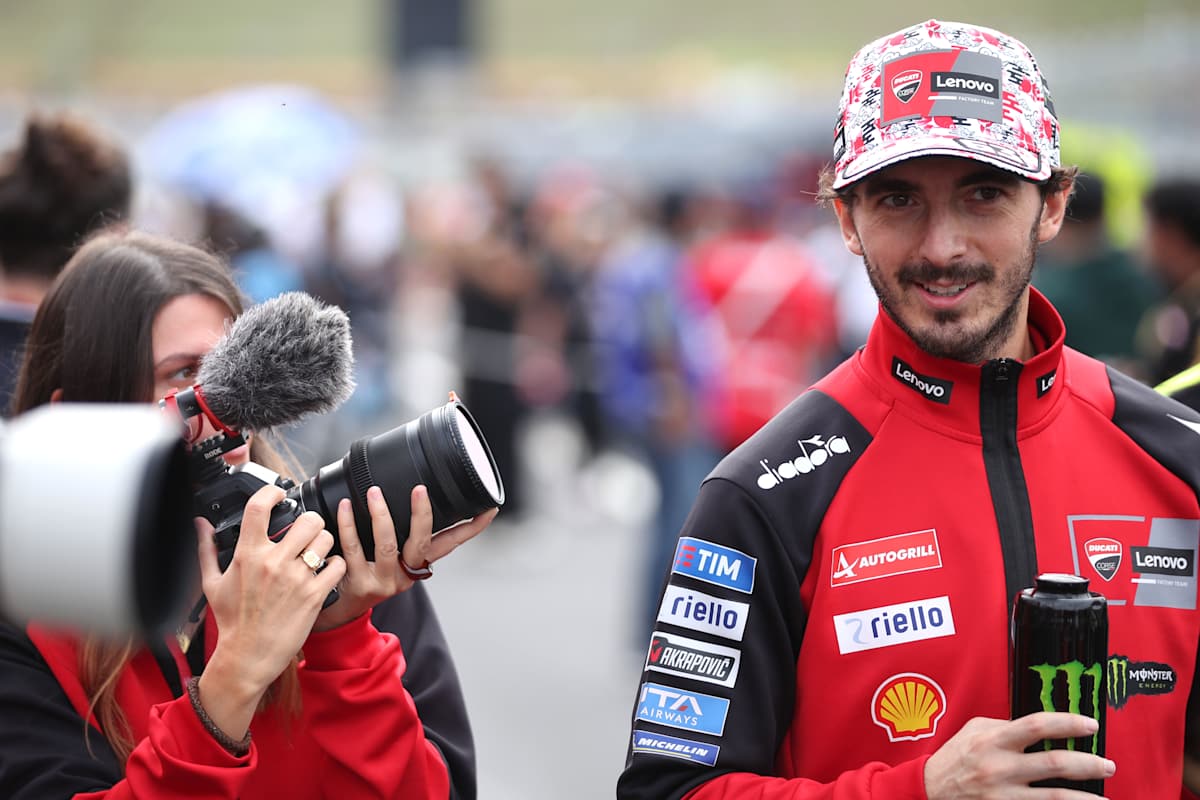
Pecco Bagnaia
Foto: Gold & Goose
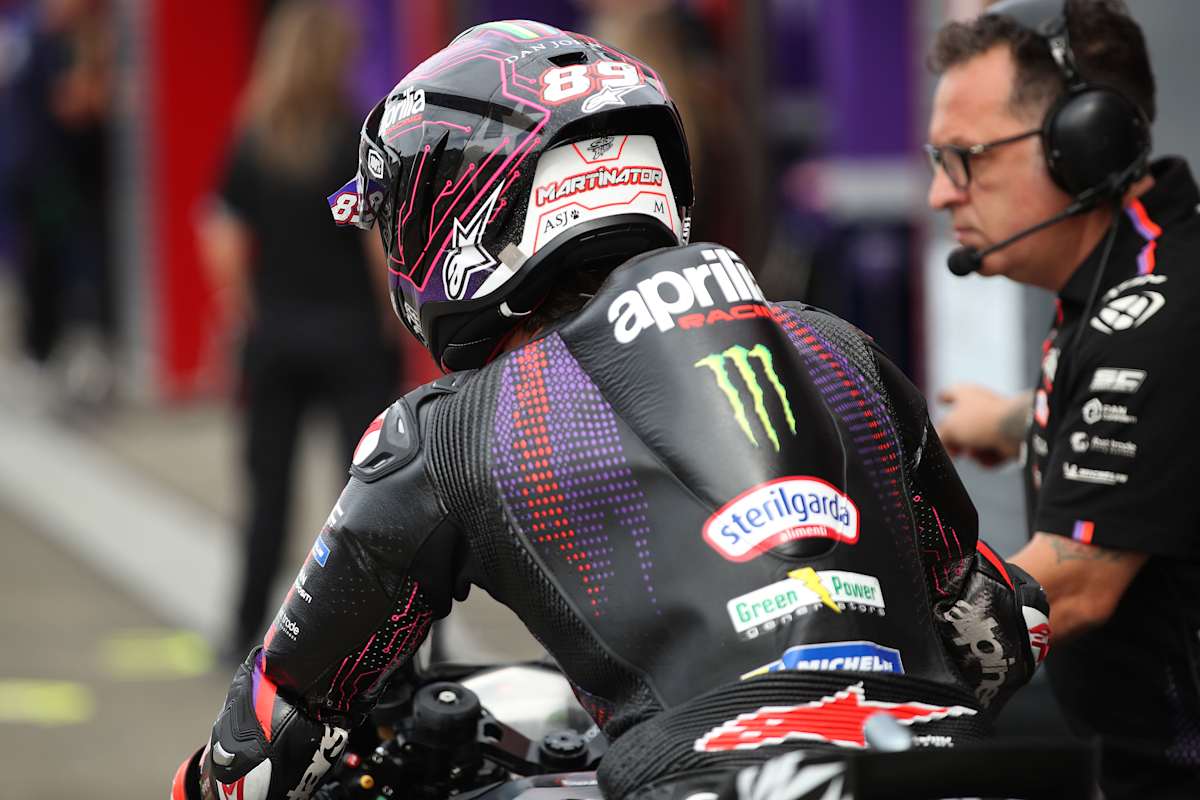
Jorge Martin
Foto: Gold & Goose
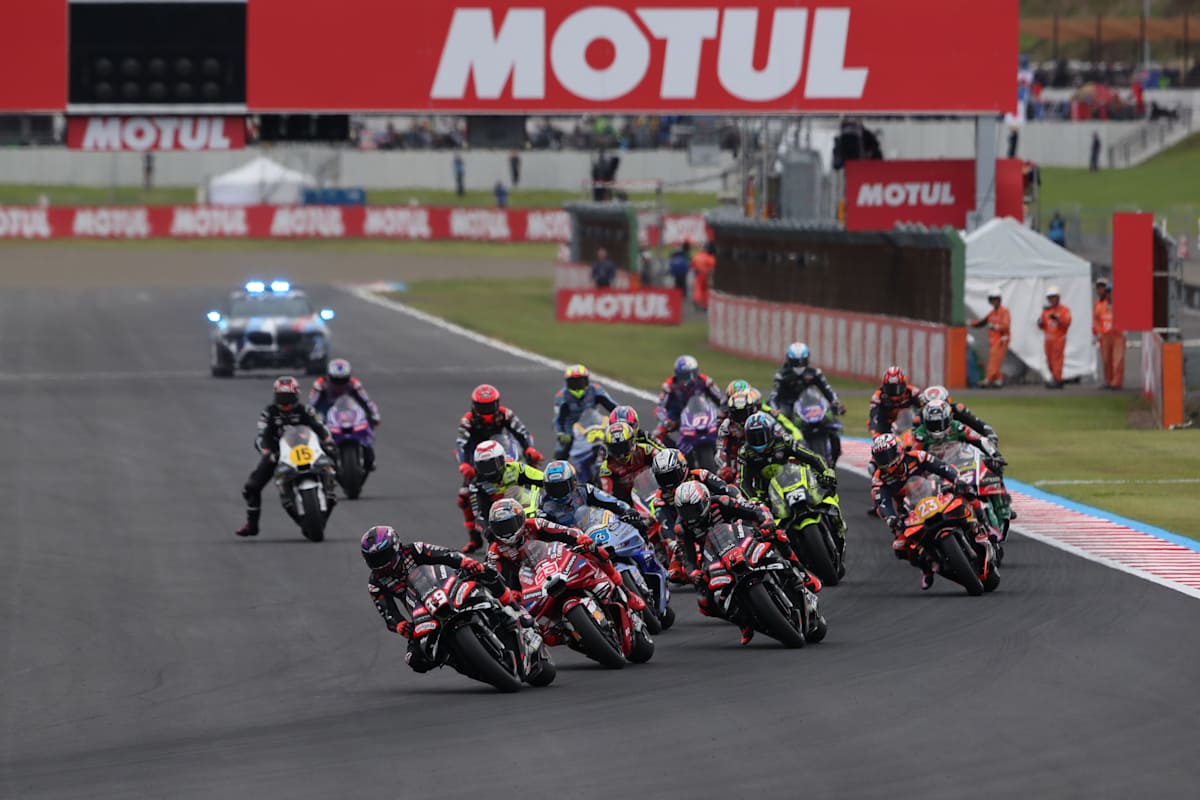
Start des Rennens
Foto: Gold & Goose
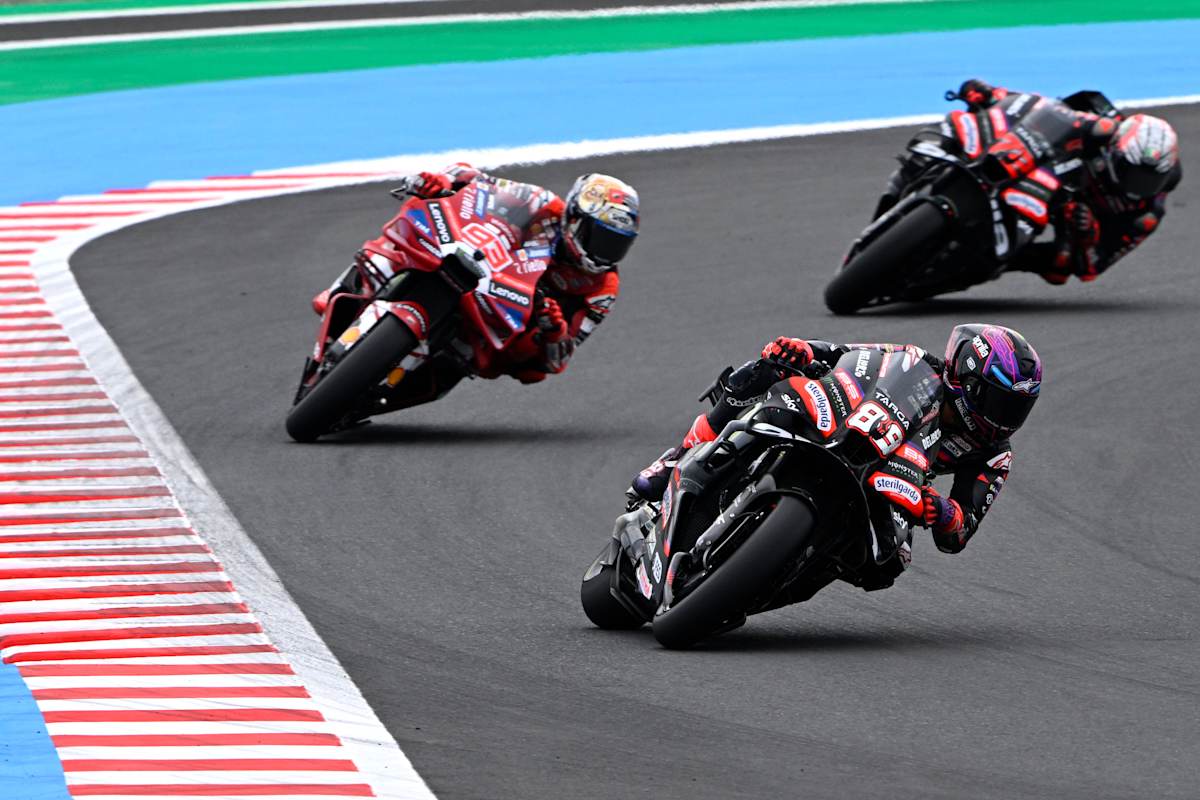
Jorge Martin
Foto: Gold & Goose
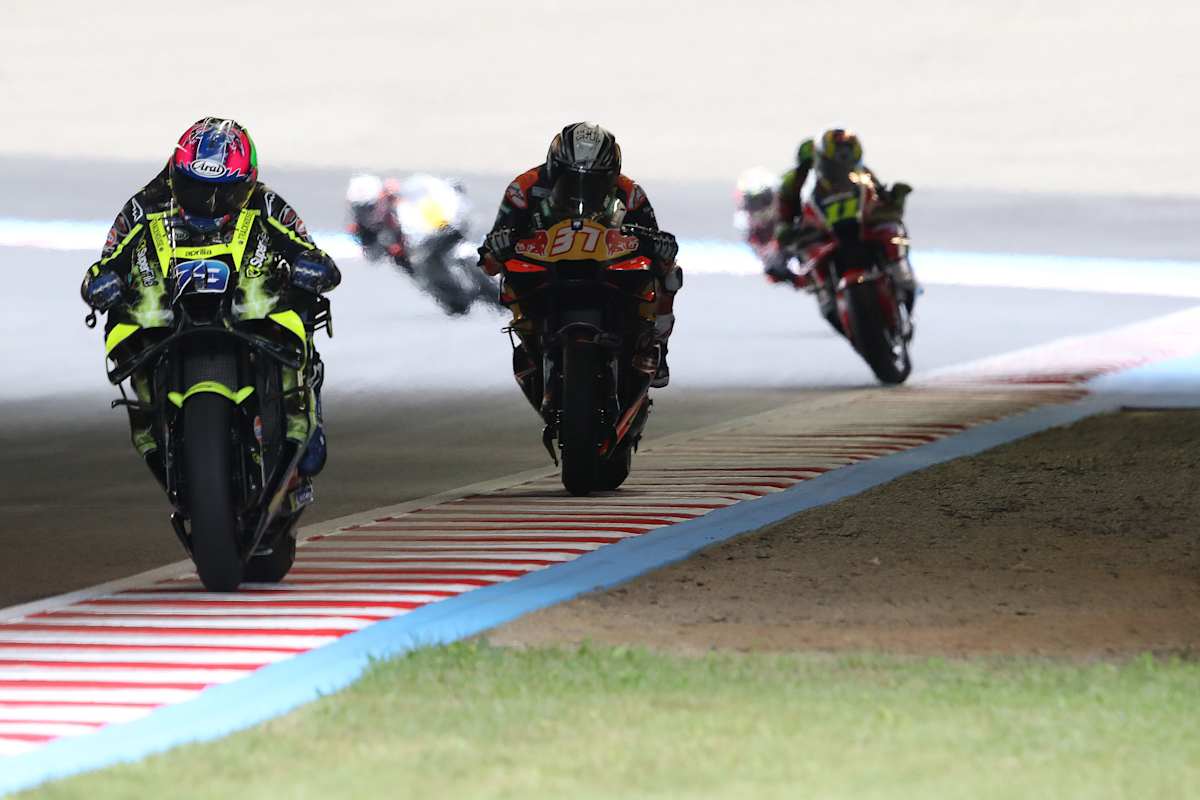
Ai Ogura
Foto: Gold & Goose
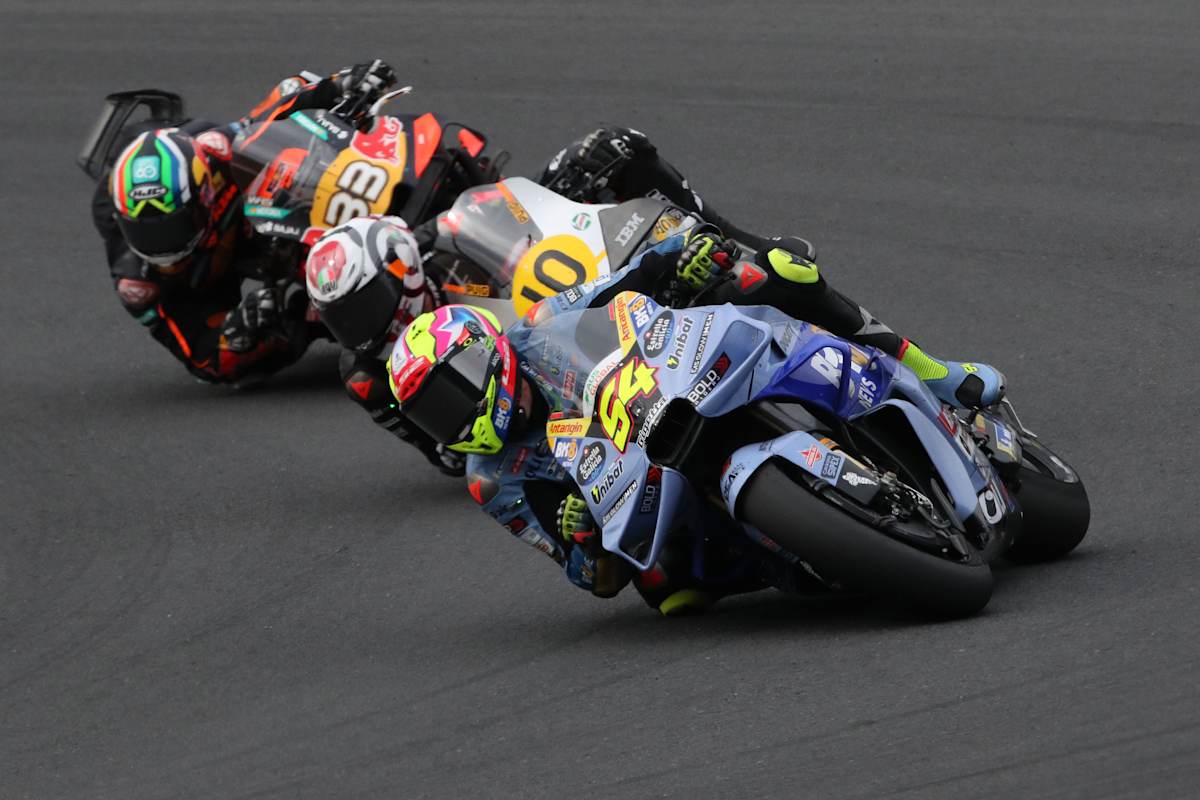
Fermin Aldeguer
Foto: Gold & Goose
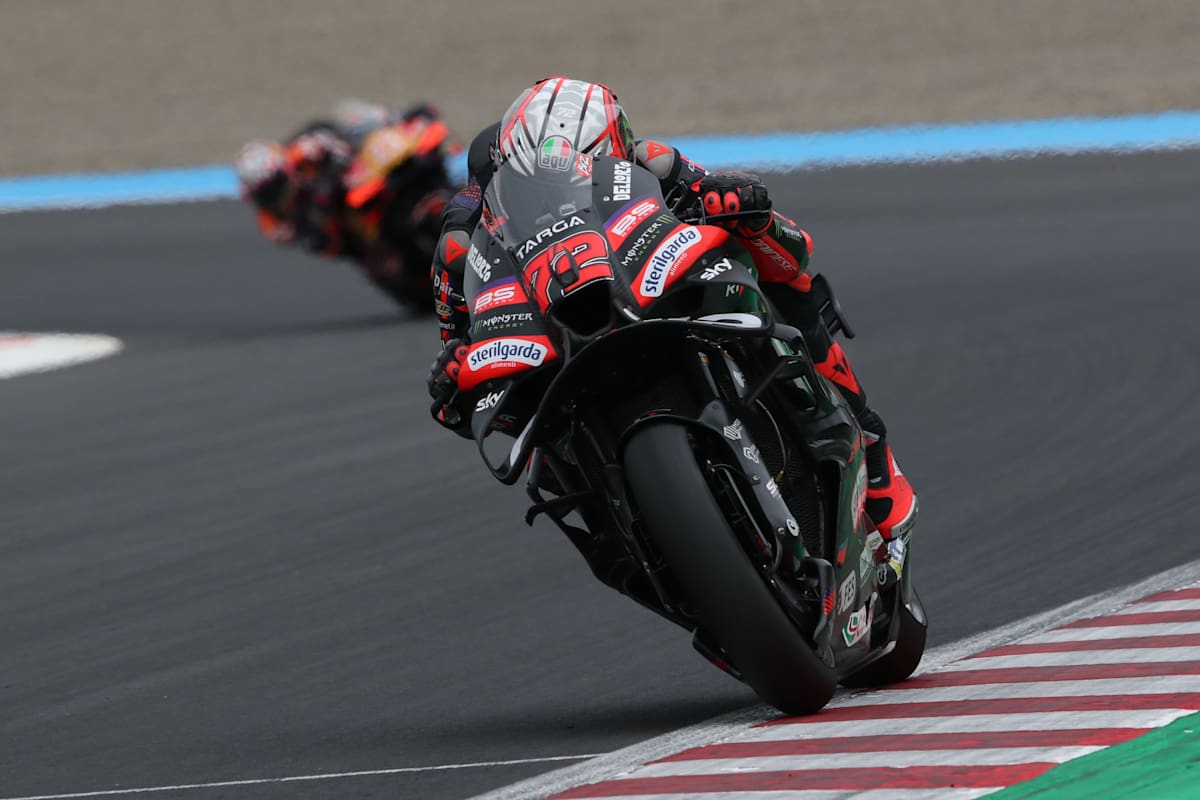
Marco Bezzecchi
Foto: Gold & Goose
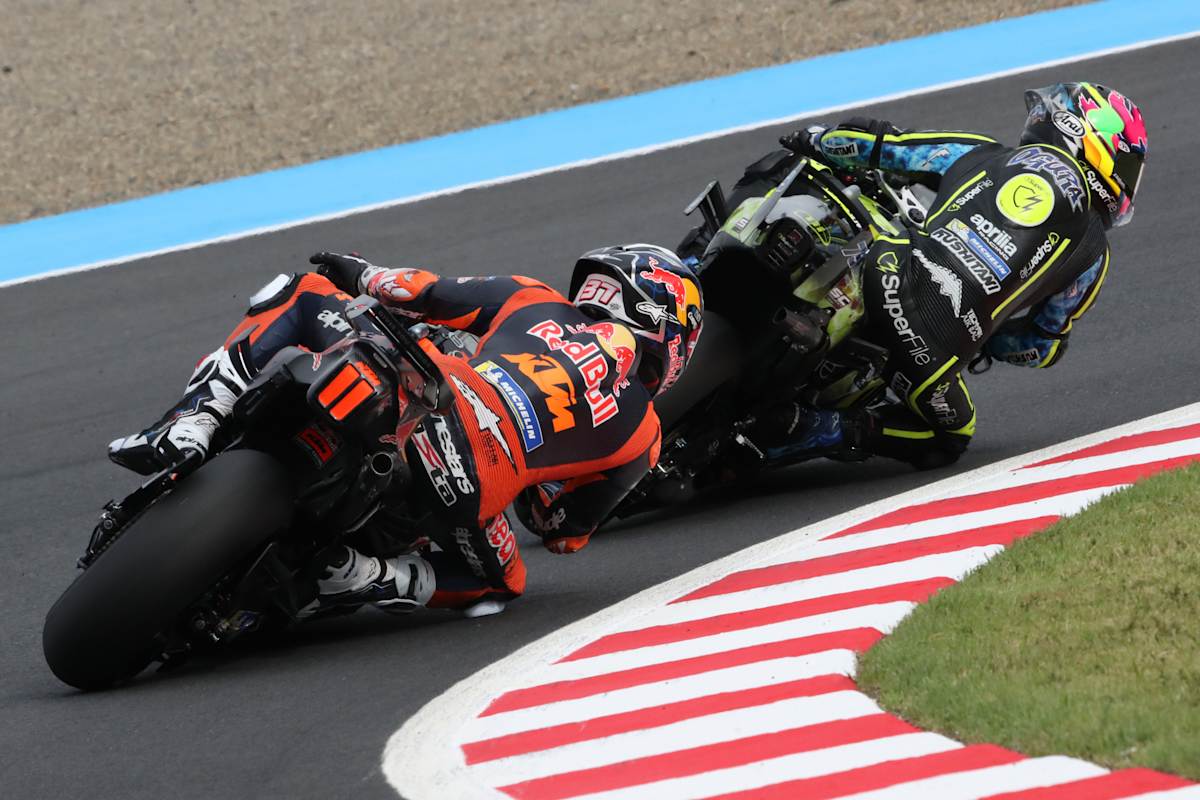
Pedro Acosta
Foto: Gold & Goose
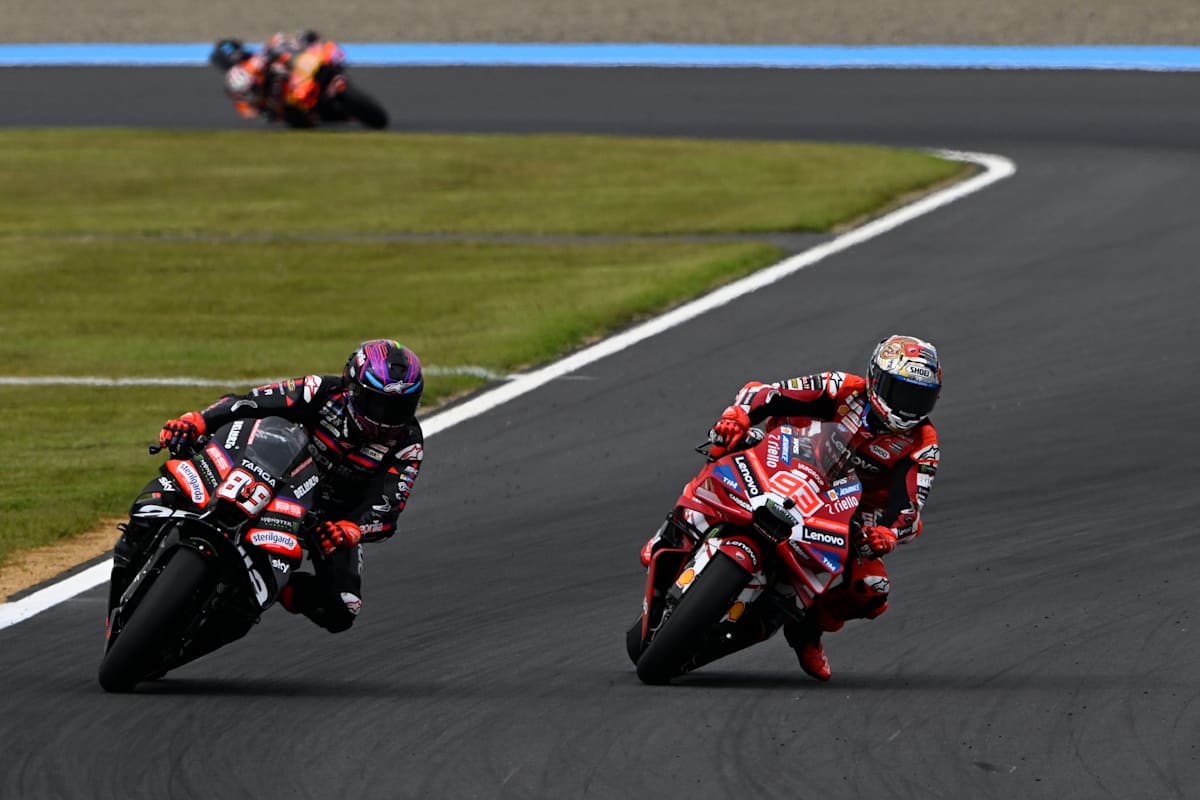
Jorge Martin und Marc Márquez
Foto: Gold & Goose
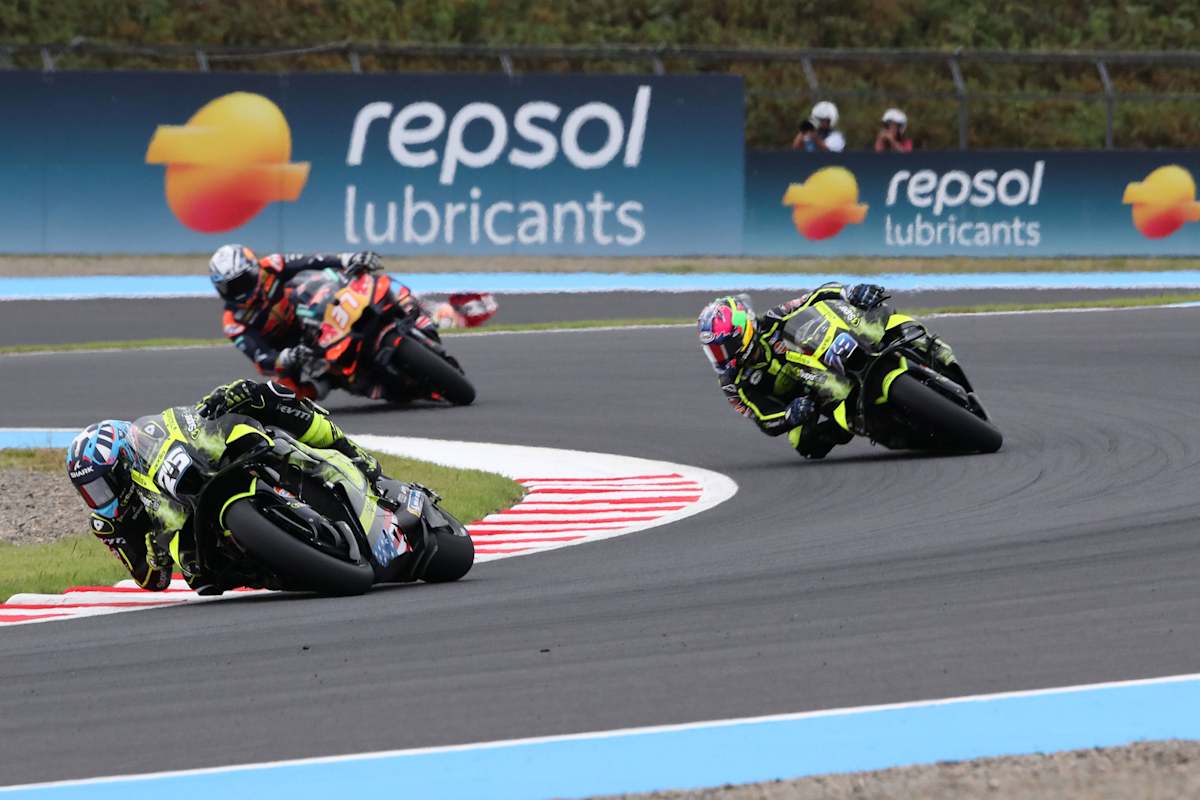
Raúl Fernández
Foto: Gold & Goose
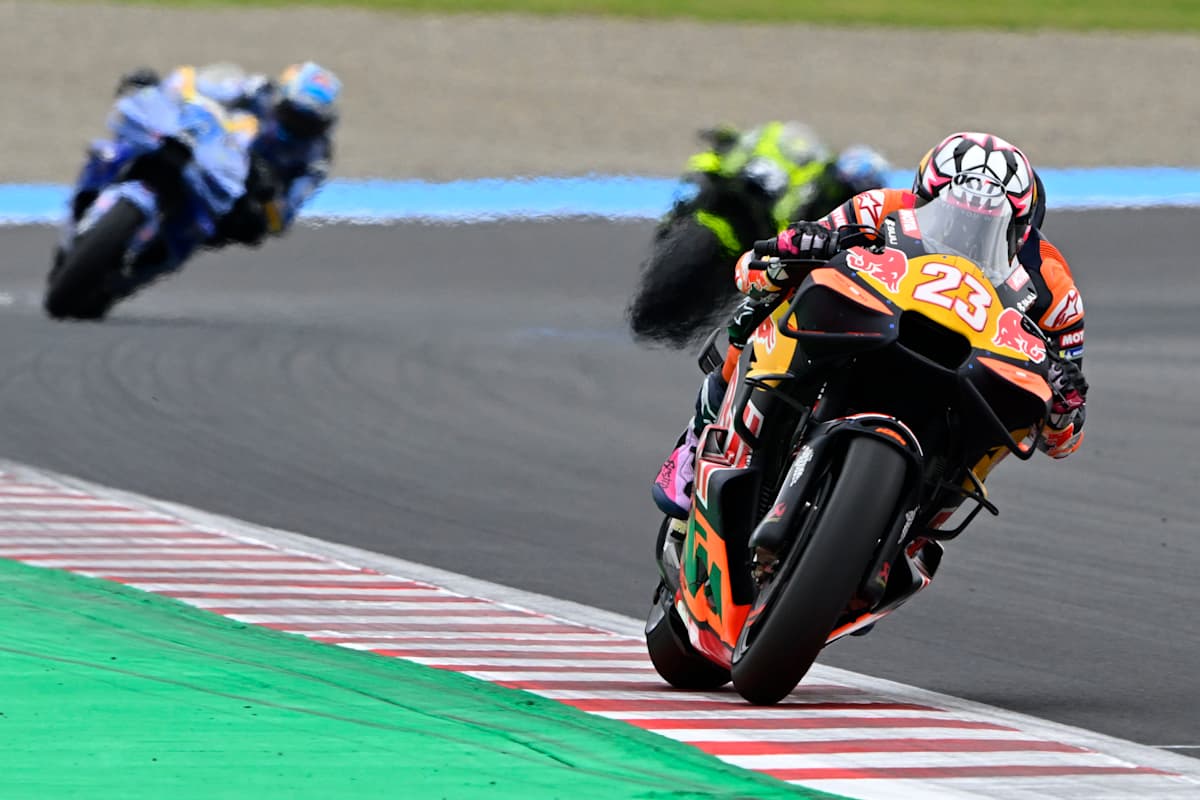
Enea Bastianini
Foto: Gold & Goose
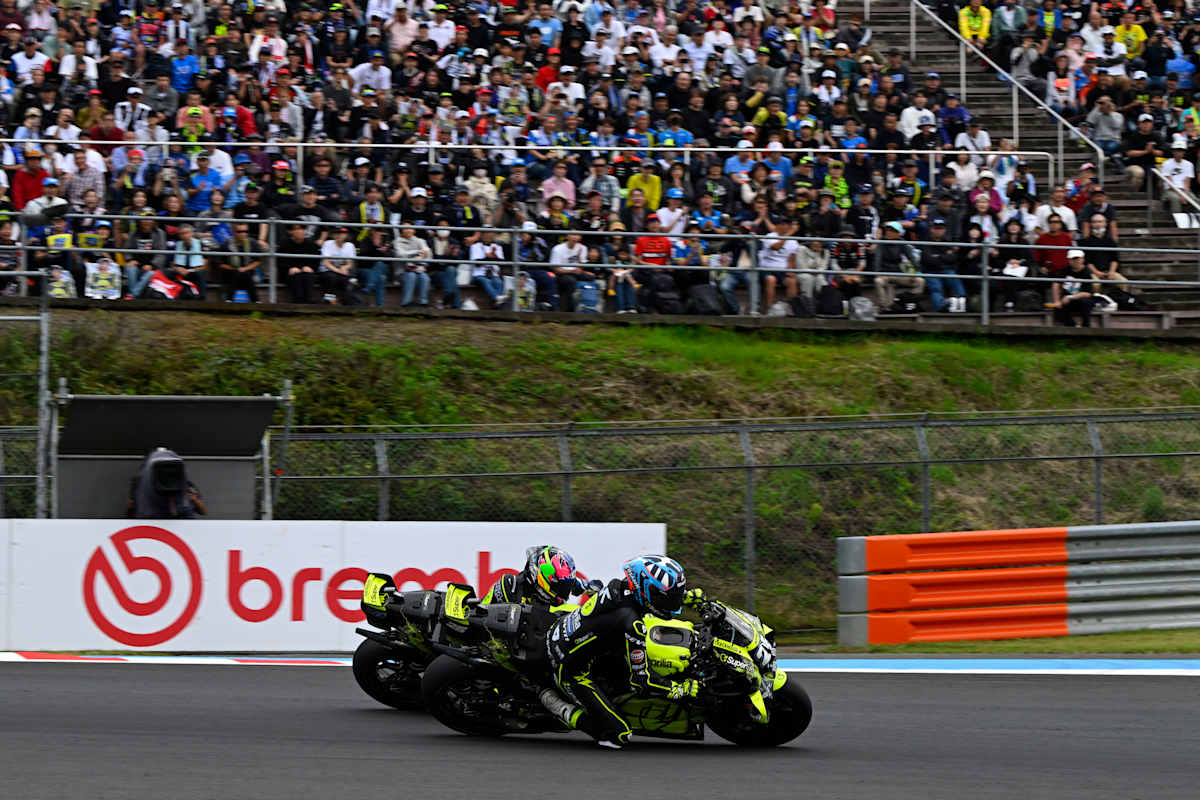
Ogura und Fernández
Foto: Gold & Goose
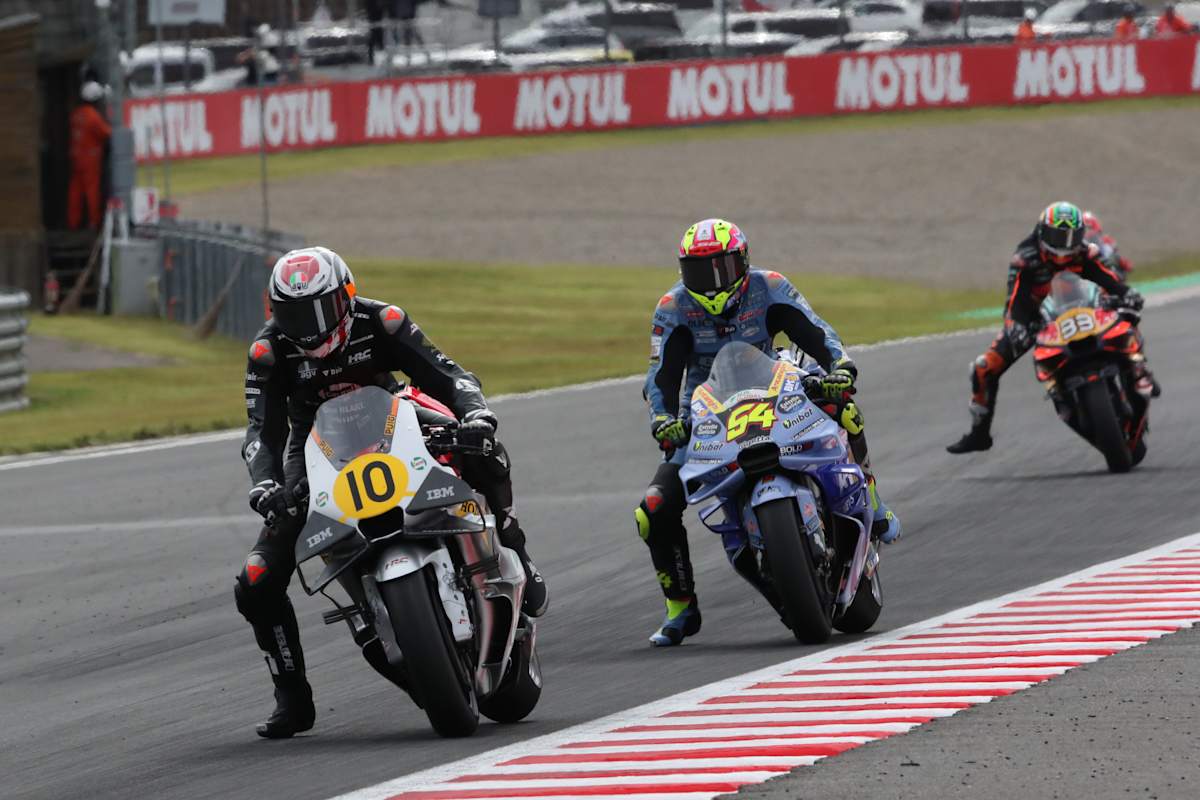
Luca Marini
Foto: Gold & Goose
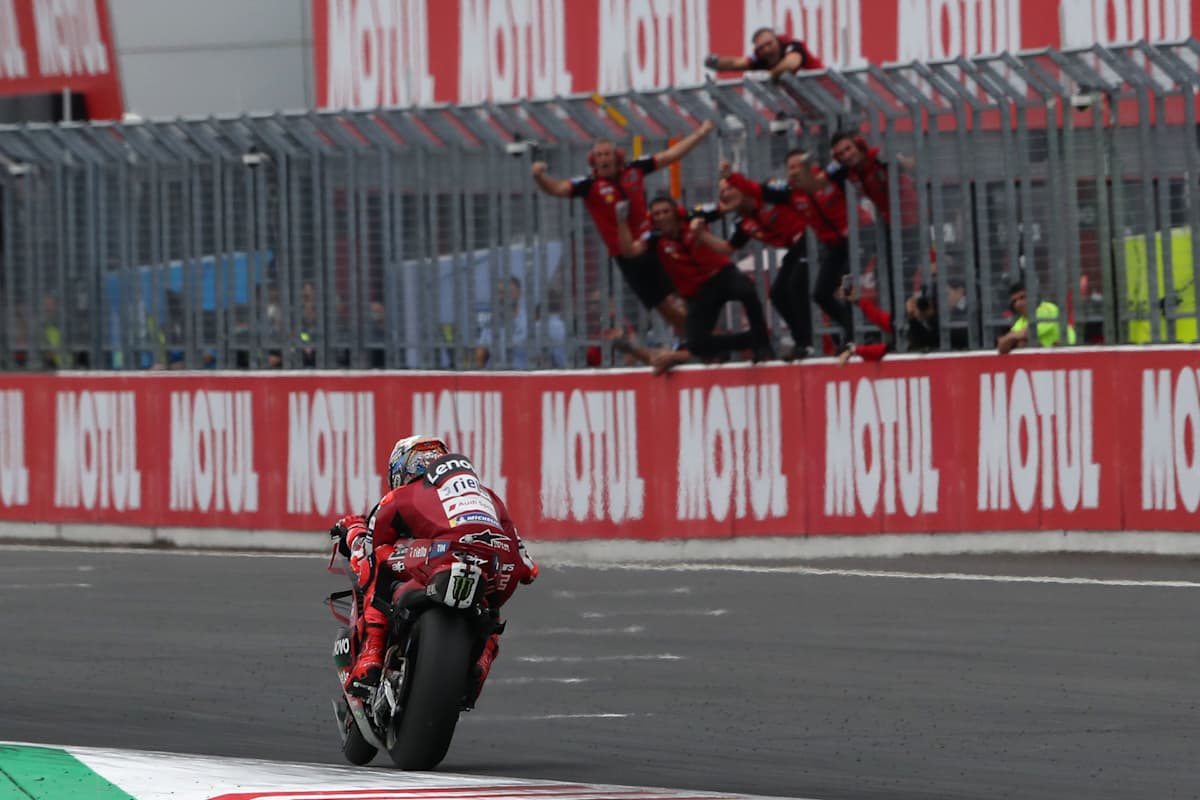
Marc Márquez gewinnt das Rennen
Foto: Gold & Goose
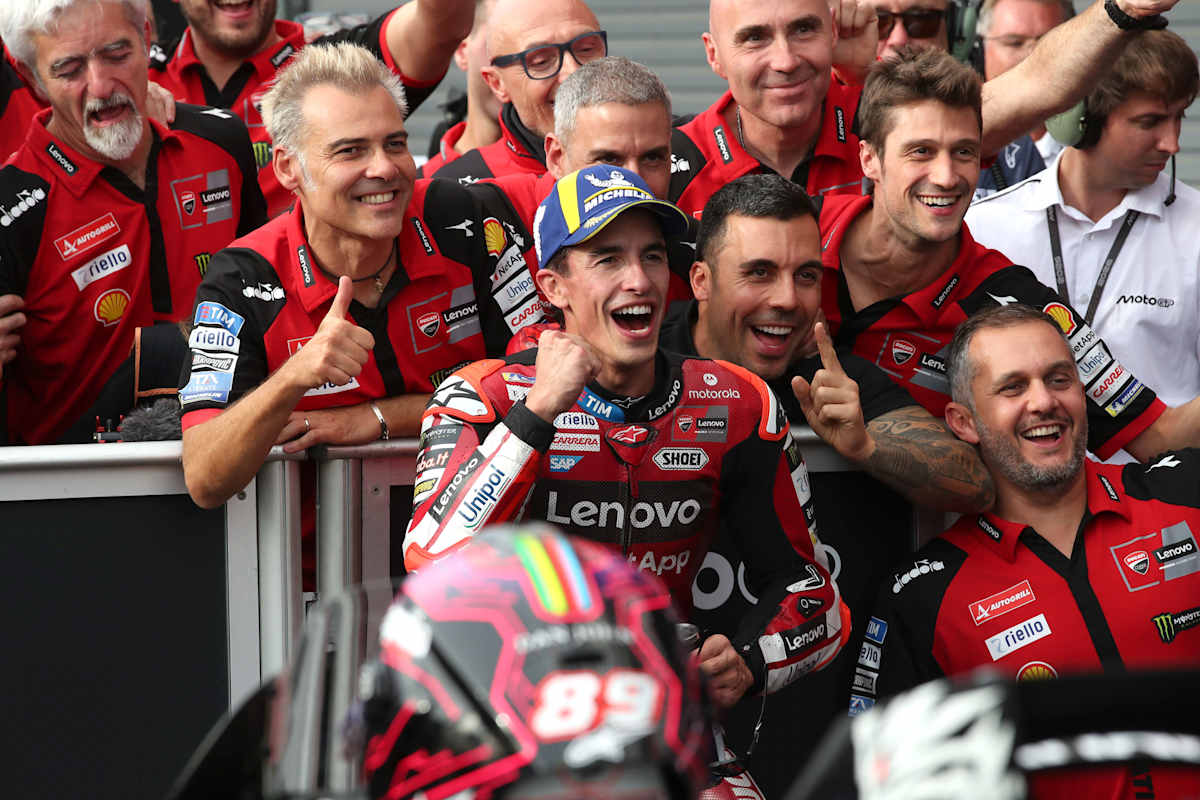
Sieger Marc Márquez
Foto: Gold & Goose
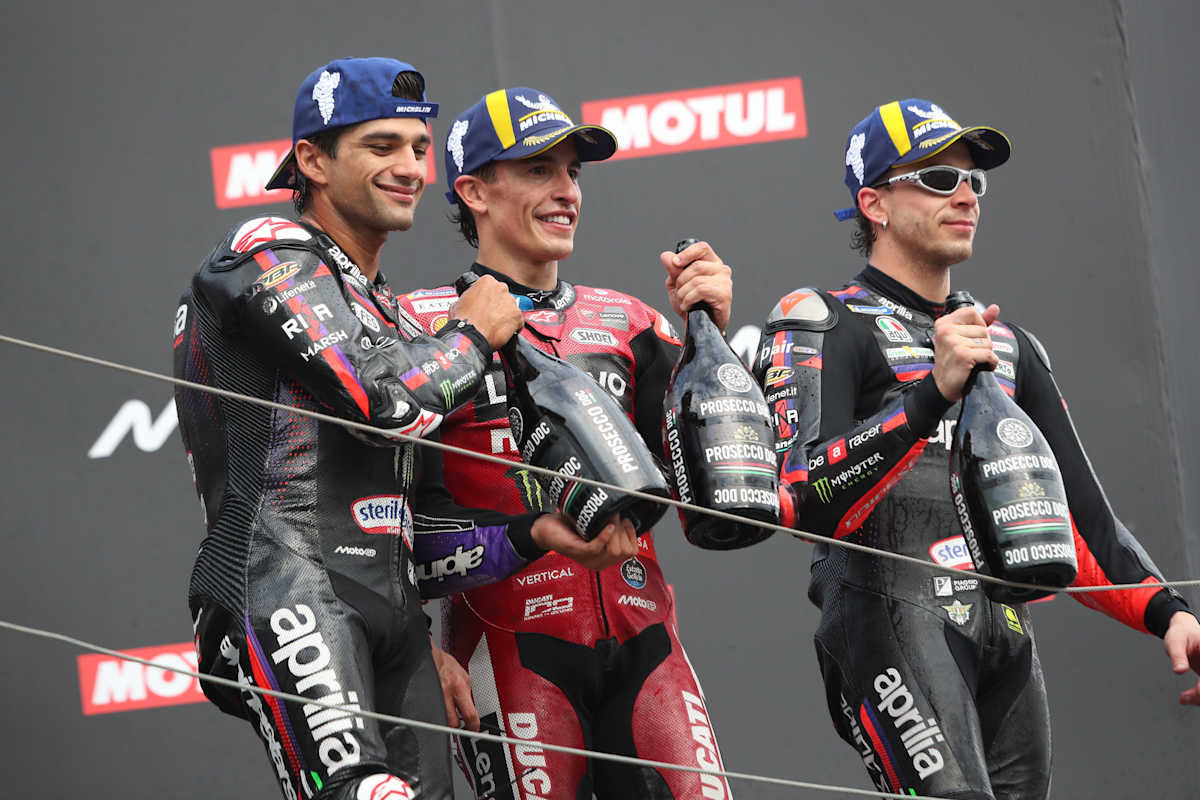
Jorge Martin, Marc Márquez, Marco Bezzecchi
Foto: Gold & Goose
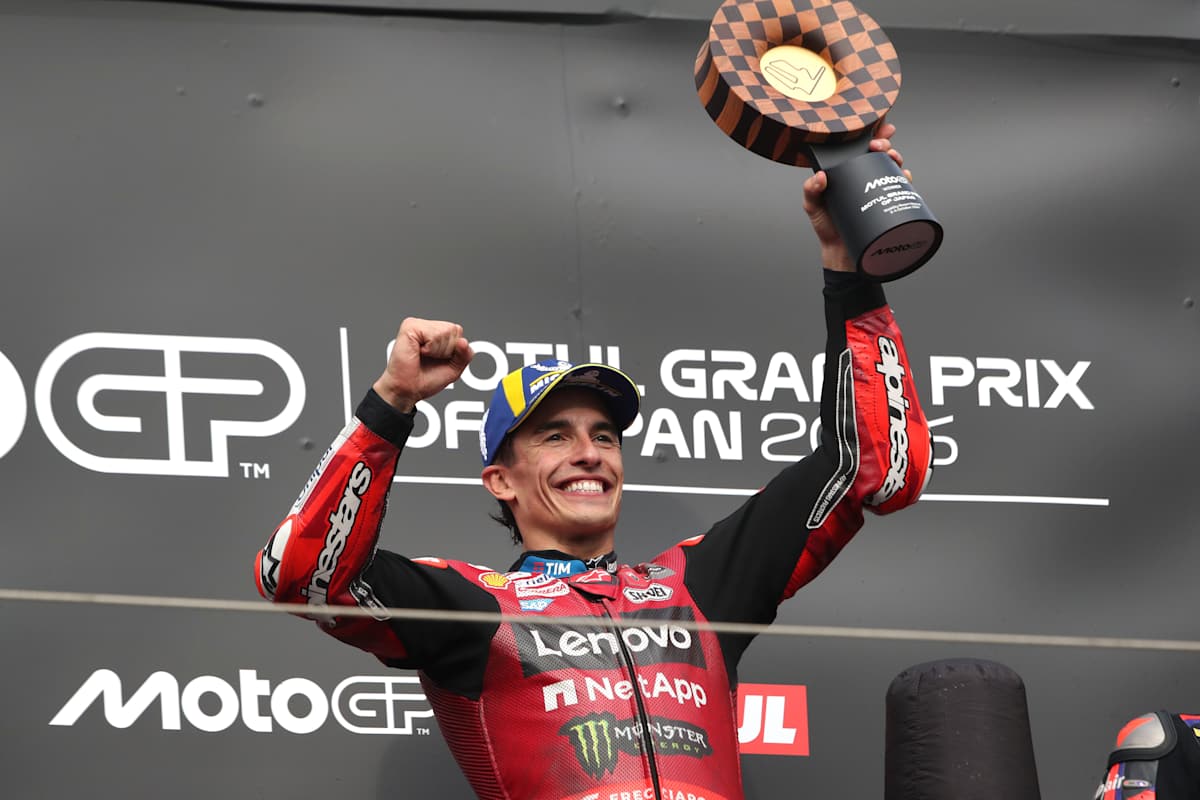
Sieger Marc Márquez
Foto: Gold & Goose
Willkommen zum Rennen in Motegi
© Gold & Goose
Seen already?
Don't miss out on any highlights: The Speedweek newsletter, sent out twice a week, delivers the latest news, exclusive commentary and all the important dates from the world of motorsports - directly into your inbox
Results
Full StandingsPos
Driver
Driver
Team
#
Rounds
Time
Fastest Lap
Points
01

Ducati Lenovo Team
93
24
41:31,467
1:43,291
37
02

Aprilia Racing
89
24
+1,363
1:43,328
27
03

Aprilia Racing
72
24
+2,252
1:43,276
20
04

Red Bull KTM Factory Racing
23
24
+2,330
1:43,041
19
05

SuperFile Trackhouse MotoGP Team
SuperFile Trackhouse MotoGP Team
25
24
+14,815
1:43,628
13
06

SuperFile Trackhouse MotoGP Team
SuperFile Trackhouse MotoGP Team
79
24
+15,210
1:43,638
15
07

Red Bull KTM Factory Racing
37
24
+16,928
1:43,789
9
08

Ducati Lenovo Team
63
24
+20,333
1:43,806
8
09

BK8 Gresini Racing MotoGP
54
24
+23,545
1:43,829
7
10

Honda HRC Castrol
10
24
+25,677
1:44,124
6
Highlight Videos
ServusTV Media Library
Ein Manöver entscheidet! WM-Kampf spitzt sich zu
4. Okt. | 4:18 Min
„Hat nicht gereicht, um Marc zu besiegen“
4. Okt. | 2:39 Min
4. Okt. | 15:04 Min
Moto2: Mega-Patzer von WM-Leader
4. Okt. | 1:29 Min
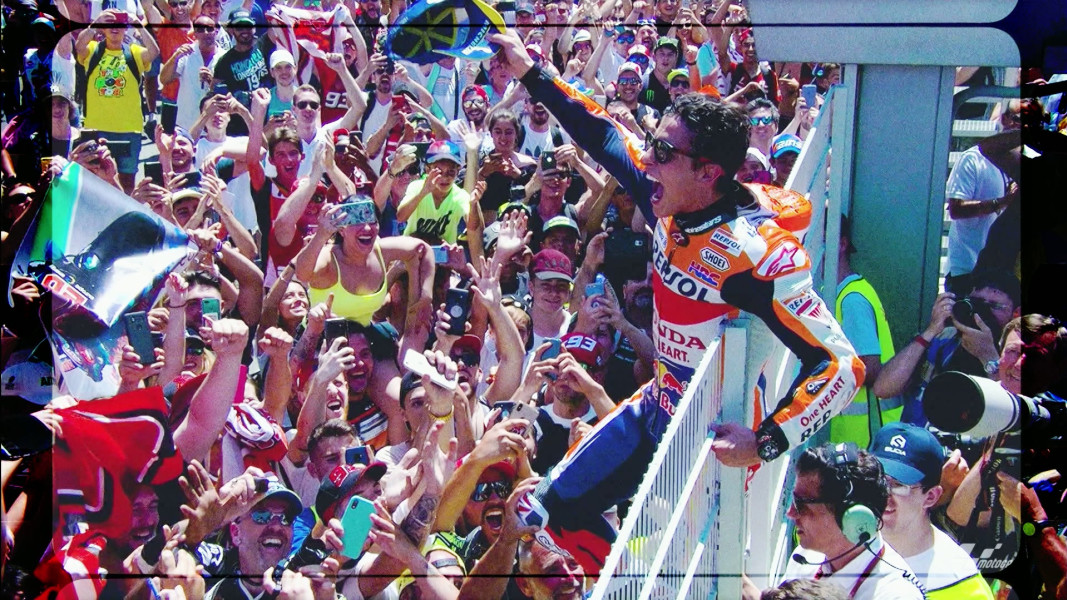
Finden Honda und Yamaha zurück zu alter Stärke?
4. Okt. | 3:46 Min
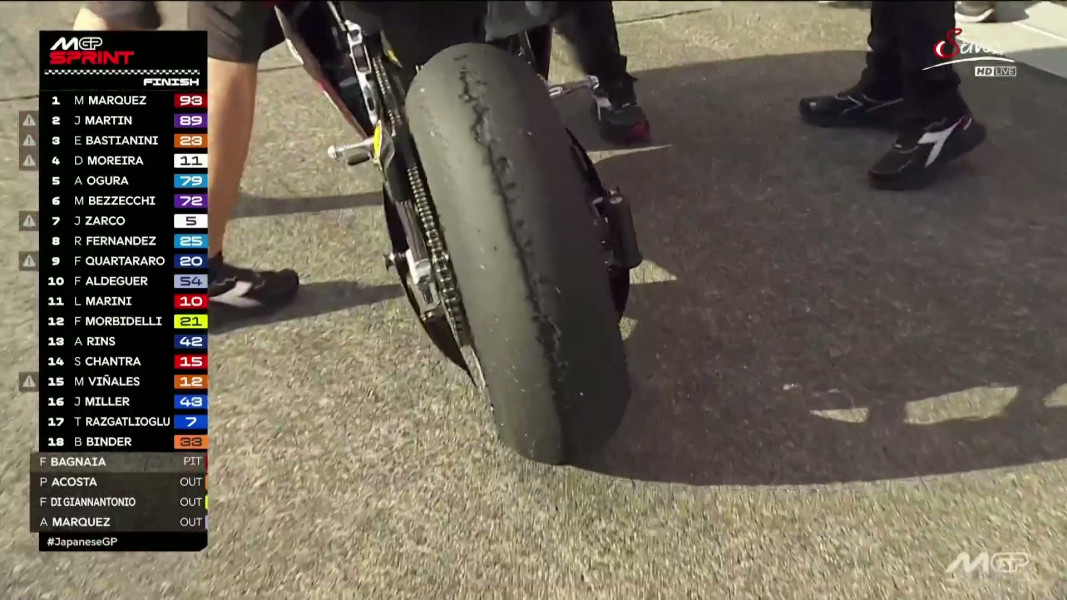
Hinterreifen löst sich förmlich auf!
3. Okt. | 1:35 Min
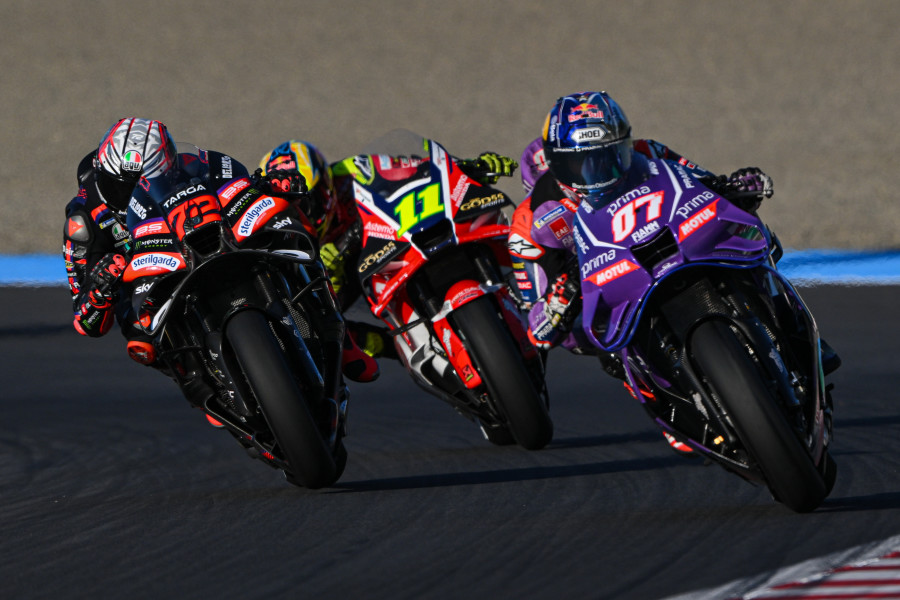
Track-Limits-Drama kurz vor Schluss!
3. Okt. | 5:15 Min
3. Okt. | 11:14 Min
Events
All MotoGP EventsNext up Pertamina Grand Prix of Indonesia  09.–11.10.2026


Next up Pertamina Grand Prix of Indonesia
MotoGP News
All News
Newest Articles
All ArticlesNew New New New New New New